

A resource for those seeking information on organizing and transforming spaces.

Could Your Washing Machine Be the Reason You’re Always Tired?
You probably don’t give your washing machine much thought beyond tossing clothes in, hitting start, and moving on with your day. But here’s a question you might not expect: could that unassuming appliance actually be affecting your energy levels? Strange as it sounds, the answer might be yes. Hidden inside your washer could be something that leaves you feeling more drained than refreshed. Let’s explore why your laundry routine may have more to do with your tiredness than you realize.
We partnered with a home improvement company for this post. The opinions in the post are honest. All reviews and opinions expressed in this post are based on our personal views. We are excited because we know you will love it.
You probably don’t give your washing machine much thought beyond tossing clothes in, hitting start, and moving on with your day. But here’s a question you might not expect: could that unassuming appliance actually be affecting your energy levels? Strange as it sounds, the answer might be yes. Hidden inside your washer could be something that leaves you feeling more drained than refreshed. Let’s explore why your laundry routine may have more to do with your tiredness than you realize.
The Hidden Problem Lurking in Your Washer
Every time your machine swirls away with detergent and water, it doesn’t just clean clothes—it also creates the perfect environment for bacteria, mold, and allergens. Dark, damp spaces are breeding grounds for microorganisms. Over time, these build up inside your washer’s drum, gasket, and pipes.
The problem? When you wear clothes washed in a machine that isn’t properly maintained, you’re exposing yourself to irritants. They can trigger allergies, affect your skin, or even worsen your sleep quality. You might not notice it immediately, but your body does. And tiredness can creep in as your immune system works overtime.
Laundry and Indoor Air Quality
It’s easy to think about clean laundry as fresh and safe, but the air quality in your home can tell a different story. Washers that harbor mold release musty odors, and those spores don’t just stay in your laundry room. They circulate.
Poor air quality, especially in small or poorly ventilated spaces, has been linked to fatigue. When your body is constantly exposed to mold particles, it can lead to low-grade respiratory irritation, making you feel sluggish without knowing why. That’s why some people feel oddly tired after spending time in their laundry area—it’s not just the folding.
The Science of Sleep and Laundry Habits
Believe it or not, your laundry routine can affect your sleep. Detergent residue and bacteria left behind on clothing can irritate your skin. Even mild irritation, like itching or slight congestion, can disrupt your sleep cycle. You wake up less rested, even if you don’t remember tossing and turning.
Research shows that allergens—like dust mites and mold—are a significant factor in poor sleep. Since we spend about a third of our lives in bed, the cleanliness of sheets and sleepwear matters more than most of us realize. If those items are coming straight from a contaminated washer, you’re literally bringing the problem to bed.
Could It Be Why You’re Always Doing Laundry?
Here’s something worth noticing: if you feel like your clothes never smell fresh, no matter how often you wash them, you might be stuck in a cycle. That leads to doing more laundry than necessary, which eats into your time, increases your workload, and adds to mental fatigue.
It’s not just about the effort, though. More laundry means higher humidity in your home, especially if you’re drying indoors. And guess what thrives in humidity? Mold. It’s a loop that quietly affects both your energy and your environment.
The Overlooked Fix: Cleaning the Machine
Now for the good news—you don’t need a new washer. You just need to give your existing one some attention. A regular deep clean of your washing machine can make a surprising difference, both for your laundry and potentially for your overall well-being.
That doesn’t mean pouring in random products or DIY hacks that might damage the machine. The simplest way is to use a washer cleaner once a month. These are designed to break down mold, soap scum, and bacteria lurking where you can’t see them. A quick maintenance cycle can reset your washer and, in turn, protect your clothes and your health.
Lifestyle Tweaks That Help
Keeping your washing machine clean is step one, but small changes in your laundry habits can also help reduce fatigue:
Leave the door open after use. Letting air circulate prevents moisture buildup.
Wash sheets weekly, especially if you’re prone to allergies or sensitive skin.
Use less detergent. Too many leaves residue, which feeds bacteria and irritates skin.
Dry clothes completely. Damp laundry can harbor microorganisms that transfer back to your skin.
It’s not about perfection—it’s about reducing the hidden stressors in your environment. These little adjustments can create a noticeable difference over time.
Why This Links Back to Energy Levels

Fatigue is rarely caused by a single thing. Often it’s a combination of small, overlooked factors that add up. Your washing machine isn’t the only culprit, but it could be part of a bigger picture.
Think of it like this: if your body is constantly dealing with allergens, mild respiratory stress, or skin irritation, your energy is being spent on defense. That leaves less for focus, creativity, and everything else you want to do. Clearing one of those stressors out of your life—like a dirty washer—can give your body more room to recharge properly.
A Fresh Start for Your Home
We all want our homes to be places that restore us, not quietly wear us down. When you clean your washer, you’re not just protecting your clothes—you’re creating a healthier environment for yourself and your family. That means fresher sheets, better sleep, and one less invisible factor contributing to fatigue.
So the next time you feel constantly drained and can’t put your finger on why, don’t just look at your schedule, your diet, or your workload. Take a quick glance at your washing machine. That small step might just reveal a surprising piece of the puzzle.
Final Thoughts
Fatigue can feel complicated, but sometimes the solutions are refreshingly simple. Your washing machine, often ignored until it breaks down, deserves attention long before then. A cleaner washer means cleaner clothes, improved air quality, and potentially better sleep.
The takeaway? If you’ve been feeling tired for no clear reason, it may be worth checking the places you least expect. Start with the one humming quietly in your laundry room. A few minutes of maintenance could do more for your energy levels than you think.
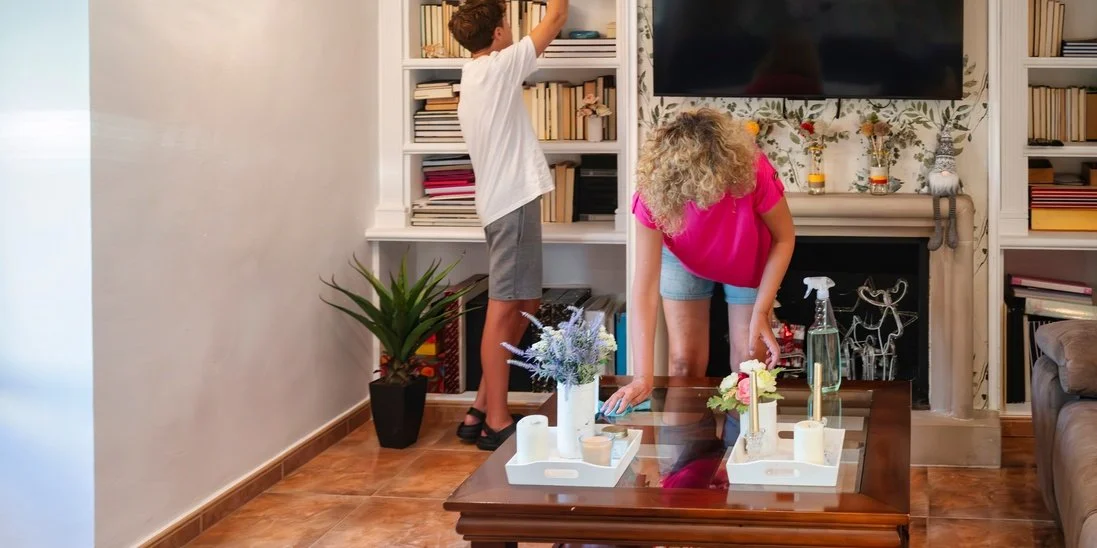
How To Turn Chaos Into Calm in Your Home
Transform overwhelming household chaos into peaceful order with these practical organizing strategies designed specifically for busy working mothers.
Does your home feel like a whirlwind of scattered belongings, endless clutter, and constant stress? You can turn chaos into calm in your home with strategic organizing approaches that work for busy families.
Reclaim your space and create the peaceful environment you deserve.
Tackle One Room at a Time
Focus on a single space rather than attempting to organize your entire house at once. Choose the room that causes you the most daily stress—often the kitchen or main living area. Remove everything from counters, tables, and visible surfaces. Sort items into three categories: keep, donate, and relocate to their proper homes.
Set a timer for 30-minute sessions to maintain momentum without feeling overwhelmed. If you’re a working mother, you might find this approach manageable since it fits into busy schedules. Completing each room offers visible progress and encourages you to keep organizing other areas.
Create Designated Homes for Everything
Assign specific spots for items you use often around your house. For example, keep mail in a basket near the entrance and hang your keys on hooks by the door. Children's backpacks can be stored in designated cubbies. When everyone knows exactly where things belong, it’s easier to find what you need and keep your home nicely organized.
Label your storage containers, shelves, and drawers to make it easy for everyone to keep the system organized. Clear labels take the guesswork out of where things go and help prevent items from ending up in random spots. This simple strategy can save you time searching for misplaced belongings and keep your space neat and tidy.
Establish Daily 15-Minute Reset Routines
Implement quick tidying sessions each evening before bed. Walk through the main living areas and return displaced items to their designated homes. Load the dishwasher, wipe counters, and straighten throw pillows. These brief routines prevent clutter from accumulating and becoming unmanageable.
Morning routines work equally well for families who prefer fresh starts. The key lies in consistency rather than duration. Fifteen minutes of focused organizing prevents hours of weekend cleanup sessions. Simple closet organizing techniques can also streamline morning routines by keeping frequently worn clothes easily accessible.
Use Vertical Storage Solutions
Maximize wall space by incorporating shelving, hooks, and organizational systems that draw the eye upward. In the kitchen, install floating shelves to store dishes and pantry items, while in mudrooms, mount pegboards to keep coats, bags, and sports equipment organized. Vertical storage solutions not only create more floor space but also keep essential items within easy reach.
Over-door organizers are especially effective in bedrooms and bathrooms for toiletries, cleaning supplies, or accessories, as they make use of otherwise wasted space behind doors. Additionally, wall-mounted baskets are perfect for holding mail, keys, or small electronics, helping to reduce clutter on surfaces.
Implement the One-In, One-Out Rule
Maintain organized spaces by removing one item whenever you bring something new into your home. Purchase a new shirt? Donate one from your closet. Buy fresh groceries? Use up existing pantry items first. This simple principle prevents accumulation and maintains the organized systems you work hard to create.
Working mothers appreciate this approach because it requires minimal decision-making while preventing clutter creep. The rule applies to children's toys, books, kitchen gadgets, and any category prone to overflow. Consistency with this practice helps turn chaos into calm in your home by maintaining balanced belongings.

Garage Gym Goals: How To Turn Your Garage Into A Performance Zone
Turning your garage into a home gym is a popular way to make fitness more convenient and consistent. Many people love the idea of getting ripped with the natural lighting and fresh air of an open garage door. Garages make good gyms because they tend to have a lot of open floor space, and you don’t have to worry about interrupting others in your house. If you want the ideal garage gym, however, you’ll need a solid plan. Here are a few tips to help you determine what you need and find the most efficient ways to get it.

Turning your garage into a home gym is a popular way to make fitness more convenient and consistent. Many people love the idea of getting ripped with the natural lighting and fresh air of an open garage door. Garages make good gyms because they tend to have a lot of open floor space, and you don’t have to worry about interrupting others in your house. If you want the ideal garage gym, however, you’ll need a solid plan. Here are a few tips to help you determine what you need and find the most efficient ways to get it.
Consider the Layout
Before you can start outfitting your space, you’ll need to choose a layout. Give yourself more space than you think you’ll need and include room to walk around or do floor exercises. If you have limited space, or if you need to move the equipment when it’s not in use, think about how you can make it safe to create the layout for each workout. Rely on wall storage and other features to allow you to grab what you need and put it back without hurting yourself or damaging the equipment.
Shop for Versatile Equipment
Commercial gyms might have every piece of equipment you can imagine, but you probably don’t have the space to do that. In order to fit in the kinds of workouts you want to do, you should choose equipment that can fulfill more than one purpose. Write down a list of the exercises you plan to do and then note the different ways you can achieve it. For smaller spaces, you might consider a cardio machine and smaller pieces of weightlifting equipment. This will maximize the number of activities you can do, without compromising their quality.
Ensure Adequate Lighting, Ventilation, and Electricity
While you’re working out, you will need to ensure that you can get through each exercise safely and effectively. If your garage is hooked up to your home’s electricity and HVAC, this will be pretty easy. If not, you should start by ensuring that you have access to adequate light and ventilation. Consider installing spotlights to help you see what you’re doing. Place a fan next to an open window for easy cooling. When you need power for cardio equipment or other devices, you should consult with an electrician to see your options for adding a circuit.
Choose Durable Flooring
For your exercise plans, you should choose flooring that will prevent slipping and ensure comfort. You can certainly work out on a concrete floor, but wet concrete can be slippery and a hard fall. Consider rubber mats to minimize the amount of noise and provide a cushion for bodyweight or floor exercises. If you need to stick to a tight budget, look at foam tiles to help you keep your grip and your balance without breaking the bank.
Install Efficient Storage
If you want the maximum amount of room to do your exercises, you’ll need an efficient storage plan. For almost any garage gym, floor space is at a premium. Fortunately, the walls and ceiling are available to simplify your storage. Consider wall storage systems to make it easy to organize and hang your weights. Add hooks, drawers, and organizers for smaller items like sweatbands or wipes. If you have very little floor space at all, look for equipment that you can pull down from the wall. This type of arrangement leaves the floor free, minimizes clutter, and reduces the likelihood that you’ll trip over something.
Designing your garage gym calls for some advance planning. By evaluating your space, choosing equipment for your fitness goals, and ensuring that you have storage, ventilation, and lighting, you can assemble the garage gym of your dreams.
Author bio: Billy Kim is President and Chief Operating Officer of HOIST® Fitness, a San Diego-based company that produces premium strength training products and exercise bikes for commercial and home markets. Kim plays a central role in guiding the company’s strategic direction and long-term growth. With over two decades at HOIST, he has been instrumental in transforming the business from primarily home-use equipment to a leader in the commercial fitness market. Kim leads the international sales efforts and oversees the company’s “direct” business, where HOIST sells into national accounts.
SOURCES
https://www.freshdesignblog.com/2024/12/your-perfect-garage-gym-step-by-step-creation-guide/
https://garageforce.com/2024/10/28/transforming-your-garage-into-the-ultimate-garage-gym-a-comprehensive-guide/

Too Much Makeup? Here’s How to Declutter It in 7 Simple Steps
Decluttering makeup is about clearing space so the products that do work, can shine. It’s about making mornings simpler, bags lighter, and drawers more functional. And more than anything, it’s about letting go of what no longer serves. So if the makeup stash has started to resemble a chemist’s aisle in peak season, it might be time for a refresh. Seven simple steps are all it takes.
Decluttering makeup is about clearing space so the products that do work, can shine. It’s about making mornings simpler, bags lighter, and drawers more functional. And more than anything, it’s about letting go of what no longer serves. So if the makeup stash has started to resemble a chemist’s aisle in peak season, it might be time for a refresh. Seven simple steps are all it takes.
Start With a Full Emptying Out
Before anything else, everything needs to come out. Every tube, pot, palette, and stray eyeliner deserves to be seen. Piling it all onto a surface, whether it be the bed, the floor, or the kitchen bench if needed, gives you perspective. It helps to understand just how much has accumulated over time.
This isn’t the moment for sorting yet, it’s just the exposure. Think of it as laying the cards on the table, before deciding what to play. A chaotic pile at this stage is normal. Sometimes it’s shocking, but always the right start.
Check for Expiry
Makeup doesn’t last forever, even if it looks and smells fine. That blush that’s been hanging around since uni? It might still blend beautifully, but might not be the safest anymore.
Expiry guidelines are usually printed on the packaging, so look for tiny symbols showing how many months a product is good for once opened. Those should be respected. It’s tempting to hold onto a perfect highlighter just because it was pricey, but if it’s old, it goes. No exceptions.
Sort by Use, Not Just Category

Most people have more than one nude lipstick and more than one eyeliner. Keep going, and you’ll find more than a few eyeshadow palettes. Sorting by category helps, but it’s more useful to sort by use.
Products used weekly, such as brow gel, lip gloss, liner, and cream remover go in one group. The ones used only for special events or shoots, like your favourite lip stain and mascara combo, can be grouped separately. And the items that haven’t been touched in over a year? They belong in a different category altogether. This way, it’s easier to spot which products are part of the daily routine, and which are just there.
Let Go of Guilt Products
There’s a particular kind of product that lurks in makeup bags and drawers: the guilt product. It might be that bold red lipstick that looked so good in the store but never quite felt right at home. Or the glitter palette bought for a one-off party. Or the expensive foundation that never matched, but cost too much to throw out.
These items sit in drawers not because they’re used or loved, but because throwing them feels like admitting defeat. Letting go of guilt products isn’t wasteful. It’s the kindest decision. Holding onto them won’t make them useful.
Keep It Where It’s Used
One of the easiest ways to stop clutter from returning is to keep makeup only where it’s used. If makeup is applied in the bathroom, it belongs there. If it’s done in a vanity, that’s where it should live.
Scattering lip balms in coat pockets and tossing concealers in every handbag leads to duplicates and disorganisation. A small pouch for touch-ups on the go is fine, but the core collection should stay in one place. It makes inventory clearer and getting ready easier.
Clean What’s Staying
Before placing anything back, take time to clean it. You can wipe down compacts, sharpen pencils, wash makeup bags and clean those brushes. It’s a small act, but it changes the way makeup feels.
A clean brush feels like a fresh start. And that’s the whole point, right? Not just to declutter, but to feel a little bit more in control and a little bit more collected.
Put It Back with Intention

The final step is setting up the collection in a way that works. Daily items should be the easiest to reach. Less-used products can live at the back or in a separate container.
If possible, clear acrylic organisers or small dividers can help avoid things getting lost again. But more important than the storage solution is the mindset. If something hasn’t earned its place, it doesn’t go back.
Conclusion
Decluttering makeup helps you with resetting your relationship with beauty, and taking back control over what gets space in the day, the drawer, and the bag. And once the declutter is done, buying new makeup becomes more exciting again. So whether it’s been years since the last clean-out or just a quiet feeling that the collection is too much, there’s never a bad time to reset.

