

A resource for those seeking information on organizing and transforming spaces.

The Art of Multi-City Living: Using Storage to Seamlessly Split Your Time Between Locations
Learn how using storage to seamlessly split your time between locations makes multi-city living stress-free across all your homes.
Living in more than one city feels exciting. Each place brings fresh energy, new faces, and the chance to shape different routines. The shift keeps life interesting, but it also adds pressure when you are always deciding what to carry along and what to leave behind. Using storage to seamlessly split your time between locations takes away much of that pressure. Instead of dragging everything with you, you keep certain things safe and ready for later. This small change helps you stay flexible, travel lighter, and enjoy the movement between cities without the usual stress of multi-city living.
The Growing Appeal of Multi-City Living
More people are choosing to split their time across different cities. Some move for work, others follow family ties, while many seek new experiences. Shifting between locations no longer feels unusual, especially with remote jobs and flexible housing making it easier to move around.
The appeal is clear. You can enjoy warm weather in one city, cultural events in another, and friendships spread across both. Storage plays an important role in this setup because it supports the freedom that comes with multi-city living. Without it, carrying everything back and forth would quickly turn excitement into exhaustion.
Why Storage is a Game-Changer
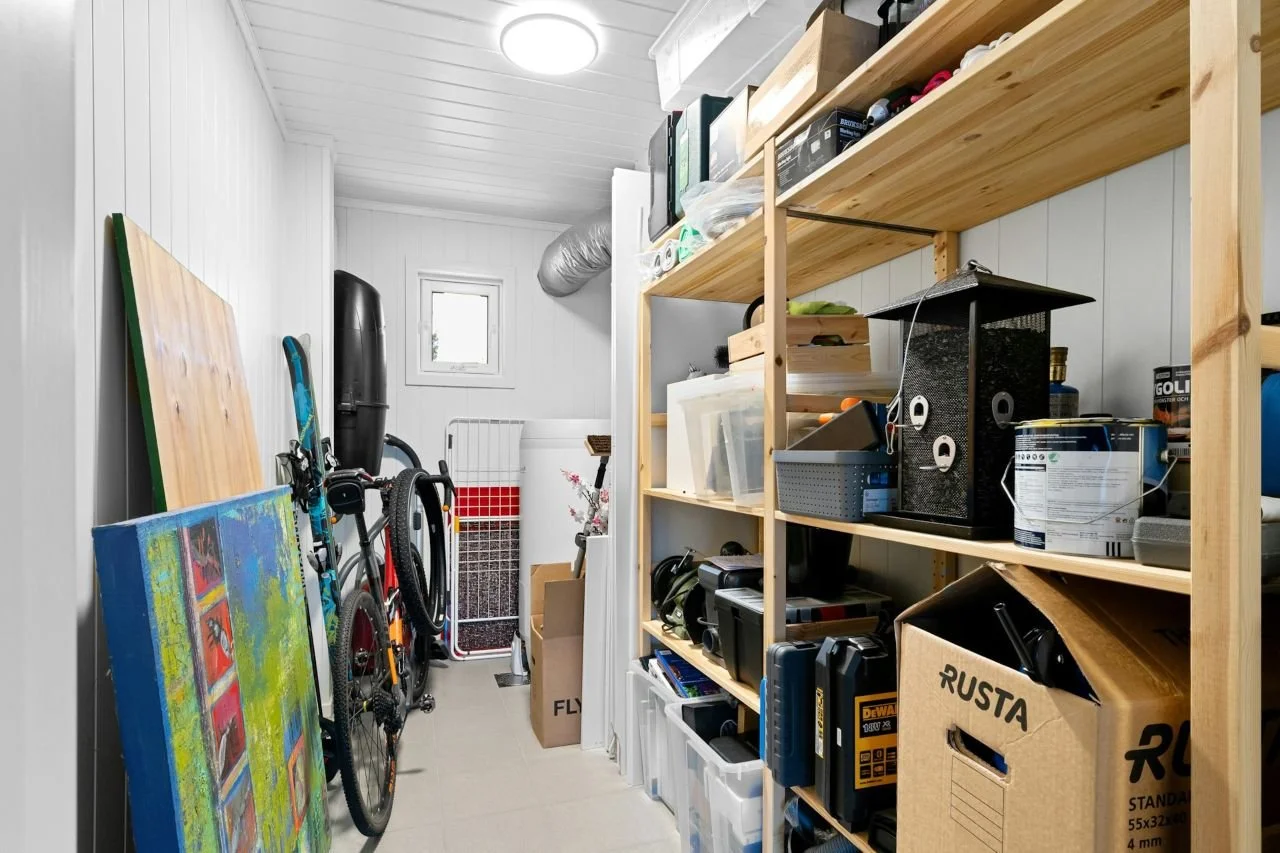
Constant travel between cities often leads to heavy bags and cluttered spaces. Packing and unpacking take up energy that could be spent enjoying your time in a new place.
Storage offers a break from that cycle. It keeps your belongings safe so you don’t have to move everything at once. It can help with how to make moving less stressful. Using storage transforms the process into a less overwhelming relocation, letting you focus on the experience rather than the logistics.
Bulky items like furniture, seasonal clothing, or sports equipment can stay stored until you actually need them. Traveling with only what matters keeps trips lighter and transitions smoother, giving you more freedom to enjoy life across cities.
Choosing What to Store and What to Carry
Deciding what travels with you and what stays behind is key to smooth multi-city living. Everyday essentials like toiletries, a few favorite outfits, and work items should always travel. These are things you need immediately when you arrive.
Bulky or seasonal items are better off in storage. Winter coats, large kitchen appliances, or extra furniture can take up space and slow you down if you carry them back and forth. Keeping them stored lets you switch locations without stress.
Important documents, valuables, or sentimental items should stay with you. Even if everything else is in storage, having your essentials on hand gives peace of mind. Rotating items between your cities, like wardrobes or sports gear, can make each space feel ready when you arrive.
Smart Packing for Multi-City Life

Packing efficiently makes life across cities much easier. Start by grouping items by purpose, such as work, leisure, or daily essentials. This method keeps everything accessible and avoids last-minute scrambling.
Labeling boxes clearly and using bins for fragile items is another simple step. A few minutes of organization up front saves hours later. Digital inventory lists can also track what’s in storage and where it is, making retrieval quick and stress-free.
Consider rotating items between cities based on seasons or usage. Keep only what you need immediately at each location. This approach helps you travel lighter, reduces clutter, and ensures each space feels functional the moment you arrive.
Picking the Right Storage Option
Not all storage units are the same, so choosing the right one matters when using storage to seamlessly split your time between locations. Short-term storage works well if you move frequently, while long-term options suit items you don’t need immediately. Consider your schedule and how often you’ll access your belongings.
Location and access hours are also important. A unit near your city residence saves travel time, and flexible hours make picking up or dropping off items easier. Climate-controlled units protect sensitive items like electronics, artwork, or delicate fabrics from damage.
Security features are worth checking. Cameras, locks, and staff monitoring give peace of mind, especially for valuable or sentimental items. Picking a storage option that fits your lifestyle lets you travel freely while knowing your belongings are safe.
Balancing Comfort Across Cities
Keeping both homes comfortable makes transitions smoother. Small duplicates of everyday items, like kitchen basics, toiletries, or bedding, save time and prevent last-minute shopping. Having a few personal touches in each space makes them feel lived-in rather than temporary.
Storage helps maintain that balance. You can rotate seasonal items, extra furniture, or decor as needed, keeping each city ready for your arrival. This way, both homes feel familiar and welcoming, even when you are moving back and forth frequently.
How Storage Helps You Save Money

Moving frequently can be expensive if you transport everything or buy duplicates in each city. Storage reduces that need. By keeping larger or less-used items in one place, you avoid repeated shipping or moving costs.
Smaller apartments or temporary rentals become more practical when bulky items stay in storage. You can rent spaces that fit your current needs without paying extra for furniture or storage at each location. This flexibility saves both money and stress.
Storage also prevents unnecessary purchases. Instead of buying items you already own, you can rotate belongings between cities. Over time, this simple approach cuts costs and keeps your lifestyle organized without extra spending.
Simple Routines That Keep You Organized
Maintaining a smooth multi-city lifestyle is easier when you have a few consistent routines. Small habits can prevent stress and make transitions seamless.
Check your storage regularly – Visit or review your items to keep track of what you have.
Update your inventory list – Note what’s in storage and what travels with you.
Plan ahead for trips – Decide what to pack before each move, so nothing gets forgotten.
Rotate seasonal items – Swap clothing or gear based on the current city’s needs.
Set reminders – Use phone alerts for storage renewals or seasonal swaps.
These simple routines help you stay organized without overthinking. Over time, they turn moving between cities from a chore into a smooth, predictable process.
Living Seamlessly Between Cities
Life across multiple cities can feel effortless when you plan smartly and use the right tools. Using storage to seamlessly split your time between locations allows you to move without dragging unnecessary weight, while thoughtful packing and routines keep each place ready for your arrival. You focus on experiences, friendships, and work, rather than worrying about logistics. With a clear system in place, switching between locations becomes part of the lifestyle rather than a hassle. Each city can feel like home, your essentials are always at hand, and the freedom of multi-city living becomes truly enjoyable. The right balance of preparation and flexibility turns constant movement into a smooth, rewarding rhythm.
Meta Description:

How to Create the Bedroom of Your Dreams
The bedroom can be one of the rooms in your house that gets neglected because most of your guests probably won’t see it. But that doesn’t mean that it’s less important than your living room or kitchen. You could argue that the bedroom should be a priority, because a good bedroom is important for your health and happiness.
We partnered with a home improvement company for this post. The opinions in the post are honest. All reviews and opinions expressed in this post are based on our personal views. We are excited because we know you will love it.
The bedroom can be one of the rooms in your house that gets neglected because most of your guests probably won’t see it. But that doesn’t mean that it’s less important than your living room or kitchen. You could argue that the bedroom should be a priority, because a good bedroom is important for your health and happiness.
You spend a lot of time in your bedroom, but you just happen to be unconscious for most of that time. But this means that, if you want to sleep well and have energy while you’re awake, you need a bedroom that’s fit for purpose.
Here are a few tips to make sure that your bedroom looks great and is comfortable for a good night’s sleep as well.
Choose Your Bed Size
Different people have different bed size needs. As a general rule, you’re going to sleep better on a bigger bed. But this comes with its own downsides, such as a lack of space if you don’t have a bedroom big enough for your bed or added costs.
You also need to think about whether you’re sharing your bed or not. A single person might be able to manage on a single bed, although taller or larger people will need bigger beds to be comfortable; but a couple should have at least a double. You might find that you’re still not comfortable in a double bed.
Try out different bed sizes. Queen or king-sized beds are popular because they’re usually more comfortable for a couple, giving you room to sleep and even some breathing room between you.
Get a Great Mattress
Once you know what size bed you can get, you can think about the mattress. Always get a mattress that fits the bed. It also helps to try out different mattresses, so you know what you will find more comfortable. The best queen bed mattress for one person might be different for another person.
As a general rule, you want a mattress that is supportive enough that you don’t have any pain while sleeping or when you wake up. If the mattress is too soft, it might feel like a dream when you lie down, but a nightmare when you get up in the morning or when you wake up to back pain in the middle of the night.
You also don’t want a mattress that’s too firm, because it will feel like you’re lying on the floor. Trying out mattresses can help you find something that’s just right, to quote Goldilocks.
Comfortable Pillows

As well as a good mattress, you need pillows that will support your head and neck through the night without lifting your head too high off the ground. Soft pillows might feel great, but they disappear into nothing in the night.
While feather and down pillows are known to be comfortable, they can be too soft. They are also inappropriate for people with allergies. Cheap foam pillows are good for a short time, but they can wear out quickly, which means you end up having to replace them more quickly.
Bamboo and memory foam pillows are a great option because they’re supportive enough to keep your head comfortable throughout the night, but they won’t feel like your head is at an odd angle. Bamboo pillows are also antibacterial, which helps you keep them clean.
Lighting and Temperature
If you want a good night’s sleep, you need to think about the appropriate light levels and temperature in your room.
As a general rule, people sleep a lot better in darker rooms. If you’re afraid of complete darkness, a dim nightlight can help you get to sleep as the lighting won’t interfere with your sleep patterns. Blue light, such as the light from screens, is the worst light for comfortable sleep.
You can also use light to help you drift off and get up in the morning. Smartlights, ideally with a dimming option, can give you warm, dim light in the evening, then can give you a steady wakeup call in the morning as the lights slowly brighten. It’s a nicer way to wake up than the lights suddenly coming on.
Make sure to invest in blackout blinds or curtains to keep unwanted light out of your room.
As for temperature, most people sleep best at temperatures between 65°F and 68°F. If you find that this is too chilly, you’re better off adding an extra blanket than raising the ambient temperature of the room. In summer, use air conditioning or a fan to keep the room cooler so you can sleep comfortably through the night.
Smart Storage
While your bedroom is mostly for sleeping, you will probably keep clothing and other items in your room. In this case, you need to think about smart storage solutions, especially if you don’t have a lot of room to play with.
Wardrobes are best for clothes that need to be hung up, as they allow you easy access to your clothes. Drawers can work well for other clothing, or if you have limited storage space, consider getting a bed with storage built in. This means that you can keep more in your room without any clutter that might make it harder to sleep.
Decor and Finishing Touches
While you will spend most of your time in your bedroom asleep, this doesn’t mean that you can have a plain and boring bedroom and leave it there. True, bright colors and clashing wall art aren’t the best idea because they can be overstimulating even in the dark, but you can still have some fun with your design choices.
Choose warm and comforting colors if you can. Reds and greens can work very well in a bedroom. Carpets are also a good choice, but if you have hard floors, a rug can work very well to add some extra coziness.
Finally, top your bed off with some extra cushions and a throw or blanket so it looks more complete.

Blocked Drains? Here’s How to Keep Your Plumbing Clear and Stress-Free
Imagine you wake up in the morning and find a slow drain or unexpected backup. Well, it ruins your day. Doesn’t it?
We partnered with a home improvement company for this post. The opinions in the post are honest. All reviews and opinions expressed in this post are based on our personal views. We are excited because we know you will love it.
Imagine you wake up in the morning and find a slow drain or unexpected backup. Well, it ruins your day. Doesn’t it?

But beyond the inconvenience, neglected plumbing can lead to serious and costly water damage. In fact, water damage is the second leading cause of property insurance claims in the U.S., with the average claim totaling around $12,500. And to make matters worse, roughly 1 in 50 insured homes file a water damage claim every year.
On top of that, over 1 trillion gallons of water are wasted annually due to leaky pipes, faucets, and sprinkler systems. So, keeping your drains clear is not just about convenience. Besides, it is a smart way to protect your home, your wallet, and the environment.
Having said that, this article is here to tell you how you can keep your home’s drain clean and flowing smoothly. So, without further delay, dive in!
What Causes Clogs?
If you have a basic understanding of clogs, it helps you prevent them before they create larger issues. Some of the most common causes include the following:
Hair and soap scum in bathroom drains.
Food scraps, grease, and oils in kitchen sinks.
Mineral buildup from hard water over time.
Flushed foreign objects, such as wipes, floss, or cotton swabs.
Tree roots are infiltrating underground sewer lines.
Among these, grease is particularly dangerous. When fats, oils, and grease (FOG) harden inside pipes, they cling to pipe walls and catch passing debris. As a result, they eventually form massive blockages, or "fatbergs."
These can severely restrict flow and require more than DIY efforts to resolve. If your home frequently experiences slow drainage, backups, or recurring clogs, it may be time to consult experts in drain cleaning.
Why Professional Drain Cleaning Matters
A plunger or baking soda-vinegar combo may help with minor clogs. However, persistent or recurring problems usually signal deeper issues. For example, if you deal with:
Cracked or offset drain lines.
Tree root invasions.
Grease buildup that DIY methods can not remove.
Corrosion or collapsed pipes.
This is where professional drain cleaning becomes crucial. These days, trusted companies, like Smart Choice Plumbing, use cutting-edge techniques such as:
Live video inspections to pinpoint the exact source of a clog.
High-pressure hydro-jetting to blast away years of debris and buildup.
Snaking or augering tools for non-invasive clog removal.
Unlike chemical drain cleaners that can corrode your pipes, professional equipment is safe and thorough. Moreover, this is tailored to your plumbing system.
Along with that, these professionals go beyond clearing clogs. They can assist with drain clog repair, fixing your drain line, replacing deteriorated sections, and recommending upgrades to prevent future damage. That, too, all while ensuring compliance with local plumbing codes.
Drain-Saving Habits Every Homeowner Should Know
After this professional cleaning, you do not have to wait until another drain clog occurs. In fact, a few small and consistent habits can go a long way in preventing future blockages and protecting your plumbing system. Have a look below to know!
Use drain screens or catchers: These inexpensive filters trap hair and food particles before they cause clogs. Keep in mind to clean them frequently.
Dispose of grease properly: Pour cooled grease into a disposable container and toss it in the trash — never down the sink.
Flush with hot water weekly: Pouring boiling water down kitchen sinks once a week can help loosen buildup.
Use natural cleaners: A monthly flush with baking soda and vinegar, followed by hot water, helps maintain a fresh and functional drain.
Avoid flushing foreign items: Only human waste and toilet paper should be flushed. Even “flushable” wipes are a major culprit in blockages.
Clean your garbage disposal: Run cold water and grind citrus peels occasionally to prevent odor and buildup.
Check outdoor drains and gutters: Leaves, dirt, and debris can clog exterior drains just like indoor ones. Clean them out seasonally, especially before heavy rain.
All in all, these habits, when combined with periodic professional inspection, can extend the life of your pipes. Thus, keep your home running smoothly.
To Sum It All Up!
Clear drains do more than just prevent messes. In fact, they protect your home, your health, and your budget. With water damage claims climbing into five figures and grease-related blockages clogging nearly half the nation’s sewers, proactive maintenance is one of the smartest investments you can make.
So, whether it is adopting better habits or calling in professionals for a stubborn clog, do not wait until you’re ankle-deep in water. Stay ahead of the problem, and keep your home running smoothly.

Why Your Driveway Deserves More Attention (and How to Get It Right)
When most homeowners think about home improvement, they picture new kitchens, shiny bathroom fixtures, or that dream deck out back. Yet the first part of your home guests and delivery drivers encounter, the driveway and front walkway, is often overlooked.
We partnered with a home improvement company for this post. The opinions in the post are honest. All reviews and opinions expressed in this post are based on our personal views. We are excited because we know you will love it.

When most homeowners think about home improvement, they picture new kitchens, shiny bathroom fixtures, or that dream deck out back. Yet the first part of your home guests and delivery drivers encounter, the driveway and front walkway, is often overlooked.
A well‑designed entrance not only boosts curb appeal but also influences safety, drainage, and long‑term maintenance. Whether you have kids riding bikes or clients dropping by for a home‑based business, your driveway needs to withstand daily wear while looking inviting.
In this guide, we’ll explore how to design and maintain a driveway that suits modern family life. We'll discuss planning considerations, finishing options, and easy maintenance routines.
Planning Your Driveway Upgrade
Assess how you use the space. Before committing to a new design, think about the day-to-day demands on your driveway. Do you need more room for an extra car? Is it tricky to back out without hitting the curb? Small layout decisions now prevent bigger frustrations later.
Factor in climate and soil. Driveways aren’t one-size-fits-all. In wetter regions, proper grading and drainage are critical to avoid pooling water or erosion. Local knowledge makes a difference here, which is why homeowners often look for contractors who understand the soil conditions specific to their area.
Choose materials that balance form and function. Concrete driveways remain a favorite because they’re durable, low-maintenance, and cost-effective. With the right approach, they can also complement your home’s style through finishes like stamping or coloring. Teams such as BSR Renovations specialize in using quality materials and modern techniques to ensure the result holds up against heavy daily use while still looking welcoming.
Choosing a Finish That Fits Your Style
One misconception about concrete is that it must be dull gray. Advances in decorative concrete offer a wide range of finishes:
Stamped patterns. Mimic brick, slate, or even wood by imprinting textures into freshly poured concrete. This adds character without the maintenance of actual stone.
Colored concrete. Pigments can be mixed into the concrete or applied to the surface, adding visual interest and complementing your home’s exterior.
Stained finishes. Acid stains create translucent, variegated tones ideal for patios and walkways.
Broom finish. A simple textured surface that provides traction during wet weather.
Polished surfaces. For garages and modern interiors, polishing existing concrete creates a glossy, easy‑to‑clean floor.
Your chosen finish should reflect how you use the space. For instance, families with young children might prefer a textured finish for better grip, while those hosting outdoor parties could opt for a decorative stamped pattern that looks like natural stone.
Putting Safety and Longevity First
Even the most beautiful driveway is useless if it fails prematurely. Here are some best practices to ensure longevity:
Hire qualified professionals. Experienced contractors know how to prepare the base, reinforce the slab, and finish concrete correctly. Proper installation is the foundation of a driveway that lasts decades.
Think about load capacity. Residential driveways are usually built to handle cars and light trucks, not heavy construction vehicles. If you expect frequent, heavier loads, let your contractor know—extra reinforcement or thicker concrete may be required.
Schedule regular inspections. Look for early warning signs like hairline cracks, uneven settling, or water pooling along the edges. Addressing small issues early often prevents costly repairs later. Professional resurfacing or polishing can also refresh older concrete before major damage sets in.
Seal to prevent damage. A quality sealer applied every few years protects against stains from oil, salt, and chemicals, while also reducing the risk of water penetration during freeze–thaw cycles.
Mind your edges and drainage. Edging strips help keep grass roots from pushing into the concrete, while proper slope and drainage channels prevent water from eroding the base underneath.
Plan for seasonal care. In colder climates, avoid harsh de-icing salts that eat into the surface. Opt instead for sand or calcium-based products, which provide traction without compromising the concrete’s structure.
Low‑Maintenance Tips for Households
Homeowners juggling work, kids, and social obligations don’t have time for laborious upkeep. The good news is that concrete driveways require minimal care if you follow a few simple habits:
Sweep or rinse regularly to remove debris that can cause staining or abrasion.
Address spills immediately—especially oil and automotive fluids. A small spill left untreated can create a permanent mark.
Avoid heavy equipment unless your driveway is rated for it. Parking a moving truck or construction vehicle on a residential driveway can cause cracking.
Plan for winter. In cold climates, use plastic shovels and avoid salt that can damage concrete. Sand provides traction without harming the surface.
Conclusion
Your driveway and front walkway are the red carpet to your home. By investing a bit of time in planning, choosing the right finish, and scheduling basic maintenance, you can create an entrance that’s both beautiful and functional. Working with skilled professionals ensures your driveways stand the test of time, while decorative options like stamped or coloured concrete add personality without sacrificing durability. A welcoming entrance sets the tone for visitors and makes every arrival at your house feel a little more special.

