

A resource for those seeking information on organizing and transforming spaces.
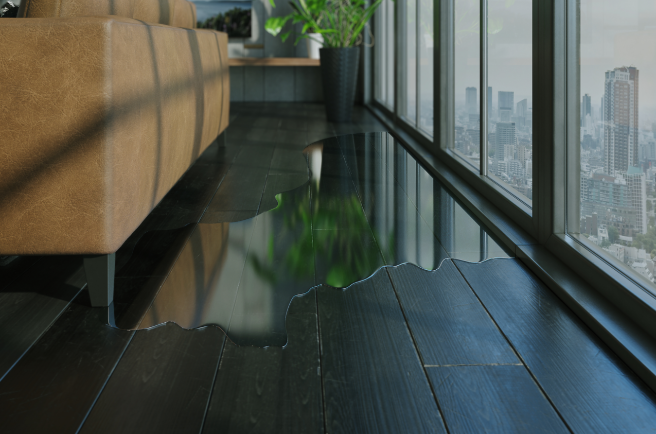
How to Dry Out Your Home Faster After a Flood
Flooding can turn your home upside down in a matter of hours. Whether it’s from a burst pipe, a storm, or a rising river, the aftermath is overwhelming. But once the water recedes, the real work begins. Drying out your home quickly is essential—not just for comfort, but to prevent mold, structural damage, and long-term health risks. Here’s how to speed up the drying process and get your home back on track.
Flooding can turn your home upside down in a matter of hours. Whether it’s from a burst pipe, a storm, or a rising river, the aftermath is overwhelming. But once the water recedes, the real work begins. Drying out your home quickly is essential—not just for comfort, but to prevent mold, structural damage, and long-term health risks. Here’s how to speed up the drying process and get your home back on track.
Start by Removing Standing Water Immediately
The first step is to get rid of any standing water. The longer it sits, the more damage it causes. If the flooding is minor, you can use wet vacs, buckets, or mops to remove water manually. For deeper flooding, consider renting a sump pump or calling in professionals. Time is critical here. Every hour counts when it comes to preventing mold growth and wood rot. Once the bulk of the water is gone, you’ll be able to assess the damage and move on to drying out surfaces.
Improve Airflow Throughout the House
Airflow is your best friend during the drying process. Open all windows and doors to let fresh air circulate. Use fans—especially high-powered ones—to push moist air out and bring dry air in. Position fans strategically to create cross-ventilation. If your HVAC system is safe to use, turn it on to help regulate humidity. Ceiling fans, box fans, and even bathroom exhaust fans can help move air around. The goal is to keep air moving constantly so moisture doesn’t settle into walls, floors, or furniture.
Use Dehumidifiers to Pull Moisture from the Air
Even after the visible water is gone, moisture lingers in the air and inside materials. Dehumidifiers are essential for drawing out this hidden dampness. Place them in the most affected rooms and let them run continuously. If possible, use commercial-grade dehumidifiers—they’re more powerful and can handle larger spaces. Keep doors closed in rooms with dehumidifiers to concentrate their effect. Monitor humidity levels with a hygrometer and aim to keep them below 50%. This helps prevent mold and speeds up drying.
Remove Wet Materials and Damaged Items Quickly
Wet carpets, rugs, insulation, and drywall act like sponges. They hold moisture and slow down the drying process. Remove and discard anything that can’t be salvaged. This includes soaked furniture, mattresses, and paper goods. If you’re unsure whether something is worth saving, err on the side of caution. Mold can start growing within 24 to 48 hours. The sooner you clear out wet materials, the faster the space can dry. Be sure to wear protective gear when handling contaminated items.
Clean and Disinfect All Surfaces Thoroughly
Floodwater often contains bacteria, chemicals, and other contaminants. Once the area is dry, cleaning and disinfecting are a must. Use a mixture of water and bleach or commercial disinfectants to scrub walls, floors, and hard surfaces. Pay special attention to kitchens, bathrooms, and any areas where children or pets spend time. Disinfecting not only removes germs but also helps eliminate odors. After cleaning, continue to ventilate the space to help surfaces dry completely.
Call in Professionals When Needed
Sometimes, the damage is too extensive to handle alone. That’s when water damage mitigation services from professionals, like Disaster Recovery Pros, become invaluable. Experts have specialized equipment and training to dry out homes quickly and safely. They can assess structural damage, detect hidden moisture, and prevent mold before it starts. Hiring experts can also help with insurance claims and documentation. Their experience can save you time, reduce stress, and ensure your home is restored properly from the start.
Monitor for Mold and Moisture After Drying
Even after your home feels dry, moisture can linger in hidden places. Keep an eye out for signs of mold—musty smells, discoloration, or peeling paint. Use moisture meters to check behind walls and under floors. If you spot mold early, you can treat it before it spreads. Continue using dehumidifiers and fans for several days after the initial drying. It’s better to over-dry than to risk lingering dampness. Staying vigilant helps protect your home and your health.
Stay Positive and Take it One Step at a Time
Recovering from a flood is never easy, but it’s possible. Focus on one task at a time and celebrate small wins—like clearing a room or restoring power. Lean on friends, neighbors, and professionals when you need support. Your home may look different now, but with time and care, it can feel like home again. Drying out is just the beginning of the recovery process, and every step forward matters.
Final Thoughts
Floods are stressful, but fast action makes a big difference. By removing water quickly, improving airflow, and using the right tools, you can dry out your home faster and prevent long-term damage. Whether you tackle it yourself or call in experts, the key is to stay proactive and hopeful. Your home can recover—and so can you.
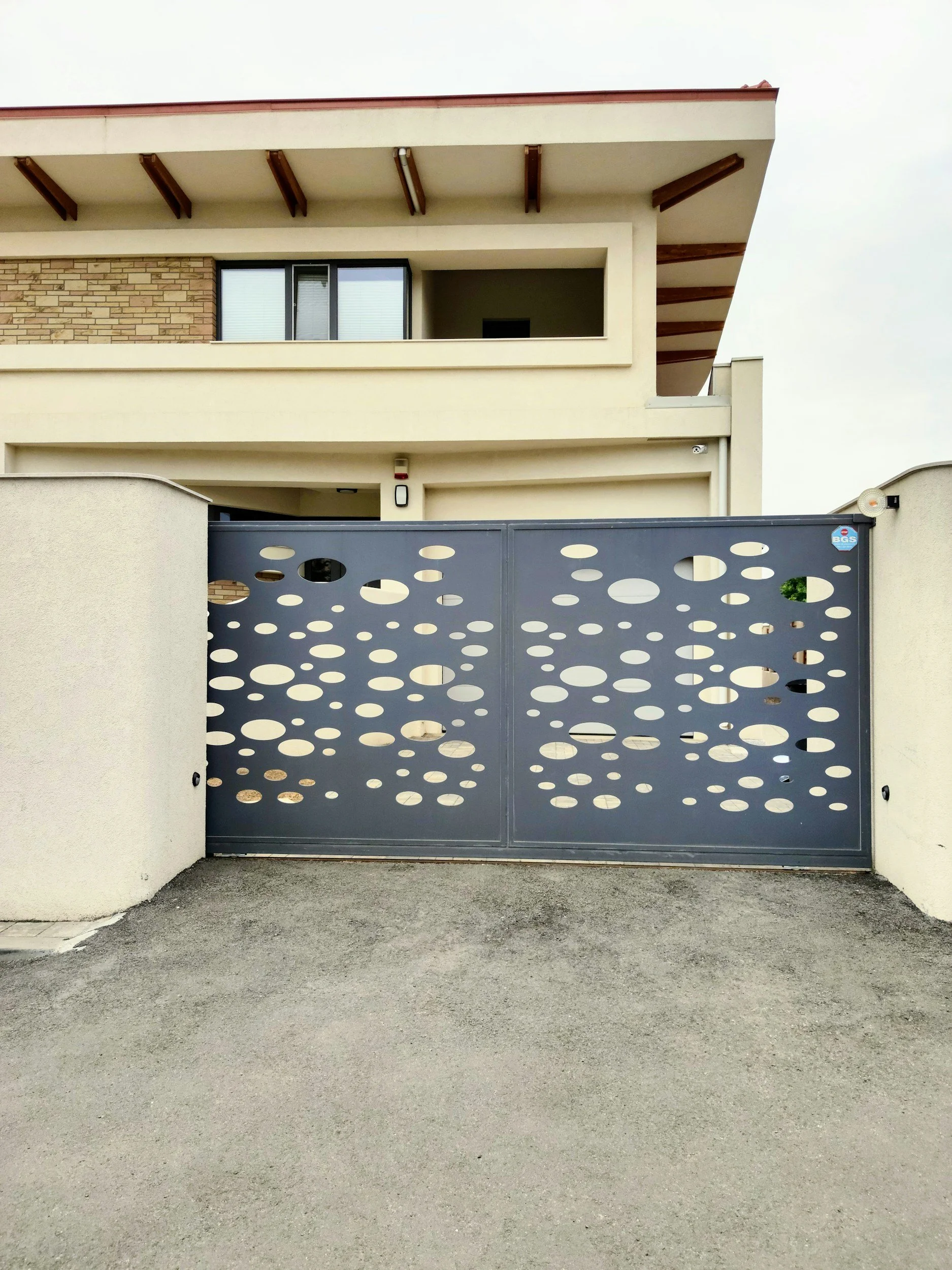
How to Feel Safer—and Actually Relax—at Home
Let’s be honest: home is supposed to be your safe place. It’s where you can drop your bag at the door, kick off your shoes, and let out that deep sigh you’ve been holding all day. But sometimes, especially in our wild world lately, even home can feel a little unsettled. Maybe the news has you on edge, or maybe your neighborhood’s gotten busier, or you’re just plain tired of that jittery feeling in the back of your mind.
We partnered with a home improvement company for this post. The opinions in the post are honest. All reviews and opinions expressed in this post are based on our personal views. We are excited because we know you will love it.
Let’s be honest: home is supposed to be your safe place. It’s where you can drop your bag at the door, kick off your shoes, and let out that deep sigh you’ve been holding all day. But sometimes, especially in our wild world lately, even home can feel a little unsettled. Maybe the news has you on edge, or maybe your neighborhood’s gotten busier, or you’re just plain tired of that jittery feeling in the back of your mind.
Been there, and you’re not alone. The good news? You don’t have to live with that low-key worry buzzing around all the time. Here are some genuinely doable ways to bring back that feeling of comfort, security, and peace, no matter where you call home.
Start With the Basics—Locks, Lights, and Good Old Common Sense
Before you start looking at high-tech solutions, just give your basics a quick check. Are your doors sturdy? Windows latch well? It’s simple, but you’d be shocked how many people (me included, guilty as charged) forget to lock the back door some nights. A quick walk-through every now and then, especially before bedtime, really does help you sleep easier.
Grab some motion-sensor lights for outside, or just switch the bulbs by your porch and back steps for brighter ones. Most folks would rather skip sneaking around a well-lit yard, and that’s the whole point.
Boundaries Matter—Literally and Emotionally
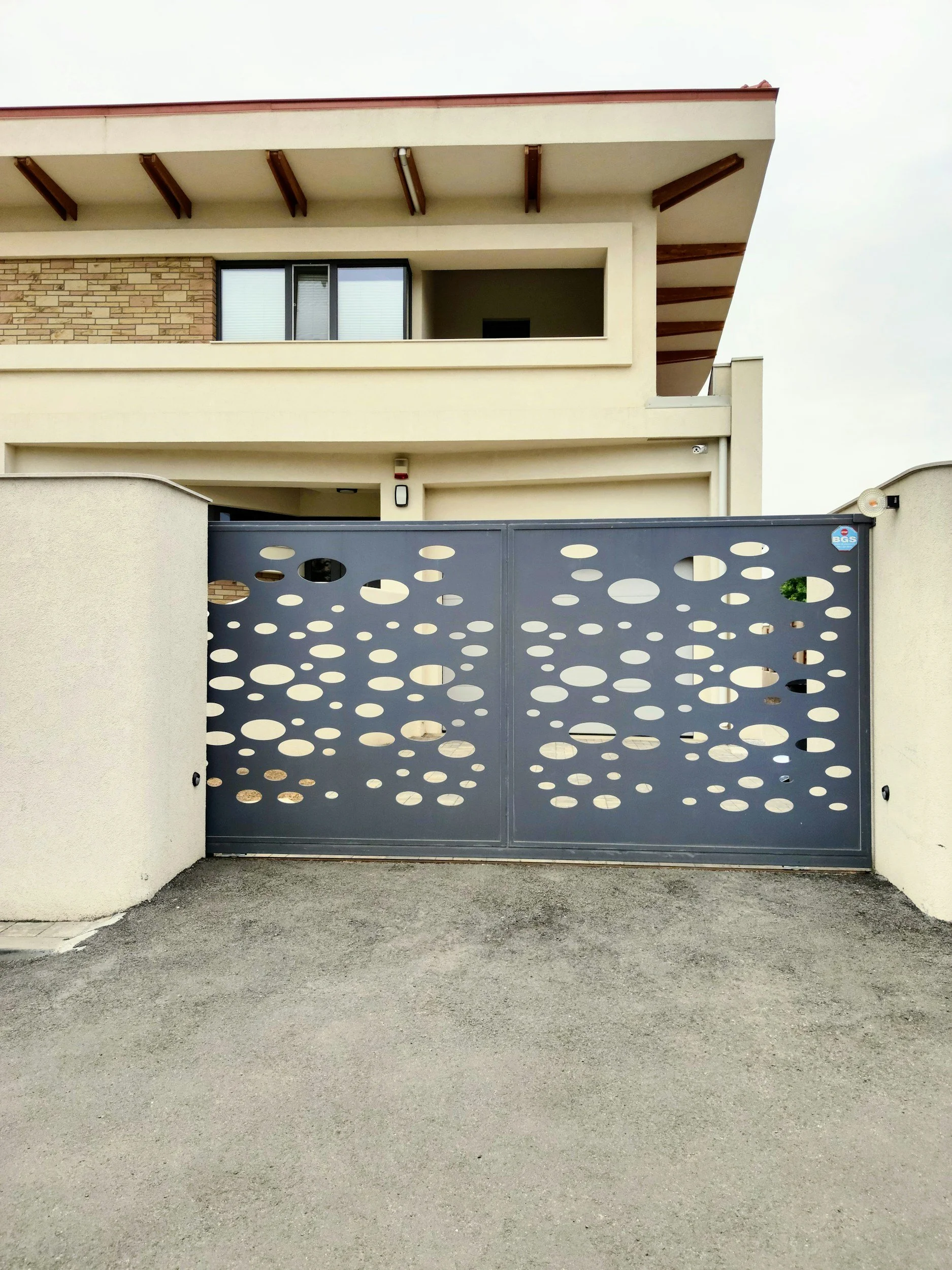
Okay, hear me out—there’s something about a fence or a gate that just makes your space feel more yours. Even in apartments or townhomes, having a little boundary, like a plant screen on your patio or a small privacy fence, changes the energy. If you’ve got a yard, consider a home gate installation to create a true sense of separation from the street. I know a family down the road who added a decorative iron gate—and not only did it boost their curb appeal, but it also made them feel way more tucked-in and relaxed.
Get Smarter With Tech (But Don’t Overcomplicate It)
Not everyone wants to turn their living room into Mission Impossible, but a simple security camera or a video doorbell adds big peace of mind. Most of these gadgets are easy to set up—no IT degree required. Watching that package from your phone or checking who’s at the door before opening up is a game-changer, especially if you live alone or work late.
And hey, don’t forget your Wi-Fi password! Keeping your network secure stops a whole other world of worries.
Create a Peaceful Vibe Inside
Once you feel protected on the outside, focus on what actually brings calm inside those walls. For me, soft lamps, comfy throws, and a playlist of whatever I’m into (sometimes it’s spa music, sometimes it’s Taylor Swift—no judgment) help shift my brain out of “what if?” mode.
Plants, scents, and even a tidy space can nudge you toward peace. Maybe it’s lighting a candle at night, or opening windows on a breezy afternoon. Little rituals matter.
Find Your Safe People and Use Your Community
Safety isn’t just cameras and locks—sometimes, it’s knowing your neighbors or having a group chat with the people next door. Just a quick “Hey, can you grab my package?” or “Did you notice anything weird last night?” makes everyone a little more aware and a lot more connected.
Remember, none of this is about living scared. It’s about doing a few thoughtful things so you get back to actually loving your home—a place where you can relax, laugh, and finally, finally breathe easy.
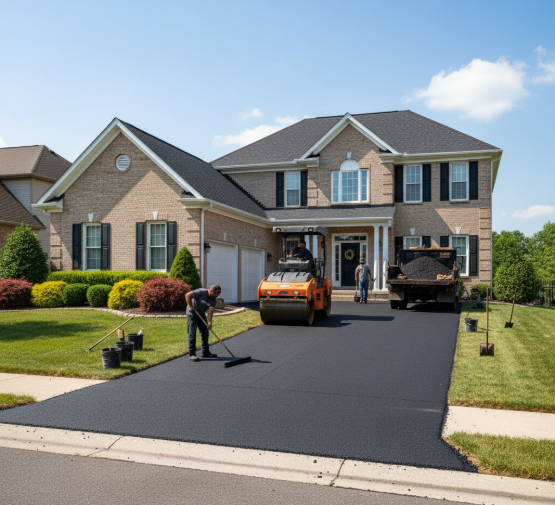
The Homeowner’s Guide to Asphalt Driveway Maintenance
When your asphalt driveway was brand new, it probably looked like something out of a home magazine - jet black, perfectly smooth, and adding instant curb appeal. Fast forward a few years, and maybe you’ve noticed a few cracks, a pothole that seems to grow every time it rains, or that faded gray look that makes the whole house feel older.
We partnered with a home improvement company for this post. The opinions in the post are honest. All reviews and opinions expressed in this post are based on our personal views. We are excited because we know you will love it.
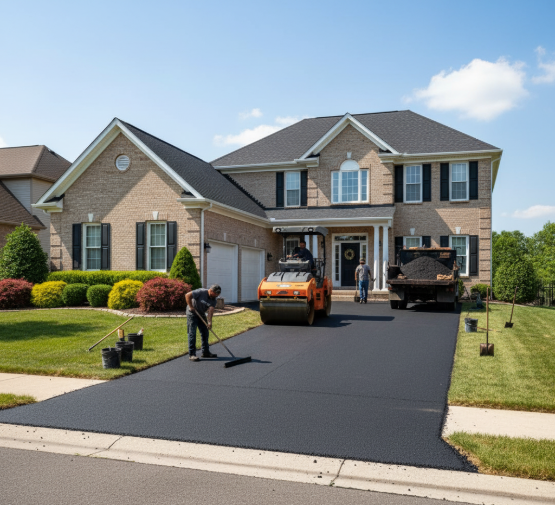
When your asphalt driveway was brand new, it probably looked like something out of a home magazine - jet black, perfectly smooth, and adding instant curb appeal. Fast forward a few years, and maybe you’ve noticed a few cracks, a pothole that seems to grow every time it rains, or that faded gray look that makes the whole house feel older.
Here’s the truth: asphalt driveways don’t stay beautiful on their own. They need a little love and care - much like your car or your lawn. The good news? With the right approach, you can keep your driveway looking sharp and lasting 20 years or more.
Why Maintenance Is Worth Your Time
Neglected asphalt breaks down faster than you’d think. Sunlight dries it out, rain seeps in and erodes the base, and oil drips from your car leave stains that never seem to fade. What starts as a small crack can quickly turn into a spiderweb of damage or a full-blown pothole.
Regular upkeep does more than save you money on repairs - it protects your home’s value, keeps your property safe, and makes pulling into your driveway every day feel good instead of frustrating.
The Essentials of Driveway Care
Think of asphalt maintenance as three main habits: cleaning, sealing, and fixing problems early.
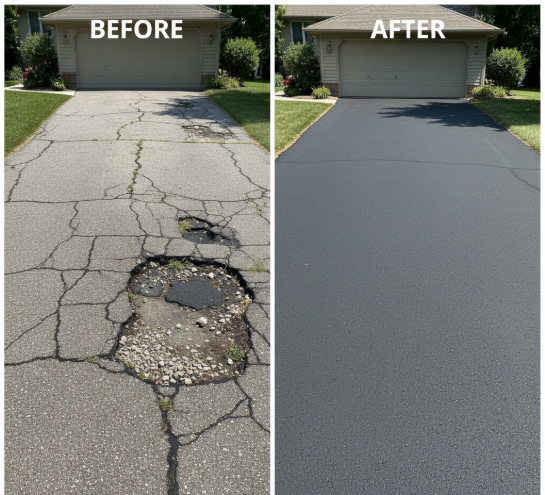
Clean and inspect. A quick sweep now and then keeps debris from collecting, while a once-a-year power wash clears out oil stains and grit. The real trick? Do a walk-around after heavy rain. If you see puddles, water’s already finding weak spots.
Sealcoat every few years. This is like sunscreen for your driveway. A fresh seal every two to three years protects the surface from UV rays, rain, and chemical spills, while restoring that rich black color. Homeowners can DIY this, but professionals get longer-lasting, more even results.
Fix small cracks before they grow. A half-inch crack may not seem like much, but once water sneaks in, it’s game over. A bottle of rubberized crack filler from the hardware store is usually enough to stop the spread. For potholes, small ones can be patched, but if the damage looks like “alligator skin,” it’s time to call in the pros.
Seasonal Driveway Tips
Every season brings its own challenges. In winter, swap metal shovels for plastic and use asphalt-friendly de-icers. Spring is the time to check for new cracks and schedule sealcoating if needed. Summer heat brings oil leaks - catch them early. And in the fall, keep leaves cleared so they don’t trap moisture.
When It’s Time to Call the Experts
DIY maintenance goes a long way, but there’s a point when professional help pays for itself. If you’ve got widespread cracking, drainage issues, or a driveway that hasn’t been sealed in more than five years, a contractor can restore structure and strength before replacement becomes the only option.
The Cost of Doing It Right
Crack filling might run you a few dollars a foot, and sealcoating usually costs pennies per square foot. Compare that to a full replacement - often between $4,000 and $10,000 - and you’ll see why maintenance is money well spent.
Wrapping It Up
Your driveway is more than just a place to park. It’s part of your home’s first impression, a safeguard against wear and tear on your vehicles, and - when cared for properly - an investment that pays off year after year. A little attention now means fewer headaches later, and it keeps your home looking every bit as sharp as the day you moved in.
So the next time you’re tempted to ignore that little crack or chalky gray surface, remember: your driveway’s not asking for much. Just a clean sweep, a fresh coat now and then, and a watchful eye. Do that, and it’ll serve you faithfully for decades.
Want to learn more? Check out of our asphalt paving services.

Why Choosing a Traditional Interior Designer in Pacific Palisades Transforms Your Home’s Value
A traditional interior designer in Palisades can instantly change how a home feels and functions. The area itself is known for its coastal charm, Mediterranean-inspired houses, and hillside estates overlooking the Pacific. Walking through these neighborhoods, you often see homes that blend timeless design with the casual elegance of Southern California living.
We partnered with a home improvement company for this post. The opinions in the post are honest. All reviews and opinions expressed in this post are based on our personal views. We are excited because we know you will love it.
Setting the Scene in Pacific Palisades

A traditional interior designer in Palisades can instantly change how a home feels and functions.
The area itself is known for its coastal charm, Mediterranean-inspired houses, and hillside estates overlooking the Pacific.
Walking through these neighborhoods, you often see homes that blend timeless design with the casual elegance of Southern California living.
Why Traditional Design Resonates Here
Traditional interiors carry a sense of permanence.
They ground a home in history while still allowing space for modern conveniences.
Think crown moldings, wood floors, built-in shelving, and layered lighting that feels warm but never overwhelming.
This design style resonates with Pacific Palisades residents who appreciate sophistication without sacrificing comfort.
For more details, explore how a traditional interior designer in Pacific Palisades can elevate your space.
Blending Old-World Craft With Coastal Influence
When people imagine “traditional,” they sometimes picture dark libraries or heavy drapes.
In Pacific Palisades, the style takes on a lighter touch.
Designers here often mix California’s sunshine-friendly materials with classic elements.
Picture a family room with exposed beams, linen slipcovered sofas, and antique side tables passed down for generations.
It feels both lived-in and curated at the same time.
Real-Life Story: A Family Estate Reimagined
I once walked into a friend’s home in the Palisades, where the living room felt stuck in the early '90s.
The bones were incredible—arched windows, a stone fireplace, and a sweeping view of the ocean.
But the furniture looked dated, and the layout wasted natural light.
A traditional designer stepped in and introduced a balanced mix of tailored upholstery, muted palettes, and layered textures.
The room went from unused to the heart of the home.
Family gatherings, holidays, even casual movie nights suddenly felt elevated.
Attention to Detail Defines Value
Small touches often determine whether a space feels intentional.
Wainscoting along a hallway, custom millwork around a fireplace, or a coffered ceiling in a dining room all add subtle luxury.
These aren’t just decorative—they increase resale appeal.
Buyers in the Palisades often look for timeless details that set a home apart.
Why It Impacts Resale Prices
Homes with carefully considered interiors sell faster and often above asking price.
A prospective buyer walking into a house with layered drapery, rich hardwood, and classic layouts immediately feels at ease.
It suggests stability, quality, and enduring style.
Even if a buyer plans to redecorate, the underlying traditional framework reassures them that the house was thoughtfully maintained.
Choosing the Right Materials
Materials play a major role in traditional interiors.
Hardwood floors in oak or walnut provide warmth and structure.
Marble countertops in kitchens or baths balance function with elegance.
Wool rugs, natural linen drapery, and iron hardware are durable yet timeless.
These finishes aren’t flashy—they’re lasting investments that speak to quality.
Color Palettes That Work Best
Traditional homes often rely on calming, neutral bases layered with richer tones.
Cream, taupe, and warm gray form a backdrop for accents like deep navy, hunter green, or burgundy.
In Pacific Palisades, designers also pull from the natural environment.
Soft blues echo the ocean, sandy beiges reflect the coastline, and leafy greens tie interiors to hillside views.
The result is cohesive, sophisticated, and inviting.
Lighting That Shapes Atmosphere
Lighting is one of the most underestimated tools in traditional design.
Instead of relying solely on recessed ceiling lights, designers use layers.
A chandelier over a dining table sets a focal point.
Sconces along a hallway create rhythm and softness.
Table and floor lamps add intimacy.
In one Palisades home, I saw how adding a crystal chandelier above the entry staircase completely shifted the mood.
Guests immediately sensed elegance the moment they stepped inside.
First-Hand Experience: The Dining Room That Brought People Back Together
A neighbor once shared that her family rarely ate meals in their dining room.
The space felt too formal and disconnected from the rest of the house.
A traditional designer reimagined the room with a sturdy oak table, soft upholstered chairs, and sconces that created warm lighting.
Suddenly, Sunday dinners became a weekly tradition.
The family credits the redesign for restoring a sense of togetherness.
Common Mistakes Without a Designer
Many homeowners try to take on redesigns themselves but often fall into pitfalls.
They might buy oversized furniture that overwhelms a room.
Others lean too heavily into trends, leaving spaces that feel outdated within a few years.
Another mistake is skimping on craftsmanship—choosing cheaper finishes that wear out quickly.
Traditional designers prevent these issues by balancing scale, quality, and timeless choices.
Mixing Traditional With Modern Living
One misconception is that traditional design means giving up on technology or contemporary convenience.
In practice, designers in Pacific Palisades integrate smart-home systems seamlessly.
A hidden media cabinet, motorized window treatments, or discreet charging stations sit comfortably within a traditional aesthetic.
The beauty lies in not seeing the tech, but feeling its benefits daily.
Craftsmanship Matters More Than Trends
Trends come and go quickly in interior design.
Traditional interiors, however, rely on craftsmanship.
Quality woodwork, hand-tied upholstery, and natural stone floors hold up through decades.
Instead of chasing colors that may feel outdated in two years, the focus is on timeless materials.
Creating a Sense of Belonging
Pacific Palisades has a strong community vibe.
Traditional interiors reinforce that by creating spaces that welcome guests and family alike.
A gracious entryway, a cozy den, or a kitchen with an oversized island invites people to gather.
These spaces aren’t just beautiful—they’re lived in and loved.
Emotional Connection Adds Long-Term Value
Design isn’t only about resale numbers.
It’s also about how you feel walking into your own home.
A traditional interior fosters calm, stability, and pride.
Homeowners often say they feel more grounded after their redesign.
That emotional connection translates into staying longer in the home and enjoying it more fully.
Why Pacific Palisades Homes Deserve This Approach
Given the mix of oceanfront estates, hillside retreats, and family-centered neighborhoods, the Palisades is uniquely suited for traditional design.
The architecture often has Mediterranean or Cape Cod influences that pair naturally with classic interiors.
When executed well, the style enhances not only the home itself but also its connection to the community.
Final Thoughts
Choosing a traditional designer in Pacific Palisades isn’t about recreating a museum.
It’s about weaving craftsmanship, comfort, and timeless beauty into spaces where real life unfolds.
From raising children to hosting neighbors, these homes tell stories across generations.
That’s the true value—design that honors the past, enriches the present, and raises the appeal of a property for the future.

