

A resource for those seeking information on organizing and transforming spaces.

The Hidden Water Pathways That Spark Home Flooding
Flooding rarely begins where it is visible. Beneath lawns, walls, and driveways, water follows quiet routes that most homeowners never notice until it is too late. These hidden pathways, shaped by soil type, foundation slope, and home design, determine how well a property sheds or traps moisture.
Flooding rarely begins where it is visible. Beneath lawns, walls, and driveways, water follows quiet routes that most homeowners never notice until it is too late. These hidden pathways, shaped by soil type, foundation slope, and home design, determine how well a property sheds or traps moisture.
The Role of Groundwater Movement
Rain does not always soak evenly into the ground. Once the top layer becomes saturated, water starts to move sideways along compacted soil, buried debris, or old construction trenches. This movement can push moisture toward basements and crawl spaces, even if surface drainage looks fine. Over time, hydrostatic pressure builds against foundation walls, seeping through cracks and joints that seem harmless from the inside.
Roof Runoff and Yard Grading
Improper grading is a common cause of interior flooding. If the soil around a house settles and slopes toward the foundation instead of away, every storm sends runoff directly to the structure. Combine that with clogged gutters or short downspouts, and you have a situation that quietly worsens over time. Roof runoff can move down exterior walls, pool near windows, and leak through basement window wells. For those seeking extra protection, learning how to install window well covers can prevent rainfall and debris from collecting against the glass.
Subsurface Plumbing and Utility Trenches
Older homes often hide forgotten pipes, utility lines, or previous drainage systems that create artificial water channels underground. These voids act like conduits, drawing water from distant parts of a yard toward the house. Even newer properties can develop similar issues if construction disturbed natural drainage layers.
Spotting trouble early is easier than most expect. Look for soil erosion near downspouts, water stains along basement walls, or musty odors after heavy rain. Small adjustments such as extending downspouts, reshaping soil grades, and sealing foundation cracks can redirect water before it becomes a serious problem. Hidden water pathways will always exist, but careful maintenance keeps them from turning a small seep into a costly flood. To learn more, check out the infographic below.


Risks of Allowing Unauthorized Occupants in a Rental Home
As a landlord, it can be frustrating to discover unwanted occupants in your rental property after going through the hassle of advertising, thoroughly screening renters, and signing leasing paperwork. Unfortunately, this is a common problem, and even while they might not be creating issues immediately, this could develop into a long-term concern.
We partnered with a consulting company for this post. The opinions in the post are honest. All reviews and opinions expressed in this post are based on our personal views. We are excited because we know you will love it.
As a landlord, it can be frustrating to discover unwanted occupants in your rental property after going through the hassle of advertising, thoroughly screening renters, and signing leasing paperwork. Unfortunately, this is a common problem, and even while they might not be creating issues immediately, this could develop into a long-term concern.
That’s why it’s important to know who is a renter, who is a guest, and who is an unauthorized occupant. Also, being aware of your rights as a landlord can go a long way. Continue reading as this guide explores who unauthorized tenants are and the risks of accommodating them.
What is an Unauthorized Occupant?
In the absence of a lease, adults who occupy the property without a permit are considered unlawful occupants. If they have moved in or are staying longer than is allowed by your lease terms, they are no longer considered a visitor.
The legally valid lease arrangement between you and your renter does not include unauthorized occupants, nor do they have any legal right to be on the property. Although they could have been permitted to visit the property, their prolonged presence makes them unauthorized occupants. There is often a two-week maximum for visitor stays, though this will vary depending on the state, locality, and lease agreement.
Difference between Guests and Unauthorized Occupants
The primary distinction between an unauthorized occupant and a guest is that they moved into or stayed in your space for any period of time without being invited to do so. In this situation, a written agreement between the landlord and unauthorized residents is typically lacking. They are not covered by the lease even though they reside in the rented property.
A guest may be establishing residency if they stay overnight frequently, especially after the period stipulated in the lease agreement. In Florida, for example, a visitor who stays for more than 14 days in a six-month period or seven consecutive nights is often considered a renter. Additionally, it's a clear sign that a visitor has established residency when they begin to receive mail or shipments at your house. There is often an official link between the address and this activity.
Unauthorized occupants do not have permission to occupy the premises under the lease, do not owe the landlord rent, and usually did not sign the lease agreeing to the lease term. This can be problematic in cases of nonpayment of rent, causing damage to property, or not following the lease rules. It can also become a challenge if you need to evict them, as they may start to refuse or claim you cannot evict them.
Landlords must keep a keen eye out for unlawful residents. They should keep an eye out for indicators such as increased utility costs or an increase in the number of cars parked outside. Finding any changes in the occupants of the property can also be facilitated by conducting routine inspections. Bay Property Management Group Austin Texas can facilitate the proper process for adding occupants. It is beneficial to establish explicit guidelines in the lease regarding the duration and frequency of guest visits to prevent confusion.
Risks of Allowing Unauthorized Occupants in a Rental Home
1. Unpaid Rent
The unauthorized occupier may remain in the flat if the renter stops making rent payments or even moves out. This kind of potential tenant can be difficult, costly, and time-consuming to evict. As a result, during the eviction process, landlords will continue to incur financial losses. You increase your chances of finding yourself in this kind of predicament by letting an unlawful tenant remain on the property.
2. Lease Violations
Regarding leases, you should be concerned about more than just the possibility of damages. The terms of the lease have not been viewed or accepted by unauthorized occupiers. Even if your tenant requests it, they are not legally obligated to follow such guidelines. The issues they create could be as basic as parking infractions. It's not a big deal, but your other tenants will still find it annoying.
Furthermore, their presence can be a complete violation of the lease. Is there a provision in your lease prohibiting long-term guests or subleases? If so, this unapproved occupant most likely violates the terms of the lease.
3. Potential Damage to Property
It might be challenging to hold the unauthorized occupant responsible if they cause any damage to the property. Legal tenants are responsible for the behavior of their guests, and any damage that exceeds the security deposit may typically be covered by a tenant's renters' insurance. However, it could be challenging to hold various kinds of unlawful tenants accountable.
Final Thoughts
Making the regulations clear in the lease is the most important thing to keep in mind during the entire process of dealing with unauthorized tenants. Learn about the laws and regulations in your area pertaining to tenant guest policies.
On the owner's side, property managers offer additional expertise in developing legal procedures, vetting candidates, and enforcing regulations. Hiring a qualified property management team is also an effective technique for dealing with unauthorized tenants, excessive visitors, or legitimate tenants, protecting your investment as well.

Easy Ways to Make Your Garden More Productive
Transform your home with these easy ways to make your garden more productive. Learn soil health, efficient watering, and more ways to boost your harvest.

Every gardener dreams of a thriving, abundant garden that produces more with less effort. The good news? Easy ways to make your garden more productive don't require expensive equipment or years of experience.
With a few strategic changes, you can boost your harvest and create a space that works harder for you. Explore three game-changing approaches that'll transform your outdoor space.
Build Foundation-Strong Soil Health
Your soil acts as the foundation for everything that grows above it. Poor soil means struggling plants, no matter how much you water or fertilize them.
Start with a simple soil test to understand what you're working with. Most garden centers sell affordable test kits that reveal pH levels and nutrient content.
Armed with this knowledge, you can add exactly what your soil needs.
Compost remains one of the most powerful tools in your gardening arsenal. Mix kitchen scraps, fallen leaves, and grass clippings to create nutrient-rich gold for your plants.
Even a small compost bin can dramatically improve your soil structure and fertility over time.
Don't forget about mulch around your plants. Organic materials like straw or shredded leaves retain moisture, suppress weeds, and slowly break down to feed your soil.
It's like giving your garden a nutritious blanket that works around the clock.
Master Water Efficiency Techniques
Smart watering can double your garden's output without doubling your water bill.
Most gardeners water too frequently and too shallowly, which creates weak root systems. Deep, infrequent watering encourages roots to grow down rather than spread across the surface.
Water your plants thoroughly once or twice a week instead of light daily sprinkles.
Your plants will develop stronger root systems that can access water during dry spells. Consider drip irrigation or soaker hoses for consistent moisture delivery.
These systems put water exactly where plants need it, reducing waste and preventing fungal diseases that thrive on wet leaves.
Morning watering gives plants time to absorb moisture before the heat of the day. This timing also means less water loss to evaporation, so more of your effort reaches the roots.
Harness Companion Planting Power
Strategic plant partnerships can boost your harvest while reducing pest problems naturally. Some plants work together like best friends, supporting each other's growth and health.
Plant basil near your tomatoes to improve their flavor and repel harmful insects. The aromatic herbs create a natural pest barrier while taking up minimal space. Marigolds scattered throughout your vegetable beds deter nematodes and other soil-dwelling pests.
Lettuce and other leafy greens thrive in the partial shade created by taller plants like peppers or eggplants. This vertical layering approach helps you grow more food in the same square footage.
Don’t forget about cross-pollination. For example, the role cross-pollination plays in nut tree production is critical because it encourages hefty harvests.
Enjoy the Rewards of Smart Gardening
These easy ways to make your garden more productive work together to create a thriving ecosystem that practically runs itself. Better soil feeds stronger plants, efficient watering systems save time and resources, and companion planting creates natural balance.
Start with one technique that appeals to you most, then gradually incorporate the others. You’ll be happy you did when you're harvesting armloads of fresh produce from a garden that works as hard as you do.
The Best Places in Your Home To Install Porcelain Tile
If you’ve been considering a home refresh, it’s time to get serious about porcelain tile. Here are some of the best places to install it in your home.
Porcelain tile offers durability, style, and easy maintenance—three things every busy mom appreciates. You want flooring that looks great but doesn’t demand constant attention between school pickups and weekend activities.
Porcelain tile handles spills, scratches, and heavy foot traffic better than most other flooring options. It’s water-resistant, stain-resistant, and comes in countless designs that mimic everything from hardwood to natural stone. Let’s explore the best places in your home to install porcelain tile.
Kitchens: The Heart of Family Life
Your kitchen sees constant action. Kids grab snacks, you prep dinner while helping with homework, and weekend cooking projects can get messy. Porcelain tile handles all this beautifully.
The nonporous surface resists stains from spilled juice, dropped spaghetti sauce, and muddy shoes. Unlike natural stone, porcelain doesn’t require sealing every few years. A simple sweep and mop keep it looking fresh.
Choose larger format tiles—12 by 24 inches or bigger—to minimize grout lines, which makes cleaning even easier. Textured surfaces provide slip resistance when little hands carry drinks across the floor.
Bathrooms: Moisture and Style Combined
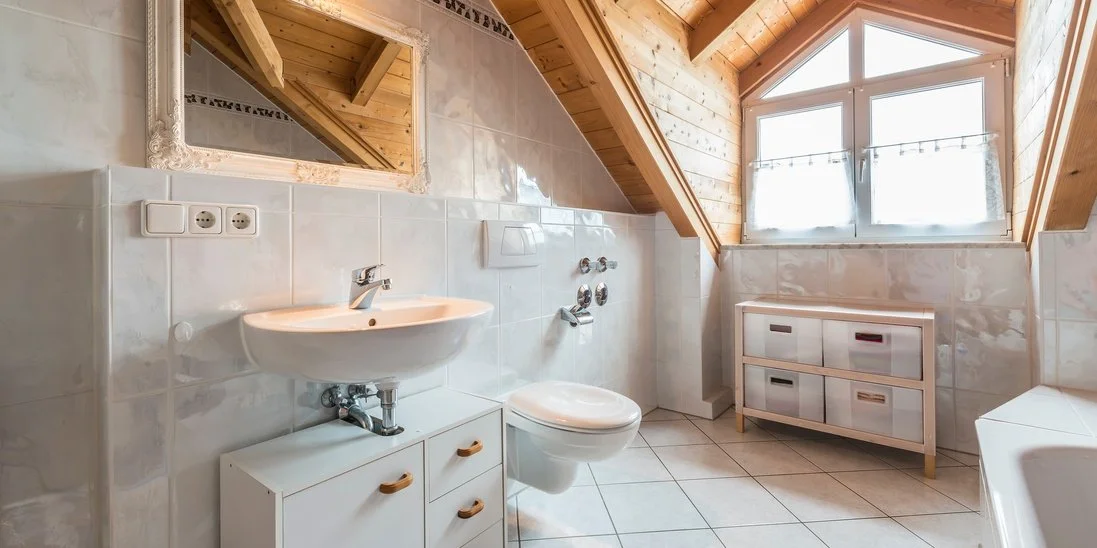
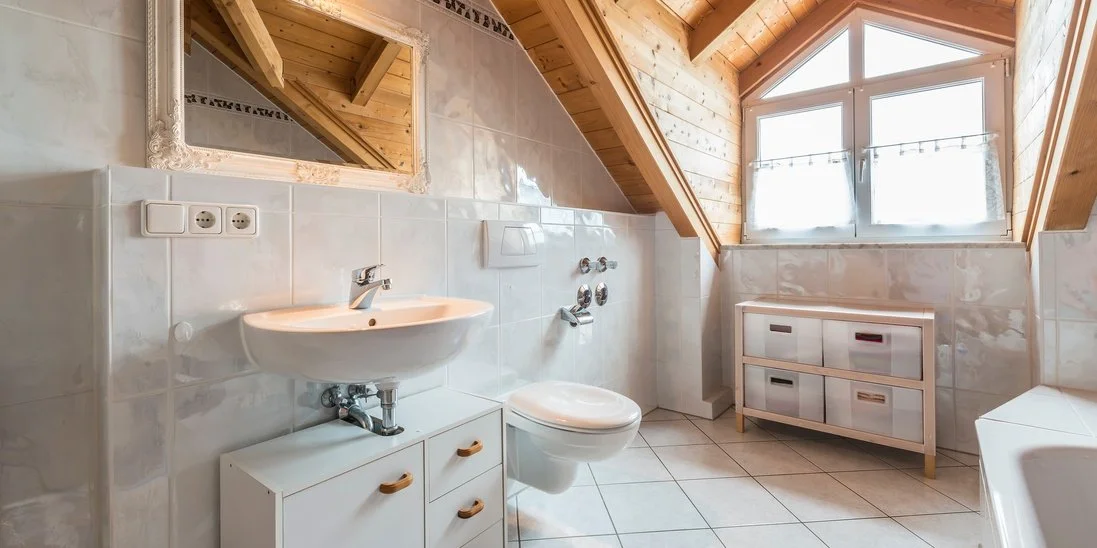
Bathrooms present unique challenges with humidity, water splashes, and frequent cleaning. Porcelain tiles excel here because they absorb less than 0.5 percent of water, making it virtually waterproof.
Install porcelain on floors and walls for a more cohesive look. Subway-style porcelain tiles create timeless appeal, while large format options make small bathrooms appear larger. The grout lines stay cleaner than with ceramic alternatives, reducing your scrubbing time.
Entryways and Mudrooms: First Line of Defense
These high-traffic areas take a beating from shoes, backpacks, sports equipment, and weather. Porcelain tile’s hardness rating makes it nearly impossible to chip or crack under normal use.
Consider these practical features for busy entryways:
Slip-resistant textures for wet conditions
Darker colors or patterns that hide dirt
Easy-to-clean surfaces that handle daily mopping
Durable construction that withstands dropped items
When you invest in quality porcelain tiles from a reputable supplier, you’ll notice the difference in appearance and longevity, especially in these demanding spaces.
Laundry Rooms: Function Meets Practicality
Laundry rooms need flooring that handles detergent spills, wet clothes, and frequent washing machine use. Porcelain’s chemical resistance means household cleaners won’t damage the surface.
The smooth finish prevents lint and dust from settling into tiny crevices, unlike textured flooring options. This keeps your laundry area cleaner with minimal effort.
Living Areas: Comfort and Durability
Modern porcelain tiles convincingly replicate hardwood, creating warm, inviting spaces without wood’s maintenance requirements. Your family can play games on the floor, pets can’t scratch the surface, and spilled drinks wipe up instantly.
Large format planks minimize visual interruption while providing the comfort of consistent temperatures year-round. Unlike hardwood, porcelain won’t expand, contract, or show wear patterns in high-traffic paths.
Basements: Moisture Control Below Ground
Basement moisture challenges defeat many flooring options, but porcelain tile thrives in these conditions. Its imperviousness prevents mold and mildew growth underneath, protecting your family’s health.
Porcelain also maintains stable temperatures, making finished basements more comfortable for kids’ play areas or home offices.
Installing porcelain tile in your home requires professional expertise, but the long-term benefits outweigh initial costs. You’ll spend less time cleaning, fewer weekends on maintenance, and more time with your family.

