

A resource for those seeking information on organizing and transforming spaces.

5 Beautiful Ways to Showcase Your Art Pieces at Home
Art has the power to transform a house into a home. The way you display your pieces can highlight their beauty while also reflecting your personality and style. If you own a few cherished paintings, the right presentation can make all the difference.
Art has the power to transform a house into a home. The way you display your pieces can highlight their beauty while also reflecting your personality and style. If you own a few cherished paintings, the right presentation can make all the difference.
Here are five beautiful and practical ways to showcase your art pieces at home.
Create a Gallery Wall for Impact
A gallery wall is one of the most striking ways to display art in your home. By grouping several pieces together, you create a focal point that immediately draws attention. The key is to balance variety with cohesion. Mix different sizes and frames, but keep a consistent theme or color palette to avoid visual clutter.
This approach works well in living rooms, hallways, or staircases where guests naturally pause and look around. A gallery wall also allows you to tell a story with your collection, whether it’s family portraits, abstract paintings, or travel photography. With careful arrangement, your wall becomes a personal museum that evolves as your collection grows.
Use Lighting to Elevate Each Piece
Lighting can completely change how art is perceived. A painting under poor lighting may look flat, while the right spotlight can bring out its depth and texture. Consider installing track lighting or adjustable wall-mounted fixtures to highlight specific pieces. Natural light can also enhance artwork, but be mindful of direct sunlight, which may cause fading over time.
For sculptures or three-dimensional pieces, soft ambient lighting can create dramatic shadows that add dimension. Investing in good lighting not only elevates your art but also enhances the overall atmosphere of your home. It’s a subtle yet powerful way to make your collection shine.
Incorporate Art into Everyday Spaces
Art doesn’t have to be confined to formal areas like living rooms or entryways. Incorporating pieces into everyday spaces makes your home feel more personal and inspiring. A small painting in the kitchen, a sculpture in the bathroom, or framed prints in the bedroom can bring unexpected joy. These placements remind you that art is not just for display but for daily enjoyment.
When choosing art for functional spaces, consider durability and scale. For example, moisture-resistant frames work well in bathrooms, while smaller pieces fit perfectly in cozy corners. By weaving art into your daily life, you create a home that feels both beautiful and lived-in.
Invest in Professional Installation
Sometimes, the best way to showcase art is to let professionals handle the installation. Large or valuable pieces often require secure mounting to ensure safety and longevity. Professional services specializing in residential art installation can help you position each piece for maximum impact while protecting your walls and artwork.
They also understand how to balance scale, spacing, and alignment, which can be challenging to achieve on your own. This option is especially useful for homeowners with extensive collections or oversized works that demand precision. By trusting experts, you not only safeguard your investment but also ensure that your art is displayed in the most flattering way possible.
Rotate Your Collection for Freshness
One of the joys of owning art is the ability to change how it’s displayed. Rotating your collection keeps your home feeling fresh and dynamic. You might highlight certain pieces during different seasons or swap artwork between rooms to create new moods.
This approach also prevents visual fatigue, as even the most beloved piece can lose its impact if it’s always in the same spot. Rotating art encourages you to engage with your collection more actively, appreciating each piece anew. It’s a flexible and creative way to keep your home environment inspiring without needing to constantly purchase new works.
Conclusion
Showcasing art at home is about more than decoration—it’s about creating an environment that reflects your taste and enhances your daily life. From gallery walls and lighting to professional installation and rotation, each method offers a unique way to highlight your collection.
By thoughtfully displaying your pieces, you transform your home into a space that celebrates creativity and beauty every day.
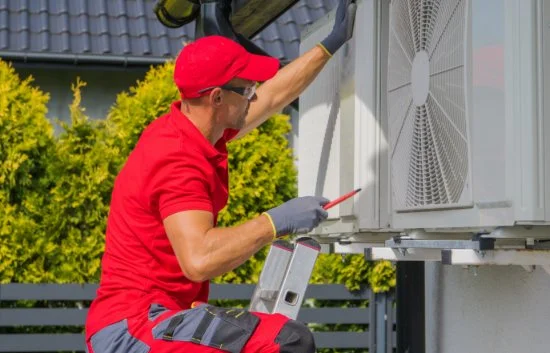
The HVAC Basics Made Simple
Your home's HVAC system works quietly in the background to keep you comfortable and ensure the air you breathe is clean. Understanding how these systems work affects your health, energy bills, and how long your equipment lasts. While homeowners can handle some basic tasks, professional expertise is essential for safety and efficiency—attempting DIY repairs on gas furnaces, refrigerant systems, or electrical components can be dangerous and expensive. This guide explains the four key parts of HVAC—heating, air conditioning, ventilation, and controls—and why professional maintenance matters.
Your home's HVAC system works quietly in the background to keep you comfortable and ensure the air you breathe is clean. Understanding how these systems work affects your health, energy bills, and how long your equipment lasts. While homeowners can handle some basic tasks, professional expertise is essential for safety and efficiency—attempting DIY repairs on gas furnaces, refrigerant systems, or electrical components can be dangerous and expensive. This guide explains the four key parts of HVAC—heating, air conditioning, ventilation, and controls—and why professional maintenance matters.
Heating
Heating systems keep your home warm during cold months. Whether you have a furnace, boiler, or heat pump, they all do the same job: distribute warmth safely and efficiently throughout your living space. Furnaces heat air and push it through ducts. Boilers heat water that flows through radiators or radiant floors. Heat pumps pull heat from outside air (even when it's cold) to warm your home.
Common heating problems tell you it's time to call a professional. Uneven heating—some rooms are too hot while others stay cold—usually means ductwork issues, failing parts, or the wrong system size. Strange noises like banging, squealing, or rumbling signal mechanical problems that could cause complete failure. Rising energy bills without using more heat means your system is working harder because something's wrong.
Professional HVAC technicians, such as those from McIntosh Heating & Cooling, provide services that go far beyond what homeowners can safely do. During inspections, they check heat exchangers for cracks that could leak deadly carbon monoxide into your home. They clean burners to ensure proper combustion, check electrical connections for fire hazards, test safety controls, and make sure your system runs efficiently. Gas furnaces need especially careful attention because of the serious risks from gas leaks and incomplete combustion.
Regular professional maintenance pays off in multiple ways. Efficient systems use less energy and lower your utility bills. Safety inspections catch problems before they become emergencies, protecting your family from carbon monoxide or fires. Proper care helps equipment last longer—a well-maintained furnace can run 15-20 years, while a neglected one might fail in half that time. Annual maintenance costs much less than emergency repairs or early replacement.
Air Conditioning
Air conditioning does more than cool your home. It controls humidity, filters air, and creates comfortable conditions during hot weather. Central AC systems remove heat from indoor air and move it outside using compressors, condensers, evaporator coils, and refrigerant.
Common AC problems reduce comfort and waste money. Refrigerant leaks decrease cooling power and can damage your compressor, leading to expensive repairs. Frozen evaporator coils—often from blocked airflow or low refrigerant—prevent proper cooling and harm the system. Poor airflow from dirty filters, blocked vents, or failing blower motors makes your system work harder while cooling less.
Professional air conditioning services fix these issues systematically. Technicians check refrigerant levels and repair leaks using special equipment—handling refrigerant requires EPA certification because of environmental laws. They clean evaporator and condenser coils, removing dirt that blocks heat transfer. Compressor testing finds problems before major failure happens. Seasonal tune-ups before summer ensure your system works when you need it most, preventing breakdowns during heat waves when HVAC companies are swamped with emergency calls.
Expert care prevents expensive breakdowns by catching problems early. A small refrigerant leak found during maintenance costs far less than replacing a compressor ruined by running with too little refrigerant. Clean coils and proper airflow improve efficiency, cutting energy costs while boosting comfort. Professional service also keeps manufacturer warranties valid—most require documented professional maintenance.
Ventilation
Heating and cooling get the most attention, but ventilation is crucial for air quality and system efficiency. Ductwork moves conditioned air throughout your home. Proper airflow creates even temperatures and filters out contaminants. Poor ventilation causes health problems, discomfort, and wasted energy.
Ventilation issues develop slowly, making them easy to ignore. Duct leaks waste conditioned air—studies show typical duct systems lose 20-30% of air through leaks and holes. That's like leaving windows open while running your HVAC. Blockages from debris, collapsed ducts, or closed dampers restrict airflow to certain rooms. Dust buildup inside ducts spreads allergens and particles throughout your home. Mold growth in ductwork—often from moisture—poses serious health risks, especially for people with allergies or breathing problems.
Professional ventilation solutions fix these problems thoroughly. Air duct cleaning removes dust, debris, and contaminants using equipment that homeowners don't have access to. Duct sealing finds and repairs leaks using special sealant or metal tape—never regular duct tape, which fails quickly. Proper insulation on ducts in attics or crawl spaces prevents energy loss. Airflow balancing adjusts dampers and settings to ensure even distribution throughout your home.
Proper ventilation delivers real benefits. Clean, sealed ductwork reduces allergen circulation, helping family members with asthma or allergies. Fixing duct leaks improves energy efficiency by 20% or more, cutting utility bills. Better airflow means consistent temperatures and improved comfort in every room.
Control & Regulation
Modern HVAC systems use sophisticated controls to maintain comfort efficiently. Thermostats, sensors, and zoning systems work together to regulate temperature, manage energy use, and customize comfort for different areas. These controls are the "brains" of your system—problems here affect everything else.
Common control problems include inaccurate temperature readings from poorly placed or broken thermostats, making your system run too much or too little. Old manual thermostats can't be programmed, so your system runs unnecessarily when you're away or sleeping. Poor zoning in large homes creates hot and cold spots, wasting energy trying to heat or cool the whole house for one uncomfortable room.
Professional control upgrades change how your HVAC system operates. Smart thermostats like Nest, Ecobee, or Honeywell let you schedule temperatures, control from your phone, and use learning algorithms that optimize comfort automatically. These can cut heating and cooling costs by 10-23%. Calibrating sensors ensures accurate readings that trigger the right responses. Optimizing zoning systems with multiple thermostats and dampers allows different temperatures in different areas, ending thermostat battles while reducing waste.
Benefits include precise temperature control without constant adjustments, lower energy bills through smart programming and zoning, and convenient features like remote access and voice control through smart home systems.
Choosing the Right Professional
Not all HVAC contractors provide the same quality. Look for specific credentials:
Valid licensing shows they meet state requirements for HVAC work
NATE certification proves technicians passed tough competency exams
Experience provides practical knowledge formal training can't teach
Insurance protects you from liability if accidents happen
Service contracts and regular check-ups provide peace of mind and save money. Annual or twice-yearly maintenance agreements ensure your system gets professional attention before problems develop, often at discounted rates. Many include priority scheduling and repair discounts.
Before hiring an HVAC technician, ask:
Are you licensed and insured?
Do your technicians have NATE certification?
What does your maintenance service include?
Do you offer service contracts?
Can you provide local customer references?
What are your emergency service policies and rates?
These questions reveal professionalism and help you make smart decisions.
Understanding heating, air conditioning, ventilation, and controls helps you see why professional HVAC care matters for safety, efficiency, and comfort. Homeowners can change filters, but professionals bring the technical expertise and specialized tools needed to maintain these complex systems properly. Schedule regular maintenance instead of waiting for breakdowns—it protects your investment, lowers energy bills, extends equipment life, and keeps your home comfortable and healthy all year long.
Protecting Your Home from Water Damage
Water leaks rank among the most common yet potentially devastating problems homeowners face. What begins as a small drip or barely noticeable stain can quickly escalate into a major crisis, causing thousands of dollars in damage. The consequences extend far beyond the immediate mess—structural damage weakens your home's foundation and framing, mold growth threatens your family's health, and wasted water drives up utility bills month after month. According to insurance industry estimates, water damage accounts for nearly a quarter of all homeowner insurance claims, with the average claim exceeding $10,000. This guide helps homeowners identify, repair, and prevent leaks before they become catastrophes, protecting both your property investment and your family's well-being.
Water leaks rank among the most common yet potentially devastating problems homeowners face. What begins as a small drip or barely noticeable stain can quickly escalate into a major crisis, causing thousands of dollars in damage. The consequences extend far beyond the immediate mess—structural damage weakens your home's foundation and framing, mold growth threatens your family's health, and wasted water drives up utility bills month after month. According to insurance industry estimates, water damage accounts for nearly a quarter of all homeowner insurance claims, with the average claim exceeding $10,000. This guide helps homeowners identify, repair, and prevent leaks before they become catastrophes, protecting both your property investment and your family's well-being.
Common Types of Household Leaks
Understanding where leaks typically occur helps you monitor vulnerable areas and catch problems early.
Plumbing leaks are the most frequent culprits. Dripping faucets waste gallons daily while signaling worn washers or valve seats. Pipe joints, especially where different materials connect, develop leaks as seals deteriorate over time. Under-sink connections face constant stress from vibration and movement, making them prone to loosening or cracking. Even small plumbing leaks add up—a faucet dripping once per second wastes over 3,000 gallons annually.
Roof leaks develop from multiple sources. Damaged or missing shingles create entry points for rain and snow. Flashing—the metal strips sealing roof valleys, chimneys, and vents—cracks or separates with age and weather exposure. Clogged gutters overflow, sending water under roof edges and into walls. Ice dams in winter force water beneath shingles when melting snow refreezes at roof edges.
Appliance leaks often go unnoticed until significant damage occurs. Washing machine supply hoses deteriorate and burst without warning, releasing hundreds of gallons. Dishwashers develop leaks around door seals or from loose connections. Refrigerator water lines crack or disconnect, creating puddles behind units that damage flooring before anyone notices.
HVAC leaks typically result from condensation line blockages. Air conditioning systems generate moisture that normally drains away through condensate lines. When these lines clog with algae or debris, water backs up and overflows, damaging ceilings, walls, and floors near indoor units.
Foundation leaks threaten your home's structural integrity. Cracks in foundation walls or floors allow groundwater to seep inside, especially during heavy rain. Poor drainage around your home's perimeter directs water toward the foundation instead of away from it, creating hydrostatic pressure that forces water through any weakness.
Identifying a Leak
Early detection prevents minor problems from becoming major disasters. Watch for these warning signs throughout your home.
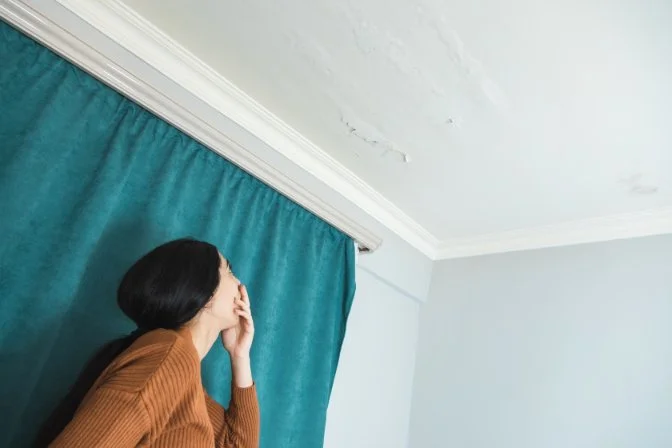
Visual indicators provide the most obvious clues. Water stains on ceilings, walls, or floors appear as discolored patches, often yellowish or brown. Peeling paint or wallpaper suggests moisture behind surfaces. Warped or buckled flooring indicates water exposure. Visible mold growth—appearing as black, green, or white spots—confirms ongoing moisture problems.
Sensory clues alert you to hidden leaks. Musty odors indicate mold growth from chronic moisture. The sound of dripping or running water when all fixtures are off signals an active leak somewhere in your plumbing system.
Monitor your water bills for unexplained increases. A sudden spike without changed usage patterns often indicates a hidden leak. Most municipalities track water usage monthly, making trends easy to spot.
Simple DIY tests help locate specific leaks. The toilet dye test involves adding food coloring to the tank—if color appears in the bowl without flushing, the flapper valve leaks. Check your water meter before and after a two-hour period when no water is used; any change indicates a leak somewhere in your system.
Immediate Steps to Take
Quick action when you discover a leak minimizes damage and reduces repair costs.
Shut off the water supply first. For localized leaks at fixtures, turn off the valve directly beneath the sink, toilet, or appliance. For major leaks or when you can't identify the source, shut off the main water valve—typically located near where the water line enters your home or at the water meter.
Contain the leak to prevent water from spreading. Place buckets under drips, use towels to soak up standing water, and apply temporary sealants like plumber's putty for very small leaks. Move furniture, electronics, and valuables away from affected areas.
Document everything for insurance claims. Photograph and video all damage before cleanup begins. Note the date, time, and circumstances of discovery. Keep receipts for emergency supplies and repairs.
Assess whether you can handle repairs yourself or need professional help. Small drips from loose connections might be DIY-friendly, but anything involving pipes inside walls, structural damage, or contaminated water requires professional expertise.
Repair Methods
Appropriate repair methods depend on the leak's location, severity, and cause.
DIY fixes work for minor problems. Tightening loose pipe fittings with a wrench often stops drips at connections. Replacing worn faucet washers requires basic tools and costs just dollars. Applying plumber's tape (Teflon tape) to threaded connections creates watertight seals. Pipe sealant works for very small cracks in accessible pipes, though it's a temporary solution.
Roof repairs address weather-related leaks. Replace damaged or missing shingles by removing old ones and nailing new shingles in place. Reseal flashing around chimneys and vents with roofing cement. Clean gutters regularly to prevent overflow. For extensive damage, professional roofers ensure proper repairs that prevent future problems.
Appliance fixes often involve simple component replacement. Washing machine hoses should be replaced every five years as preventive maintenance—burst hoses cause catastrophic flooding. Check and replace worn door seals on dishwashers. Tighten or replace refrigerator water line connections.
Professional repairs, such as those from professionals like Quality Plumbing, become necessary for complex issues. Hidden pipe leaks inside walls require specialized detection equipment and expertise to access without unnecessary demolition. Pipe replacement for corroded or damaged plumbing ensures long-term reliability. For homes with widespread corrosion, pinhole leaks, or outdated pipe materials like galvanized steel or polybutylene, repiping offers the most comprehensive solution—replacing entire sections or all of your home's plumbing system with modern materials like copper or PEX that provide decades of leak-free service. Structural waterproofing addresses foundation leaks through methods like exterior excavation, membrane installation, and drainage systems. Advanced diagnostics, utilizing thermal imaging cameras, moisture meters, and acoustic sensors, pinpoint problems invisible to homeowners.
Preventing Future Leaks
Prevention costs far less than repairs and protects your home from water damage.
Regular inspections catch problems before they cause damage. Check under sinks, around toilets, and near water heaters monthly for signs of moisture. Inspect your roof twice yearly, especially after severe weather. Examine appliance hoses and connections annually.
Seasonal maintenance addresses weather-related vulnerabilities. Clean gutters in spring and fall to prevent overflow. Check roof flashing and seals before winter. Inspect outdoor faucets and irrigation systems before freezing weather.
Install leak detection devices for early warning. Water sensors placed near water heaters, washing machines, and under sinks sound alarms when moisture appears. Smart water sensors connect to your phone, alerting you to problems even when you're away. Some systems automatically shut off water when leaks are detected.
Proper insulation prevents pipe bursts in winter. Insulate pipes in unheated areas like basements, crawl spaces, and garages. During extreme cold, let your faucets drip to prevent freezing. Know where your main water shutoff is located so you can act quickly if pipes freeze or burst.
When to Call a Professional
Certain situations require professional expertise to ensure safe, effective, long-term solutions.
Persistent or hidden leaks that you can't locate or stop need professional attention. Plumbers use specialized equipment to find leaks behind walls, under slabs, or underground without destructive guesswork.
Structural damage or mold growth exceeds DIY capabilities. Water-damaged framing, drywall, or subflooring requires proper repair to maintain structural integrity. Mold remediation needs containment procedures and specialized cleaning to prevent health hazards and ensure complete removal.
Complex systems like HVAC condensate drainage or foundation waterproofing require technical knowledge and equipment that homeowners don't possess. Attempting these repairs yourself often makes problems worse and voids warranties.
Professional benefits include long-term solutions rather than temporary fixes, warranties on parts and labor that protect your investment, and safety assurance when dealing with electrical hazards, structural issues, or contaminated water. Licensed professionals carry insurance protecting you from liability if problems occur during repairs.
Leak repair isn't something to postpone—water damage worsens rapidly, and delays multiply costs exponentially. From identifying common leak locations and recognizing warning signs to taking immediate action and implementing proper repairs, each step protects your home's value and your family's health. Stay proactive with regular inspections, seasonal maintenance, and modern leak detection technology. When leaks exceed DIY capabilities, don't hesitate to call professionals who bring expertise, proper equipment, and guaranteed solutions. Your home represents your largest investment—protecting it from water damage through vigilant leak prevention and prompt repair preserves that investment while ensuring a safe, healthy living environment for years to come.

Working from Home? Focus-Boost Your Office Space Ready For 2026
As the evenings draw in and our pre-christmas to-do lists grow longer, many of us are spending more time inside - working, studying, unwinding - and trying to keep our heads above the end-of-year rush. In terms of handling both the positive and negative mental gymnastics that come with the “hibernation” period of the winter months, the “vibes” of the spaces we live in become increasingly more responsible for shaping how we feel.
We partnered with a home improvement company for this post. The opinions in the post are honest. All reviews and opinions expressed in this post are based on our personal views. We are excited because we know you will love it.

As the evenings draw in and our pre-christmas to-do lists grow longer, many of us are spending more time inside - working, studying, unwinding - and trying to keep our heads above the end-of-year rush. In terms of handling both the positive and negative mental gymnastics that come with the “hibernation” period of the winter months, the “vibes” of the spaces we live in become increasingly more responsible for shaping how we feel.
There’s growing evidence that aside from looking good, natural materials around the home can help us feel calmer, more grounded, and more focused. The connection between nature and wellbeing isn’t going anywhere, and features like wall panelling, stone surfaces and an array of luscious house plants may well be set to define how we shape our interiors in 2026.
Your Mood and Focus Start at Home
The purpose of our home has changed in recent years. Once a place of rest and relaxation, an escape from the outside world, it’s now become our daily office environment and, for those with children, potentially even a classroom. When the lines blur, so too does our ability to focus and rest properly. With this in mind, it’s no wonder designers and psychologists alike are turning their attention to biophilic design - the idea that we feel and function better when our spaces echo the natural world.
Studies have shown that rooms with natural textures and daylight exposure can lower stress, stabilise heart rates, and even improve cognitive performance. It’s the same principle that explains why you feel instantly more relaxed in a café filled with wood and plants than in a bright white office. With the darker, busier months of winter now upon us, this kind of “restorative design” becomes a vital aspect of our home lives.
The Science Bit (Made Simple)
You don’t need to dive into neuroscience to know that we’re wired to respond to nature. Even so, a 2025 study found that interiors with higher amounts of exposed wood had a measurable effect on stress recovery and humidity stability - both factors in maintaining comfort and focus. Yet another showed that adding a few plants to a classroom or home office improved perceived concentration and mood.
In other words, when nature is part of our environment, our bodies and minds fall into rhythm with it. Nature doesn’t just make a space look calm, but also helps your body feel calm.
WFH Without The FML Moments
Whether we like it or not, most of us have some version of a home workspace - from a corner of the kitchen to a fully fledged office. Whichever you have, staying focused in the same space where you rest, eat, and scroll is a key consideration of interior design. How can you optimise your workspace without sacrificing the comfort of your home?
A good place to start is with your senses.
Move your desk closer to natural light if you can, and bring in something tactile, like a wooden desktop, a cork noticeboard or a linen lampshade - anything that feels more “alive” than plastic. Even adding a single living element, like a small plant, can soften the feel of a space.
As much as these are aesthetic tweaks, they’re also small psychological nudges that tell your brain that “this is a space where you can think clearly”. Looking forward, interior trends are going to be leaning further and further into finding this balance, and creating spaces designed to flex between productivity and peace.
Mindfulness In The Home
Mindfulness is often packaged as meditation apps and deep breathing exercises, but it’s also about your physical surroundings. The things we see and touch every day are constant reminders to stay present in the moment.
It stands to reason, then that 2026 will be the year sensory design really takes off. Expect interiors to be shaped around not just how they look, but how they feel, sound, and even smell. Next year will be about grounding, warmth, and authenticity. Gone are the sterile greys of early minimalism, and in their place will come organic textures, earthy tones, and natural finishes that feel personal and long-lasting.
Of course, it’s not just about looks. The rise of hybrid working and the ongoing focus on mental health mean people want homes that help them function and recover from function. Sustainability is part of it too, and we’re choosing materials that last, age well, and come with a story.
Let Nature Tackle The Winter Blues
This time of year can be a perfect storm of stress: darker mornings, busier diaries, and that creeping end-of-year fatigue. Thankfully, your space can help more than you think.
There’s not a lot of daylight at this time of year, so it’s important to let in as much as possible while it is around. In the evenings, switch to softer lighting and surround yourself with warm textures to signal it’s time to unwind.
A splash of green goes a long way, and it’s these small sensory anchors that help you stay grounded through the chaos.
Design That Does More Than Look Good
So much of what we call “good design” is visual, but 2026 will remind us that beauty and wellbeing aren’t separate ideas, but are intertwined.
Natural materials make us feel something. They reconnect us with the world beyond our screens and deadlines, and as we spend another winter largely indoors, that connection becomes more important than ever. Small details that can change the emotional temperature of a room will help to future-proof your design choices for calmer, more focused living

