

A resource for those seeking information on organizing and transforming spaces.

The Myth of the Fresh Start: What Moving Can’t Fix (and What It Can)
Relocation helps some changes, but cannot replace personal effort or reset deeper life patterns, because moving can't fix everything.
Moving often feels powerful because it marks a visible break from what came before. As a result, new surroundings promise relief from stress, frustration, or routines that feel worn out. During periods of dissatisfaction, relocation can seem like an action rather than an avoidance. Yet there are things that moving can’t fix, and they become clear once daily life settles again. A new address can shift pace, access, and exposure; however, it does not rewrite habits or priorities on its own. For this reason, understanding the difference matters. When people treat a move as a tool rather than a solution, expectations stay grounded and outcomes improve over time.
Why Relocation Feels Like Progress Even Before It Happens
Relocation creates a sense of forward motion before any real change occurs. Packing, planning, and decision-making replace reflection with activity, which feels stabilizing during uncertainty. Because of this, many people follow relocation trends, believing location alone drives improvement. The belief persists since movement feels productive. Once the move ends, however, structure fades and familiar patterns return. In reality, the early sense of progress reflects momentum, not resolution. Recognizing this gap helps people avoid disappointment and use relocation with clearer intent.
Preparation Solves Logistics, Not Personal Strain
Strong preparation reduces disruption during a move. You might consider hiring help for your move, but you're still not sure if that's the right thing to do. The only way to get all the info you need is by knowing the right questions to ask before hiring a moving company. Knowing the right information ahead of time will lead to better timing, pricing, and coordination. These steps matter and should not be skipped. Still, preparation only addresses external pressure. Emotional strain linked to routine, workload, or expectations remains unchanged. Planning supports stability, yet personal strain requires separate attention after arrival.
Unresolved Stress Travels Without Resistance
Stress linked to behavior follows easily. Burnout, overcommitment, and avoidance patterns move intact. At first, a new setting may delay triggers; however, it rarely removes them. Once routines settle, familiar responses appear again. People often mistake relief from novelty for resolution. Without awareness, the same stress resurfaces under different conditions. This cycle repeats because the underlying responses stay unchanged. Distance alone does not create insight. Instead, deliberate change must follow.
Financial Changes Have Clear Limits

Cost plays a major role in relocation decisions, and a pocket-friendly relocation can reduce pressure during the transition and early months. In many cases, lower housing costs or shorter commutes help stability. Over time, though, financial strain linked to habits often returns. Spending expands when the structure stays unchanged. A move can create room to reset priorities; still, outcomes depend on follow-through. Financial relief lasts when paired with restraint and planning, not geography alone.
The Environment Can Support Better Daily Structure
Place shapes daily behavior through access and layout. For instance, walkable areas encourage movement without effort. Likewise, quieter neighborhoods support rest and focus. Reliable transit reduces time pressure and supports consistency. These factors remove friction from routines people already want to build. Even so, the environment only supports intention. Someone who avoids rest will stay busy anywhere. A move works best when the location matches the goals already defined.
Social Stability Takes Time to Rebuild
Moving disrupts the connection immediately. Familiar support disappears, even when contact remains possible. Because of this, building trust requires repeated interaction over time. Many people feel isolated after the initial excitement fades. Community grows through consistency rather than arrival. A move does not guarantee belonging. Instead, it creates an opportunity to build it gradually. Patience matters more than optimism during this phase.
Career Pressure Often Reappears After the Honeymoon
Work dissatisfaction drives many relocations. At first, new roles feel lighter due to novelty and reset expectations. Over time, deadlines and demands return. Stress follows boundaries more than location. Without changes in workload control or availability, pressure resurfaces. A move may improve commute time or office culture; still, habits define experience. This reality often surprises people who expected external change to replace internal limits. Sustainable relief requires behavioral adjustment after relocation.
Identity Does Not Change Without Action

Many people expect relocation to reshape how they see themselves. Starting a new chapter in a new city seems exciting, yet identity forms through repeated action. A new place offers permission to act differently; however, it does not guarantee that change will occur. Confidence, discipline, and direction develop through consistency. Without action, identity remains unchanged regardless of the setting. Location provides a backdrop, not a script.
Why Understanding What Moving Can’t Fix Matters
Clarity protects people from misplaced hope. Knowing what moving can’t fix helps focus effort where it belongs. Moving cannot repair strained communication, resolve burnout, or create purpose on its own. It can, however, reduce friction and improve access. When expectations align with reality, relocation becomes useful instead of disappointing. Awareness turns a move into a strategic choice rather than an emotional escape.
What Relocation Can Improve When Used Intentionally
Relocation works best as support rather than a solution. Better layouts can improve focus, while shorter commutes free time for rest and connection. Safer areas reduce constant alertness and mental strain. These improvements matter when paired with effort. Without follow-through, benefits fade. When people treat relocation as a platform for better routines, results hold longer. This shift also helps with making the space more functional, as daily movement and use patterns become easier to maintain. Place supports progress when intention leads.
Turning a Move Into Real Change
A move changes surroundings, not behavior. What moving can’t fix reminds people to pair relocation with honest effort. Progress follows alignment between environment, routine, and expectation. A new home can support better structure and remove daily friction. Still, lasting change depends on what happens after the boxes are unpacked. When relocation serves the intention instead of replacing it, the fresh start people want becomes possible.
Meta:
Kw: Moving Can’t Fix
https://www.pexels.com/photo/new-home-keys-lei-banknotes-romanian-currency-27641070/
https://www.pexels.com/photo/man-in-blue-coverall-posing-between-carton-boxes-7464709/

Smart Winter Home Maintenance Checklist
Winter puts more strain on a home than any other season, and small issues can escalate quickly once temperatures drop. A smart winter home maintenance checklist helps homeowners stay ahead of heat loss, moisture problems, and system failures before they become emergencies. From airflow and insulation to boiler maintenance and overall heating reliability, preparing early is the difference between steady comfort and mid-winter breakdowns.
We partnered with a home improvement company for this post. The opinions in the post are honest. All reviews and opinions expressed in this post are based on our personal views. We are excited because we know you will love it.
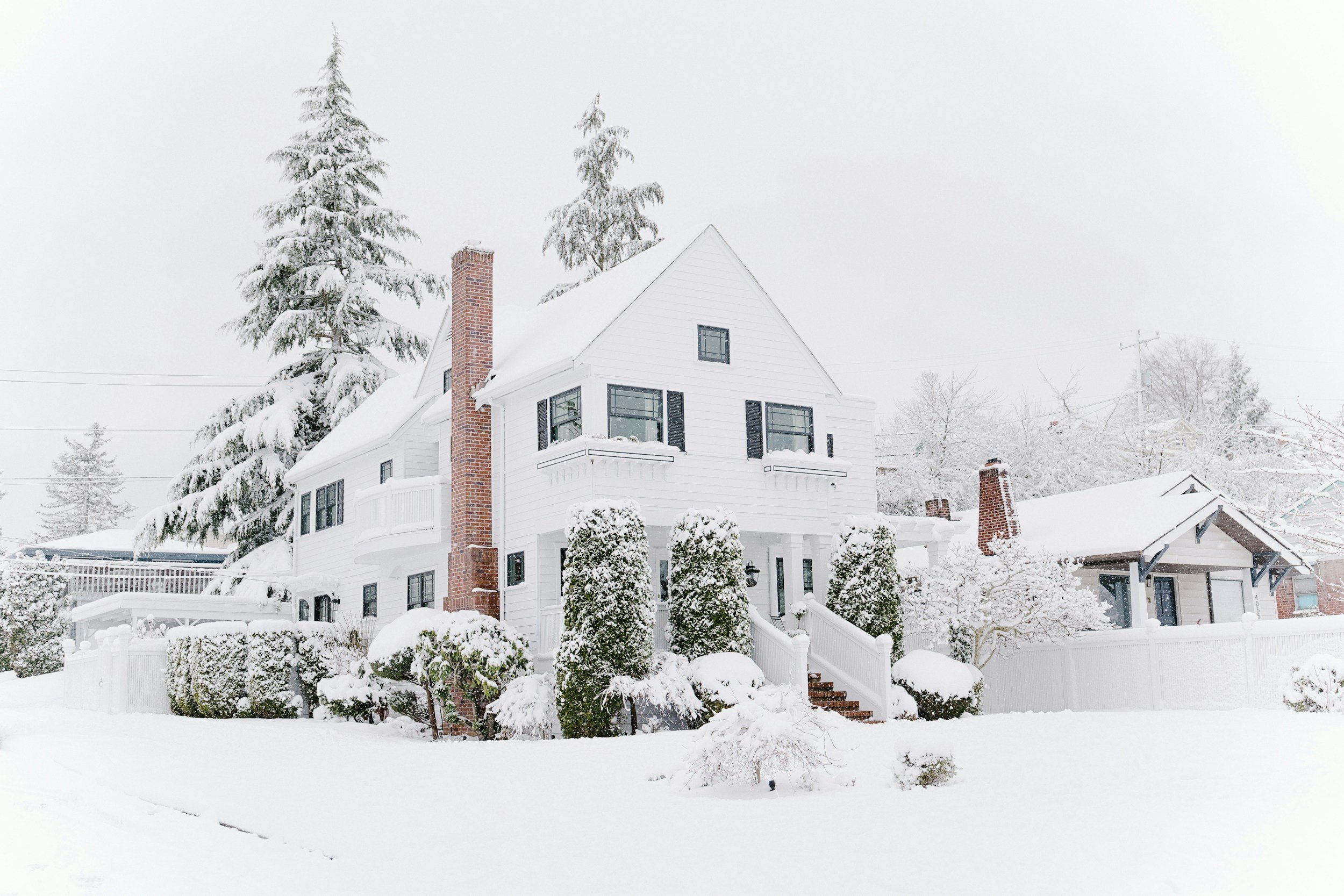
Winter puts more strain on a home than any other season, and small issues can escalate quickly once temperatures drop. A smart winter home maintenance checklist helps homeowners stay ahead of heat loss, moisture problems, and system failures before they become emergencies. From airflow and insulation to boiler maintenance and overall heating reliability, preparing early is the difference between steady comfort and mid-winter breakdowns.
What a Winter Home Maintenance Checklist Should Include
A strong winter home maintenance checklist isn’t just a list of tasks, it’s a risk map of what can shut your house down when temperatures drop. The best checklists prioritize systems that fail silently before they fail completely, focusing on heating performance and heat distribution, airflow and insulation effectiveness, heating maintenance, moisture control, and pressure points like pipes, vents, and seals that react badly to freeze–thaw cycles. Condensation causes more winter damage than snow, which makes moisture management just as critical as the furnace or boiler, while backup readiness matters for extreme cold events or power interruptions. Instead of treating winter maintenance as a once-and-done chore, an effective winter home maintenance checklist highlights systems under the most stress and flags areas to monitor throughout the season. The goal isn’t surface-level upkeep, but preventing small issues from turning into mid-winter failures by understanding how heat moves through the home, where cold air enters, and which areas are most vulnerable during prolonged cold spells.
Tips For Winterizing Your Home
The most important winterization work happens before the first real cold snap, not after. Once temperatures drop, small weaknesses turn into emergency repairs, which is why home winterization tips should be completed before temperatures regularly fall below freezing, while materials and systems are still flexible and easy to work with. This includes sealing air leaks before insulation is tested by cold pressure, addressing water exposure points while pipes are still flexible, testing heating systems as part of early winter heating maintenance rather than during peak demand, and verifying drainage paths so melting snow doesn’t refreeze where it shouldn’t. Homeowners who wait until winter starts often end up fixing symptoms instead of causes, while early winter maintenance reduces emergency repairs and saves more money than mid-season fixes.
HVAC Winter Maintenance for Reliable Heating
Reliable winter heating depends less on the furnace or heat pump itself and more on how evenly and efficiently heat moves through the home. Proper HVAC winter maintenance goes beyond simply making sure the system turns on; it includes confirming airflow balance so no room overworks the system, ensuring combustion, electrical, or heat pump components are operating within safe ranges, and addressing furnace maintenance needs, checking controls and sensors that regulate temperature accuracy, and verifying that exhaust and intake paths remain clear in snow and ice conditions. Effective winter HVAC maintenance supports consistent performance during long run times and helps prevent avoidable strain. A heating system doesn’t fail all at once, it loses efficiency first, then reliability. Regular HVAC winter maintenance catches that decline early and helps identify components that may struggle during extended cold periods.
How Winter Heating Maintenance Prevents Breakdowns
Most winter breakdowns don’t happen because a part suddenly “dies.” They happen because stress exposes a weakness that already existed. Winter heating maintenance helps prevent breakdowns by reducing system strain before peak demand hits, especially as cold weather forces systems to run longer and cycle more frequently. This includes reducing startup strain during frequent on-off cycles, catching restricted airflow before motors overheat, identifying worn components before extreme cold demands peak output, and preventing safety shutoffs caused by sensors detecting abnormal conditions. In short, consistent winter heating maintenance lowers the workload on the system, and systems fail fastest when they’re overworked in freezing temperatures.
Often Overlooked Winter Maintenance Areas in Your Home
The most overlooked areas aren’t visible, and that’s the problem. Areas out of sight are often missed during winter maintenance, including crawl spaces and rim joists where cold air seeps in unnoticed, interior walls with plumbing that share exterior exposure, bathroom and kitchen exhaust paths that trap moisture in winter, and attics where insulation gaps contribute to ice dam formation below. These areas don’t announce problems until damage is already happening, which can lead to heat loss, frozen pipes, condensation, or ice buildup without obvious warning signs. A thorough winter home maintenance checklist brings these hidden risk zones into focus before winter conditions expose them.
Why Winter HVAC Maintenance Matters for Comfort and Efficiency
Comfort in winter isn’t just about warmth, it’s about consistency. Winter HVAC maintenance matters because comfort and efficiency are closely connected. A well-maintained system heats rooms evenly instead of creating hot and cold zones, runs longer, steadier cycles rather than short bursts that waste energy, maintains humidity balance that affects how warm air actually feels, and avoids sudden performance drops during the coldest days. When winter HVAC maintenance is handled properly, efficiency improves because the system doesn’t have to fight the home to maintain temperature, it works with it, reducing cold spots, temperature swings, and excessive energy use throughout the winter.
DIY vs Professional Winter Maintenance Tasks
Homeowners are well suited for ongoing monitoring and basic winter maintenance, while professionals handle calibration and safety. Routine tasks like replacing filters, monitoring temperature consistency from room to room, keeping vents, intakes, and exhausts clear, and watching for moisture buildup or unusual system behavior can be handled by homeowners. Professional service is needed for electrical, gas, or refrigerant components, airflow measurements and system balancing, combustion safety checks, and advanced winter heating maintenance for furnaces or heat pumps. As a rule of thumb, if a task affects safety, pressure, or electrical systems, it’s not DIY and should be left to trained professionals.
When to Review Your Winter Home Maintenance Checklist
A winter home maintenance checklist shouldn’t live in a drawer. Winter conditions change, and homes respond differently as the season progresses, which is why a winter home maintenance checklist should be reviewed once before winter to prepare, again after sustained cold exposes weak points, and after major weather events like deep freezes or snowstorms. Reviewing the checklist multiple times turns winter maintenance into prevention instead of reaction and helps ensure systems continue to operate reliably throughout the season.

The Essential Guide to HVAC Maintenance for Protecting Your Investment and Comfort
Your heating and cooling system works tirelessly behind the scenes to maintain a comfortable indoor environment year-round. Yet like any complex mechanical system, it requires regular attention to perform at its best. Routine HVAC maintenance maximizes efficiency, extends equipment life, and prevents unexpected breakdowns that always seem to happen at the worst possible time. Preventative service acts as an insurance policy against costly repairs and premature system failure, giving homeowners and facility managers greater control over operating costs, improved system reliability, and peace of mind knowing that comfort won't be compromised when you need it most.
Your heating and cooling system works tirelessly behind the scenes to maintain a comfortable indoor environment year-round. Yet like any complex mechanical system, it requires regular attention to perform at its best. Routine HVAC maintenance maximizes efficiency, extends equipment life, and prevents unexpected breakdowns that always seem to happen at the worst possible time. Preventative service acts as an insurance policy against costly repairs and premature system failure, giving homeowners and facility managers greater control over operating costs, improved system reliability, and peace of mind knowing that comfort won't be compromised when you need it most.
Why HVAC Maintenance Matters
Regular maintenance delivers benefits that touch every aspect of your system's performance. A well-maintained system uses less energy to heat or cool your space, which means lower utility bills month after month. When filters get dirty, coils become clogged, or components wear down, your equipment has to work harder and consume more energy for the same results.
Strategic timing of maintenance visits prevents breakdowns during peak seasons when you need your system most. A furnace failure on the coldest night of winter or an air conditioner giving out during a summer heat wave creates both discomfort and urgency. Routine service ensures your equipment is ready before extreme weather arrives.
Maintenance also extends the lifespan of your system. When technicians catch wear and tear early, they can make adjustments that keep components operating within their designed capacity. Systems that receive consistent care often exceed their expected service life by several years, delaying the need for expensive replacement.
Your indoor air quality improves with regular maintenance, too. Clean filters and components allow better airflow while reducing contaminants circulating through your space. This matters especially for households concerned about allergens, dust, or overall air purity.
Perhaps most importantly, addressing small issues during routine visits prevents them from becoming expensive emergencies. A minor refrigerant leak or loose electrical connection costs relatively little to fix during a maintenance appointment. Left unaddressed, these same problems can lead to compressor failure or electrical damage that requires major repairs.
Signs Your HVAC System Needs Service
Between scheduled maintenance visits, your system may signal that it needs attention. Uneven temperatures throughout your building often indicate airflow problems, ductwork issues, or a struggling system that can't keep up with demand. Strange noises like grinding, squealing, or banging point to mechanical problems that require professional diagnosis, while unusual odors during operation could signal anything from mold growth to electrical issues.
Watch your utility bills closely. If costs rise without a corresponding increase in usage, your system may be losing efficiency. Frequent cycling, where the system turns on and off repeatedly, or noticeably reduced airflow from vents, both suggest problems that maintenance can address before they worsen.
How to Prepare for a Maintenance Appointment
Making your technician's job easier helps ensure thorough service. Clear a path to both indoor and outdoor units, moving furniture, storage items, or landscaping that might obstruct access. Take note of any performance issues or unusual behaviors you've observed so you can share specific concerns with the technician.
Check your filter status before the appointment—knowing when you last changed it provides useful context. If you have pets, secure them in another area to give the technician safe, uninterrupted access to work areas.
What a Professional HVAC Maintenance Visit Includes
A comprehensive maintenance appointment covers all critical system components. Technicians inspect coils, blower motors, heat exchangers, and other major parts for signs of wear or damage. They clean accumulated dust and debris from internal components that can impede performance and efficiency.
For heating systems, technicians, like those at TRS Heating and Air Conditioning, check burners, pilot lights or igniters, gas connections, and combustion chambers to ensure safe and efficient operation. They test heat output and verify that all safety mechanisms function properly to prevent hazardous conditions like carbon monoxide leaks.
Electrical connections receive careful attention, as loose wiring poses both performance and safety risks. Safety controls undergo testing to ensure they'll function properly in emergency situations. Filters get replaced or cleaned depending on type, and the entire system gets performance tested to verify proper operation. Thermostat accuracy is confirmed to ensure your system responds appropriately to temperature settings.
When to Consider Replacing Your HVAC System
Even well-maintained systems eventually reach the end of their useful life. Most residential HVAC equipment lasts between ten and fifteen years, depending on the model, usage patterns, and maintenance history. If your system approaches this age range and requires frequent repairs, replacement often makes better financial sense than continued maintenance on aging equipment.
Declining efficiency that leads to rising energy costs signals that newer, more efficient technology could deliver substantial savings. When your system can't maintain consistent comfort or struggles to reach set temperatures, it's losing the capacity to do its job effectively. Working with a professional HVAC technician, such as someone from Trane South, can help you evaluate whether repair or replacement makes the most sense for your situation. They can assess your current system's condition, calculate potential energy savings from newer models, and recommend equipment sized appropriately for your space. Modern replacement systems offer dramatically improved efficiency ratings and features that can reduce operating costs while delivering superior comfort and reliability.
Choosing a Qualified HVAC Technician
Selecting the right service provider ensures quality maintenance. Verify that technicians hold proper licensing and relevant certifications from recognized industry organizations. Review their experience with your type of system and read customer feedback to gauge service quality and reliability.
Ask about service plans or maintenance agreements that bundle regular visits at a predictable cost. Compare pricing structures and understand exactly what's included in a standard tune-up versus additional services that might carry separate charges.
Proactive HVAC care represents one of the smartest investments you can make in your property, keeping systems running efficiently while protecting you from the disruption and expense of unexpected failures. Schedule service before extreme weather seasons arrive—ideally in spring for cooling systems and fall for heating equipment—and work with qualified professionals who can guide you through maintenance decisions and replacement timing when your system reaches the end of its service life.

Tips for Constructing Your Own Storage Bench
You can create a functional furniture piece that will help organize your home. Discover helpful tips for constructing your own storage bench.

Adding functional furniture to your home can bring a sense of order and personal sense of accomplishment, especially when you build it yourself. A storage bench offers the perfect blend of seating and organization, making it an ideal project for a busy household.
Creating one is more straightforward than you might think, and it gives you a custom piece that fits your space perfectly. These tips for constructing your own storage bench will guide you through the process from start to finish.
Start with a Detailed Plan
A successful project begins long before you cut the first piece of wood. Take time to find or draw a detailed plan that includes a full list of materials and precise measurements.
Consider where the bench will go and what you plan to store inside it to determine the right dimensions. A clear plan removes guesswork, prevents costly mistakes, and lets you gather all your supplies before you begin, saving precious time.
Create Clear, Precise Pieces
People often say, “measure twice, cut once,” and this proverb is crucial for ensuring all your pieces fit together correctly. Rushing through measurements can lead to uneven joints and a wobbly final product.
Use a reliable tape measure and a square to mark your cut lines clearly. Taking a few extra seconds to double-check every measurement will save you from the frustration of recutting materials and help you achieve a professional-looking finish.
Prioritize Safety at Every Step
Your well-being is the most important part of any DIY project. Always wear safety glasses to protect your eyes from dust and debris, and consider wearing a dust mask when sanding.
When it comes time to assemble your project, use products like Bessey Kliklamps to secure pieces to your workbench when drilling or fastening them. Doing so will help enhance the quality of your work.
Assemble on a Level Surface
Another important tip for constructing your own storage bench is to assemble it on a flat surface. An uneven floor can throw off your entire assembly, causing doors or lids to hang crookedly and joints to misalign.
Use a level to check your work surface before you start. As you join pieces together, continuously check that your project remains square to ensure a sturdy, functional bench.
Finish with a Durable Sealant
The final step is to protect your hard work with a quality finish. A good sealant enhances the wood's natural beauty and protects it from scuffs, spills, and everyday wear.
Choose a durable polyurethane or varnish that can withstand the activity of a busy home. Applying two or three thin coats, with light sanding in between, will give your storage bench a smooth, long-lasting surface that looks great for years.
Building your own storage bench is a rewarding project that adds both style and function to your home. By following these simple tips, you can create a beautiful piece of furniture that will make you proud. Enjoy the process and the practical benefits of your new custom creation.

