

A resource for those seeking information on organizing and transforming spaces.
The Ultimate Guide to a Beautiful & Functional Entryway
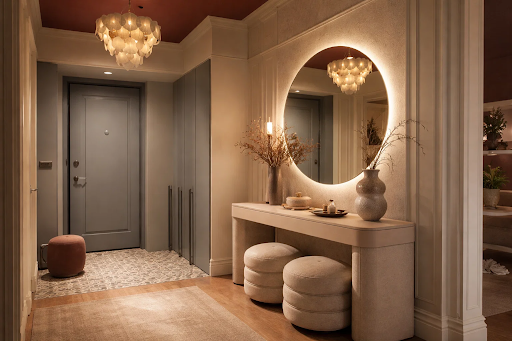
Your entryway sets the tone for your entire home. It's the first thing you see when you walk in and the last impression as you head out the door. But more than aesthetics, a well-designed entryway needs to function for real life — welcoming your family, keeping essentials in place, and offering a moment of calm on a busy day. With a few thoughtful touches, your entryway can be both beautiful and practical.
We partnered with a home improvement company for this post. The opinions in the post are honest. All reviews and opinions expressed in this post are based on our personal views. We are excited because we know you will love it.
Your entryway sets the tone for your entire home. It's the first thing you see when you walk in and the last impression as you head out the door. But more than aesthetics, a well-designed entryway needs to function for real life — welcoming your family, keeping essentials in place, and offering a moment of calm on a busy day. With a few thoughtful touches, your entryway can be both beautiful and practical.
Start With Purpose
Every entryway should begin with intention. That means taking a moment to consider how your household uses this space before adding baskets, hooks, or other decorative elements.
Take note of where people naturally pause, where items tend to pile up, and what causes friction in your morning routine. For example, if shoes are scattered across the floor every morning, a simple cubby or bench with storage can solve more than just an aesthetic problem — it can save time and reduce stress.
Consider the atmosphere that you want to create in the entry area. Do you want it to be peaceful and serene when you come home? Or do you want it to be vibrant and energetic, matching the household's activity level? Your entry area sets the emotional tone for the day, so it's essential to consider this.
A Welcoming First Impression
Your entryway should greet you like a warm hello. High-end lighting plays a surprisingly big role. Soft, warm light can make even a small hallway feel inviting, while a well-placed overhead fixture or wall sconce ensures the space is functional for grabbing keys, checking the mail, or putting on shoes. If possible, natural light is ideal — even a small window or a glass panel in the door can transform the space's mood.
Mirrors are another key element. Beyond their practical use for a quick outfit check, mirrors reflect light and visually expand the space, making narrow or compact entryways feel larger and more open. Consider a full-length mirror if you have the room, or a decorative piece that doubles as art.
Organize Without Overwhelming
Begin by organizing items that already belong in this space. For example, daily-use items such as keys, bags, coats, and shoes need a designated place, while infrequently used items should be stored elsewhere. This level of simplicity is sure to help alleviate the situation and calm the space. The fewer areas that fight for one's attention, the more at peace one is in a space.
Premium furniture and smart storage solutions help maintain that balance. A small tray or bowl can catch keys and sunglasses without creating clutter. Mail organizers or baskets keep paperwork contained and prevent piles from forming on nearby surfaces. Hooks offer quick access for coats and bags, while benches or low cabinets provide hidden storage that keeps the floor clear. The key is choosing storage that feels effortless — if it's easy to put things away, it's far more likely to stay organized.
Family-Friendly Features
When an entryway works for the entire family, it becomes one of the most functional spaces in the home. Designing with kids in mind doesn't mean sacrificing style — it means creating systems that feel intuitive, accessible, and easy to maintain for everyone who uses them.
Start by thinking about independence. When children can easily reach hooks, bins, or cubbies, they're far more likely to use them. Lower hooks for backpacks and jackets encourage kids to put their things away as soon as they walk in the door, while labeled baskets or bins help them quickly identify where items belong. These small adjustments can make mornings smoother and afternoons less chaotic.
The entryway can sometimes become a "launching pad" for families, especially those with a lot going on. Sports equipment, library books, musical instruments, permission slips, and more can flow through this space. By creating a few storage "zones" using open baskets or a shared shelf, these items can reside in the entryway temporarily without overwhelming it.
Decorating With Purpose
Start with pieces that anchor the space. A runner rug instantly adds warmth and helps define the entryway, especially in open-concept homes. Beyond aesthetics, it protects floors from dirt and moisture while guiding traffic naturally through the space. Choose materials that are durable and easy to clean so beauty doesn't come at the cost of practicality.
Personal touches make it feel lived-in and cozy. A little greenery, a piece of art, or a framed family photo adds interest to a space. These personal touches give a feeling of home as soon as you step into a space, helping an entryway feel like a harmonic part of your living space rather than an add-on.
Ultimately, decorating with purpose means being thoughtful, not excessive. When decor supports function and reflects your style, the entryway becomes a place that feels balanced, welcoming, and effortlessly pulled together — a space that invites you to slow down for just a moment as you arrive home.
A well-planned entryway is more than a drop zone; it's the gateway to your home's energy and flow. By blending thoughtful organization with personal style, you can create an entryway that's both beautiful and functional, giving every family member a smoother start and end to their day.

Maintenance Oversights That Tank Your Home’s Resale Value
When you decide to sell your home, you’re suddenly going to realize all the things you should have done well in advance of starting the selling process. Maintenance can be a time-consuming and expensive chore, and there might be years when you invest less than you should. Once you’re ready to sell, however, that deferred maintenance can come to call in the form of a lower resale value. If you don’t want this to happen to you, prioritize low-cost maintenance to preserve your property value, even if you have no plans to sell anytime soon.

When you decide to sell your home, you’re suddenly going to realize all the things you should have done well in advance of starting the selling process. Maintenance can be a time-consuming and expensive chore, and there might be years when you invest less than you should. Once you’re ready to sell, however, that deferred maintenance can come to call in the form of a lower resale value. If you don’t want this to happen to you, prioritize low-cost maintenance to preserve your property value, even if you have no plans to sell anytime soon.
Why Does Maintenance Carry So Much Weight in Home Value?
You might not think that overgrown bushes or a few missing shingles are a big deal, but to home inspectors and appraisers, they can be. Think about the last time you saw a home with a dead lawn and sagging gutters. Even if it didn’t look uninhabitable, you probably made a negative judgment about the homeowner. Homebuyers, inspectors, appraisers, and even a real estate company may draw the same conclusion. An unkempt house could be a sign of deeper neglect, one that could tank value estimates or lead to aggressive price negotiations.
Key Maintenance Needs for Resale Value
Roof and Gutters
The roof is one of the primary sources of structural protection for the home and its inhabitants. Clogged gutters can create a breeding ground for pests in summer. In fall and winter, rotting debris can freeze and cause ice dams that damage the roof structure. Similarly, missing or damaged shingles can trigger water intrusion that leads to long-term structural damage. Routine roof inspections, cleaning, and prompt repair are key to keeping the roof in functional and protecting its appearance.
Home Exterior
Like your roof, your home exterior could be hiding some serious problems under the surface. Dirt or chipped paint on the siding might seem like a minor problem, but it hurts your curb appeal and makes your home seem older. Once a year, you should consider scheduling professional cleaning for the siding, using cleaning methods that don’t damage the surface. If applicable, add a coat of paint or sealant to ensure that the siding maintains both appearance and weather protection throughout the year.
Landscaping
Although your landscaping doesn’t have to look perfect, it should show up in good condition and well-maintained. Keep up your lawn, or create a landscape that is easier to maintain. Arrange to trim bushes and greenery multiple times a year, and remove diseased or dead trees to prevent further damage. When you make new landscaping plans, think about how the property will look in all seasons. Consider planting softscaping that will look great year-round, especially in winter.
HVAC and Plumbing
Buyers expect that your HVAC and plumbing will be relatively new, or otherwise in great condition. To meet this expectation, you’ll need to provide routine maintenance at least once a year. Schedule professional upkeep for your HVAC equipment to preserve energy efficiency and avoid expensive replacements when you decide to sell.
Slow plumbing leaks can trigger extensive water damage over time, especially if you don’t catch them early enough. Pay attention to signs like lower water pressure or discolorations in the walls or ceiling, and call a plumber when you observe them.
Bathrooms and Kitchens
You may not have to upgrade your bathrooms and kitchen every 10 years, but you should ensure that they stay in ideal condition. Replace chipped tiles and keep the grout clean. Update appliances and fixtures to modern models, especially if they look worn or are starting to malfunction. Instead of a full replacement, consider updating the flooring and door pulls, with a fresh coat of paint to brighten up the space. Even minor improvements can give a new look.
Deferred maintenance can seriously disrupt into your home-selling plans, which is why you should stay ahead of it whenever you can. Investing into low-cost maintenance for these high-value spots can help you improve your home’s value and decrease the likelihood of an unpleasant surprise at selling time.
AUTHOR BIO: Andy Pressley is the Owner and President of MECA Realty, a Charlotte-based real estate firm with six decades of roots in the region, providing residential and association management alongside sales and leasing services. A third-generation member of the Pressley family in the business, he leads MECA Into the age of AI and continues the company’s long-standing commitment to the Charlotte community.
Resources reviewed
https://www.neighborly.com/expert-tips/the-effect-of-maintenance-on-home-value
https://www.homeledger.app/resources/how-home-maintenance-impacts-property-value
How To Use Exposed Posts and Beams as Your Primary Interior Design Element
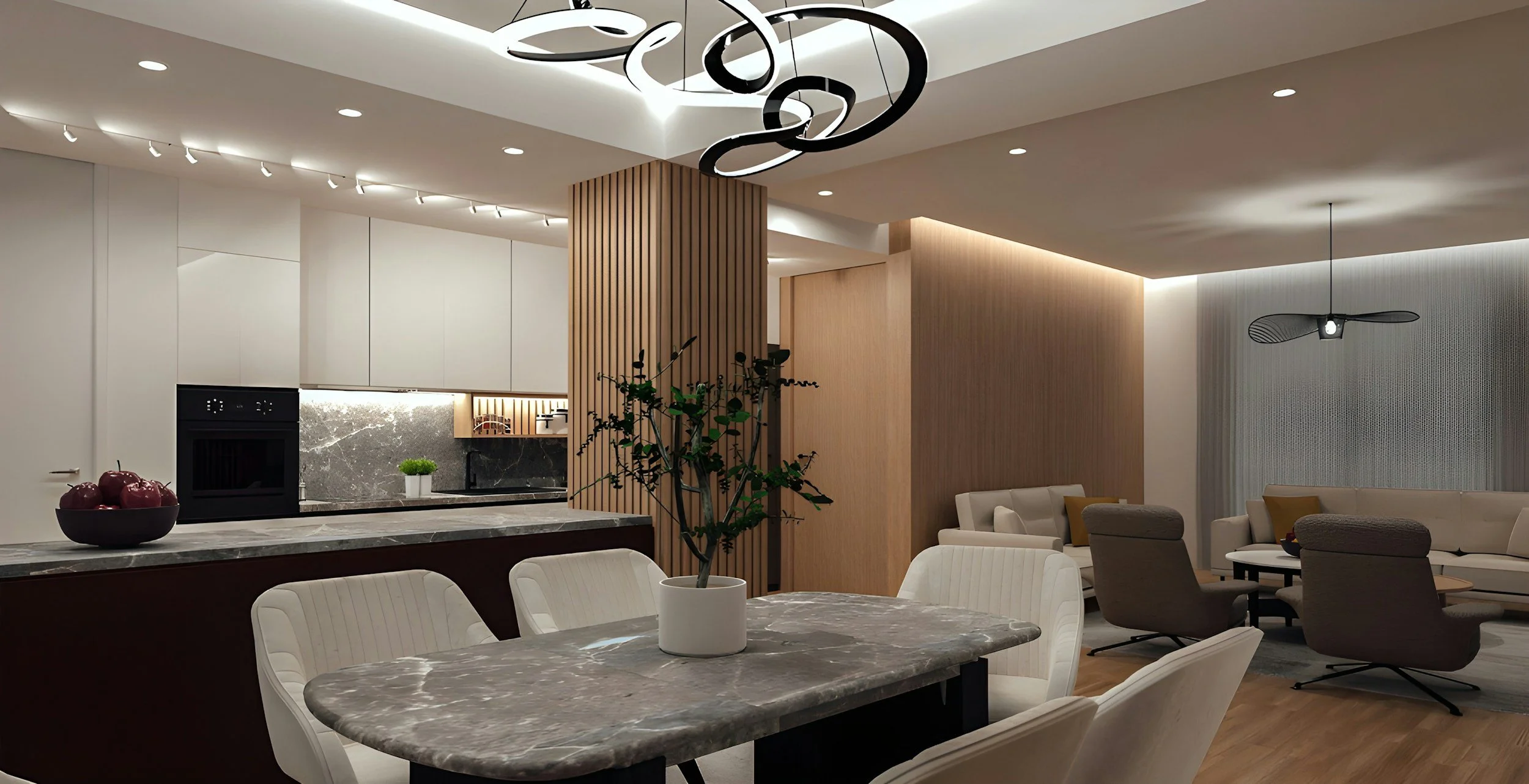
Exposed posts and beams feature prominently in modern design. When you look at inspirational pictures of modern decor, you’ll almost certainly see at least one example. This aesthetic has found its way into a variety of interior design styles, from rustic to minimalist. Whether you have a home with exposed timber that you need to design around, or you’re looking to build a home with such features, you’ll need a good plan. Use these ideas to help you find a theme, colors, and features that showcase the beauty of exposed posts and beams.
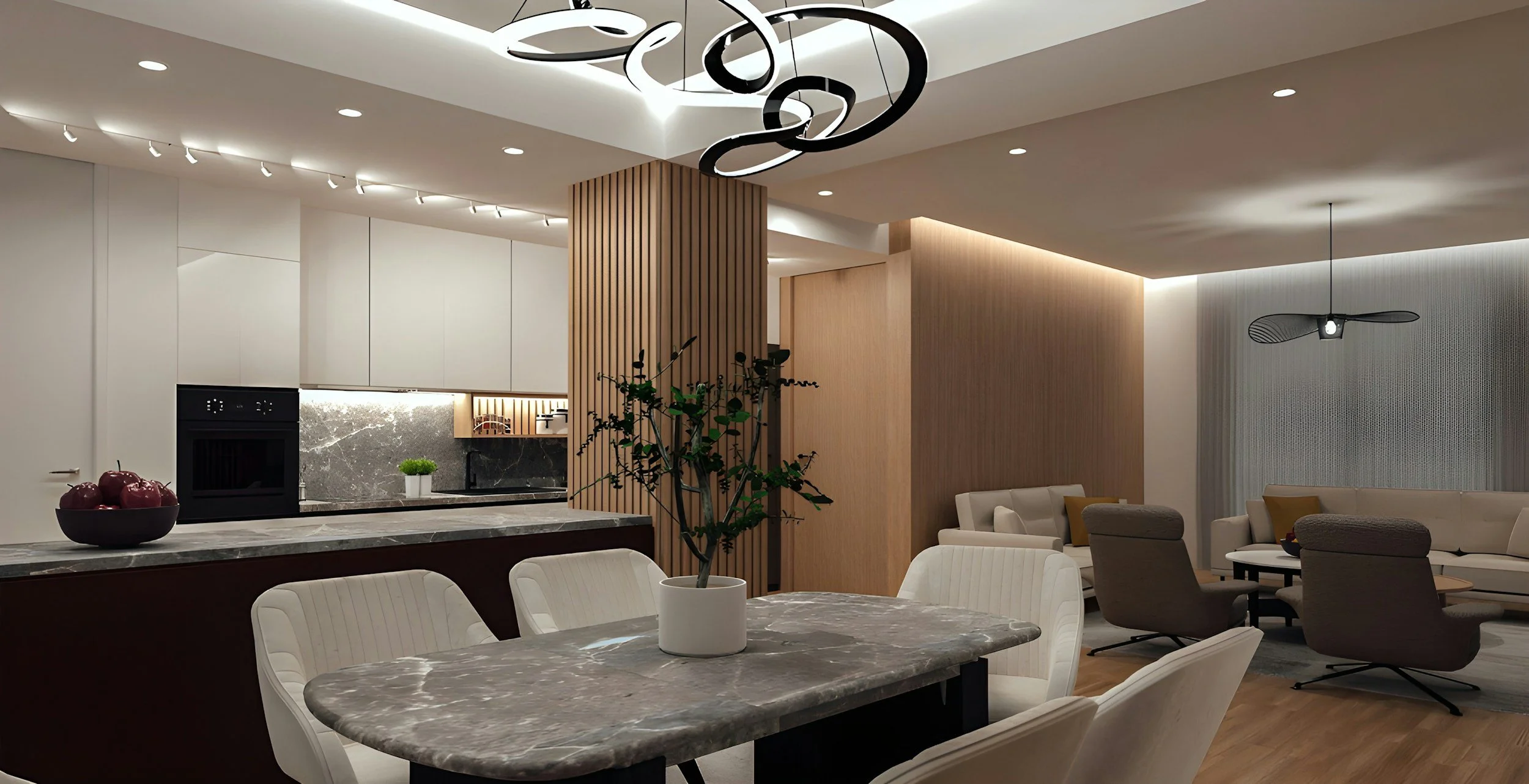
Exposed posts and beams feature prominently in modern design. When you look at inspirational pictures of modern decor, you’ll almost certainly see at least one example. This aesthetic has found its way into a variety of interior design styles, from rustic to minimalist. Whether you have a home with exposed timber that you need to design around, or you’re looking to build a home with such features, you’ll need a good plan. Use these ideas to help you find a theme, colors, and features that showcase the beauty of exposed posts and beams.
Select a Cohesive Theme
Although you can fit exposed timber into almost any aesthetic, it’s important to choose a cohesive theme to go with it. Exposed beams tend to draw attention, much like a grand staircase. Think about the ways that you plan to use the space, and then come up with a few ideas. Do you want to lean into the warm, rustic charm, or incorporate brick and metal accents to go along with an urban industrial style? Make sure you have the theme in place before you go shopping for décor and furniture. That way, you can be sure that everything you choose will feel like it belongs in the room.
Follow the Natural Lines
Whether you ask your timber frame architects to expose the beams and posts as part of the home design process, or you choose to expose them as part of a renovation project, you’ll need to follow the natural lines. That’s the difference between incorporating existing design elements from the home structure and adding to the existing flow of the space. This design approach generally means that you should pick one direction for beams to follow, typically the layout of the existing frame. Longer beams help maintain an open feel, while shorter beams can help divide the space.
Choose an Engaging Color Palette
With exposed timber, you may choose to accentuate it or help it to blend in with the room décor. In most cases, you’ll probably want to select a contrasting palette to help the beams and posts stand out. White is a popular choice, especially for minimalist designs. White helps to make the beams a focal point as the major source of color on the walls and ceiling. You may choose to paint the beams the same color as the ceiling, but you’d need to incorporate lighting and other methods to call attention to them.
Illuminate Key Features
For such a striking feature in the room, you definitely need the right lighting. Room lighting should provide effective illumination for the tasks you might engage in while you’re there, but you can also use accent lighting to emphasize the room’s key features. Consider installing spotlights that point upward, toward the exposed beams. This approach will create moderate illumination for the room that avoids glare while creating a track that the eye can easily follow to see the ceiling.
Incorporate Natural Wood Accents
To keep the exposed timber from standing out too much, you may want to consider incorporating natural wood accents into the room. Look at the post-treatment colors of the posts and beams, and choose a type of wood that you can put in the room as a unifying accent. For example, you might pick a dining table with similar wood, or a coffee table with the same stain. Add a few coordinating pillows or decorative accents can emphasize the cohesiveness of the space without detracting from the beauty of the timber.
If you’re eager to incorporate exposed timber into your home design, you’re not alone. This design element fits into a variety of themes, and with good upkeep, you can enjoy it for decades. Focus on choosing the right theme, color palette, lighting, and accents. That way, you’ll have a space that feels perfectly natural, functional, and unified.
Sources reviewed
https://renoquotes.com/en/blog/exposed-ceiling-beams
https://www.thespruce.com/decorative-ceiling-beams-ideas-7499063
https://www.suzieandersonhome.com/a/blog/the-complete-guide-to-urban-industrial-style-interior-decorating
Creating the Ultimate Outdoor Kitchen in Your Backyard
Transform your backyard with the perfect outdoor kitchen. Build functionality, style, and seamless entertaining with these essential design insights.

An outdoor kitchen is the perfect way to enhance your backyard, making it the ultimate space for cooking, dining, and entertaining. With thoughtful planning, you can create a stylish and functional outdoor kitchen that serves as the heart of your outdoor living space. From choosing the right layout to picking the best materials, creating the ultimate outdoor kitchen in your backyard doesn’t have to be a huge hassle.
Designing Your Outdoor Kitchen Layout
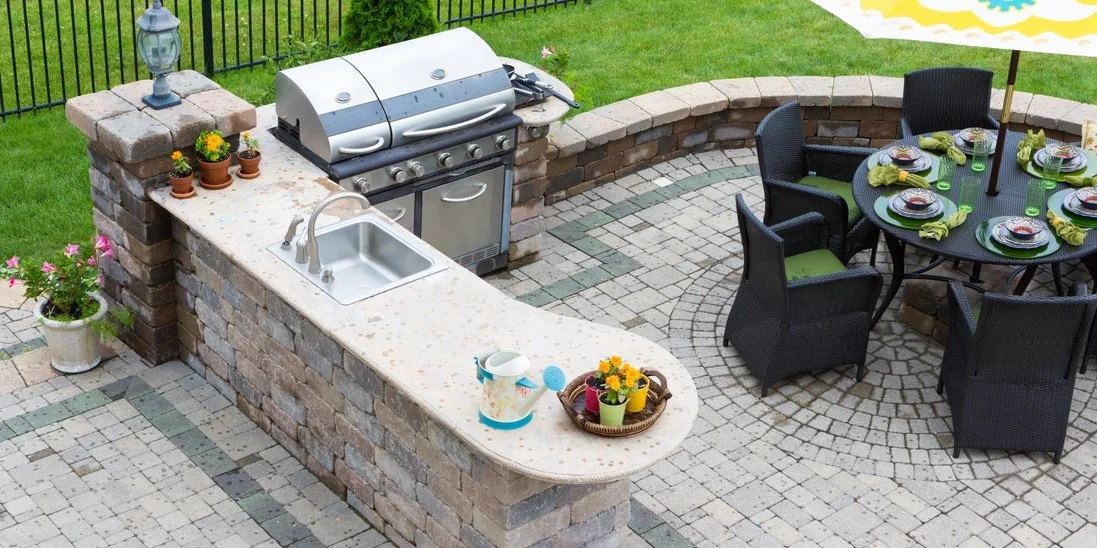
The foundation of a successful outdoor kitchen is its layout; begin by mapping out the space and considering the workflow. The kitchen should be efficient and easy to use, incorporating the "kitchen triangle" principle, which places the grill, sink, and preparation area within close proximity. Think about how you’ll move between zones and make sure the design meets your cooking habits and entertaining goals. Position the kitchen to face seating and dining areas, allowing you to interact with guests while preparing meals.
Proper spacing of appliances and surfaces is also critical. Ensure there’s enough countertop space for food prep, serving, and storage while leaving plenty of room to move around comfortably. By blending functionality with aesthetics, your layout can strike the perfect balance between practicality and visual appeal.
Materials Built to Last
An outdoor kitchen faces the elements year-round, so selecting durable materials is vital. Stainless steel appliances are the gold standard for outdoor kitchens due to their resistance to rust and ease of cleaning. For countertops, opt for natural stones like granite or concrete, which can withstand varied weather conditions while adding a touch of sophistication to your design.
Flooring is equally essential since it provides the foundation for your space. Choose non-slip surfaces such as porcelain tiles or textured concrete to ensure safety while adding a seamless look to your backyard. Incorporating weather-resistant cabinetry and covers for appliances will extend the lifespan of your outdoor kitchen and maintain its polished appearance.
Outdoor Kitchen Island as the Centerpiece
One of the standout features of an outdoor kitchen is the island. Not only does it elevate the visual appeal of the space, but it also serves as a multifunctional centerpiece. An outdoor kitchen island can combine cooking, dining, and socializing in one convenient area. The island is one of the most important features you’ll include in your outdoor kitchen, so take the time to learn how to pick the best one for your needs.
Consider adding bar seating to your island, allowing guests to sit comfortably while you prepare meals. To enhance usability and organization, integrate features like electrical outlets for small appliances and hidden storage for utensils or condiments. By designing the island with both form and function in mind, it becomes the hub of your backyard gatherings.
Lighting and Ambiance
Lighting is a key element in creating an inviting and functional outdoor kitchen. Strategically placed light fixtures can highlight key areas, such as the grill and preparation zones, ensuring safety and practicality after sundown.
Add dimmable string lights or lanterns to infuse warmth and ambiance, creating a cozy atmosphere for evening entertainment. Incorporating an outdoor fireplace or fire pit adds both light and a focal point for gatherings.
Adding Personal Touches
Make the space your own by adding personal touches that reflect your style. Incorporate décor elements such as colorful cushions, planters, or an herb garden to create a welcoming environment. Expand functionality by integrating smart outdoor appliances or a sound system to enhance the experience. The ultimate outdoor kitchen seamlessly combines style, convenience, and personality, making it a true extension of your home.
With careful planning, durable materials, and thoughtful design choices, you can transform your backyard into a practical outdoor kitchen that blends comfort and functionality. An outdoor kitchen not only adds value to your home but also sets the stage for unforgettable gatherings with family and friends.

