

A resource for those seeking information on organizing and transforming spaces.

5 Signs Your Home Would Benefit From a Water Filtration System
Clean water is essential for everyday living, yet many households overlook the signs that their tap water may not be as pure as it should be. From strange tastes to hidden contaminants, water quality can affect your health, comfort, and even the longevity of your appliances.
Clean water is essential for everyday living, yet many households overlook the signs that their tap water may not be as pure as it should be. From strange tastes to hidden contaminants, water quality can affect your health, comfort, and even the longevity of your appliances.
If you’ve been questioning whether your home needs a filtration system, here are five detailed signs that suggest it’s time to make the investment.
Your Tap Water Has an Unpleasant Taste or Odor
Water should taste fresh and clean, but many homeowners notice metallic, chemical, or earthy flavors when they pour a glass from the tap. Chlorine, sulfur, or excess minerals are often responsible for these unpleasant tastes and smells. While municipal water systems treat water to meet safety standards, they don’t always remove everything that affects flavor.
Over time, this can discourage you from drinking enough water, which impacts your health. A home water filtration system can remove these impurities, giving you water that is crisp, refreshing, and enjoyable to drink.
You Notice Stains or Buildup on Fixtures and Dishes
Hard water is a common issue in many regions, and it leaves behind visible signs. White spots on glassware, chalky residue on faucets, or rust-colored stains in sinks and tubs are all indicators of mineral-heavy water. These deposits don’t just look unsightly—they can clog pipes, reduce water pressure, and shorten the lifespan of appliances like dishwashers and washing machines.
Over time, the costs of repairs and replacements add up. Installing a filtration system designed to handle hard water can reduce buildup, protect your plumbing, and keep your home looking cleaner with less effort.
Your Skin and Hair Feel Dry After Showering
If you feel that your skin feels tight or even itchy right after showering, or your hair turns dull and brittle, your water may be to blame. Hard water and chlorine strip away natural oils, leaving your body dry and uncomfortable. Even with moisturizers and conditioners, the problem often persists because the root cause is in the water itself.
By filtering out excess minerals and chemicals, a water filtration system can make showers gentler on your skin and hair. This small change can improve your daily routine, helping you feel more comfortable and confident.
You’re Concerned About Contaminants and Health Risks
Water that looks clear isn’t always safe. Contaminants such as lead from aging pipes, pesticides from agricultural runoff, or bacteria from local sources can sometimes enter household water supplies. These issues vary by region, but they can pose serious health risks if left untreated. Families with children, elderly members, or anyone with health concerns should be especially cautious.
A home water filtration system provides peace of mind by reducing harmful substances and ensuring that the water you drink and cook with is safe. It’s a proactive step toward protecting your family’s long-term health.
Your Household Relies Heavily on Tap Water
If your family drinks tap water daily, cooks with it, and uses it for making coffee, tea, or baby formula, the quality of that water becomes even more important. The more you rely on tap water, the greater your exposure to any impurities it contains.
By installing a filtration system, you’re not only improving taste and safety but also making a long-term investment in your household’s well-being. Clean water supports better hydration, healthier meals, and overall confidence in the water you use every day.
Conclusion
Water is at the heart of daily life, and its quality affects everything from your health to your home’s upkeep. Strange tastes, stains, dryness, or concerns about contaminants are all signs that your household could benefit from a water filtration system.
By addressing these issues now, you can enjoy cleaner, safer water while protecting your family and your home. Pure water isn’t just a convenience—it’s a necessity, and investing in it ensures peace of mind for years to come.
How to Organize and Label Moving Boxes So Unpacking Takes Half the Time
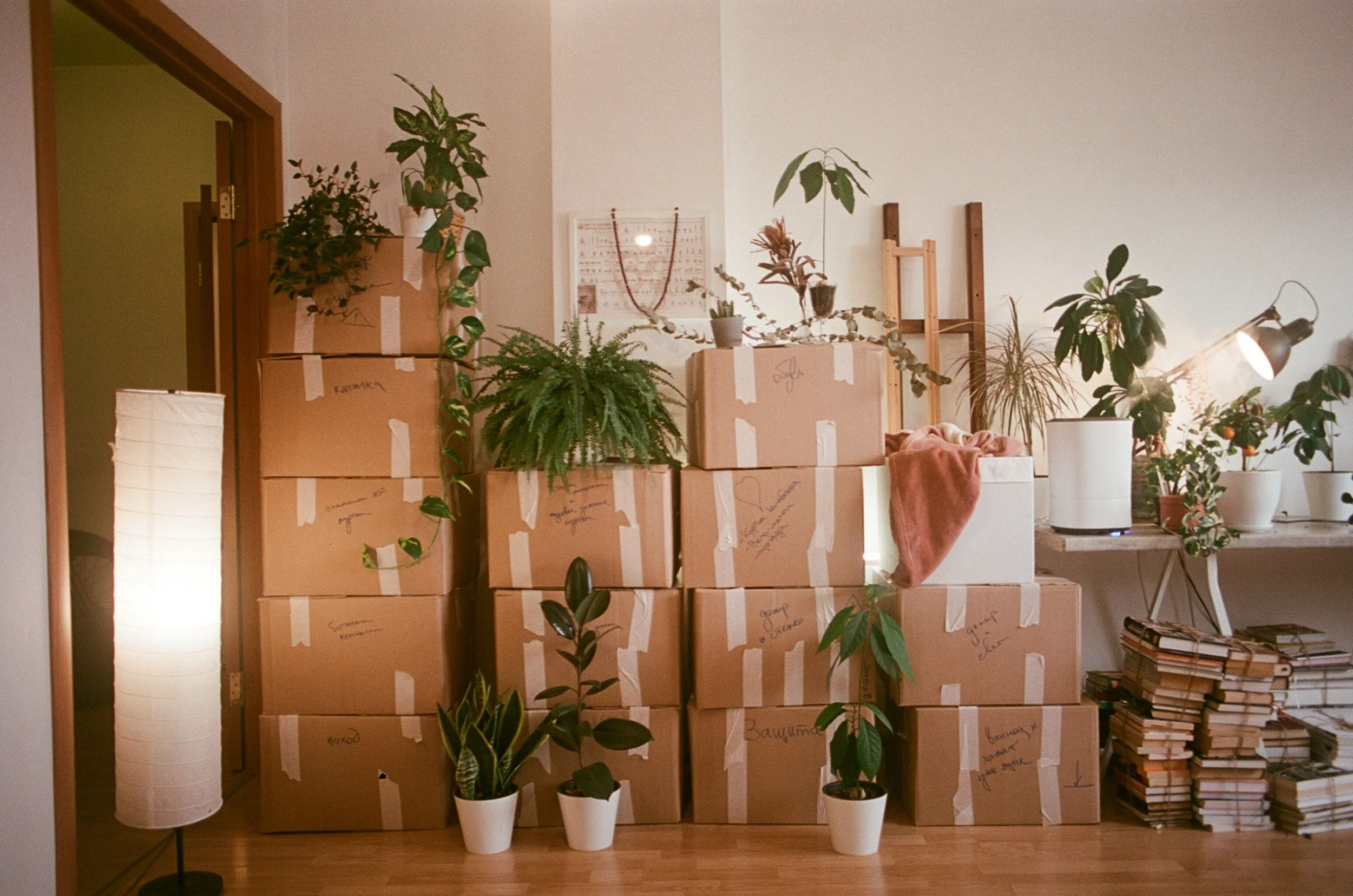
Here is what nobody warns you about. Packing a house? Annoying, sure. But survivable. Unpacking forty identical brown boxes in a new place where you cannot find the coffee maker, the bath towels, or a single fork? That is where people actually lose it.
We partnered with a moving company for this post. The opinions in the post are honest. All reviews and opinions expressed in this post are based on our personal views. We are excited because we know you will love it.
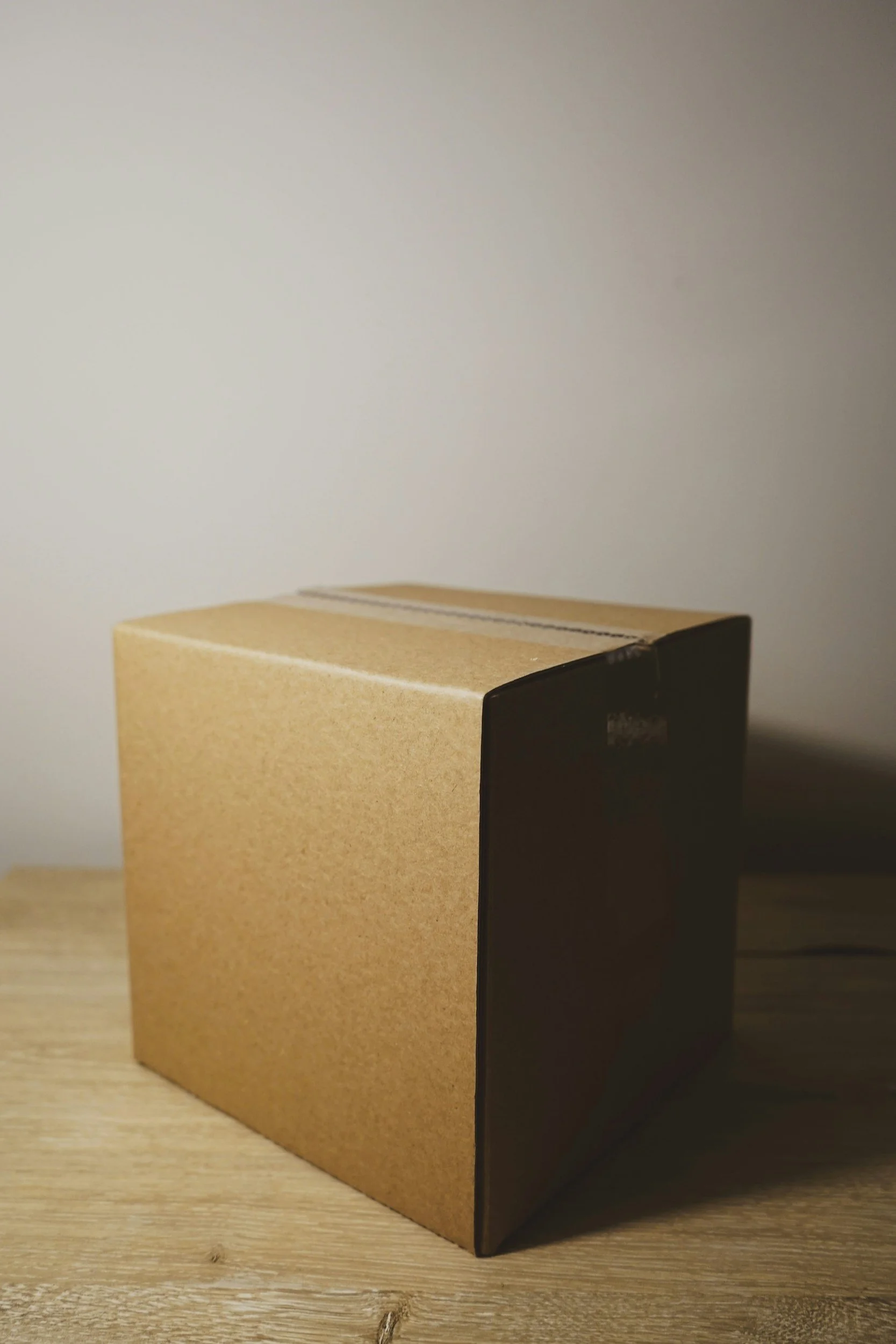
Here is what nobody warns you about. Packing a house? Annoying, sure. But survivable. Unpacking forty identical brown boxes in a new place where you cannot find the coffee maker, the bath towels, or a single fork? That is where people actually lose it.
And the weird thing is, the fix takes almost no extra effort. It just has to happen before the boxes get taped shut, not after.
Writing "Kitchen" on a Box Means Almost Nothing
Everybody does this. Grab a Sharpie, scribble the room name on top, move on. Feels productive. Except once you are staring at a wall of twelve boxes that all say "kitchen," you realize that label told you where the box goes but absolutely zero about what is inside.
One of those boxes has your daily plates and mugs. Another one has a bread maker you forgot you owned. Big difference. Huge difference, actually, when it is 8 PM on move-in night and dinner is not happening without finding the right box first.
Room names are a starting point. They are not a system.
Three Things Every Box Needs Written on It
Grab your marker. Write on two sides of the box, not the top. Tops vanish the second boxes get stacked, and they will get stacked.
First thing: the room. Kitchen, master bedroom, kid's bathroom, office. Wherever it needs to land.
Second thing: a quick description of what is actually in there. Not a full inventory, just the highlights. "Everyday dishes, silverware, coffee stuff" works. "Kitchen misc" does not. You will curse yourself later for every box labeled "misc." Guaranteed.
Third thing, and this is the part that changes everything: write either OPEN FIRST or OPEN LATER. The open-first boxes hold whatever you genuinely need within 24 hours. Plates you eat off of daily. Soap. Sheets. Chargers. Everything else gets the "later" tag and can sit in a corner for a week without causing any problems.
Movers drop off forty boxes. You scan for the ones marked OPEN FIRST. You ignore the rest. Suddenly unpacking night feels manageable instead of nightmarish.
Colored Tape Beats Fancy Labels Every Time
Some people go deep with printed labels, spreadsheets, QR codes. If that is your thing, go for it. But for most households, a few rolls of cheap colored tape from the hardware store accomplish the same thing with a fraction of the effort.
Blue for kitchen. Green for bedrooms. Yellow for bathrooms. Whatever combination you pick, just stay consistent. Wrap a strip around each box.
On moving day, when your cousin is hauling stuff in and does not want to stop and read your handwriting on every single box, he just looks at the tape. Blue goes to the kitchen. Green goes down the hall. Done. No questions, no confusion, no boxes ending up in the wrong room because someone was in a rush.
The Phone List Trick That Takes Ten Seconds Per Box
Number each box with a marker. Keep a running note on your phone. That is it.
Box 4: Kitchen, pots and baking sheets, open later. Box 5: Master bedroom, bedding and pillows, open first. Box 11: Office, files and desk supplies, open later.
Sounds tedious. Takes about ten seconds each time. And when you are tearing the house apart three days after the move looking for your kid's tablet charger, you open your phone, search "charger," and box 17 pops up. No digging through random boxes like a raccoon in a dumpster.
Also useful for confirming everything made it off the truck. Count your boxes against the list. If box 23 is missing, you know exactly what was in it.
One Room Per Box, No Exceptions
The fastest way to destroy any labeling system is to start mixing rooms inside a single box. Half kitchen items, half bathroom stuff, maybe a random picture frame from the hallway. Now that box belongs nowhere and the label is meaningless.
If a box is only three quarters full, stuff towels or packing paper in the gap. Resist the urge to grab something from another room just to fill the space. That shortcut always backfires during unpacking. Always.
One room per box. No exceptions. Your future self will be weirdly grateful for this discipline.
Pack a "First Night" Box for Every Person
This one idea alone prevents about 80% of move-in night meltdowns. Each person in the household gets their own clearly marked box with everything they need to survive the first night.
Pajamas. Toothbrush and toothpaste. Phone charger. Any medications. A change of clothes for the next morning. Maybe a snack and a water bottle.
Label it with the person's name and OPEN FIRST in big letters. Load it last on the truck so it comes off first. When everything else is chaos, at least everyone can shower, brush their teeth, and sleep in clean clothes.
Households that would rather skip the whole packing puzzle entirely sometimes bring in a professional packing and unpacking service to handle it. These crews already use built-in labeling and inventory systems as part of their process, so every box shows up sorted by room, listed, and ready to unpack in a logical order.
Do Not Break Down Boxes Too Quickly
Once a room is unpacked, the instinct is to immediately crush the boxes and haul them to recycling. Hold off for a few days. Stuff ends up in wrong rooms sometimes. You might need to check your numbered list to track down something that was not where you expected.
After about a week, when everything has found its permanent spot and nobody is searching for anything, flatten them all and recycle the pile. Job done.
The Real Secret
People who unpack a full house in one organized weekend are not superhuman. They did not hire a life coach. They just spent a little extra time with a marker before the truck showed up.
Three things on every box. One color per room. A ten-second note on the phone. That is genuinely all it takes to turn unpacking from a week-long disaster into something you knock out over a couple of days.

The Nursery-To-Preschool Pivot: Redesigning a Room for a Child’s Growing Autonomy
You blink your eyes, and suddenly your baby is no longer a baby. They are toddling off, and maybe even running ahead of you. You need to catch up, and that starts with their living spaces. Toddlers and preschoolers are eager to see the world and try everything, but they still need order. They want to do it themselves, but they still need plenty of help. With this guide, you can design a room to suit your child’s growing independence and ability to self-regulate.

You blink your eyes, and suddenly your baby is no longer a baby. They are toddling off, and maybe even running ahead of you. You need to catch up, and that starts with their living spaces. Toddlers and preschoolers are eager to see the world and try everything, but they still need order. They want to do it themselves, but they still need plenty of help. With this guide, you can design a room to suit your child’s growing independence and ability to self-regulate.
Design for Safety
Toddlers are notoriously distracted, clumsy, and highly active, so safety is the first rule of design. If it is possible for your kid to climb it, it’s likely that they will attempt to do so at some point. Avoid top-heavy furniture, and wait a few years before introducing in a loft bed or bunk beds. Anchor furniture to the wall, even if you think there’s no way it could ever topple. If you use rugs instead of carpet, choose non-slip varieties for your child’s active play. When you lay out the room, make it easy for your kid to get out of bed and leave the room quickly, without running into tables or tripping on toys.
Create Order
Once your child gets more physically mobile and adept at getting into things, your goal should be to make order a realistic possibility. Think about your child’s attention span, and direct your layout to go along with their abilities. Choose décor and storage solutions that your kid can use mostly by themselves. The end result should be that your child can tidy their room in less than 10 minutes each day, with only a little direction and supervision from you.
Encourage Independence
Ideally, your child will start taking over some of their own routine tasks, such as putting away their clothes or toys. If you want them to have success, you should do what the daycare summer programs do, and bring it down to their level. Instead of relying on tall, heavy chests for clothing or toys, consider low-lying, open shelving or cubbies at toddler height. Rotate your child’s clothing by season, so that they don’t have as many items to sort through and put away each time. If your kid attends preschool or daycare, you can incorporate some of their design elements to make it feel more natural.
Simplify Design and Function
Once your kid reaches a certain age, it’s tempting to try to put all their stuff in their room, but that can be too much. Children tend to get distracted and overstimulated when everything is in within their reach all day (and night), so you should aim to keep the design and functions simple. Minimize the use of technology in the room, to reduce dust accumulation and stimulation when your kid should be sleeping. Cycle through toys every month or two, instead of keeping them all out at the same time.
Establish Activity Zones
Divide up your child’s room into two or three zones, depending on size. For example, you may have a resting zone, a zone for seated tasks, and a zone for active play. Consider furniture that will fill multiple roles to reduce clutter. For smaller rooms, instead of designating multiple activity zones, try opening up an activity space in the middle of the room with storage around the perimeter. This way, your child can have the space to build a train track, use a table and chair for drawing, and read stories in the same place.
It can be difficult to tell when your child is ready to shift to a big-kid room. If you’re asking yourself the question, it’s likely time for the transition to begin. Very young children crave organization and order, while also longing to handle some of the tasks themselves. Your room design can make it easier for them to achieve both goals, while providing a fun and engaging space.
Author bio: Tammy Mays is the Chief Operating Officer of The Brunswick School, an independent early childhood and elementary institution dedicated to inspiring and empowering young learners through a nurturing, high-performing academic environment. She has extensive experience in school operations and leadership and focuses on aligning day-to-day operations with strategic goals — overseeing campus infrastructure, HR, finance, compliance, and facilities. Tammy plays a key role in scaling systems to support enrollment growth, enhancing the family experience, and fostering an inclusive, mission-driven culture grounded in continuous improvement and operational integrity.
Resources reviewed
https://www.saatva.com/blog/transition-nursery-to-big-kid-room/
https://jabaloo.com/blogs/education/montessori-at-home-simple-room-by-room-transformations-for-toddler-independence
Top Features of Modern Portable Toilet and Shower Units
Ever found yourself planning an outdoor event and wondering how you'll keep guests comfortable? Or perhaps you're managing a remote construction site and need reliable facilities for your crew? Maybe you're organising a camping trip and want something better than digging a hole in the bush?
Ever found yourself planning an outdoor event and wondering how you'll keep guests comfortable? Or perhaps you're managing a remote construction site and need reliable facilities for your crew? Maybe you're organising a camping trip and want something better than digging a hole in the bush?
Modern portable ensuites have come a long way from the basic portaloos of yesteryear. These days, they're sophisticated units offering genuine comfort, hygiene, and convenience. Whether you're hosting a wedding in a paddock, running a mining operation in the outback, or setting up a temporary film location, today's portable ensuites deliver bathroom experiences that rival permanent facilities.
In this guide, we'll explore the top features that make contemporary portable toilet and shower units stand out. You'll discover what to look for when hiring, understand how these units maintain hygiene standards, and learn which comfort features are worth considering. By the end, you'll have all the knowledge needed to choose the perfect portable ensuite for your specific needs.
What Is a Portable Ensuite and Who Needs One?
Understanding Portable Ensuites: A Complete Overview
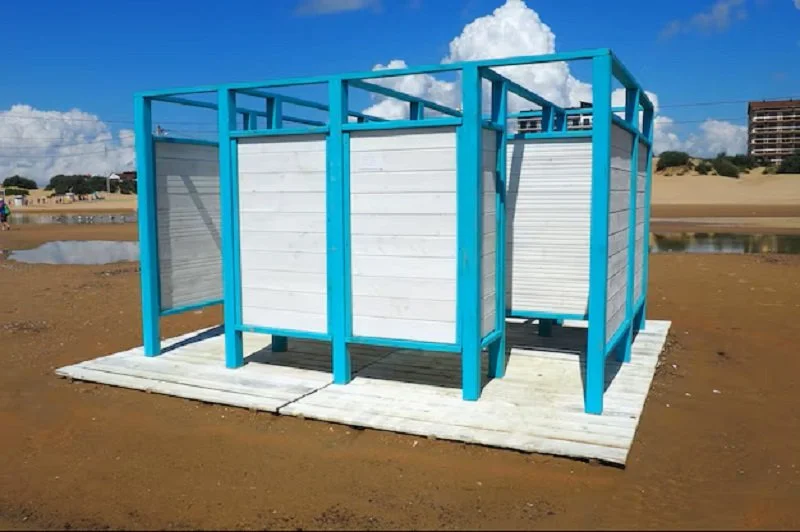
A portable ensuite combines toilet and shower facilities in a single, transportable unit. Think of it as a complete bathroom that can be delivered, set up, and removed as needed. These self-contained units typically include a flushing toilet, shower, basin, and sometimes additional features like mirrors and storage.
What sets modern portable ensuites apart from traditional portable toilets is their focus on comfort and functionality. They're designed to feel like a proper bathroom, not a temporary inconvenience. Many feature hot water systems, proper ventilation, and quality fixtures that wouldn't look out of place in your home.
Common Uses for Portable Ensuites in Australia
Across Australia, portable ensuites serve countless purposes. Construction sites rely on them to meet workplace health and safety requirements. Event organisers use them for weddings, festivals, and corporate gatherings where guest comfort matters.
Remote mining operations depend on quality portable ensuites for worker welfare. Farmers use them during harvest when crews work long hours far from permanent facilities. Plus, they're brilliant for home renovations when your bathroom is out of action for weeks.
Essential Features of High-Quality Portable Toilet Units
Hygienic Flushing Systems and Waste Management
The flushing system is arguably the most important feature of any portable toilet. Quality units feature proper flushing mechanisms that use water to remove waste efficiently, just like your toilet at home. This beats the old-fashioned drop-down systems by miles.
Modern waste management includes sealed holding tanks that contain odours and prevent contamination. Some units connect to mains sewerage where available, while others use self-contained tanks requiring periodic servicing. The best systems make waste management virtually invisible to users.
Ventilation and Odour Control Technology
Nobody wants to walk into a stuffy, smelly portable toilet. That's why ventilation technology has become a priority for manufacturers. Effective airflow systems constantly circulate fresh air while extracting stale air and odours.
Many units now incorporate chemical treatments that break down waste and neutralise smells. Some feature solar-powered extraction fans that work around the clock without needing external power. The result? A fresh-smelling facility that users actually feel comfortable entering.
Durable Construction and Weather Resistance
Australian conditions demand tough construction. Quality portable ensuites use materials that withstand extreme heat, heavy rain, and strong winds. Fibreglass, reinforced plastics, and powder-coated metals are common choices.
UV-resistant coatings prevent sun damage and fading, particularly important in our harsh climate. Waterproof seals keep the interior dry during storms, while solid flooring handles heavy foot traffic without damage. A well-built unit should last years with proper maintenance.
Accessibility Features for All Users
Inclusive design matters. Modern portable ensuites increasingly include accessibility features like wider doorways, grab rails, and wheelchair-accessible layouts. These features aren't just nice extras—they're often legal requirements for public events.
Non-slip flooring reduces accident risks for all users. Adequate interior space allows comfortable movement, and thoughtful placement of fixtures makes them usable for people of varying abilities. When hiring, always check accessibility options if you're expecting diverse users.
Must-Have Features in Modern Portable Shower Units
Hot and Cold Water Systems
A proper shower needs temperature control. Quality portable shower units feature instant or stored hot water systems that deliver comfortable temperatures on demand. Gas-powered heaters are common, offering reliable performance even in remote locations.
Electric systems work well when power connections are available. Some units combine solar heating with backup systems, providing eco-friendly options for extended outdoor events. Whatever the method, consistent water temperature makes all the difference to user experience.
Water Pressure and Flow Efficiency
Nothing's worse than a dribbling shower. Good portable showers deliver adequate water pressure through quality pumps and properly sized plumbing. This creates a satisfying shower experience rather than a frustrating trickle.
At the same time, water efficiency matters, especially in remote locations where supply might be limited. Modern units balance pressure with conservation, often featuring flow restrictors that maintain pressure while reducing consumption. Some include timers to prevent excessive use.
Drainage Solutions and Environmental Considerations
Where does the water go? Responsible drainage is crucial, particularly on sensitive sites. Quality portable showers include proper drainage systems that capture grey water for appropriate disposal.
Some units feature holding tanks for sites without drainage infrastructure. Others connect to existing sewerage or approved disposal points. Environmental compliance is increasingly important, so always confirm how your hired unit handles wastewater.
Privacy and Security Features
Privacy is non-negotiable. Solid construction with no gaps or clear panels is standard in quality units. Lockable doors give users peace of mind, while adequate interior space prevents that cramped, exposed feeling.
External features like screening can enhance privacy further. For events, positioning units thoughtfully adds another layer of discretion. Security features also protect against vandalism, particularly important for unattended sites.
What Should You Look for When Hiring a Portable Ensuite?
Size and Capacity Requirements
Choosing the right size depends on your needs. Consider how many people will use the facilities and for how long. A small renovation might need just one compact unit, while a festival requires multiple larger facilities.
Think about peak usage times too. Interval breaks at events create rush periods where capacity matters most. Your hire company can advise on appropriate numbers, but always err on the side of more rather than fewer units.
Power and Water Connection Options
Understanding connection requirements helps you plan effectively. Some portable ensuites need mains power and water, while others are completely self-contained with their own tanks and generators.
Self-contained units offer flexibility for remote locations but require regular servicing. Connected units reduce ongoing maintenance but need infrastructure. Discuss your site conditions with providers to find the best match.
Ease of Setup and Transport
How will the unit reach your site? Most portable ensuites arrive on trucks and require crane lifting or forklift placement. Access considerations include gate widths, overhead clearances, and ground conditions.
Setup time varies from quick delivery to more complex installations. For events, factor installation and removal times into your planning. Some units need stabilising on uneven ground, so site preparation might be necessary.
How Do Portable Ensuites Maintain Hygiene Standards?
Antimicrobial Surfaces and Easy-Clean Materials
Hygiene starts with materials. Modern portable ensuites use smooth, non-porous surfaces that resist bacterial growth and clean easily. Antimicrobial treatments add extra protection, particularly on high-touch areas like handles and taps.
Seamless construction reduces places where dirt and germs can hide. Quality fixtures resist staining and corrosion, maintaining their hygienic appearance over time. These material choices make regular cleaning more effective.
Handwashing Stations and Sanitisation Points
Proper handwashing facilities are essential. Quality units include basins with running water, soap dispensers, and hand drying options. Some feature touchless taps that reduce cross-contamination risks.
Hand sanitiser dispensers provide additional protection, particularly valuable during health-conscious times. Paper towel holders or air dryers complete the handwashing experience. These features aren't optional extras—they're fundamental to maintaining hygiene standards.
Comfort and Convenience Features Worth Considering
Lighting and Climate Control
Good lighting makes facilities feel safe and welcoming. LED systems provide bright, energy-efficient illumination that works day and night. External lighting helps users find their way in darkness.
Climate control varies from basic ventilation to air conditioning in premium units. In Australia's extremes, temperature management significantly improves user comfort. Insulated panels help maintain comfortable temperatures with less energy.
Storage Space and Interior Layout
Thoughtful interior design makes a difference. Hooks for bags and clothing keep belongings off the floor. Shelving provides space for toiletries during showers. Mirrors and adequate bench space add practical touches.
Layout affects usability too. Sufficient room to move, dress, and dry off without bumping walls transforms the experience. Premium units offer surprisingly spacious interiors that feel genuinely comfortable.
Are Portable Ensuites Suitable for Remote Australian Locations?
Absolutely! In fact, portable ensuites were designed with remote locations in mind. Self-contained units carry everything needed—water tanks, waste storage, power generation—making them perfect for the outback, remote beaches, and isolated worksites.
Durability features handle challenging conditions while reliable systems operate independently of infrastructure. For remote Australian locations, portable ensuites aren't just suitable—they're often the only practical option.
Conclusion
Modern portable ensuites have transformed what’s possible for temporary bathroom facilities. From advanced flushing systems and climate control to accessibility features and eco-friendly water management, today’s units deliver genuine comfort, hygiene, and convenience.
When choosing a portable ensuite, consider your specific needs carefully—such as the number of users, site conditions, connection options, and the features that matter most to your situation. Whether you’re planning a weekend event, a home renovation, or managing a long-term worksite, working with a provider that allows you to hire portable toilet and shower in Melbourne gives you access to well-maintained, compliant units designed for different environments.
The right portable ensuite makes life easier for everyone who uses it. Take the time to explore your options, ask the right questions, and choose a reliable hire solution. Your guests, workers, or family members will appreciate facilities that are clean, comfortable, and practical—because good hygiene and comfort should never be compromised, even away from permanent plumbing.

