

A resource for those seeking information on organizing and transforming spaces.

How to Stay Organized When Using Party and Event Rentals Los Angeles for Stress-Free Hosting
Party and event rentals in Los Angeles can turn a chaotic event into a smooth, memorable experience when everything is planned with intention.
We partnered with a home improvement company for this post. The opinions in the post are honest. All reviews and opinions expressed in this post are based on our personal views. We are excited because we know you will love it.

Party and event rentals in Los Angeles can turn a chaotic event into a smooth, memorable experience when everything is planned with intention.
I learned this the hard way while helping a friend organize a backyard birthday party that quickly grew from 10 guests to over 40 people.
At first, we thought grabbing a few chairs and a table would be enough, but as the guest list expanded, so did the stress.
That’s when we realized how important it is to stay organized when working with rental equipment, timelines, and vendors.
Planning an event in a fast-paced city like Los Angeles means juggling multiple details at once.
You’re dealing with traffic, limited setup windows, and last-minute changes that can throw everything off track.
If you don’t have a system, even the smallest detail can become overwhelming.
I found that learning how to manage rentals properly made a huge difference.
Using services like party and event rentals Los Angeles helped us streamline the entire process, but only because we approached it with a plan.
Start With a Clear Event Vision
Before you rent anything, you need to know exactly what kind of event you’re hosting.
Is it a casual backyard gathering, a formal wedding reception, or a corporate networking event?
Each event style requires different equipment, layouts, and timelines.
For example, when I planned a small outdoor dinner party, I initially thought basic folding tables would work.
But once I visualized the space, I realized that a long banquet table created a more intimate and elevated atmosphere.
That small change completely transformed the experience for guests.
Think about your event in terms of mood, flow, and guest experience.
Are people sitting, mingling, or dancing?
Do you need lounge furniture, a stage, or lighting?
Having a clear vision prevents you from renting unnecessary items and keeps your planning focused.
Create a Detailed Rental Checklist
One of the biggest mistakes people make is underestimating how many items they actually need.
I’ve seen hosts forget things like trash bins, serving utensils, or even enough chairs for their guests.
To avoid this, build a detailed checklist that covers every aspect of your event.
Essential rental categories to consider
Seating and tables.
Linens and table settings.
Lighting and decor.
Audio or DJ equipment.
Bar setups and serving stations.
Tents or canopies.
Dance floors and staging.
When I helped organize a wedding reception, we almost forgot the cocktail tables for the welcome hour.
That would have left guests holding drinks with nowhere to gather comfortably.
A simple checklist saved us from that awkward situation.
Map Out Your Event Timeline
Timing is everything when working with rental services.
Delivery windows, setup times, and pickup schedules all need to align with your event plan.
Los Angeles traffic alone can impact your entire schedule.
If a delivery is delayed, your setup could be rushed or incomplete.
I always recommend creating a timeline that includes.
Delivery and setup time.
Vendor arrival times.
Guest arrival.
Event start and end.
Breakdown and pickup.
During a corporate event I attended, the team didn’t account for setup time, and guests arrived while equipment was still being arranged.
It created a disorganized first impression that could have been avoided with better planning.
Communicate Clearly With Vendors
Clear communication is one of the most overlooked parts of event planning.
Even the best rental equipment won’t help if there’s confusion about what’s being delivered or when.
Make sure you confirm every detail ahead of time.
Key details to confirm
Exact delivery address and access instructions.
Setup responsibilities.
Quantity and condition of items.
Pickup timing.
I once worked on a private party where the delivery team couldn’t find the venue entrance because instructions weren’t provided clearly.
That delay pushed everything back and added unnecessary stress.
A quick confirmation call the day before can prevent these issues.
Plan Your Layout in Advance
Knowing where everything will go is just as important as what you rent.
A well-planned layout improves flow, keeps guests comfortable, and makes the space feel intentional.
Start by sketching out your venue, even if it’s just a rough drawing.
Think about how guests will move through the space.
Where will people gather?
Where will food be served?
Where is the main focal point?
At one event I attended, the bar was placed too close to the entrance, causing congestion as soon as guests arrived.
Moving it to a side area would have created a much smoother flow.
Prepare for Unexpected Changes
No matter how well you plan, something will always change.
Weather, guest count, or timing can shift at the last minute.
When we hosted an outdoor engagement party, the weather forecast changed the night before.
We had to quickly arrange a tent to keep guests comfortable.
Because we had already identified backup options, the change didn’t turn into a crisis.
Always have a contingency plan.
Backup ideas to consider
Extra seating.
Tent options for outdoor events.
Additional lighting.
Flexible layouts.
Being prepared helps you stay calm when things don’t go exactly as planned.
Keep Everything Organized on Event Day
On the day of the event, things move quickly.
If you don’t have a system, it’s easy to lose track of details.
I like to keep a simple checklist and timeline on my phone.
It helps me stay focused and ensures nothing gets missed.
Assign responsibilities if you have a team.
Even a small group of helpers can make a big difference when everyone knows their role.
At a birthday party I helped organize, we assigned one person to handle rentals, another to manage food, and another to greet guests.
That structure made the entire event run smoothly.
Focus on the Guest Experience
At the end of the day, guests won’t notice every detail you stressed over.
What they will remember is how the event made them feel.
Comfortable seating, good lighting, and a smooth flow all contribute to a positive experience.
That’s why choosing the right rental equipment and organizing it properly matters.
I’ve attended events with simple setups that felt amazing because everything was well thought out.
I’ve also seen elaborate setups fall flat because the layout didn’t work.
Organization is what brings everything together.
Final Thoughts on Staying Stress-Free
Planning an event in Los Angeles doesn’t have to feel overwhelming.
When you approach rentals with a clear vision, a detailed checklist, and a solid timeline, everything becomes easier to manage.
From my own experience, the difference between a stressful event and a smooth one often comes down to preparation.
When you stay organized, you’re able to actually enjoy the event instead of worrying about what might go wrong.
Take the time to plan, communicate, and prepare.
That’s how you turn a complex event into something that feels effortless.

Seasonal Home Reset: A Practical Guide to Organizing Four Times a Year
Every change of season brings a chance to refresh your space and routines. Without a plan, out-of-season items pile up, storage zones overflow, and small tasks turn into big cleanups. A seasonal home reset, sometimes called seasonal organization, breaks the cycle of reactive chores and ensures your home adapts to changing needs throughout the year.
Every change of season brings a chance to refresh your space and routines. Without a plan, out-of-season items pile up, storage zones overflow, and small tasks turn into big cleanups. A seasonal home reset, sometimes called seasonal organization, breaks the cycle of reactive chores and ensures your home adapts to changing needs throughout the year.
In this guide, you will learn how to:
• Stage and store seasonal items to free up daily living space
• Pick a decluttering method that matches your pace and goals
• Build storage zones and visual cues that reset each quarter naturally
• Refresh decor and ambiance without a major renovation
• Swap and manage your wardrobe with simple, repeatable steps
• Keep momentum with monthly mini-resets and quarterly audits
• Leverage apps and family challenges to make resets a shared habit
Ready to turn overwhelm into order and build a sustainable home organization system? Let’s explore why seasonal resets matter and set the stage for a smoother, more adaptive home.
Why Seasonal Resets Matter
Seasonal home resets offer a rhythmic approach to home care. One room at a time, you evaluate, remove unused items, and apply small updates before the calendar shifts. This schedule adapts your space to changing weather, activities, and routines.
An ounce of prevention is worth a pound of cure: proactive decluttering, wardrobe swaps, and decor refreshes lead to less reactive cleaning, lower stress, and a welcoming environment year-round.
Over time, this routine prevents overwhelming cleanups and makes it easier to enjoy each season.
Reduced Clutter Through Proactive Storage
• Pack away out-of-season items like beach towels or holiday decor to free up visual and physical space
• Establish dedicated storage zones for seasonal gear (rain boots, sports equipment) near entryways
• Refresh underused areas such as porches or fire-pit nooks to keep every zone functional
• Designate a rest or recharge space, such as a reading nook, to prevent clutter in relaxation areas
Improved Mental Well-Being With Intentional Spaces
Cultivating seasonal moods through scents, textiles, and artwork supports emotional balance. Setting up a cozy corner in fall or a bright reading spot in spring gives family members a go-to retreat. This approach reduces decision fatigue and encourages consistent self-care.
Optimized Living Spaces for Each Season
Plan storage and traffic flow around upcoming routines and events. Pre-stage adventure bags, sports gear, or game-night supplies for quick access. This system streamlines daily life, fosters engagement in planned activities, and keeps your home adaptable and organized.
Choosing Your Seasonal Reset Framework
Selecting a decluttering method is the first step to a smooth seasonal reset. Each framework offers a clear process and goals. Review the options below to find a match for your home, schedule, and personal style.
KonMari Method
Developed by Marie Kondo, this method organizes by category rather than by room. You gather all items in a category, hold each one, and decide if it sparks joy. It suits those who prefer reflection and aim for a minimalist outcome.
Key Steps
• Tidy by category: clothes, books, papers, komono (miscellany), and sentimental items
• Keep only what brings genuine satisfaction
• Store items thoughtfully to highlight treasured pieces
Ski Slope Method
Visualize a slope of clutter from high to low priority. Start at the top with the most obvious discard candidates and work downward. This fast-paced approach suits busy schedules and drives quick wins in your seasonal decluttering.
Swedish Death Cleaning
Inspired by the Swedish concept of "dostadning," or preemptive decluttering, this method focuses on reducing belongings for your heirs. It is ideal for downsizers or anyone who wants a legacy-focused reset. Emphasis is on thoughtful letting go and meaningful curation.
Four-Box Method
Assign every item to one of four boxes: Keep, Donate, Trash, or Store. This simple system keeps decisions on track and reduces indecision during your seasonal reset.
Box Definitions
• Keep: daily essentials
• Donate: items in good condition
• Trash: broken or unusable goods
• Store: out-of-season or sentimental belongings
Packing Party Method
Pretend you are moving and pack belongings by category. Unpack only what you need immediately. Items left in boxes become candidates for donation or disposal. This playful approach adds urgency and clarity to your seasonal swap.
Building Sustainable Organizational Systems for Each Season
Smart systems reduce clutter and keep your home ready for change. Align storage with routines to create setups that reset each quarter naturally.
By mapping how items move and placing them by use, you save time on every seasonal switch. These steps foster a self-maintaining system that adapts to your family’s needs.
Mapping Item Flow in Your Home
• Track where key items live and move during daily routines
• Note drop zones for keys, mail, and bags near entry points
• Sketch a simple floor plan and mark high-use areas and traffic paths
• Use this map to adjust storage and prevent clutter buildup
Frequency-Based Storage Placement
Organize belongings by how often you use them:
• Daily items: keep at eye level or in entryway bins
• Weekly items: store on lower shelves or just out of reach
• Seasonal items: move to higher shelves, under beds, or in the garage
This method saves retrieval time and supports your natural habits.
Designing for Ease of Reset
Modular Storage Units
Choose stackable bins, open baskets, and drawer dividers that fit your shelves. Modular units adapt to different spaces and tasks each season.
Labels and Visual Cues
Use clear labels or color tags to identify storage zones. Rotate labels or swap colored boxes each season to signal a seasonal reset. Visual cues guide everyone through the changeover with minimal effort.
Seasonal Decor Refresh & Ambiance
A simple decor refresh can revitalize any space four times a year without a major renovation. Focus on easy swaps that reinforce each season’s mood and make your home feel intentional.
Defining Your Seasonal Mood
Choose words like light, energetic, cozy, or calm. Translate them into decor by selecting color accents and wall art that match. Think pastel pillows for spring, fresh greens for summer, jewel tones in fall, and natural textures in winter.
Textile Swaps & Layering
Pack away summer linen cushions and beach towels. Bring in heavier throws, wool rugs, and velvet pillows for cooler months. Rotate curtains to adjust light control and reinforce seasonal texture changes.
Scent & Sensory Ambiance
Use diffusers or candles with citrus or floral blends in spring and summer. Shift to spice-scented candles like cinnamon or clove in autumn. In winter, choose pine or vanilla scents to enhance warmth.
Quick Space Revivals
Transform underused spots by adding seating and layered textiles on a porch in the fall. Or create a personal reading nook with a cozy chair, soft throw, and functional accents such as a wooden board or an open book to anchor the space.
Rotating Seasonal Items & Wardrobe Management
Preparing for the Swap
Block uninterrupted time and set up a sorting area with empty hangers, storage bins or vacuum-seal bags, donation boxes, and a notepad. Remove every piece from closets and drawers to assess what to keep, store, donate, or discard.
Packing Off-Season Items
Always launder or dry-clean garments before packing to prevent odors and stains. Fold bulky knitwear to avoid stretching and use breathable garment bags for delicate pieces. Store items in clearly labeled plastic bins or under-bed containers. Tuck cedar blocks or lavender sachets inside for moisture control and pest prevention.
Curating Your Active Wardrobe
Group current-season items by type and color on matching hangers for a streamlined look. Designate accessible spaces for daily essentials, accessories, and shoes. Keep a running list of wardrobe gaps to guide targeted shopping, and follow a one-in, one-out rule to sustain balance. If you need to update your essentials, consider adding versatile seasonal tops that mix easily with existing pieces.
Monthly & Quarterly Check-Ins: Maintaining Your Reset
Monthly Micro-Resets
A brief monthly routine stops small messes from becoming big tasks. Spend 10 minutes on one targeted zone to keep your system intact.
• Clear one catchall zone, such as an entryway table or kitchen counter
• Purge expired items from bathroom or pantry shelves
• Wipe down storage containers and label any new bins
• Straighten decor and swap a seasonal accent piece to refresh the space
Quarterly Reviews
Every three months, conduct a focused audit of core areas. Block 1–2 hours to examine closets, paperwork, and infrequently used storage. Adjust systems as needed, donate unused items, and note new organizational needs.
What to Check
• Closet edit: remove items not worn in six months or that no longer fit
• Paper purge: sort through mail and shred or recycle outdated documents
• Kitchen audit: declutter gadgets, utensils, and spice jars past their prime
Regular micro-resets and quarterly reviews sustain clarity and make each seasonal reset smoother.
Tech Tools & Family Engagement for Seasonal Resets
Seasonal resets go smoother when everyone pitches in and digital tools keep you on track. From productivity apps to budget-friendly tech and gadgets, simple resources make home organization easier. Use shared apps, printable guides, and family challenges to turn tasks into a collaborative habit.
Task Management Apps
• Todoist for shared to-do lists and recurring seasonal tasks
• OurHome to gamify chores with points and rewards for kids
Digital Checklists & Guides
Use digital templates and planners to log progress and store notes.
• AnyList for meal planning and shopping lists during reset weeks
• Space & Spirit™ Reset Kit via Canva Sheets for step-by-step worksheets
Family-Friendly Challenges
• Declutter bingo cards with zones to complete
• 15-minute timed tidy sprints and post-reset celebrations
• Reward charts that track team milestones
Blend these tools and activities with your seasonal reset to build lasting habits and shared ownership.
Conclusion
A seasonal home reset offers a clear path to proactive organization, improved living spaces, and reduced stress. By embracing quarterly resets and simple monthly check-ins, you transform overwhelming chores into a smooth, repeatable routine.
Key takeaways:
• Plan each seasonal reset and pack away off-season items
• Choose a decluttering framework that suits your pace
• Design storage zones with frequency-based placement and visual cues
• Refresh decor with textile swaps, scents, and seasonal accents
• Manage your wardrobe with clear packing steps and a one-in, one-out rule
• Sustain momentum with monthly micro-resets and quarterly audits
• Involve family using apps, digital checklists, and friendly challenges
This guide equips you with practical methods and sustainable systems for a home that adapts to every season. Start small, stay consistent, and enjoy a balanced, organized space all year long. Embrace seasonal resets and watch your home transform into a welcoming environment that flows with your life.
Ellie Williams

Ellie Williams studied at Miami State University and majored in Marketing with a minor in creative writing. She enjoys doing freelance writing on general business, wellness, and lifestyle tips. During her free time, she enjoys catching up with friends and family or attending local events.
Ways to Inject More Personality Into Your Home
Give your home more personality with color, texture, art, and personal touches that reflect your lifestyle and tell your story in every room.
Where you live should feel like a reflection of who you are, not a page torn from a catalog. Injecting personality into your home doesn’t require a full renovation or expensive furniture. Often, it’s the thoughtful details, meaningful choices, and creative layering that turn a house into a home that feels truly lived in.
Start With Color That Speaks to You
Color is one of the fastest ways to express personality. Whether you lean toward calm neutrals or bold, saturated tones, the colors you choose set the emotional tone of each room.
Painting a single accent wall, refreshing cabinetry, or even incorporating color through textiles can dramatically change how a space feels. Don’t worry too much about trends. Colors that resonate with you will always feel more authentic and timeless than whatever is currently popular.
Add Art Pieces That Tell a Story
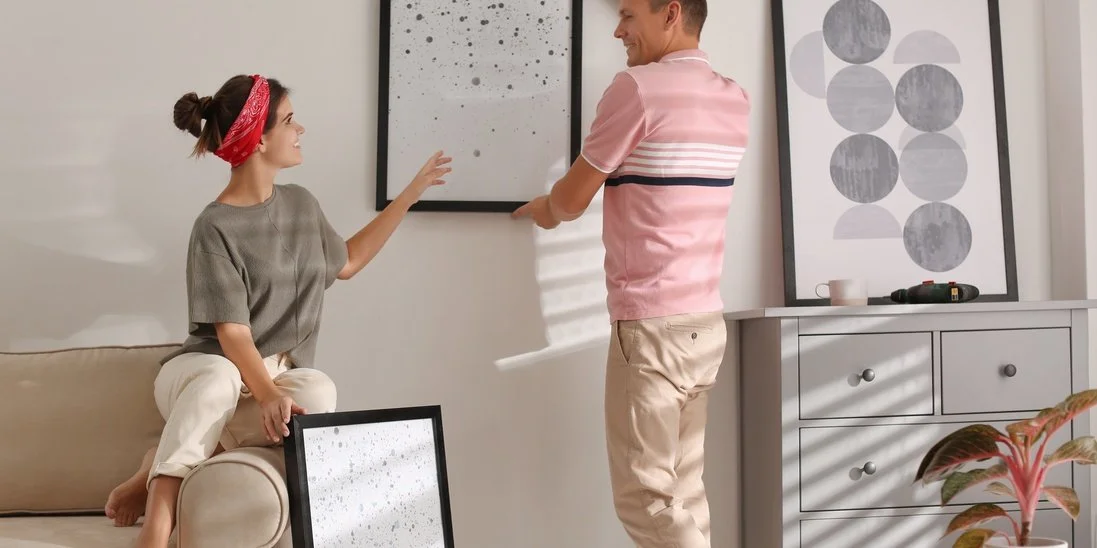
Adding art pieces is one of the most powerful ways to personalize your home. Art brings emotion, history, and individuality into a space, whether it’s a large statement painting, a gallery wall of family photos, or a small sculpture picked up during travels.
The key is choosing pieces that mean something to you rather than filling walls just to fill them. If you feel like you don’t know where to start, there are a few sure-fire ways to begin your journey into the world of collecting art pieces that mean something to you.
Layer Textures for Depth and Comfort
Personality isn’t just visual; it’s something you feel. Layering textures adds warmth and depth that instantly makes a home feel more inviting.
Soft throws, woven rugs, natural wood, leather accents, and textured wall finishes all contribute to a richer environment. Combining smooth and rough surfaces helps create balance while giving each room a sense of character and comfort.
Showcase Personal Collections and Memories
Your interests and experiences are what make your home uniquely yours. Displaying books you love, collectibles, heirlooms, or souvenirs from meaningful moments brings authenticity into your space.
These items spark conversation and remind you daily of what matters most. When arranged thoughtfully, even small collections can feel intentional and elevate the overall design rather than clutter it.
Play With Lighting and Mood
Lighting plays a huge role in how personality shows up in your home. Swapping out basic fixtures for statement lighting or adding layered light sources like table lamps and floor lamps creates ambiance and flexibility.
Warm lighting can make a room feel cozy and intimate, while brighter options energize workspaces. Choosing fixtures that align with your style adds character even when the lights are off.
Let Your Home Evolve With You
Knowing some ways to inject more personality into your home isn’t about perfection or finishing everything at once; it’s an ongoing process that evolves as you do. Allow your space to grow, change, and adapt with new experiences, tastes, and phases of life. When your home reflects your journey, it becomes more than just a place to live; it becomes a personal expression of who you are.

Increase Your Home’s Value With These Outdoor Projects
Boost curb appeal and resale value with simple outdoor upgrades like lighting, landscaping, patio care, and storage that make your home feel comfortable.
First impressions shape how buyers judge a home, and the yard and exterior set the tone before anyone steps inside. A few focused updates can raise perceived value fast, especially when they make the space look clean, cared for, and ready to use. Increase your home’s value with just a few outdoor projects you can start completeing in a weekend.
Start With Curb Appeal Basics
Wash siding, sweep walkways, and edge the lawn so the front of the house looks sharp. Trim shrubs away from windows and remove any dead plants so the entry feels open and bright.
Refresh the front door with paint that suits your exterior colors, then swap in modern hardware if yours looks worn. Add a simple doormat and keep the porch light fixture clean so the entry reads polished day and night.
Upgrade Outdoor Lighting
Good lighting improves safety and helps the home show well during evening drive-bys. Replace dated fixtures with coordinated styles, and choose warm LEDs that keep the exterior inviting.
Add path lights along walkways and highlight key features like a mature tree or the front steps. These outdoor home projects help the yard feel intentional without turning the space into a weekend-long renovation.
Improve Landscaping Without Overdoing It
Focus on healthy, tidy planting beds with mulch that looks fresh and consistent. Choose hardy, low-maintenance plants that fit your climate so the yard keeps its shape through the seasons.
Define the yard with clean borders around beds and a clear line between grass and hardscape. Keep irrigation in check, fix obvious dry spots, and fill bare areas so the yard looks full instead of patchy.
Refresh Patios, Decks, And Outdoor Surface
A clean patio or deck signals that the outdoor space works as an extra room, not an afterthought. Power wash concrete, clean pavers, and stain or seal wood so surfaces look even and cared for.
Stay on top of algae and dark spots, since stains make buyers assume deeper moisture problems. Use this guide to protect patio from mold and keep the space looking bright through humid months.
Add Smart Storage And Defined Zones
Buyers love outdoor areas that look organized, so hide clutter with a weatherproof bench, a small shed, or tidy bins. Keep tools, toys, and hoses out of sight so the yard feels larger and more usable.
Create one clear “use” area, such as a small dining spot or a conversation corner, so people picture themselves outside. These outdoor home projects don’t just increase value—they support real daily living, which makes your home even more desireable to buyers.
Finish With Consistent Maintenance
Fix leaning fence panels, touch up peeling paint, and tighten loose railings so nothing looks neglected. A consistent maintenance routine protects your upgrades and helps your home stand out when it hits the market.
With these simple outdoor projects, you can increase your home’s curb appeal and help it stand out to potential future buyers. Start with a few simple changes in a weekend and see the difference in your property.

