

A resource for those seeking information on organizing and transforming spaces.

How Attic Lifts Turn Wasted Space Into Premium Storage
Many homeowners struggle with cluttered garages, overflowing closets, and the constant feeling of not having enough storage. Yet, just above the ceiling sits one of the most underused spaces in the entire home—the attic. The challenge isn’t the space itself but the difficulty and danger of accessing it. Attic lifts offer a modern, practical solution that transforms this overlooked area into safe, convenient, premium storage. By eliminating the risks of ladders and heavy lifting, attic lifts unlock a world of possibilities for organization, safety, and home efficiency.

Many homeowners struggle with cluttered garages, overflowing closets, and the constant feeling of not having enough storage. Yet, just above the ceiling sits one of the most underused spaces in the entire home—the attic. The challenge isn’t the space itself but the difficulty and danger of accessing it. Attic lifts offer a modern, practical solution that transforms this overlooked area into safe, convenient, premium storage. By eliminating the risks of ladders and heavy lifting, attic lifts unlock a world of possibilities for organization, safety, and home efficiency.
Understanding Why Attics Often Go Unused
Most attics remain untouched not because homeowners lack storage needs, but because the space is difficult and unsafe to access. Steep ladders, narrow steps, and awkward angles make carrying boxes a risky task, increasing the likelihood of falls, strains, and dropped items. Even for physically capable homeowners, the process is inconvenient and time‑consuming, which discourages regular use. As a result, valuable square footage sits idle while storage needs continue to grow. Attic lifts change this dynamic entirely by eliminating the hazards of traditional attic access and making the space as accessible and functional as any other room in the home.
Exploring How Attic Lifts Improve Safety and Functionality
Attic lifts replace the need to climb ladders with a motorized platform that moves items safely between floors, making attic access far easier and more efficient. With the push of a button, the lift raises or lowers boxes, décor, luggage, tools, and other bulky items, eliminating the strain and instability of carrying them by hand. Built‑in safety features, sturdy construction, and generous weight capacities ensure reliable performance, while integration with existing attic openings keeps installation smooth and minimally disruptive. Beyond convenience, attic lifts significantly enhance home safety by reducing the risk of falls, back injuries, and dropped belongings. For seniors or anyone with mobility challenges, they restore safe access to valuable storage space and support long‑term independence by removing the hazards associated with traditional attic ladders.
Transforming Attics Into Organized, Accessible Storage
Once an attic lift is installed, the attic becomes a practical extension of the home—one that’s easy to reach and simple to keep organized. Seasonal décor, camping gear, sports equipment, and keepsakes can be stored neatly out of the way, freeing up valuable space in garages, closets, and living areas. Families can reclaim room for vehicles or hobbies, while DIYers and collectors can keep tools and supplies neatly arranged. Because the lift brings items up and down with the push of a button, accessing stored belongings becomes effortless. Whether retrieving holiday decorations or rotating seasonal clothing, homeowners can manage their storage quickly and safely. This combination of accessibility and ease encourages better organization and supports a tidy, functional home year‑round.
Evaluating Installation and Long‑Term Value
Installing an attic lift is typically a straightforward upgrade, since most homes already meet the basic requirements for ceiling height, attic opening size, and electrical access. Professional installers can ensure proper placement, structural support, and safe operation, making the process simple and stress‑free for homeowners. And while attic lifts do require an upfront investment, the long‑term value is substantial. They eliminate the need for off‑site storage units, reduce the risk of injuries from carrying heavy items up ladders, protect belongings from damage, and free up valuable garage or closet space. Over time, the convenience, safety, and added functionality far outweigh the initial cost, making an attic lift a smart, practical improvement for any home.
Attic lifts offer a smart, practical way to transform wasted attic space into premium, accessible storage. By improving safety, enhancing convenience, and expanding usable square footage, they help homeowners get more out of their homes without major renovations. Whether you’re looking to declutter, organize, or simply make storage easier, an attic lift is a powerful upgrade that turns hidden space into one of your home’s greatest assets.
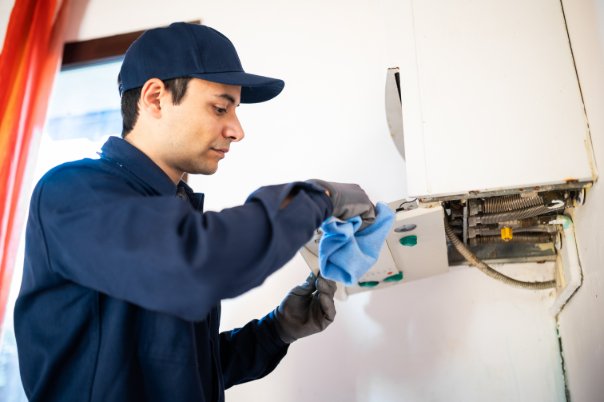
The Ultimate Homeowner’s Guide to Annual Heating Maintenance
Annual heating maintenance is one of the most effective ways to keep your home comfortable, efficient, and safe throughout the colder months. A well‑maintained system runs more smoothly, experiences fewer breakdowns, and uses less energy to heat your home. Many homeowners don’t realize how much strain their heating system endures each winter, making routine service essential for long‑term performance. With a simple yearly tune‑up, you can avoid unexpected repairs and enjoy consistent, reliable warmth.
Annual heating maintenance is one of the most effective ways to keep your home comfortable, efficient, and safe throughout the colder months. A well‑maintained system runs more smoothly, experiences fewer breakdowns, and uses less energy to heat your home. Many homeowners don’t realize how much strain their heating system endures each winter, making routine service essential for long‑term performance. With a simple yearly tune‑up, you can avoid unexpected repairs and enjoy consistent, reliable warmth.
The Benefits
Annual heating maintenance offers a wide range of advantages that go far beyond basic comfort. A yearly tune‑up helps your system run more efficiently, last longer, and operate more safely, making it one of the smartest investments you can make in your home.
Improved Efficiency
A clean system doesn’t have to work as hard to heat your home, which means it uses less energy and delivers more consistent airflow. Removing dust and buildup from internal components helps the system operate at peak performance. Over time, this improved efficiency can lead to noticeable savings on your monthly utility bills.
Fewer Repairs
Most heating issues start small—loose connections, worn parts, or minor airflow problems. During a tune‑up, a technician can spot these early warning signs before they turn into costly repairs. Preventing breakdowns not only saves money but also ensures your home stays warm when you need it most.
Longer Lifespan
Heating systems last significantly longer when they’re maintained regularly. Tune‑ups reduce stress on motors, burners, and heat exchangers, helping each component perform better for more years. This means you can delay the expense of a full system replacement and get the most value from your investment.
Cleaner Air
Dust, debris, and allergens can build up inside your heating system and circulate through your home. Replacing filters and cleaning internal parts helps improve indoor air quality and reduces the amount of airborne particles your family breathes. This is especially beneficial for households with allergies or respiratory concerns.
Better Safety
Safety is one of the most important reasons to schedule annual maintenance. Technicians check for carbon monoxide leaks, gas line issues, and electrical hazards that could put your home at risk. A yearly inspection ensures your system operates safely and gives you peace of mind throughout the heating season.
The Warning Signs
Even with regular maintenance, certain symptoms indicate your system needs immediate attention. Unusual noises—such as banging, rattling, or squealing—often signal mechanical issues. Burning or musty smells can point to electrical problems or dust buildup inside the system. Uneven heating, cold spots, or weak airflow may indicate blocked ducts or failing components. Rising energy bills without a clear cause can also be a sign that your system is struggling. If your furnace cycles on and off frequently or produces a yellow burner flame, it’s important to call a professional right away to prevent further damage.
Tune‑Ups and Scheduling
A professional tune‑up includes a thorough inspection, cleaning, and adjustment of your heating system. Technicians check electrical connections, test safety controls, clean burners or coils, verify airflow, and calibrate the thermostat to ensure accurate temperature control. This detailed process helps your system run more efficiently and reduces the risk of unexpected failures.
The best time to schedule maintenance is early fall, before temperatures drop and HVAC companies become busy. Booking service ahead of the cold season ensures your system is ready when you need it most. When choosing a technician, look for proper licensing, certifications, and experience with your specific system type. A reputable professional, such as someone like TRS Heating and Air Conditioning, will provide transparent pricing, clear communication, and reliable service, giving you confidence that your system is in good hands.
The DIY Tasks
Homeowners can support their heating system with a few simple maintenance tasks throughout the year. Replacing air filters regularly helps maintain proper airflow and reduces strain on the system. Keeping vents and returns clear of furniture, dust, and debris ensures warm air can circulate freely. Checking thermostat settings and replacing batteries when needed helps maintain consistent temperature control. While these tasks are helpful, anything involving internal components, gas lines, or electrical systems should always be left to a trained professional.
Annual heating maintenance is one of the most reliable ways to protect your home’s comfort, safety, and long‑term budget. A yearly tune‑up keeps your system running efficiently, reduces the risk of unexpected breakdowns, and helps prevent safety hazards like carbon monoxide leaks or electrical issues. By pairing professional service with simple at‑home upkeep, you can extend the life of your heating system and enjoy consistent, dependable warmth throughout the winter. With regular care and the right technician, maintaining your heating system becomes an easy habit that pays off year after year.

5 Tips for a Stress-Free Home Sale and Seamless Move to a New State
Selling your home and moving across state lines is one of the major transitions we undergo in life. It signals the end of a chapter and the exciting start of a brand-new adventure. However, the logistics of balancing a property sale with a long-distance relocation can feel overwhelming. You have to manage timelines, paperwork, and packing all at the same time. The secret to a successful transition is a mixture of early preparation and professional support.
Selling your home and moving across state lines is one of the major transitions we undergo in life. It signals the end of a chapter and the exciting start of a brand-new adventure. However, the logistics of balancing a property sale with a long-distance relocation can feel overwhelming. You have to manage timelines, paperwork, and packing all at the same time. The secret to a successful transition is a mixture of early preparation and professional support.
In this article, we’ll share five essential tips to help you navigate your home sale and interstate move with total confidence.
Partner With Local Real Estate Experts for a Faster Sale
The first step to a successful relocation is ensuring your current home sells quickly and for the best possible price. You need a professional who understands the nuances of your specific neighborhood and the current buyer climate. Local real estate agents, like those from Jones Realty SoCal, bring invaluable market data and negotiation skills to the table. They can help you identify which minor repairs will offer the highest return on investment before you list.
These experts handle the heavy lifting of marketing, showing your home, and vetting potential buyers. Having a dedicated advocate allows you to focus your energy on your upcoming move rather than worrying about the fine print of a sales contract. A great agent simplifies the legal hurdles and ensures that your closing date aligns as closely as possible with your relocation schedule.
Declutter Your Living Space to Simplify the Packing Process
Moving to a new state is the perfect opportunity to evaluate your belongings and lighten your load. Carrying items you no longer use across state lines is expensive and physically exhausting. Start by going through every room in your house and Categorizing items into keep, donate, or sell piles. This process reduces the volume of goods you need to pack and lowers your overall moving costs.
A clutter-free home also looks much more appealing to prospective buyers during open houses and private tours. It allows them to envision their own furniture in the space without being distracted by your personal overflow. By thinning out your inventory early, you make the eventual packing phase much faster and more organized. You will arrive at your new home with only the things that truly matter to your future lifestyle.
Hire Long-Distance Movers to Handle the Heavy Lifting
An interstate move involves much more than just driving a truck for a few hours. It requires careful route planning, secure loading techniques, and strict adherence to federal transportation regulations. Professional long-distance movers, such as NetMOVE, specialize in these complex logistics to ensure your furniture arrives safely. They provide the specialized equipment and sturdy packing materials needed to protect your valuables over hundreds of miles.
Hiring a full-service moving company eliminates the physical strain and mental exhaustion of doing everything yourself. They can offer tracking services so you always know exactly where your belongings are during the journey. Entrusting the heavy lifting to experienced professionals gives you the freedom to travel to your new state with peace of mind. You can focus on your family or your new job while the experts manage the physical transition of your household.
Create a Detailed Financial Plan for Your Interstate Transition
Moving to a different state often comes with hidden costs that can surprise you if you are not prepared. Beyond the obvious moving company fees, you must account for travel expenses, utility deposits, and new registration fees. It is wise to create a comprehensive budget that includes a small buffer for unexpected repairs or last-minute supplies. Research the cost of living in your new destination to understand how your daily expenses might change.
You should also keep a close eye on the net proceeds from your home sale to ensure you have liquid cash available for your new down payment. Keeping your financial documents organized in a central folder will make the mortgage process for your new home much smoother. A clear financial roadmap reduces anxiety and prevents the "sticker shock" that often accompanies a large-scale relocation.
Establish a Clear Timeline for Your Utilities and Documentation
The final piece of a seamless move is managing the administrative transition between your old life and your new one. You must coordinate the disconnection of utilities at your current home with the activation of services at your new residence. It is helpful to schedule these changes at least two weeks in advance to avoid spending your first night in the dark. You will also need to update your address with the postal service, your bank, and your insurance providers.
Don't forget to research the requirements for obtaining a new driver’s license and registering your vehicle in your new state. Many states have specific deadlines for new residents to complete these tasks after they arrive. Staying ahead of these administrative details ensures that your first week in your new home is spent relaxing rather than chasing down paperwork. A well-managed schedule turns a chaotic move into a controlled and predictable event.
Conclusion
Relocating to a new state is a bold step toward a bright future. By hiring the right professionals and staying organized, you can eliminate the typical stresses of the real estate market. Remember that preparation is your most powerful tool during this transition. Once the last box is unpacked, you will be ready to enjoy everything your new community has to offer.

How To Prepare Your Home for a Power Outage
Prepare your home for a power outage with practical tips on emergency kits, food safety, backup power options, and family planning to stay safe and comfortable.
Power outages can happen during storms, heatwaves, or unexpected equipment failures. When the lights go out, daily routines quickly become challenging. You can protect your family, safeguard your property, and reduce stress when you plan ahead. A few practical steps to prepare your home for an outage will help you stay comfortable and confident until power returns.
Build an Emergency Supply Kit
Start by gathering essential supplies and storing them in one easy to access location. Choose items that support your household for at least three days. Check expiration dates twice a year and replace anything that no longer works.
Your emergency kit should include:
Flashlights with extra batteries
Bottled water for drinking and basic sanitation
Nonperishable food and a manual can opener
A fully stocked first aid kit
Phone chargers and backup battery packs
Keep these supplies together so you can grab them quickly when an outage begins.
Protect Your Food and Appliances
Refrigerators and freezers lose their temperature quickly without electricity. Set your refrigerator to a safe temperature and keep the doors closed as much as possible. Use appliance thermometers to monitor food safety. If you expect a long outage, freeze containers of water in advance to help maintain colder temperatures.
You can also unplug sensitive electronics to prevent damage from power surges when electricity returns. Consider installing surge protectors for large appliances and entertainment systems.
Create a Reliable Backup Power Plan
Many homeowners invest in generators to keep essential systems running. Choose a generator that matches your power needs and follow all safety instructions. Place generators outdoors and away from windows to avoid carbon monoxide risks.
You might also add an uninterruptible power supply to support computers and medical devices during short interruptions. Test your backup equipment regularly so you know it works when you need it.
Improve Home Safety and Comfort
Plan for lighting before darkness falls. Place flashlights in bedrooms, hallways, and common areas. Avoid candles because they increase fire risk. During extreme weather, take steps to manage indoor temperatures. Wear layered clothing in winter and use battery powered fans in summer.
If you rely on well water, fill bathtubs with water for flushing toilets. Keep important phone numbers written down in case your mobile device loses charge.
Stay Informed and Connected
Sign up for local weather alerts and utility notifications. Charge your phones and portable battery packs before severe weather arrives. Use a battery powered radio to receive updates if cellular service becomes unreliable.
Talk with your family about your outage plan so everyone understands their role. Check on neighbors, especially older adults or anyone with medical needs. When you prepare your home for a power outage, you reduce uncertainty and gain peace of mind. Start today and build a plan that keeps your household safe, organized, and ready for whatever comes next.
Keeping Up With Everything
Take time each year to review your plan and update supplies. Replace batteries, rotate stored water, and refresh food items. Practice using your generator and other equipment so you feel comfortable operating them. Small efforts now create greater confidence during an emergency. Preparation empowers you to respond quickly and protect what matters most. Stay proactive and encourage every family member to participate in keeping your home ready for unexpected outages. Power outage preparation today prevents panic tomorrow for everyone involved.

