

A resource for those seeking information on organizing and transforming spaces.

Streamline Your Daily Routine: A Parent’s Guide To Organizing Baby & Toddler Essentials
Parents often discover how quickly small items can take over a room. A shelf that looked organized last week can turn chaotic after a few busy mornings. It helps to create systems that simplify repeated tasks. Once those are in place, the day feels steadier and less reactive.

Parents often discover how quickly small items can take over a room. A shelf that looked organized last week can turn chaotic after a few busy mornings. It helps to create systems that simplify repeated tasks. Once those are in place, the day feels steadier and less reactive.
Creating Order Around Daily Essentials
High-use items like diapers, wipes, lotions and pajamas tend to migrate across the house because parents often grab things on the go. One helpful shift is to give these items very clear landing spots. A simple basket near the changing area often works better than a full drawer. Some families coordinate their routine around regular deliveries from a diapers supplier so stock levels never fall into the “urgent scramble” zone. Keeping a small backup supply in a different bin prevents the daily basket from overflowing.
Simplifying Clothing Routines
Toddler clothes can overwhelm even tidy households since outfit changes can happen several times a day. Splitting storage into smaller, predictable zones often helps. You might keep daytime outfits on a single shelf, pajamas in a soft bin and socks in a small container. These micro-categories cut down the time spent searching for one missing item. You’ll probably find the laundry cycle feels easier because clothes are returning to more intentional spots.
Managing Feeding Gear Without Chaos
Kitchens see the most activity, and feeding gear is usually the culprit behind clutter. Bottles, snack containers and tiny spoons get scattered in ways that make restocking feel more difficult than it should. A single drawer dedicated to toddler items creates a smoother rhythm. You can also place a small tray on the counter for drying daily cups and lids, which keeps them from blending into general dishwashing.
Making Toy Organization More Predictable
Large toy bins look convenient, though young children tend to dig through them and empty everything. Smaller baskets or transparent bins usually shape a better routine. One for books, one for blocks, one for soft toys. When toys rotate weekly, the play area stays interesting without becoming overwhelming. Kids often follow the pattern once they see how simple cleanup becomes.
Using Transfer Spots Around the Home
Many parents benefit from creating tiny “transfer stations” in busy areas. These are spots where you briefly put items that belong somewhere else. A basket near the stairs or a tray in the hallway lets you gather scattered things throughout the day. In the evening, you make one trip to return everything. It reduces interruptions and still keeps the home in decent shape.
Organizing Bathroom Items for Faster Evenings
Baby shampoo, washcloths, lotions and bath toys spread out easily. A single caddy helps contain them, especially when you move between the tub and the closet. Once everything sits in one place, the sink and counters stay clear, and bath time feels less like a scavenger hunt.
Organically Finding a Home Rhythm That Works
When the home begins supporting your routine instead of competing with it, the day slows down in a good way. Systems don’t stay perfect or rigid, but that’s a good thing. They need to be flexible, to meet the changing needs of a growing child and a family adjusting on a daily basis.
Having systems ensures that the structure remains in place, even as the details might change a little to conform to needs. Go with it. You’ll start noticing where items naturally land, and you can adjust your setup to match.
As time ticks on, things will feel smoother, mornings will feel less rushed and evenings will settle more smoothly. The entire home will feel easier to manage. The best part? Instead of focusing on the clutter, you’ll be able to focus on the joys of watching your baby or toddler thrive and your family grow.
Swapping Your Winter Foliage for Spring Blooms Without Overspending
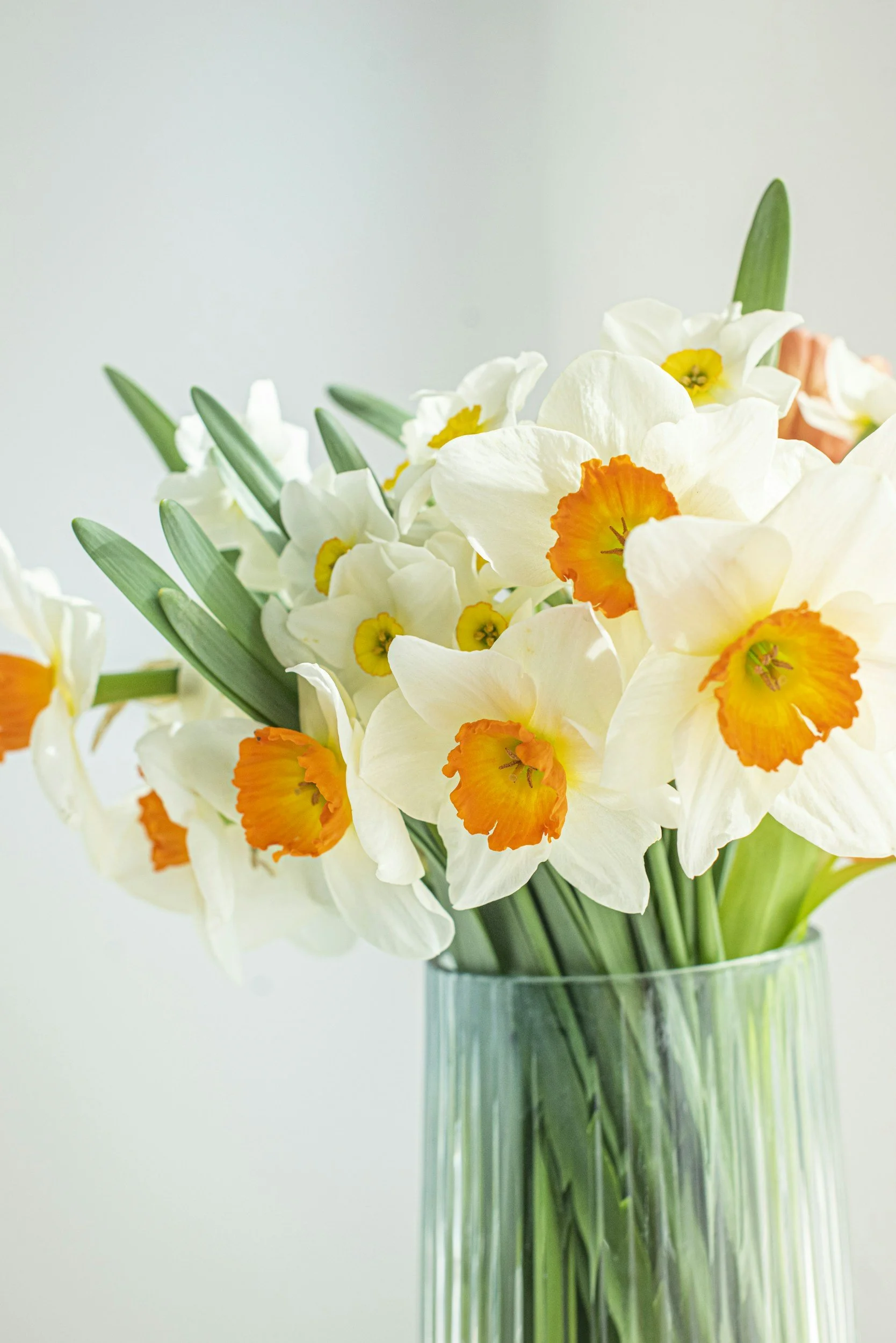
For avid gardeners, spring is an exciting time because that’s when it’s possible to add color to the garden. Evergreens are terrific for keeping some green in sight when snow is on the ground, but there’s no comparison to the palette of colors possible with vibrant spring blossoms.
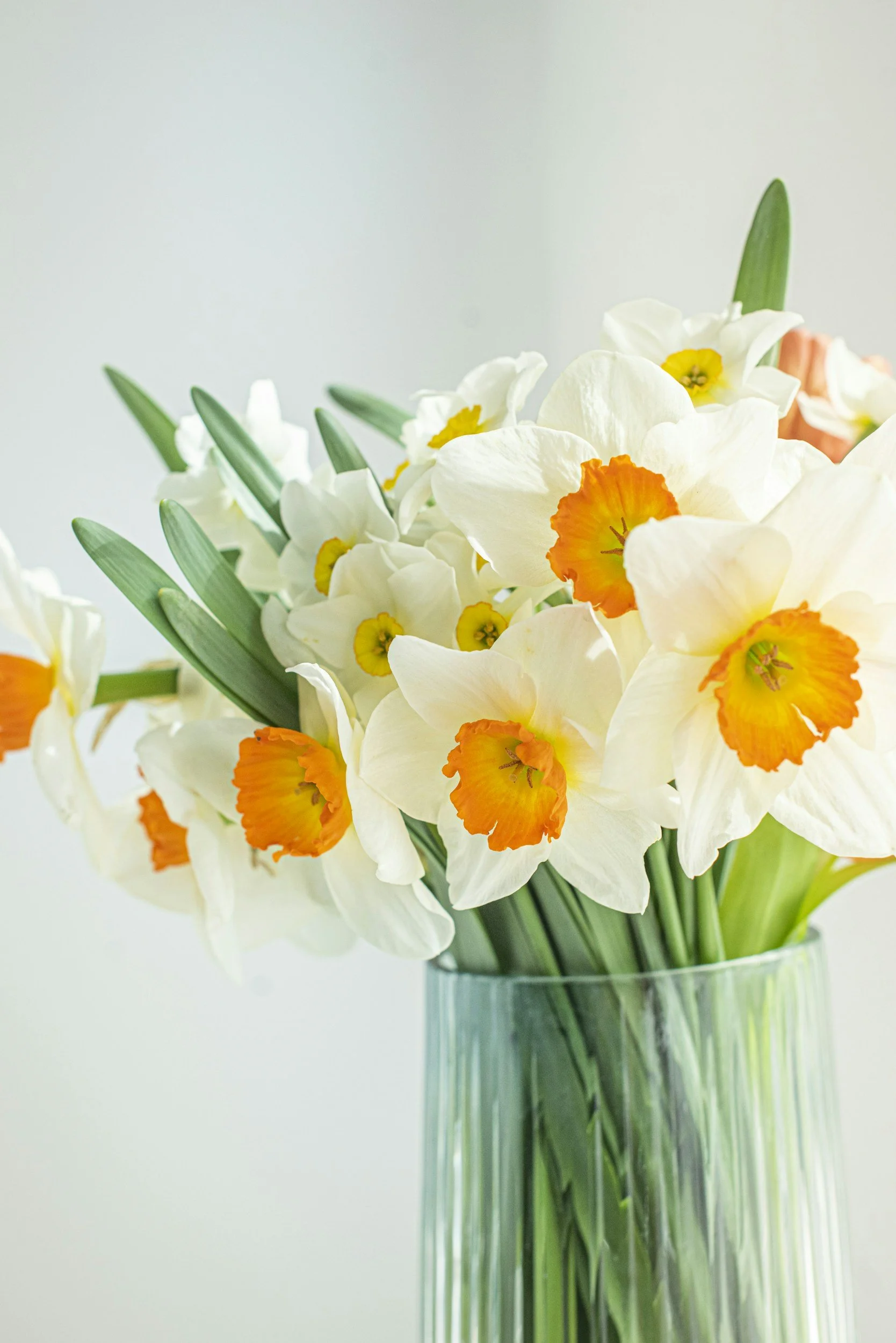
For avid gardeners, spring is an exciting time because that’s when it’s possible to add color to the garden. Evergreens are terrific for keeping some green in sight when snow is on the ground, but there’s no comparison to the palette of colors possible with vibrant spring blossoms.
Before you break all your own budgeting limits and spend hundreds on flowering plants because you’re so desperate to get rid of the drab look in your yard, consider these budget-friendly strategies for swapping your winter foliage for spring blooms — without overspending.
Create Pockets of Color
You’re one person and completely overhauling your garden isn’t easy, or necessary. Just like interior designing, all you may need for right now is a few splashes of color or, as gardeners call it, planting pockets.
Basically, this approach simply means creating focal points throughout your garden while allowing your existing evergreen foliage to take a supporting role.
Get yourself a handful of perennial plants from an online plant store, where you can find a much wider selection — and potentially healthier plants — than your local department store. Clear an area for them and then plant them in a cluster formation right in the midst of the evergreens, positioning them where they’ll be the most visible.
If you’re itching to begin but you know the still cold ground is going to be impervious to your garden shovel, plant the perennials in a beautiful large planter. Because you’re already saving money, you could even splurge for an attractive planter decoration like a whimsical, mischievous, ceramic garden gnome, or whatever appeals to you.
Start Out With Seeds
If the idea of growing plants from seeds scares you, you’ve probably never tried it. It’s surprisingly easy, especially with the ever-widening assortment of seed-growing tools available. But seriously, all you need is an egg carton, some seed-starter mix, and your choice of seeds. If a kindergartener can do this on a classroom windowsill, you can too.
Seeds should start out in the dark. Then when they sprout, you move them into a sunny window. If the sun eludes your little corner in the world, pick up an affordable grow light. Just follow the seed packet instructions and pretty soon you’ll have so many plants you’ll feel like you won the plant jackpot.
Once they’re big and strong enough to set outside, you’ll have that colorful garden you’ve been yearning for all winter! Just be sure you start your seeds in late winter, so they’ll be ready to “leave the nest” by spring.
Promote Vegetative Reproduction
You don’t need to be a botanist to utilize the miracle of propagation. This is when a new plant can be started from a cutting off another plant. It’s shockingly easy to get free plants this way.
What do you need? Sharp shears, a bowl of water, and patience. Seriously though, use your shears to make a sharp cut just underneath a node — the bump in the stem, remove any leaves that would sit below the waterline, and place the cutting in a bowl of water. You can add some rooting hormone if you want (although it’s not mandatory). Keep the cutting in fresh water and sunshine. It will grow amazingly well, and then you’ll find that you’ve doubled your number of that plant, without spending a dime.
Many gardeners are quite happy to share cuttings with fellow green-thumbers, so if you see a flowering shrub that you like, don’t be shy about asking for a cutting.
Divide and Conquer
Another way to multiply your plants is by dividing them at the root level. Wait until the soil warms up, then dig up the plant, and gently separate the roots until you can start to see the natural divisions appear. You can use your hands or a knife to then part the plant. Then you replant both parts where you like, making sure to give them extra TLC until they’re firmly re-established. This is actually healthy for your plants, too, because it helps prevent crowding.
Above all, enjoy the process. Gardens bring great joy year-round, and you should feel free to make yours your own special work of art.
AUTHOR BIO: Ken Denton owns and runs Tillie’s Flower Shop, alongside his wife and child. Denton graduated from Wichita State University with a degree in aeronautical engineering and worked as an engineer for 10 years before returning to Wichita to take over the flower shop in 1975. Denton is the third generation to own Tillie’s, the largest retail florist in Wichita and the oldest business in the city owned by the same family.

Top Design Ideas for Epoxy Flake Flooring
Ever wondered how to transform a dull concrete floor into something truly stunning? Perhaps you're tired of looking at that boring garage floor or searching for a durable solution for your bathroom? Maybe you've spotted those gorgeous speckled floors on social media and thought, "I want that in my home!"
Ever wondered how to transform a dull concrete floor into something truly stunning? Perhaps you're tired of looking at that boring garage floor or searching for a durable solution for your bathroom? Maybe you've spotted those gorgeous speckled floors on social media and thought, "I want that in my home!"
Epoxy flake flooring has taken Australian homes by storm, and it's not hard to see why. This versatile flooring option combines durability with eye-catching aesthetics, making it perfect for everything from garages to living spaces. The beauty of an epoxy floor with flakes lies in its customisation options – you can create anything from subtle, sophisticated finishes to bold, statement-making designs.
In this guide, we'll explore the best design ideas for epoxy flake flooring across different spaces in your home. You'll discover inspiring garage flooring ideas, learn whether decorative epoxy flooring works for interior spaces, and explore exciting colour combinations. We'll also look at how epoxy compares to alternatives like metallic finishes, plus help you decide between DIY and professional installation. Ready to get inspired? Let's dive in.
Stunning Garage Flooring Ideas with Epoxy Flake
Why Custom Epoxy Garage Floors Are a Game-Changer?
Gone are the days when garages were just dark, dusty spaces for parking cars. Aussie homeowners are now transforming their garages into functional extensions of their homes. Custom epoxy garage floors play a massive role in this transformation.
The magic of garage epoxy flakes lies in their ability to hide imperfections while creating a showroom-quality finish. Those coloured flakes scattered across the surface do more than just look pretty – they add texture for slip resistance and help disguise tyre marks, oil drips, and everyday wear.
Best Garage Epoxy Flakes Colours and Combination
When it comes to coloured epoxy garage floor options, the possibilities are genuinely exciting. Popular choices for Australian garages include granite-inspired blends featuring greys, blacks, and whites. These neutral combinations complement any vehicle and never go out of style.
For something bolder, consider earthy terracotta blends that suit Australian homes beautifully. Blue and grey combinations create a cool, professional workshop vibe, while charcoal-dominant mixes offer that sleek, modern look many homeowners crave.
What is the Best Epoxy for Garage Floor Applications?
Choosing the best epoxy for garage floor projects depends on your specific needs. High-build epoxy systems with 100% solids offer maximum durability for heavy vehicle traffic. Water-based options work well for lighter use and easier application. For Australian conditions, UV-stable formulations are essential to prevent yellowing in areas with sun exposure.
Epoxy Flake Flooring for Interior Spaces
Bringing Flake Floors Indoors
Epoxy floor coating interior applications have grown massively popular in recent years. While many people associate epoxy with industrial settings, modern formulations and design options have made them perfectly suitable for residential interiors.
Living room epoxy flooring for homes might sound unusual, but it offers brilliant benefits. The seamless surface eliminates grout lines where dirt accumulates, making cleaning incredibly straightforward. Plus, the reflective properties can brighten rooms and make spaces feel larger.
How Durable is Decorative Epoxy Flooring in High-Traffic Areas?
One of the biggest concerns homeowners have is whether decorative epoxy flooring can handle daily life. The answer? Absolutely. Quality epoxy installations resist scratches, impacts, and chemical spills far better than many traditional flooring options.
High-traffic areas like hallways and kitchens benefit enormously from epoxy's durability. The flake components add visual interest while also increasing surface texture for better grip. For families with kids and pets, this flooring option proves incredibly practical whilst remaining stylish.
Bathroom Floor Coatings: Epoxy Resin Options
Can You Use Epoxy Resin Bathroom Floor Coatings in Wet Areas?
Here's a question we hear constantly – can epoxy resin bathroom floor applications really work in wet environments? The short answer is yes, but with some important considerations.
Quality bathroom floor coatings must include proper anti-slip additives and appropriate sealers designed for moisture exposure. When installed correctly, epoxy creates a waterproof barrier that protects the substrate beneath. This makes it an excellent choice for bathrooms, laundries, and even outdoor covered areas.
Design Ideas for Bathroom Floor Coatings with Flakes
Bathrooms offer fantastic opportunities for creative epoxy designs. Light blue and white flake combinations create a fresh, spa-like atmosphere. Sandy beige tones with subtle gold flecks bring warmth to modern bathrooms. For something dramatic, consider a dark green epoxy floor with contrasting lighter flakes – it's bold, sophisticated, and absolutely striking.
The seamless nature of epoxy means no grout to clean or seal, which is a massive win for bathroom maintenance.
Exploring Colour and Style Options
Popular Flake Colour Blends for Australian Homes
Australian homeowners tend to gravitate towards colours that complement our natural landscape and architectural styles. Coastal blues and sandy neutrals suit beachside properties perfectly. Earthy reds and ochres work beautifully with brick homes common throughout the suburbs.
When requesting epoxy flooring samples, consider how the colours will appear under your specific lighting. Flakes can look quite different under natural sunlight versus artificial lighting. Most reputable suppliers, including Sydney epoxy floors specialists, will provide samples so you can see colours in your actual space before committing.
Epoxy Swirl Flooring vs Flake Flooring: What's the Difference?
Understanding the distinction between epoxy swirl flooring and flake options helps you make the right choice. Swirl patterns create flowing, marble-like effects using coloured pigments manipulated during application. Flake flooring, meanwhile, achieves its look through scattered vinyl chips in various sizes and colours.
Both options offer stunning results, but they suit different aesthetics. Swirl patterns tend toward contemporary, artistic appearances, while flakes create more textured, practical finishes. Many custom epoxy floors actually combine both techniques for truly unique results.
Metallic Epoxy Floor Alternatives
What is Metallic Epoxy Floor and How Does It Compare to Flake?
Metallic epoxy floor coatings create stunning three-dimensional effects that mimic flowing lava, clouds, or marble. The epoxy metallic floor finish uses metallic pigments suspended in the coating, which shift and settle during curing to create unique patterns.
Compared to flake flooring, metallic options offer a more dramatic, artistic appearance. However, flakes provide better slip resistance and hide imperfections more effectively. Both options are equally durable when properly installed.
Combining Epoxy Metallic Floor Effects with Flake Designs
Why choose one when you can have both? Creative installers often combine metallic bases with flake accents for truly spectacular results. Imagine a shimmering silver metallic floor with scattered black and white flakes – the depth and visual interest are remarkable.
These combination designs work particularly well in entertainment areas, home bars, and creative spaces where you want maximum visual impact.
Custom Epoxy Floors: Bringing Your Vision to Life
Working with Professionals Like Sydney Epoxy Floors Specialists
Creating truly custom epoxy floors requires expertise and artistic vision. Sydney epoxy floors specialist and professionals across Australia can help translate your ideas into reality. They'll consider factors you might not think about – substrate preparation, humidity levels, and curing times all affect the final result.
Professional installers also have access to commercial-grade products and colours not available through retail channels. This opens up far more design possibilities than DIY approaches typically allow.
How to Create a Truly Custom Design
Start by gathering epoxy floor coating pictures and inspiration images. Browse epoxy floor pics online, create mood boards, and think about how the floor will complement your existing décor. Consider the room's purpose – a garage needs different characteristics than a living space.
Discuss your vision with professionals who can advise on practical considerations. Sometimes the most stunning epoxy floor coating images require specific techniques or materials that only experienced installers can provide.
DIY vs Professional Installation
Can You Buy Floor Epoxy Bunnings Products for DIY Projects?
Yes, floor epoxy Bunnings and other hardware stores stock products suitable for DIY projects. These kits work reasonably well for small, straightforward applications like single garage floors or utility spaces.
However, DIY epoxy has limitations. The products available to consumers generally aren't as durable as professional-grade materials. Application requires careful preparation, and mistakes can be costly to fix. Temperature and humidity affect curing, and getting the flake distribution even takes practice.
When to Hire a Professional for Decorative Epoxy Flooring?
For interior spaces, large areas, or designs requiring multiple colours and techniques, professional installation makes sense. Decorative epoxy flooring in living areas demands perfection – you'll see any imperfections daily. Professionals also provide warranties and can address any issues that arise.
Complex designs, metallic effects, and custom colour matching all benefit from experienced hands. Think of it as an investment in your home's value and your daily enjoyment of the space.
Choosing the Perfect Epoxy Flake Flooring Design for Your Space
So, what have we learned about epoxy flake flooring? This versatile option works brilliantly across numerous applications – from custom epoxy garage floors that impress the neighbours to sophisticated bathroom floor coatings that simplify your cleaning routine.
The key to success lies in careful planning and choosing the right approach for your space. Take advantage of epoxy flooring samples before making final decisions. Consider how colours will work with your existing décor and lighting. Think about the practical demands of each area – high traffic, moisture exposure, or heavy use all influence the best specification.
Whether you're dreaming of a bold dark green epoxy floor, a subtle neutral blend, or something completely unique, epoxy flake flooring offers the flexibility to make it happen. Chat with local professionals, gather inspiration from epoxy floor coating images, and don't be afraid to think creatively. Your perfect floor is waiting to be created!

How Humidity Affects Different Categories of Stored Items
Learn how humidity affects different categories of stored items and protect furniture, electronics, clothing, paper, and food from damage
Ambient environment is one of the factors that shape how well your stored belongings hold up over time. Too much moisture can cause mold, while dry air can lead to cracks. Many people overlook how humidity affects different categories of stored items, yet the impact is often costly. You need to understand these risks to protect both everyday and valuable possessions. Storage spaces vary in airflow, temperature, and exposure to moisture. These factors change how items react during long periods. Knowing what to expect helps you avoid damage and extend the item's lifespan.
Why Humidity Control Matters More Than You Think
Humidity refers to the amount of moisture in the air. High levels mean more water vapor, while low levels create dry conditions. Both extremes affect stored goods in different ways.
First and foremost, moist air supports mold growth and weakens materials over time. Dry air pulls moisture from items, which leads to cracks and brittleness. These changes often develop slowly and remain unnoticed at first.
Second, airflow plays a key role in moisture balance. Trapped air increases humidity, especially in enclosed spaces. Consistent ventilation helps maintain stable conditions and reduces sudden shifts.
Humidity also affects how materials age. Metal surfaces may corrode faster in damp air. At the same time, dry conditions increase dust buildup, which settles on stored items and affects their surface quality.
Environmental changes add yet another layer of risk. Seasonal shifts bring varying moisture levels, which stress materials repeatedly. Over time, these cycles reduce durability and structural strength.
The Way Humidity Affects Different Categories of Stored Items
Each material reacts differently to moisture in the air. Some absorb water quickly, while others resist it but still face damage over time. Understanding these differences helps you plan storage better.
Porous materials, such as wood and fabric, take in moisture easily. Non-porous items, such as metal and plastic, still suffer from condensation. Each category needs a specific approach to prevent damage.
Planning ahead makes a clear difference. Separate items based on material type and sensitivity. This simple step reduces risk and improves storage results.
Before storing large items, you may sort and remove unwanted objects. A clear space helps you organize better and avoid crowding. Having a clear vision on how to prepare for junk pickup, like separating items by type and ensuring easy access for removal, can support a stress-free junk removal process. This, in turn, will ensure better storage conditions.
Furniture and Wood: Warping, Cracking, and Swelling Risks
Wood reacts strongly to moisture changes. It expands when humidity rises and contracts when the air dries. These movements can distort shape and weaken joints. High humidity leads to swelling and mold growth. Surfaces may feel sticky, and finishes can degrade. Over time, the structure may lose stability.
Low humidity causes cracks and splits. Wood loses internal moisture, which makes it brittle. This damage often affects tables, chairs, and cabinets. In addition, positioning furniture above the ground reduces exposure to damp surfaces. Air circulation around each piece helps maintain balance. These steps support long-term durability without complex adjustments.
Electronics and Appliances: Moisture vs Circuits
Electronics contain delicate internal parts that react poorly to moisture. Water vapor can settle on circuits and cause corrosion. This damage may stop devices from working. Temperature changes increase condensation risk. For example, moving items from cold to warm spaces creates moisture buildup. This process harms internal components over time.
Common items at risk include televisions, laptops, and kitchen appliances. Even small amounts of moisture can lead to failure. Repairs often cost more than prevention. Above all, moisture-absorbing materials help reduce internal exposure. Stable environments limit condensation and support consistent performance. Protection depends on controlling both air and temperature conditions.
Clothing and Fabrics: Mold, Odors, and Fiber Damage
Fabrics absorb moisture quickly, especially in closed spaces. This creates a damp environment that supports mold growth. Odors can develop and spread across items.
Natural fibers such as wool and cotton are more vulnerable. Synthetic fabrics resist moisture but can still trap smells. Over time, fibers weaken and lose strength.
Poor storage can ruin clothing that holds personal or financial value. Seasonal garments often face these risks during long storage periods. Damage may not appear until you unpack them. You can prevent issues with breathable containers and proper drying. Avoid sealing damp clothes in plastic bags. Keep storage areas clean and dry to reduce risk.
Paper, Books, and Documents: Fading and Decay
Paper products react quickly to humidity changes. High moisture causes pages to stick and warp. Ink may fade or bleed, which ruins important information. Books often develop mold in damp conditions. This growth spreads fast and damages entire collections. Photos and documents can lose clarity and detail.
Low humidity can also harm paper. Dry air makes pages brittle and easy to tear. This damage affects archives, files, and personal records. Protective storage materials slow down these effects. Dry environments help preserve structure and clarity. Stable conditions support long-term preservation.
Food and Perishables: Spoilage and Safety Concerns
Humidity affects how long food stays safe to eat. Moist air speeds up spoilage and supports bacterial growth. This increases the risk of contamination. Dry foods such as grains and flour absorb moisture easily. This leads to clumping and mold formation. Even sealed packaging may fail in poor conditions.
Perishable items face even higher risks. Changes in humidity can shorten shelf life. Food may spoil before the expected dates. Controlled environments help maintain food quality. Limiting moisture exposure reduces contamination risks. Regular checks help identify early signs of spoilage.
Protecting Your Belongings from Humidity Damage
Humidity has a direct impact on the condition of stored items. Each category reacts differently, which requires careful planning. Ignoring these differences often leads to damage and loss. These risks can be reduced by controlling moisture and organizing items by material type. Small adjustments in storage methods can make a clear difference over time. Understanding how humidity affects different categories of stored items helps you protect your belongings with confidence.

