

A resource for those seeking information on organizing and transforming spaces.

The Most Overlooked System in Your Home Before Summer
Before summer hits full force, most homeowners focus on the obvious, cooling and outdoor prep, but overlook how systems actually handle increased demand. Even something as simple as a pool robot hints at a bigger picture: your home is about to operate under constant load, and the systems behind it matter more than you think when preparing your home for summer.
We partnered with a home improvement company for this post. The opinions in the post are honest. All reviews and opinions expressed in this post are based on our personal views. We are excited because we know you will love it.

Before summer hits full force, most homeowners focus on the obvious, cooling and outdoor prep, but overlook how systems actually handle increased demand. Even something as simple as a pool robot hints at a bigger picture: your home is about to operate under constant load, and the systems behind it matter more than you think when preparing your home for summer.
Overlooked Areas in Summer Home Maintenance
Most people focus on what they can see, lawn care, AC performance, maybe gutters, but ignore systems that quietly take the biggest hit in summer home maintenance: plumbing, drainage, and ventilation.
The pattern is that homeowners react to visible problems but skip the systems that prevent them. They don’t overlook tasks, they overlook timing and cause-and-effect.
They wait until the AC struggles, the yard floods, or the water pressure drops, and then react. What’s actually missed is the transition period, when a home shifts from low winter demand to high summer stress while preparing your home for summer.
That’s when small existing weaknesses get exposed. Outdoor plumbing can show damage from winter, drainage issues surface quickly during storms, attic ventilation problems build heat, and pressure changes appear with increased demand.
The real oversight isn’t a checklist item, it’s ignoring how quickly systems go from " fine" to "failing" under seasonal load.
Why Plumbing Matters When Preparing Your Home for Summer
Because summer is when your plumbing works overtime and small issues turn into expensive ones fast, something often overlooked in summer home maintenance.
Water usage spikes with more showers, laundry, sprinklers, hoses, and pools, which increases the risk of clogs and pressure strain. Pressure inconsistencies become more noticeable, and soil expansion can add stress to the system.
Plumbing isn’t just pipes, it’s your home’s water management system. It’s the only system that connects daily behavior directly to structural risk.
You can ignore a slightly inefficient AC for a while. You can’t ignore water.
If it fails, it affects everything from comfort to structural integrity, leading to leaks, mold, foundation moisture issues, and hidden damage behind walls. Plumbing isn’t about convenience, it’s about controlling where water goes and where it doesn’t, one of the core ideas behind effective summer home maintenance tips.
Common Summer Plumbing Problems Homeowners Face
Summer has its own "personality" when it comes to plumbing issues, but it doesn’t create new problems, it reveals weak points during summer home maintenance.
The most common issues are delayed reactions. A pipe weakened in winter finally starts leaking, tree roots that were dormant start invading sewer lines, and slight clogs become full blockages under heavier use. Minor leaks can quickly become major problems because increased usage puts more pressure on weak spots.
Higher usage also brings clogged drains, low water pressure from peak demand, and water heater strain from increased daily use. Outdoor faucet or hose leaks often show up late from freeze damage.
What makes summer unique is volume and frequency. Systems that handled light use suddenly can’t keep up, so the real pattern isn’t new problems, it’s old problems accelerating.
How Pool Systems Connect to Your Home’s Plumbing
Your pool isn’t a separate system, it’s a high-demand extension of your home’s plumbing, which becomes especially important when you get your home ready for summer.
It ties into your water supply lines for filling and topping off, drainage and waste lines for backwashing or draining, and electrical and pump systems that rely on proper water flow. It pulls from the same water supply, drainage capacity, and pressure system.
That means every time you refill the pool, backwash the filter, or deal with evaporation, you’re adding load to your home’s plumbing.
If your home plumbing has pressure issues or leaks, your pool system can suffer, and vice versa. Improper drainage can overload your yard and affect your foundation. If your system is already borderline, the pool is often what pushes it over the edge.
Pool Checks Before Preparing Your Home for Summer
Don’t just check if the pool is clean, check if it’s stable under stress as part of preparing your home for summer.
Don’t just skim leaves and call it done, look at the system behind the water. Most costly pool issues don’t start in the water, they start in the plumbing and circulation system.
Focus on pump and filter performance, leaks around connections and valves, water level consistency, and backwash or drain lines to ensure proper discharge. Chemical balance should be set as a baseline before heavy use.
The key question is whether the system will still work the same after a few weeks of heavy use. Look at flow consistency, not just whether it’s running, along with subtle water loss and pressure changes in the system.
Most pool failures don’t happen on day one, they show up mid-season when everything is already in use.
Other Systems to Check During Summer Home Maintenance
A well-prepared home works like a system, not a checklist. The goal isn’t checking boxes, it’s making sure heat, water, and airflow are all managed properly together during summer home maintenance.
Instead of listing systems, think in terms of forces acting on your home. Summer introduces heat, water, and expansion, so inspect anything that manages those.
That includes air movement through the HVAC system, filters, coils, airflow, and attic ventilation to handle heat. Drainage, gutters, downspouts, and foundation grading handle water, especially during summer storms. Materials, seals, and even electrical load come into play when dealing with expansion, contraction, and increased demand from outdoor equipment.
This approach is stronger than a checklist because it helps homeowners understand why they’re inspecting something.
Summer Home Maintenance Tips That Prevent Problems
The best summer home maintenance tips aren’t about doing more, they’re about thinking differently.
Focus on reducing water pressure stress by fixing leaks early and monitoring pressure, keeping air moving through vents, filters, and attic airflow, and managing water direction so it always moves away from your home. Catch minor wear before peak usage hits, especially anything used more in summer.
Most homeowners miss warning signs like slight drops in water pressure, longer drainage times, or rooms that heat unevenly. These aren’t random, they’re early indicators.
If you act at that stage, the fix is simple. If you wait, it becomes a repair. Prevention isn’t about effort, it’s about paying attention sooner, one of the most practical summer home maintenance tips to follow.
Preventative Steps to Get Your Home Ready for Summer
Preventative maintenance isn’t about avoiding work, it’s about avoiding timing disasters when you get your home ready for summer.
Summer problems tend to happen during peak usage, are harder to schedule repairs for when everyone needs help at once, and cost more due to urgency. Contractors are busier, costs are higher, and delays are longer.
A small fix in spring takes 30 minutes, costs little, and prevents a mid-July emergency. So the same issue in spring is a minor inconvenience, but in July it becomes a major disruption.
It’s the difference between control vs. reaction. The real value of preventative maintenance is control over timing, not just cost savings when preparing your home for summer.
A Simple Checklist for Preparing Your Home for Summer
Start with plumbing and drainage since they overlap, this is the foundation of preparing your home for summer. Check outdoor faucets and hoses for leaks, test water pressure, and inspect visible pipes for corrosion or drips. At the same time, clean gutters and downspouts and make sure water flows away from the foundation. This covers both leaks and how water is handled around the house.
Move to HVAC. Replace filters, check airflow and vents, and schedule a quick system inspection if needed. This ensures air is moving properly and the system isn’t under strain.
For exterior and structure, inspect roof and attic ventilation and seal cracks around windows and doors. While doing that, keep an eye out for signs of moisture or mold, and test the sump pump if you have one.
If there’s a pool, inspect the pump, filter, and connections, check for leaks, and balance the water before regular use.
Instead of thinking in separate categories, you can also simplify everything into a 3-part system check, one of the most effective ways to get your home ready for summer.
Water control means checking for leaks, slow drains, pressure changes, and confirming water moves away from the house properly. Air movement is about consistent airflow in all rooms with clean, unobstructed filters and vents. Load capacity comes down to whether your systems can handle increased use across plumbing, HVAC, pool, and electrical.
If those three areas are solid, most summer issues never escalate.
Affordable Home Improvement Hacks That Look Expensive
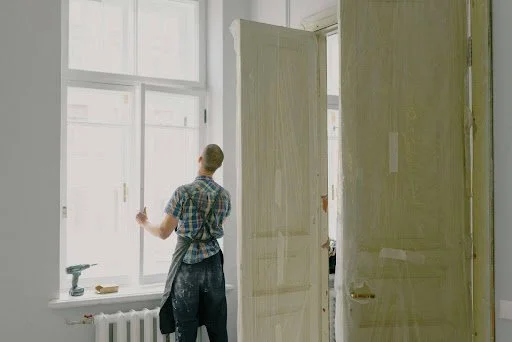
Everyone dreams of a home that feels stylish, modern, and luxurious - but most people assume that achieving that look requires a big budget. The truth is, home improvement doesn’t have to be expensive to be effective. With a few smart, strategic choices, even small updates can create the appearance of a high-end home. In this article, we’ll explore affordable home improvement hacks that will elevate your space without breaking the bank.
Everyone dreams of a home that feels stylish, modern, and luxurious - but most people assume that achieving that look requires a big budget. The truth is, home improvement doesn’t have to be expensive to be effective. With a few smart, strategic choices, even small updates can create the appearance of a high-end home. In this article, we’ll explore affordable home improvement hacks that will elevate your space without breaking the bank.
Why Small Changes Make a Big Difference
When it comes to home improvement, many people focus on major renovations - tearing down walls, replacing floors, or completely remodeling kitchens. While those projects are impressive, they’re also costly and time-consuming. Often, what really makes a home feel expensive is attention to detail: lighting, texture, color, and proportion.
Small upgrades can create a significant visual impact, tricking the eye into thinking you’ve invested far more than you have. By focusing on these “perceived luxury” areas, you can achieve a high-end aesthetic while staying on budget.
Brighten Up Your Home with Lighting
One of the easiest ways to upgrade your space is through lighting. Poor or outdated lighting can make even a well-decorated room feel dull and cheap. On the other hand, the right fixtures and bulbs can transform the mood and style of your home.
Consider swapping out old ceiling lights for modern pendants or small chandeliers. Even a simple lamp upgrade can add elegance and warmth. Layered lighting - combining ambient, task, and accent lighting - also makes a space feel curated and luxurious.
Lighting is an essential home improvement tool that often goes overlooked, yet it’s one of the most effective ways to make a room feel upscale.
Elevate Your Walls with Trim and Molding
Architectural details like crown molding, baseboards, or simple wall trim can dramatically change the perception of a room. These small touches add depth, structure, and sophistication.
You don’t need expensive materials to achieve this effect. Lightweight foam or PVC trim is affordable, easy to install, and paintable, allowing you to mimic the look of traditional, costly molding. Even subtle picture frame molding on walls creates a designer feel that makes your home look polished.
Adding such features is a clever home improvement strategy that gives rooms character and instantly elevates the overall aesthetic.
Kitchen and Bathroom Upgrades Without a Full Remodel
Kitchens and bathrooms often feel like the most expensive parts of a home to renovate - but you don’t need a complete overhaul to make a difference.
For kitchens, painting cabinets in a modern color and replacing handles can make old cabinets feel brand new. Adding peel-and-stick backsplash tiles can further enhance the space at minimal cost. In bathrooms, swapping out faucets, showerheads, and hardware is surprisingly effective, giving the room a refreshed, modern look.
These projects are classic examples of home improvement hacks that provide high visual impact without the high price tag.
Paint: The Ultimate Affordable Upgrade
Paint is hands-down the most versatile and cost-effective home improvement tool. The right shade can completely transform a room. Neutral tones like soft greys, warm beiges, or creamy whites often feel luxurious, while a carefully chosen accent wall can add depth and personality.
Don’t forget doors, furniture, or cabinets - they all benefit from a fresh coat of paint. In combination with small hardware updates, painting can make spaces look freshly renovated, giving the illusion of a much larger investment.
Declutter and Style Your Space Like a Pro
Sometimes, the most affordable home improvement is no improvement at all - it’s about editing. Cluttered spaces feel cramped and chaotic, while clean, well-styled rooms look expensive and intentional.
Focus on a few statement pieces instead of many small items. Layer textiles, such as cushions, throws, and curtains, to add texture and warmth. Even small touches, like coordinating colors or arranging objects in groups of odd numbers, can make a space feel curated.
Remember: people notice thoughtful styling even more than they notice price tags.
Incorporate Natural Elements
Greenery, wood accents, and natural textures bring life into a home, creating a sense of luxury. Plants are inexpensive but instantly elevate a room, making it feel vibrant and welcoming. Large floor plants, small tabletop plants, or even simple succulents can make a big visual difference.
Wood and stone accents - whether through furniture, frames, or decorative pieces - also add depth and character, giving the impression of a well-designed, high-quality home. Integrating nature is a subtle but highly effective home improvement approach.
Mirrors: Simple Yet Powerful
Mirrors are another affordable way to enhance your space. Large mirrors reflect light, make rooms appear bigger, and add an elegant touch. Statement mirrors can act as artwork while also amplifying the perception of space.
Even leaning a full-length mirror against a wall can create a modern, stylish focal point. It’s a simple trick, but one that immediately elevates the look of any room.
Flooring and Rugs: Affordable Texture
Replacing flooring can be costly, but you can still refresh your floors with affordable hacks. High-quality rugs, layered carpets, or even peel-and-stick vinyl tiles can mimic expensive finishes. Rugs, in particular, define spaces, add texture, and create a sense of comfort and style.
By choosing the right patterns and colors, you can visually tie the room together, making your space feel luxurious without the heavy investment.
Final Thoughts
Luxury doesn’t always come with a high price tag. The key to home improvement is knowing where to focus your energy: details, textures, lighting, and styling. Even small, affordable changes - like upgrading fixtures, adding molding, painting, or decluttering - can dramatically improve the look and feel of your home.
With these strategies, you don’t need a massive renovation budget to create a home that feels polished, intentional, and surprisingly expensive. Smart, thoughtful home improvement is all about maximizing impact without overspending - and the results can be stunning.

5 Ways a Properly Installed Heating System Can Lower Your Energy Bills
Keeping your home warm during the colder months doesn’t have to mean sky-high utility bills. The secret lies in having a properly installed heating system that works efficiently and consistently. When installed correctly, your system not only keeps you comfortable but also helps you save money in the long run.
Keeping your home warm during the colder months doesn’t have to mean sky-high utility bills. The secret lies in having a properly installed heating system that works efficiently and consistently. When installed correctly, your system not only keeps you comfortable but also helps you save money in the long run.
Let’s explore five specific ways professional heating installation can make a real difference in lowering your energy costs.
Improved Energy Efficiency Through Correct Sizing
One of the most important factors in heating efficiency is system size. If the unit is undersized, it will constantly run in an attempt to keep up, consuming more energy than necessary. Conversely, an oversized system tends to switch on and off too often, which creates uneven temperatures and puts extra strain on the equipment. Professional installers carefully calculate the right size for your home, taking into account square footage, insulation, and climate. This ensures your heating system operates at peak efficiency, using only the energy it needs to keep your home comfortable without overworking.
When your system is sized correctly, it doesn’t waste energy trying to compensate for poor performance. Instead, it delivers steady warmth while consuming less power. Over time, this balance translates into lower monthly bills and fewer repair costs. Proper sizing also helps extend the life of your equipment, since it avoids the stress caused by constant cycling or overuse.
Reduced Heat Loss With Proper Ductwork Installation
Even the most advanced heating system can lose efficiency if the ductwork isn’t installed correctly. Poorly sealed or poorly designed ducts allow warm air to escape before it reaches your living spaces. This forces your system to work harder, driving up energy bills. A proper installation includes sealing joints, insulating ducts, and designing a layout that minimizes airflow restrictions. With these steps, more of the heat you pay for actually reaches your rooms, reducing waste and lowering costs.
Think of ductwork as the delivery system for your heating. If it leaks or is poorly designed, you’re essentially paying for heat that never arrives where you need it. Professional installation ensures ducts are airtight and positioned to maximize airflow. This means your system doesn’t have to run longer than necessary, and you enjoy consistent warmth without unnecessary energy loss.
Optimized Performance Through Professional Installation
Heating installation isn’t just about connecting equipment—it’s about ensuring every component works together seamlessly. Professional installers check airflow, calibrate thermostats, and balance the system to deliver consistent warmth throughout your home. When everything is set up correctly, your system doesn’t need to run longer than necessary, which directly reduces energy consumption.
This optimization also extends the lifespan of your equipment, saving you money on repairs and replacements down the line. A properly installed system is less likely to experience uneven heating, short cycling, or mechanical strain. Instead, it runs smoothly and efficiently, giving you peace of mind that your investment is working as intended. Over time, these small adjustments add up to significant savings on energy bills.
Lower Maintenance Costs With Fewer Breakdowns
A poorly installed system often leads to frequent breakdowns and costly service calls. Misaligned parts, incorrect wiring, or improper ventilation can all cause stress on the unit. By contrast, a properly installed heating system runs smoothly and requires less maintenance. This not only saves you money on repairs but also ensures your system continues to operate efficiently, keeping energy bills lower year after year.
Preventing problems before they start is one of the most effective ways to protect your budget. When installation is done correctly, your system doesn’t experience the wear and tear that comes from constant strain. This means fewer emergency repairs, fewer replacement parts, and more predictable maintenance costs. In the long run, the savings from reduced breakdowns can be just as valuable as the energy savings themselves.
Enhanced Comfort That Reduces Overuse
When your heating system is installed correctly, it delivers steady, even warmth throughout your home. You won’t need to constantly adjust the thermostat or run the system longer to compensate for cold spots. This improved comfort means you use less energy overall. A well-installed system also responds more accurately to thermostat settings, so you can enjoy the right temperature without wasting power.
Comfort and savings go hand in hand. When your home feels consistently warm, you’re less likely to overuse the system or push it beyond its limits. This balance helps reduce energy consumption while keeping your living spaces cozy. Proper installation ensures that every room benefits from the system’s output, eliminating the frustration of uneven heating and the temptation to overcompensate with higher thermostat settings.
Conclusion
Lowering your energy bills doesn’t always mean cutting back on comfort—it often comes down to how well your heating system is installed. From proper sizing and ductwork to professional calibration and reduced maintenance, each step of correct installation plays a role in saving energy and money. Investing in expert heating installation ensures your home stays warm, efficient, and cost-effective for years to come.
By focusing on efficiency, reliability, and comfort, a properly installed system gives you the best of both worlds: a cozy home and lower monthly expenses. It’s a smart investment that pays off season after season.
How Symmetry in the Bedroom Can Improve Sleep and Relaxation
Have you ever considered how symmetry in the bedroom can improve your sleep and relaxation? Let’s explore how this works and how to achieve it.
A calm bedroom environment supports better sleep and helps your mind unwind after a long day. Many people overlook how room layout influences comfort and relaxation. Symmetry creates visual balance that helps the brain feel calm and organized. A balanced bedroom naturally encourages rest and relaxation. Below, you’ll learn how symmetry in the bedroom can improve sleep and relaxation, including how to achieve better symmetry.
Why Balance Helps the Mind Relax
Your brain constantly scans your surroundings for patterns and structure. Balanced spaces feel predictable and organized, which reduces visual stress. When both sides of a room mirror each other, your mind processes the environment more easily.
Symmetry also creates a sense of calm order. A centered bed, matching lamps, and evenly spaced decor help the room feel stable. This stability helps your body transition into a more restful state before sleep.
Working parents often juggle busy schedules and household responsibilities. A peaceful bedroom layout offers a quiet retreat from daily chaos.
Start With a Centered Bed Layout
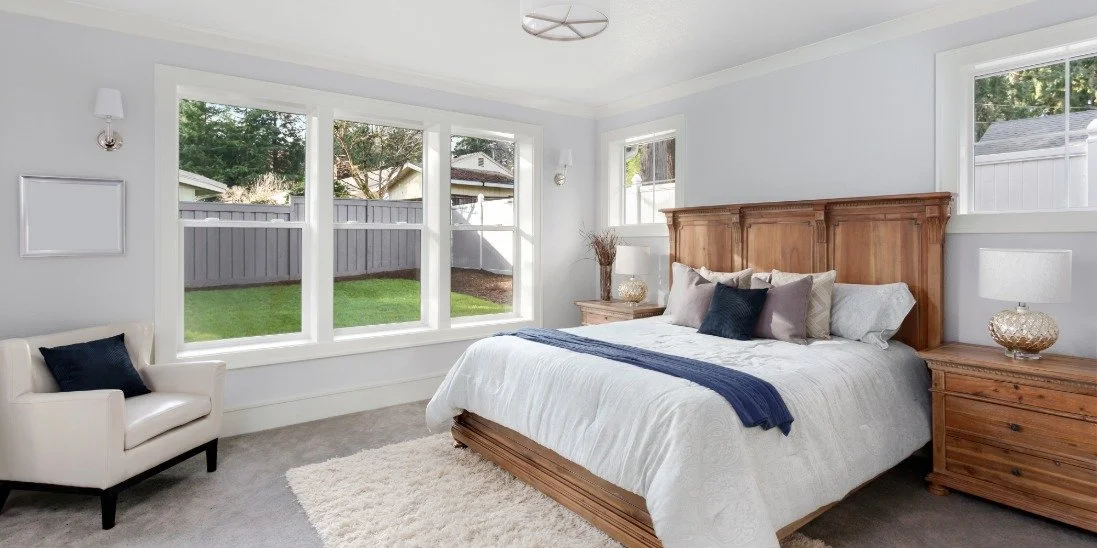
The bed is often the focal point in the bedroom. When you position it in the center of the wall, the room immediately feels balanced and intentional. This placement creates equal visual weight on both sides of the bed.
Symmetrical layouts also help with everyday routines. You gain equal access to both sides of the bed, which improves movement in the room. Partners also enjoy their own space without competing for storage or lighting.
Use Matching Furniture for Visual Harmony
Matching furniture pieces strengthen the feeling of balance in the bedroom. Many professional organizers recommend starting with the pieces closest to the bed. Symmetry helps the room feel calm and structured.
Many homeowners discover that choosing the right nightstands plays a major role in achieving balance. Matching tables create equal storage and support identical lighting setups. These small design choices make the room feel polished and peaceful.
You don’t need expensive furniture to create symmetry. Similar shapes, colors, and heights can produce the same calming effect.
Simple Ways To Create Bedroom Symmetry
You can introduce balance into almost any bedroom layout. Small adjustments often create a big visual difference. Focus on repeating elements across both sides of the bed.
Here are a few simple symmetrical ideas worth trying:
Matching bedside lamps on both sides of the bed.
Identical nightstands or similar-sized tables.
Balanced wall art or framed photos.
Equal pillow arrangements on the bed.
Coordinated storage baskets or trays.
These details work together to create a calm, cohesive, and inviting sleep environment.
Reduce Clutter To Support Balance
Clutter disrupts visual balance and makes a room feel chaotic. Even a symmetrical layout loses its calming effect when surfaces overflow with random items. Clear surfaces help the eye move smoothly throughout the space.
Organizing systems can maintain symmetry long-term. Storage baskets, drawers, and trays keep small items contained and easy to access. These systems help busy families maintain order without constant effort.
Working mothers especially benefit from a bedroom that stays calm and organized. A peaceful environment encourages deeper relaxation at the end of a busy day.
Symmetry creates structure, calm, and visual harmony in the bedroom. Balanced furniture placement and thoughtful design choices help the mind relax more easily. When you reduce clutter and repeat simple design elements, your bedroom becomes a peaceful retreat. A well-balanced bedroom can improve sleep, relaxation, and create a more organized home environment.

