

A resource for those seeking information on organizing and transforming spaces.
Garden Tools You Shouldn’t Leave Outside
Did you know you shouldn’t leave your garden tools outside when you’re done? They all belong in appropriate storage locations—learn more here.
Busy families often rely on gardening to create a relaxing and welcoming outdoor space. Many working mothers juggle school schedules, meal planning, work meetings, and household chores while still trying to keep the yard looking beautiful. During hectic days, garden tools sometimes stay outside overnight or even longer. Unfortunately, outdoor exposure can damage expensive equipment and shorten the lifespan of tools that families use regularly.
Rain, sunlight, dirt, and changing temperatures all affect gardening equipment over time. Metal parts can rust and batteries can lose performance after repeated outdoor exposure. Replacing damaged tools costs money and creates unnecessary stress for families already balancing full schedules. Simple storage habits can protect garden tools and keep outdoor routines manageable. We’re going into detail about the garden tools you shouldn’t leave outside and why proper storage matters.
Why Weather Damages Garden Equipment
Outdoor conditions change quickly throughout the year. Morning dew alone can leave moisture on metal tools long before rain even begins. Moisture creates rust on blades, shovels, and pruners, which makes gardening harder and less safe. Rust also weakens metal and causes tools to wear out faster.
Direct sunlight creates another problem for gardening equipment. Plastic handles can become brittle after constant exposure to UV rays. Rubber grips may crack or peel, especially during hot summer months. Battery-powered tools also struggle in extreme heat because high temperatures reduce battery efficiency and shorten overall lifespan.
Which Garden Tools Need Indoor Storage
Some gardening tools face more damage risks than others. Expensive equipment and tools with moving parts need extra protection after each use. Families can save time and money by creating a simple storage routine that fits into daily schedules. Even a quick cleanup before dinner can prevent costly repairs later.
Several common tools should never stay outside overnight:
Electric trimmers and hedge clippers
Pruning shears and garden scissors
Wooden-handled rakes and shovels
Lawn spreaders with metal parts
Battery-powered leaf blowers
Garden hoses with spray attachments
Smart Storage Makes Gardening Easier
Good organization reduces stress for working mothers who already manage packed calendars. Families waste less time searching for tools when everything has a designated spot. Organized storage systems also help children learn responsibility by returning equipment after outdoor chores. Small habits often create smoother routines for the entire household.
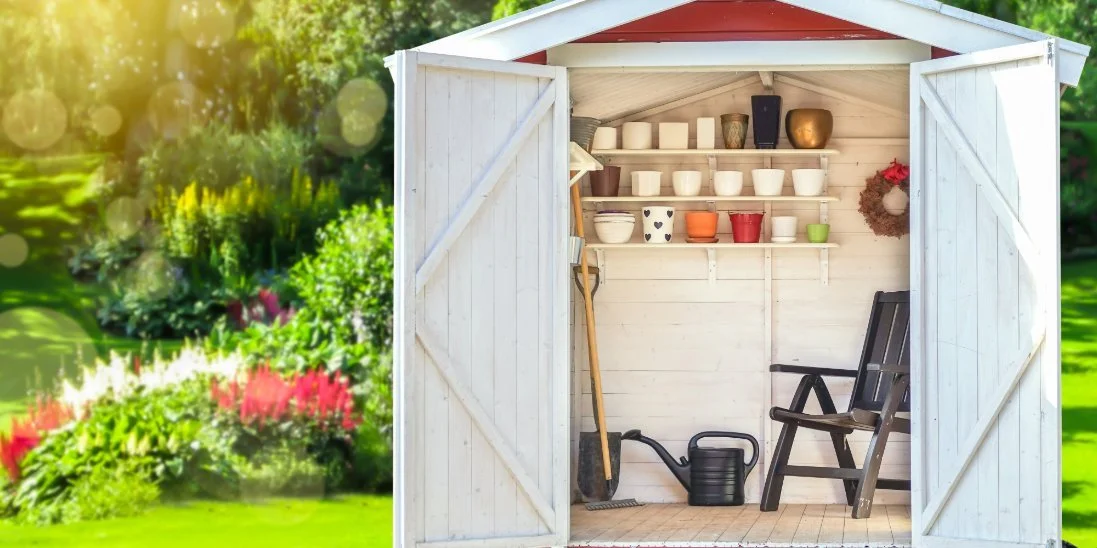
Many homeowners explore shelving options for garages, sheds, or covered patios. It helps to think carefully about what to consider before installing shelves in outdoor spaces because humidity and temperature changes affect storage materials. Metal shelving may rust without proper coating, while untreated wood may warp over time. Durable storage solutions protect tools and the shelving itself.
Daily Habits That Protect Your Investment
Simple daily habits can keep garden tools in excellent condition for years. Families don’t need complicated routines or expensive storage systems to protect equipment properly. A few minutes of care after gardening often prevents expensive replacements later. Consistency matters more than perfection.
Cleaning dirt from tools before storage can prevent rust and buildup. Drying metal surfaces with an old towel also reduces moisture damage. Battery-powered equipment should stay inside climate-controlled spaces whenever possible. This small list of garden tools you shouldn’t leave outside can help you protect your investments and keep gardening therapeutic.
Simple Ways To Improve Pool System Performance
Discover some simple, low-stress ways to improve swimming pool system performance and keep your backyard setup running smoothly all summer long.
A backyard pool can make summer days feel a little easier. But when the pool system is not running efficiently, it can quickly become another item on the household to-do list.
The good news is that there are some simple ways to improve pool system performance that do not require expensive upgrades or complicated repairs. A few easy habits can keep things running smoothly while reducing stress and maintenance issues.
Keep the Pool Area Organized
One of the easiest ways to avoid pool problems is by keeping the surrounding area clean and organized. Leaves, toys, towels, and outdoor clutter can end up in the water or around equipment, which can strain the system over time.
Creating designated storage bins for pool supplies and outdoor gear reduces debris accumulation and keeps everything easier to manage. A tidy pool area also makes it easier to notice small issues before they turn into bigger concerns that require repair.
Clean Filters Regularly
Pool filters work hard behind the scenes. When they become clogged with dirt or debris, the system has to work much harder to circulate water properly.
Checking and cleaning the filters regularly can improve water flow and extend the life of the equipment. During heavy-use months, pool filters may need more frequent attention, especially after storms or pool parties.
Watch for Early Warning Signs
Many pool problems start small. Strange noises, cloudy water, weak water circulation, or rising energy bills can all point to equipment issues that should not be ignored.
Knowing how to address concerns regarding various pool components can prevent larger system failures later on. For instance, recognizing the signs you need to repair or replace your pool pump allows you to determine the best course of action for this essential piece of pool equipment.
Stick to a Simple Maintenance Routine
Busy schedules often make home maintenance feel overwhelming, but consistency matters more than perfection. Creating a simple weekly checklist can make pool care easier to stay on top of.
A basic routine might include:
Emptying skimmer baskets
Checking water levels
Testing pool chemicals
Inspecting equipment for leaks or unusual sounds
Brushing debris away from drains and filters
Small steps taken consistently can make a noticeable difference in pool system performance over time.
Perform Seasonal Equipment Checks
At the start and end of each swim season, it is beneficial to inspect the full pool system. Checking pumps, hoses, timers, and heaters before heavy use can reduce the chances of surprise breakdowns during the busiest months. Seasonal checks also create an opportunity to declutter pool storage areas and get rid of broken or unused items that tend to pile up year after year.
Final Thoughts
Keeping a pool running efficiently does not have to be complicated. With a few simple ways to improve pool system performance, families can spend less time dealing with maintenance issues and more time enjoying their outdoor space. Easy organization systems, routine upkeep, and early problem detection all go a long way toward creating a smoother, lower-stress pool season.
How To Make a Basement Bedroom Feel Finished
Turn a basement bedroom into a space that looks cared for from the first glance. Small updates can make a basement bedroom feel finished with ease.
A basement bedroom should not look like the room everyone forgot about. With the right choices, it can become the cozy, pulled-together space that makes the lower level like part of the home. The goal is to make a basement bedroom feel finished without overcomplicating the project. Start by treating the room with the same care as any upstairs bedroom, then let comfort guide each update.
Start With Clean, Dry Walls
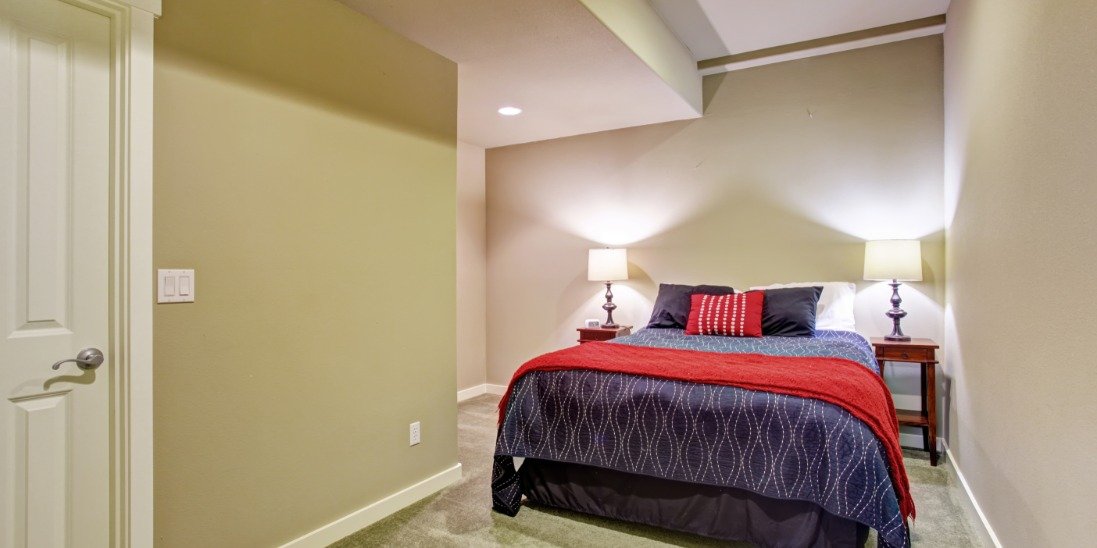
Basement walls need a solid foundation before decorative updates begin. Repair small cracks and make sure the room stays dry after heavy rain. Once the surface is ready, paint can do a lot of quiet work. A warm neutral shade helps the space look intentional without making the room seem smaller.
Add Flooring That Warms the Room
Cold floors can make a basement bedroom seem unfinished, even when the rest of the space looks good. Choose flooring that provides comfort underfoot and withstands basement conditions. A thick rug over finished flooring softens the room without requiring a major renovation. Keep the rug large enough to sit partly under the bed so the layout is grounded.
Use Lighting in More Than One Spot
Basements need more lighting than upstairs bedrooms because natural light may be limited. Instead of relying on one ceiling fixture, add lamps where the room needs warmth. A bedside lamp can make the space calmer at night, while a floor lamp can brighten a darker corner. Soft bulbs usually work better than harsh white light in a bedroom.
Plan the Furniture Layout Carefully
A finished bedroom needs enough open space to move comfortably around the bed. Avoid pushing every piece against the wall unless the room is very narrow. For example, when you place furniture around baseboard heaters, leave enough clearance so heat can move through the room safely. A simple layout with fewer pieces is more complete than a crowded one.
Finish With Details That Belong
Small finishing touches connect the basement bedroom to the rest of the home. Curtains soften a small window and make the room feel less temporary. Artwork should fit the wall size rather than fill space for its own sake. A made bed, a clean nightstand, and one personal detail can make the room more settled.
A basement bedroom deserves just as much care as the rest of the home. When the space has warmth and a little personality, it becomes much easier to make a basement bedroom feel finished. The best result is a room that’s comfortable the moment someone walks in.
What To Check Before Buying a Home With a Well
Before closing day, what to check before buying a home with a well can shape a family's next chapter. Get clear on what deserves a closer look.
Buying a house with its own water source can be a smart move for a growing family, but it deserves a careful look before closing day. What to check before buying a home with a well starts with understanding how the system supplies water daily and how well it has been maintained. A well can serve a home for many years when the equipment is sound and the water is safe. Still, a few early checks can prevent expensive surprises after move-in.
Start With Water Quality
Begin by confirming that the water is safe for everyday use. A basic water test should check for bacteria and common minerals that can affect taste or plumbing. If the home has filters or a softener, ask when those parts were last serviced. Fresh results give your family a clearer picture than a seller’s memory.
Look at the Well’s Age and Records
Next, ask for the well log, including its repair history, and any permits connected to the system. These records can show the well depth and the type of pump installed. When paperwork is missing, a licensed well professional can inspect the setup and explain what may need attention. Clear records make it easier to plan for future maintenance.
Check the Pump and Water Pressure
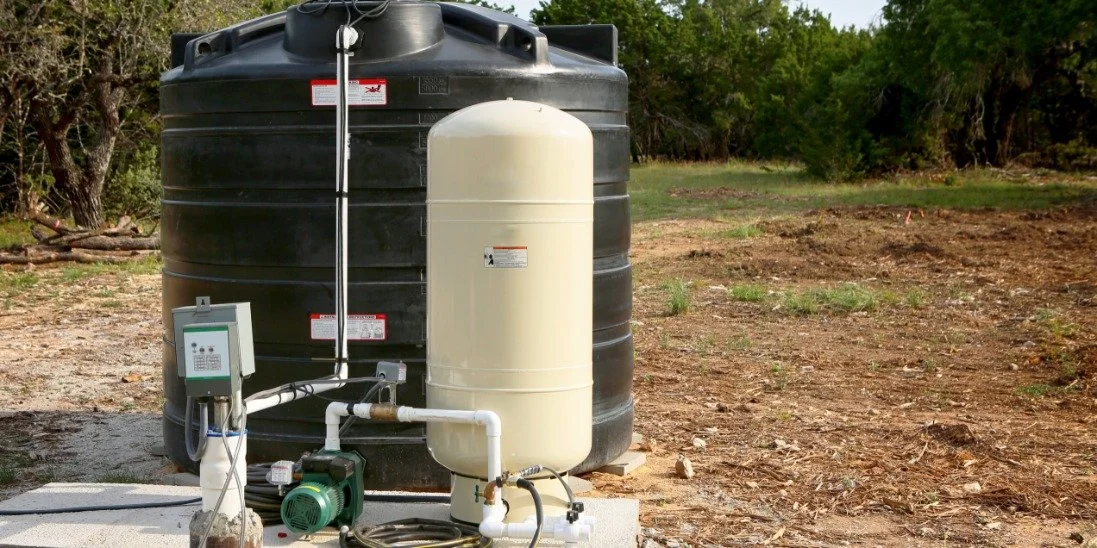
The pump should deliver steady pressure during normal household use. Run water long enough to notice whether the pressure drops or the pump cycles too often. A well contractor may explain how pump size and pipe depth interact to determine the right well drop pipe for the pump system before any parts are replaced. Good pressure should be consistent without making the system work harder than it should.
Inspect the Well Location
A well should be properly placed and sealed to protect the water supply. The well cap should be secure, and the ground around it should slope away from the opening. Keep an eye on nearby drainage, as surface water can pose avoidable risks. A clean, protected, well area is easier to maintain over time.
Understand Ongoing Maintenance
A private well means the homeowner is responsible for upkeep. Plan for routine water testing and occasional service calls. It helps to know where the pressure tank sits and how to shut off the system in an emergency. Simple familiarity can make small issues less stressful later.
Before making a final decision, what to check before buying a home with a well comes down to safety and long-term care. A well should support daily family life without constant worry. When the water tests clean and the equipment works properly, the home is much easier to evaluate with confidence.