

A resource for those seeking information on organizing and transforming spaces.

When to Keep, Sell, or Donate Old Camera Gear During a Decluttering Project
Old camera gear tends to build up over time. Lenses, tripods, bags, and accessories often stay long after they stop being useful. During a decluttering project, it can be hard to decide what to keep and what to let go of. A clear plan helps you sort through items without second-guessing every choice.

Old camera gear tends to build up over time. Lenses, tripods, bags, and accessories often stay long after they stop being useful. During a decluttering project, it can be hard to decide what to keep and what to let go of. A clear plan helps you sort through items without second-guessing every choice.
Start With a Full Inventory
Begin by gathering all your camera gear in one place. This includes cameras, lenses, memory cards, batteries, and accessories. Seeing everything together gives a clear picture of what you own.
Check the condition of each item. Look for damage, missing parts, or outdated features. Then, make a simple list so you can track what you decide to keep, sell, or donate. This step makes the rest of the process much easier.
Decide What to Keep
Keep gear you actually use. If a camera, lens, or accessory has been part of your routine in the past few months, it likely belongs in your setup. Items you reach for without thinking are usually the most valuable.
Remove duplicates. If you own multiple items that serve the same purpose, keep the one that performs best. Extra versions often sit unused and take up space. They're better off being given away or sold for extra cash.
Check the condition and reliability of your gear. Equipment that works well and supports your workflow is worth keeping in your inventory. Items that cause delays or need frequent fixes may not be worth holding onto.
Identify Items Worth Selling
Some gear still holds value even if you no longer need it. Popular lenses, newer camera bodies, and well-kept accessories often sell well. Research current prices to get a sense of what your items are worth. This can help you decide if you want to sell or not.
Selling can also help recover some of your original costs. Listing items on a used camera marketplace allows you to reach buyers who are already looking for camera equipment and accessories. When listing, make sure to use clear photos and be honest in your descriptions. This will improve your chances of a sale and your overall experience.
Know When to Donate
Not every item needs to be sold. Donation is a viable option as well. Older, functioning gear or entry-level equipment can be incredibly useful to the right people in need. Donating reduces waste and gives your gear a second life. It can also simplify the decluttering process, especially for items that may not sell easily.
Look into schools, community groups, and photography classes or groups geared towards beginners. These places are a great place to start. Before you donate, make sure to call and see if they're accepting donations and what they might be searching for.
Handle Broken or Outdated Gear
Damaged equipment may not be viable for selling or donating. These items should be recycled or disposed of properly. Look for organizations or places that offer electronic recycling programs. These services handle parts in a safe way and prevent harmful materials from entering landfills. Safely removing these unusable items allows you to clear up space without harming the environment.
Organize What You Keep
Once you decide what stays, organize your gear in a way that supports easy use. Store cameras and lenses in protective cases. Keep small items like batteries and memory cards in labeled containers. A simple system helps you find what you need quickly. It also prevents items from getting lost or damaged over time.
Sorting through old camera gear can feel like a big task, but a clear plan makes it manageable. Keeping what you use, selling what still has value, and donating what others can benefit from helps create a balanced approach. With fewer, organized items, your space becomes more enjoyable to use.
Author Bio: Corey Reinker is the Director of Operations for UsedPhotoPro.com, an online marketplace for buying, selling, and trading camera equipment. With more than fifteen years of experience in the used camera industry, Corey bring expertise across all areas of buy, selling and trading used camera gear. His focus on sustainability and upcycling used camera equipment helps UsedPhotoPro to provide great options for photographers at all price points!
Warning Signs of an Overloaded Electrical Circuit
Learn the warning signs of an overloaded electrical circuit and protect your home from electrical hazards. Schedule a professional inspection today.
Electrical systems handle the demands of modern homes every day, but they have limits. Recognizing the warning signs of an overloaded electrical circuit helps prevent damage, reduces safety risks, and keeps your electrical system operating reliably.
Frequent Circuit Breaker Trips
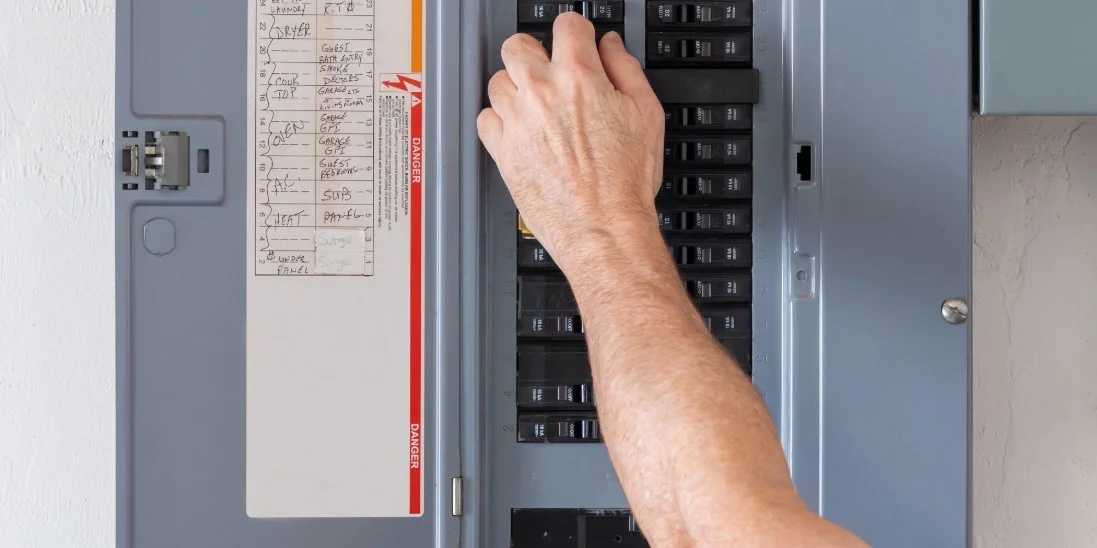
A circuit breaker protects your home by shutting off power when a circuit draws too much electricity. If the same breaker trips often, your electrical system may struggle to support the connected devices. Resetting the breaker without addressing the underlying issue only allows the problem to continue.
Flickering or Dimming Lights
Lights that flicker when large appliances start often indicate an overloaded circuit. This issue ranks among the common causes of household lighting problems because high electrical demand can reduce the power available to lighting fixtures. A licensed electrician can determine whether the circuit needs repair or an upgrade.
Warm Outlets and Burning Odors
Electrical outlets should remain cool during normal use. If an outlet feels warm or gives off a burning smell, disconnect any plugged-in devices immediately. Excess heat often signals excessive electrical demand or damaged wiring that requires professional attention before it becomes more serious.
Buzzing Sounds From Outlets or Switches
Electrical systems should operate quietly. Buzzing sounds coming from outlets, switches, or breaker panels may indicate loose wiring or excessive strain on the circuit. Ignoring these warning sounds increases the chance of electrical failure and creates unnecessary safety concerns.
Too Many Devices on One Circuit
Many older homes cannot support today's electrical demands. Plugging multiple high-powered appliances into one circuit places unnecessary stress on the wiring. Redistributing electrical loads or adding dedicated circuits helps reduce strain while improving overall system performance.
Protect Your Home With Prompt Electrical Service
Understanding the warning signs of an overloaded electrical circuit allows homeowners to address problems before they become costly or dangerous. If you notice repeated breaker trips, flickering lights, warm outlets, or unusual electrical behavior, contact a qualified electrician to inspect your system and recommend the appropriate solution. Prompt repairs help keep your home safe while ensuring your electrical system continues to perform efficiently.

The Essential Checklist for Large Landscaping Projects
Large‑scale landscaping projects require more than basic yard tools and weekend effort—they demand planning, organization, and the right equipment to handle acreage‑level challenges. Whether you’re clearing overgrown land, reshaping terrain, or preparing for new installations, having a structured checklist ensures your project runs smoothly from start to finish. This guide walks you through the essential steps to assess your property, gather the right tools, manage vegetation, and prepare for long‑term maintenance.
Large‑scale landscaping projects require more than basic yard tools and weekend effort—they demand planning, organization, and the right equipment to handle acreage‑level challenges. Whether you’re clearing overgrown land, reshaping terrain, or preparing for new installations, having a structured checklist ensures your project runs smoothly from start to finish. This guide walks you through the essential steps to assess your property, gather the right tools, manage vegetation, and prepare for long‑term maintenance.
Getting Started
Before any work begins, take time to assess your property thoroughly. Walk the entire area and note overgrowth, hazards, drainage issues, and terrain challenges. Mapping out priority zones, such as tree lines, fence lines, open fields, or neglected corners, helps you determine the scope of work and where to focus first.
Once you understand the land, break the project into clear phases. Most large landscaping jobs follow a sequence: clearing, cutting, hauling, grading, and finishing. Planning these phases ahead of time prevents wasted effort and keeps the project organized. Consider weather patterns, equipment availability, and seasonal vegetation growth when scheduling tasks. For example, brush removal is easier before summer heat thickens growth, while grading is best done when soil is dry enough to move efficiently.
Designate staging areas for brush piles, soil, mulch, rock, and reusable materials. This keeps your work zones clean and prevents bottlenecks as debris accumulates. Finally, create a realistic timeline that accounts for equipment maintenance, debris disposal, and unexpected delays. Large projects rarely go exactly as planned, but a structured workflow keeps you moving forward.
Gathering the Essentials
Large‑scale landscaping requires machinery built for heavy work. Start by identifying the core equipment you’ll need: mowers, skid steers, brush hogs, chainsaws, and debris‑removal tools. For many property owners, investing in a riding mower from a reputable retailer, such as someone like Lilly Kubota, provides long‑term value and reliability. A good mower becomes the backbone of your project, powering attachments and handling tasks that smaller machines simply can’t manage. If you’re unsure which model fits your acreage, exploring different options can help you match horsepower, size, and attachments to your project needs.
Attachments expand your capabilities even further. Grapples help move limbs and logs, box blades level soil, augers dig holes, and brush cutters tackle thick vegetation. Choosing attachments that match your workflow ensures you can transition smoothly between clearing, grading, and finishing tasks.
Hand tools also matter. Loppers, rakes, shovels, marking flags, and measuring tapes support detail work and layout tasks. Keep fuel, oil, spare blades, and basic maintenance supplies on hand so you can service equipment without interrupting your workflow.
Finally, safety gear is non‑negotiable. Large projects involve powerful machinery and unpredictable terrain. Helmets, gloves, chaps, eye protection, and steel‑toe boots protect you from common hazards. Review safe operating practices for each machine and clear work zones of pets, children, and bystanders before starting. Keep first‑aid supplies accessible and ensure communication devices are charged in case of emergencies.
Managing Vegetation, Trees, and Overgrowth
Vegetation management is often the most labor‑intensive part of large landscaping projects. Start by identifying what needs removal, trimming, or long‑term control. Overgrown brush, tall grass, and invasive plants can spread quickly if not addressed strategically.
Tree work requires special attention. Dead trees, broken limbs, and leaning trunks pose safety risks and should be removed early in the project. Chainsaws and pole saws help with cutting, while stump grinders eliminate leftover hazards. For dense understory or tangled brambles, forestry mulchers or heavy‑duty brush cutters may be necessary.
Decide how you’ll handle green waste. Mulching and composting allow you to repurpose debris on your property, while hauling services or dump trailers help manage large volumes of material. Planning disposal ahead of time prevents work zones from becoming overcrowded.
Handling Soil, Grading, and Drainage Needs
Large properties often have uneven terrain, erosion issues, or poor drainage that need correction before planting or construction. Evaluate low spots, washout areas, and natural drainage paths. Grading tools such as box blades, land planes, and skid steer graders help level or contour the land to improve water flow and create usable space.
If you plan to install garden beds, lawns, or hardscapes, add soil amendments or topsoil where needed. Healthy soil supports long‑term plant growth and reduces future maintenance. For drainage improvements, consider solutions like swales, berms, gravel paths, or French drains. Addressing these issues early prevents water damage and ensures your landscaping lasts.
Organizing Debris and Disposal
Large projects generate significant debris and require careful material organization. Set up designated areas for brush piles, logs, soil, rock, and reusable materials. Keeping materials sorted prevents confusion and speeds up workflow.
Choose debris‑management tools based on the volume of waste. Chippers and mulchers help reduce branches and brush into usable mulch. Dump trailers make hauling soil, rock, or debris more efficient. Track what can be repurposed—mulch, compost, firewood, or fill dirt—to reduce waste and lower project costs.
Plan disposal ahead of time. Whether you’re hauling debris to a landfill, renting a dumpster from services like Ware Disposal for large‑volume cleanup, burning brush where permitted, or hiring a removal service, having a strategy prevents delays and keeps your property safe and organized.
Preparing for Finishing Touches and Long‑Term Maintenance
Once the heavy work is complete, outline your finishing tasks. These may include planting, mulching, edging, installing pathways, or adding decorative features. Choose low‑maintenance plants or groundcover to reduce future labor, especially on large properties.
Create a seasonal maintenance schedule to keep your land manageable. Regular mowing, trimming, mulching, and debris removal prevent overgrowth from returning. Store equipment properly and document what worked well during the project to guide future improvements.
Large‑scale landscaping projects require planning, the right equipment, and a clear workflow. By assessing your property, organizing tools, managing vegetation, and preparing for long‑term maintenance, you set the foundation for a successful transformation. With structure and preparation, even the biggest landscaping challenges become manageable, and your property becomes a space you can enjoy for years to come.

How to Choose the Best Realtor for Your Home Search
A home purchase is one of the biggest financial decisions most people make, and the realtor guiding that journey plays a major role in shaping the outcome. The right professional helps you understand what to pay attention to while also hunting down the listings that best match what you’re looking for. When you choose your realtor well, the experience feels manageable and informed; when you choose poorly, it can quickly become stressful and uncertain.
A home purchase is one of the biggest financial decisions most people make, and the realtor guiding that journey plays a major role in shaping the outcome. The right professional helps you understand what to pay attention to while also hunting down the listings that best match what you’re looking for. When you choose your realtor well, the experience feels manageable and informed; when you choose poorly, it can quickly become stressful and uncertain.
Define What You Need as a Buyer
Clarify Your Buying Goals
Your budget, preferred neighborhoods, home style, and timeline determine the type of agent who will serve you best. If you’re targeting competitive suburban markets, you need someone who moves quickly and understands bidding trends. If you’re exploring historic districts, you benefit from an agent familiar with older homes and their unique considerations. Aligning your goals with the right professional ensures your search stays focused and efficient.
Identify Your Expectations and Comfort Level
Understanding the support you need is essential when choosing a realtor, such as someone like McGraw Realtors. Some buyers want hands‑on guidance with curated listings and detailed explanations, while others prefer a more independent, streamlined approach. Your past experience also matters, as first‑time buyers often need more reassurance, experienced buyers may prioritize efficiency, and relocating buyers rely heavily on neighborhood insight. Keeping these expectations in mind can help you choose a realtor whose communication style and approach align with how you prefer to navigate the home‑buying process.
Find Someone Who Knows the Area
Neighborhood Expertise
A realtor’s familiarity with local schools, amenities, commute routes, zoning changes, and long‑term growth trends helps you make smarter decisions. Local insight prevents surprises and ensures you understand the full context of each home you consider.
Pricing Insight and Competitive Strategy
A skilled realtor, like someone from Jones Realty SoCal, combines pricing expertise with a clear understanding of competitive market conditions. They interpret market data, comparable sales, and inventory trends to help you determine whether a home is fairly priced, likely to attract multiple offers, or positioned as a potential value opportunity. At the same time, they analyze bidding patterns, seller behavior, seasonal shifts, and timing advantages to shape a strategic approach. This blend of valuation knowledge and market awareness allows you to craft stronger offers, avoid unnecessary risks, and move confidently through fast‑changing conditions.
Check Their Experience and Background
Evaluating a realtor’s professional background gives you a clearer picture of their capabilities and the level of support you can expect. You can start by taking a look at their license and any additional certifications they have, such as a CRS, ABR, or SRES. It’s also helpful to review their transaction history, since an agent who regularly works in your preferred neighborhoods or price range will better understand local trends and buyer expectations. Finally, consider the strength of their brokerage. A well‑resourced brokerage can provide legal guidance, marketing tools, and negotiation support that directly enhance your buying experience, making the entire process more efficient and informed.
Watch How They Communicate
Clear, timely communication is essential in fast‑moving markets, and an agent’s responsiveness can make the difference between securing a home and missing an opportunity. If they take too long to reply or frequently leave you waiting for updates, the process becomes stressful and uncertain. It’s also important to consider how they prefer to communicate; some rely on text, while others lean on phone calls, email, or in‑person conversations. Choosing someone whose style aligns with your own helps ensure updates feel natural and consistent. Availability is another key factor; you need an agent who can accommodate showings, contract discussions, and last‑minute opportunities, especially when homes move quickly.
Look at the Network They Bring
A realtor’s network can shape the quality and efficiency of your home‑buying experience. Strong connections with lenders, inspectors, contractors, and title companies help streamline each step of the transaction and reduce delays. Some agents also maintain relationships that provide early access to off‑market homes, giving you an advantage in competitive neighborhoods. Beyond personal connections, the tools they use, from digital search platforms and automated alerts to virtual tours and organized communication systems, can make your search more efficient and keep you consistently informed.
Understand Their Negotiation Style
A realtor’s negotiation style directly affects your results. Some agents take a direct, assertive approach aimed at securing concessions and stronger terms, while others rely on diplomacy and relationship‑building to create cooperative negotiations. Their ability to manage contingencies, including inspection, financing, and appraisal protections, plays a major role in safeguarding your interests. Ultimately, their advocacy style, whether bold or measured, determines how effectively they represent you when it matters most.
Check What Others Say About Them
Feedback from past clients offers valuable insight into how an agent performs in real‑world situations. Online reviews often reveal patterns in communication, reliability, and professionalism, while testimonials provide firsthand stories about responsiveness, negotiation outcomes, and overall satisfaction. Industry reputation also matters; agents respected by their peers tend to collaborate more effectively, which can positively influence negotiations and access to opportunities.
Decide Whether They’re the Right Fit
Choosing the right realtor ultimately comes down to comfort, trust, and alignment. You should feel confident asking questions, expressing concerns, and relying on their guidance throughout the process. Personality fit plays a meaningful role; if you prefer direct, concise communication, look for an agent who mirrors that style; if you value patience and reassurance, seek someone with a calm, supportive approach. Shared expectations around communication frequency, search strategy, and decision‑making help create a smoother partnership and ensure the entire experience feels organized and collaborative.
The best realtor isn’t just the most experienced or highest‑rated; they’re the one who aligns with your goals, communication style, and comfort level. By evaluating expertise, responsiveness, negotiation style, and overall fit, you can choose a professional who supports you throughout your home search with confidence and clarity. Use this structured approach to find a realtor who feels like a true partner in your buying journey.