

A resource for those seeking information on organizing and transforming spaces.
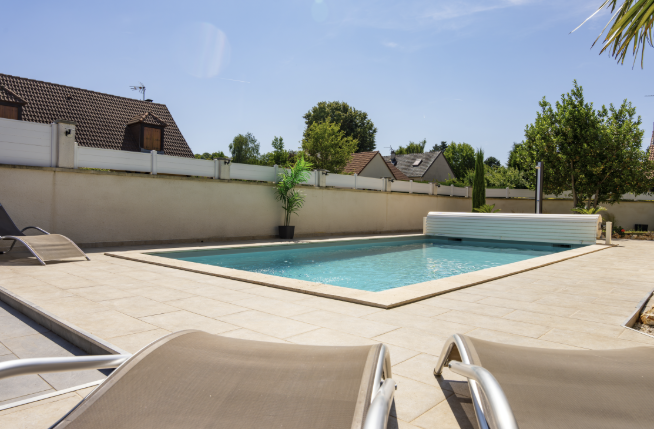
5 Stylish Ways to Screen Off Your Outdoor Space
Creating a private and stylish outdoor retreat is one of the best ways to enjoy your yard without feeling exposed. If you’re looking for ways to block out neighbors or to add a decorative touch, there are many creative solutions that can be tailored to the lifestyle and needs of your household.
Creating a private and stylish outdoor retreat is one of the best ways to enjoy your yard without feeling exposed. If you’re looking for ways to block out neighbors or to add a decorative touch, there are many creative solutions that can be tailored to the lifestyle and needs of your household.
Below are five approaches that combine practicality with aesthetic appeal, transforming your outdoor space into a welcoming sanctuary.
Vertical Garden Walls for Natural Privacy
A vertical garden wall offers both beauty and seclusion. It’s a perfect choice for homeowners who want greenery to double as a screen by stacking planters or installing modular panels filled with lush plants. It’s a great way to create a living wall that softens harsh lines and adds vibrant color.
This option provides privacy and improves air quality while creating a calming atmosphere. With careful plant selection, such as ferns, ivy, grasses, or flowering vines, you can enjoy year-round coverage while maintaining a stylish, eco-friendly design.
Decorative Lattice Panels With Climbing Plants
Lattice panels are a timeless way to divide outdoor areas while still allowing light and airflow. When paired with climbing plants like jasmine or bougainvillea, they become a dynamic feature that evolves with the seasons, gradually filling in the open spaces with color and texture that change throughout the year.
The geometric patterns of latticework add visual interest, and the growing plants weave through the openings to create a natural curtain. This combination is ideal for patios or garden seating areas where you want a balance of openness and privacy, offering just enough separation to feel secluded while still letting in sunlight and breezes. Over time, the plants will mature and provide even more coverage, blending structure with nature.
Privacy Walls for Durability and Weather Resistance
For homeowners seeking a more permanent and polished solution, privacy walls built by professionals, like Floridas Foam Walls, deliver both durability and elegance. These walls can be customized to match your home’s architecture to enhance curb appeal. Unlike temporary screens, professional walls are engineered to withstand weather conditions and provide long-term value and stability.
They can be designed with textures, finishes, built-in seating, or integrated lighting to elevate the outdoor experience. Choosing a professional installation ensures that the wall is structurally sound and aesthetically refined, giving you confidence that it will stand the test of time while also complementing the design of your home.
Outdoor Curtains for Flexible Screening
Outdoor curtains are a versatile option that allows you to adjust privacy levels depending on the occasion. Hung from pergolas or gazebos, they can be drawn closed for intimate gatherings or pulled back to open up the space, giving you complete control over how open or secluded your outdoor retreat feels.
Available in a wide range of fabrics and colors, outdoor curtains let you personalize your setting. They are especially useful for covered patios or poolside cabanas, providing shade and protection from the wind as well as privacy, for a flexible and adjustable barrier. With weather-resistant materials, they remain functional and attractive throughout the seasons.
Modern Slatted Screens for Contemporary Style
Slatted screens are typically made from wood, composite, aluminum, or metal. They offer a sleek, modern look that complements contemporary homes, offering a balance of privacy and openness that feels functional and stylish. Their horizontal or vertical lines also create a clean aesthetic while still allowing airflow and light.
Slatted screens can be installed as standalone panels or integrated into fencing systems. You can choose finishes that match your outdoor furniture or architectural details for a cohesive garden, patio, balcony, or exterior. They are also particularly great in urban settings where privacy and style need to coexist without feeling heavy or closed off, allowing you to enjoy a sense of separation without losing the openness of the space outdoors.
Conclusion
Screening off your outdoor space doesn’t mean sacrificing style. You have versatile options, like lush vertical gardens, modern slatted panels, resilient privacy walls, and airy outdoor curtains, each providing unique ways to create privacy while enhancing the overall design of your yard.
Whether you prefer natural greenery or professional installations, the right choice will help you enjoy your outdoor retreat with comfort and confidence. Explore these stylish solutions and start building the private oasis you’ve always envisioned!

When to Keep, Sell, or Donate Old Camera Gear During a Decluttering Project
Old camera gear tends to build up over time. Lenses, tripods, bags, and accessories often stay long after they stop being useful. During a decluttering project, it can be hard to decide what to keep and what to let go of. A clear plan helps you sort through items without second-guessing every choice.

Old camera gear tends to build up over time. Lenses, tripods, bags, and accessories often stay long after they stop being useful. During a decluttering project, it can be hard to decide what to keep and what to let go of. A clear plan helps you sort through items without second-guessing every choice.
Start With a Full Inventory
Begin by gathering all your camera gear in one place. This includes cameras, lenses, memory cards, batteries, and accessories. Seeing everything together gives a clear picture of what you own.
Check the condition of each item. Look for damage, missing parts, or outdated features. Then, make a simple list so you can track what you decide to keep, sell, or donate. This step makes the rest of the process much easier.
Decide What to Keep
Keep gear you actually use. If a camera, lens, or accessory has been part of your routine in the past few months, it likely belongs in your setup. Items you reach for without thinking are usually the most valuable.
Remove duplicates. If you own multiple items that serve the same purpose, keep the one that performs best. Extra versions often sit unused and take up space. They're better off being given away or sold for extra cash.
Check the condition and reliability of your gear. Equipment that works well and supports your workflow is worth keeping in your inventory. Items that cause delays or need frequent fixes may not be worth holding onto.
Identify Items Worth Selling
Some gear still holds value even if you no longer need it. Popular lenses, newer camera bodies, and well-kept accessories often sell well. Research current prices to get a sense of what your items are worth. This can help you decide if you want to sell or not.
Selling can also help recover some of your original costs. Listing items on a used camera marketplace allows you to reach buyers who are already looking for camera equipment and accessories. When listing, make sure to use clear photos and be honest in your descriptions. This will improve your chances of a sale and your overall experience.
Know When to Donate
Not every item needs to be sold. Donation is a viable option as well. Older, functioning gear or entry-level equipment can be incredibly useful to the right people in need. Donating reduces waste and gives your gear a second life. It can also simplify the decluttering process, especially for items that may not sell easily.
Look into schools, community groups, and photography classes or groups geared towards beginners. These places are a great place to start. Before you donate, make sure to call and see if they're accepting donations and what they might be searching for.
Handle Broken or Outdated Gear
Damaged equipment may not be viable for selling or donating. These items should be recycled or disposed of properly. Look for organizations or places that offer electronic recycling programs. These services handle parts in a safe way and prevent harmful materials from entering landfills. Safely removing these unusable items allows you to clear up space without harming the environment.
Organize What You Keep
Once you decide what stays, organize your gear in a way that supports easy use. Store cameras and lenses in protective cases. Keep small items like batteries and memory cards in labeled containers. A simple system helps you find what you need quickly. It also prevents items from getting lost or damaged over time.
Sorting through old camera gear can feel like a big task, but a clear plan makes it manageable. Keeping what you use, selling what still has value, and donating what others can benefit from helps create a balanced approach. With fewer, organized items, your space becomes more enjoyable to use.
Author Bio: Corey Reinker is the Director of Operations for UsedPhotoPro.com, an online marketplace for buying, selling, and trading camera equipment. With more than fifteen years of experience in the used camera industry, Corey bring expertise across all areas of buy, selling and trading used camera gear. His focus on sustainability and upcycling used camera equipment helps UsedPhotoPro to provide great options for photographers at all price points!
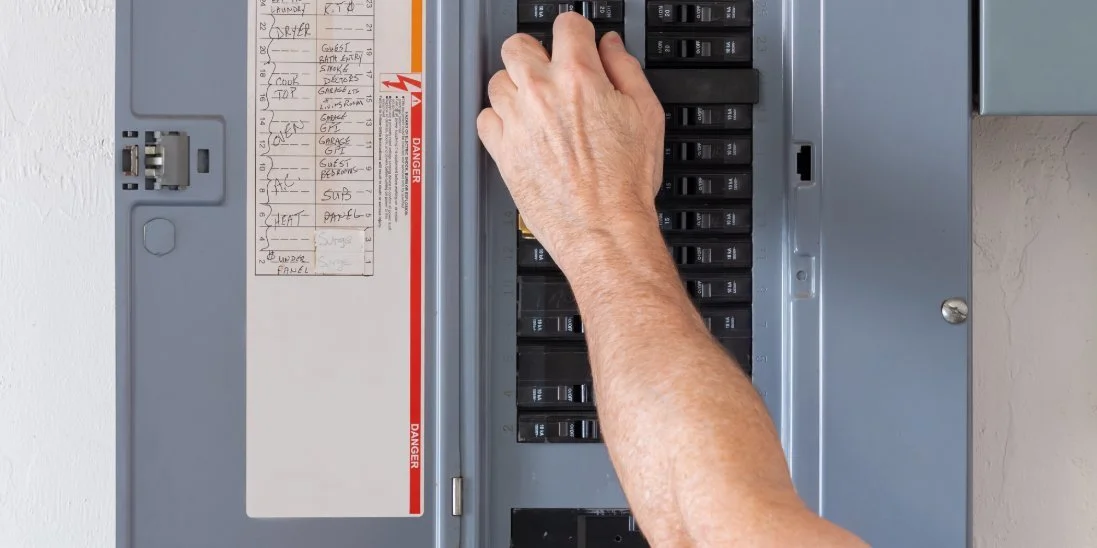
Warning Signs of an Overloaded Electrical Circuit
Learn the warning signs of an overloaded electrical circuit and protect your home from electrical hazards. Schedule a professional inspection today.
Electrical systems handle the demands of modern homes every day, but they have limits. Recognizing the warning signs of an overloaded electrical circuit helps prevent damage, reduces safety risks, and keeps your electrical system operating reliably.
Frequent Circuit Breaker Trips
A circuit breaker protects your home by shutting off power when a circuit draws too much electricity. If the same breaker trips often, your electrical system may struggle to support the connected devices. Resetting the breaker without addressing the underlying issue only allows the problem to continue.
Flickering or Dimming Lights
Lights that flicker when large appliances start often indicate an overloaded circuit. This issue ranks among the common causes of household lighting problems because high electrical demand can reduce the power available to lighting fixtures. A licensed electrician can determine whether the circuit needs repair or an upgrade.
Warm Outlets and Burning Odors
Electrical outlets should remain cool during normal use. If an outlet feels warm or gives off a burning smell, disconnect any plugged-in devices immediately. Excess heat often signals excessive electrical demand or damaged wiring that requires professional attention before it becomes more serious.
Buzzing Sounds From Outlets or Switches
Electrical systems should operate quietly. Buzzing sounds coming from outlets, switches, or breaker panels may indicate loose wiring or excessive strain on the circuit. Ignoring these warning sounds increases the chance of electrical failure and creates unnecessary safety concerns.
Too Many Devices on One Circuit
Many older homes cannot support today's electrical demands. Plugging multiple high-powered appliances into one circuit places unnecessary stress on the wiring. Redistributing electrical loads or adding dedicated circuits helps reduce strain while improving overall system performance.
Protect Your Home With Prompt Electrical Service
Understanding the warning signs of an overloaded electrical circuit allows homeowners to address problems before they become costly or dangerous. If you notice repeated breaker trips, flickering lights, warm outlets, or unusual electrical behavior, contact a qualified electrician to inspect your system and recommend the appropriate solution. Prompt repairs help keep your home safe while ensuring your electrical system continues to perform efficiently.

The Essential Checklist for Large Landscaping Projects
Large‑scale landscaping projects require more than basic yard tools and weekend effort—they demand planning, organization, and the right equipment to handle acreage‑level challenges. Whether you’re clearing overgrown land, reshaping terrain, or preparing for new installations, having a structured checklist ensures your project runs smoothly from start to finish. This guide walks you through the essential steps to assess your property, gather the right tools, manage vegetation, and prepare for long‑term maintenance.
Large‑scale landscaping projects require more than basic yard tools and weekend effort—they demand planning, organization, and the right equipment to handle acreage‑level challenges. Whether you’re clearing overgrown land, reshaping terrain, or preparing for new installations, having a structured checklist ensures your project runs smoothly from start to finish. This guide walks you through the essential steps to assess your property, gather the right tools, manage vegetation, and prepare for long‑term maintenance.
Getting Started
Before any work begins, take time to assess your property thoroughly. Walk the entire area and note overgrowth, hazards, drainage issues, and terrain challenges. Mapping out priority zones, such as tree lines, fence lines, open fields, or neglected corners, helps you determine the scope of work and where to focus first.
Once you understand the land, break the project into clear phases. Most large landscaping jobs follow a sequence: clearing, cutting, hauling, grading, and finishing. Planning these phases ahead of time prevents wasted effort and keeps the project organized. Consider weather patterns, equipment availability, and seasonal vegetation growth when scheduling tasks. For example, brush removal is easier before summer heat thickens growth, while grading is best done when soil is dry enough to move efficiently.
Designate staging areas for brush piles, soil, mulch, rock, and reusable materials. This keeps your work zones clean and prevents bottlenecks as debris accumulates. Finally, create a realistic timeline that accounts for equipment maintenance, debris disposal, and unexpected delays. Large projects rarely go exactly as planned, but a structured workflow keeps you moving forward.
Gathering the Essentials
Large‑scale landscaping requires machinery built for heavy work. Start by identifying the core equipment you’ll need: mowers, skid steers, brush hogs, chainsaws, and debris‑removal tools. For many property owners, investing in a riding mower from a reputable retailer, such as someone like Lilly Kubota, provides long‑term value and reliability. A good mower becomes the backbone of your project, powering attachments and handling tasks that smaller machines simply can’t manage. If you’re unsure which model fits your acreage, exploring different options can help you match horsepower, size, and attachments to your project needs.
Attachments expand your capabilities even further. Grapples help move limbs and logs, box blades level soil, augers dig holes, and brush cutters tackle thick vegetation. Choosing attachments that match your workflow ensures you can transition smoothly between clearing, grading, and finishing tasks.
Hand tools also matter. Loppers, rakes, shovels, marking flags, and measuring tapes support detail work and layout tasks. Keep fuel, oil, spare blades, and basic maintenance supplies on hand so you can service equipment without interrupting your workflow.
Finally, safety gear is non‑negotiable. Large projects involve powerful machinery and unpredictable terrain. Helmets, gloves, chaps, eye protection, and steel‑toe boots protect you from common hazards. Review safe operating practices for each machine and clear work zones of pets, children, and bystanders before starting. Keep first‑aid supplies accessible and ensure communication devices are charged in case of emergencies.
Managing Vegetation, Trees, and Overgrowth
Vegetation management is often the most labor‑intensive part of large landscaping projects. Start by identifying what needs removal, trimming, or long‑term control. Overgrown brush, tall grass, and invasive plants can spread quickly if not addressed strategically.
Tree work requires special attention. Dead trees, broken limbs, and leaning trunks pose safety risks and should be removed early in the project. Chainsaws and pole saws help with cutting, while stump grinders eliminate leftover hazards. For dense understory or tangled brambles, forestry mulchers or heavy‑duty brush cutters may be necessary.
Decide how you’ll handle green waste. Mulching and composting allow you to repurpose debris on your property, while hauling services or dump trailers help manage large volumes of material. Planning disposal ahead of time prevents work zones from becoming overcrowded.
Handling Soil, Grading, and Drainage Needs
Large properties often have uneven terrain, erosion issues, or poor drainage that need correction before planting or construction. Evaluate low spots, washout areas, and natural drainage paths. Grading tools such as box blades, land planes, and skid steer graders help level or contour the land to improve water flow and create usable space.
If you plan to install garden beds, lawns, or hardscapes, add soil amendments or topsoil where needed. Healthy soil supports long‑term plant growth and reduces future maintenance. For drainage improvements, consider solutions like swales, berms, gravel paths, or French drains. Addressing these issues early prevents water damage and ensures your landscaping lasts.
Organizing Debris and Disposal
Large projects generate significant debris and require careful material organization. Set up designated areas for brush piles, logs, soil, rock, and reusable materials. Keeping materials sorted prevents confusion and speeds up workflow.
Choose debris‑management tools based on the volume of waste. Chippers and mulchers help reduce branches and brush into usable mulch. Dump trailers make hauling soil, rock, or debris more efficient. Track what can be repurposed—mulch, compost, firewood, or fill dirt—to reduce waste and lower project costs.
Plan disposal ahead of time. Whether you’re hauling debris to a landfill, renting a dumpster from services like Ware Disposal for large‑volume cleanup, burning brush where permitted, or hiring a removal service, having a strategy prevents delays and keeps your property safe and organized.
Preparing for Finishing Touches and Long‑Term Maintenance
Once the heavy work is complete, outline your finishing tasks. These may include planting, mulching, edging, installing pathways, or adding decorative features. Choose low‑maintenance plants or groundcover to reduce future labor, especially on large properties.
Create a seasonal maintenance schedule to keep your land manageable. Regular mowing, trimming, mulching, and debris removal prevent overgrowth from returning. Store equipment properly and document what worked well during the project to guide future improvements.
Large‑scale landscaping projects require planning, the right equipment, and a clear workflow. By assessing your property, organizing tools, managing vegetation, and preparing for long‑term maintenance, you set the foundation for a successful transformation. With structure and preparation, even the biggest landscaping challenges become manageable, and your property becomes a space you can enjoy for years to come.