
Your Home Tested Positive for Radon: What’s Next?
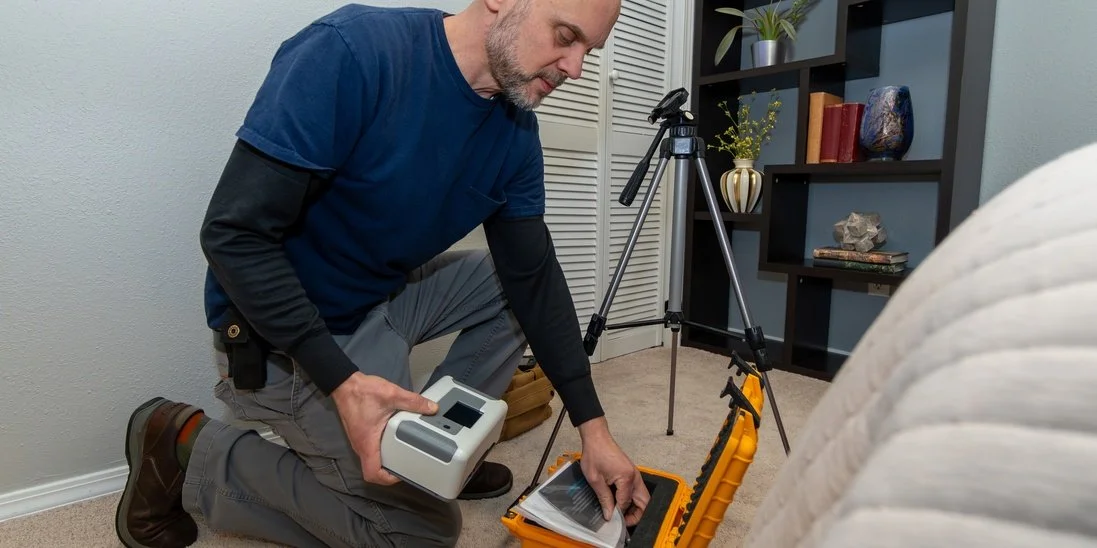
Finding out your home has elevated radon levels can feel overwhelming. You might wonder how serious the problem is and what steps you need to take to protect your family. The good news is that radon problems are fixable, and knowing what to do next will help you create a safer living environment for everyone in your household.
Radon is a naturally occurring radioactive gas that seeps into homes through cracks in foundations, walls, and floors. When trapped indoors, it can accumulate to dangerous levels. The EPA recommends taking action when radon levels reach 4 picocuries per liter (pCi/L) or higher. So what’s next when your home tested positive for radon?
Take Immediate Action To Reduce Exposure
Your first priority is minimizing your family’s exposure while you work on a permanent solution. Open windows and doors on the lowest level of your home to increase ventilation. This simple step dilutes radon concentrations temporarily.
Turn on exhaust fans in bathrooms and kitchens to improve air circulation throughout your house. Avoid spending extended periods in basements or lower levels where radon typically concentrates most heavily.
Understand Your Mitigation Options
Several effective radon reduction systems can lower dangerous levels in your home. The most common method is sub-slab depressurization, which prevents radon from entering through your foundation. This system uses a fan and pipe to draw radon from beneath your home’s foundation and vent it safely outside.
Crawl space ventilation works well for homes without basements. This approach increases air circulation under your house to prevent radon accumulation. Sealing cracks and gaps in your foundation also reduces radon entry points, though this method alone rarely solves significant radon problems.
The right solution depends on your home’s construction, foundation type, and radon levels. A qualified radon professional can assess your specific situation and recommend the most effective approach.
Schedule Professional Installation
Contact a certified radon mitigation contractor to install your reduction system. These professionals have specialized training and equipment to design systems that work effectively for your home’s unique characteristics.
During installation, contractors typically drill small holes through your foundation slab and install pipes that connect to a fan system. The fan runs continuously to maintain negative pressure beneath your home, preventing radon from seeping indoors.
Most installations take one to two days to complete. The process involves minimal disruption to your daily routine, and contractors will explain how your new system operates.
Plan for Follow-Up Testing
After installation, wait at least 24 hours before conducting post-mitigation testing. This waiting period allows your system to establish proper airflow patterns. Test for a minimum of 48 hours using the same testing protocols you used initially.
Successful mitigation typically reduces radon levels to below 2 pCi/L, though any reduction below 4 pCi/L meets EPA guidelines. Keep detailed records of all testing results for the future.
Retest your home every two years to make sure your mitigation system continues working effectively. Consider brushing up on radon awareness and safety guides to stay informed about best practices for maintaining a radon-safe home.
Testing positive for radon in your home requires prompt action, but effective solutions exist to protect your family’s health. Professional mitigation systems successfully reduce radon levels in most homes, providing long-term peace of mind.