
How Storage Unit Design Shapes Organization Habits
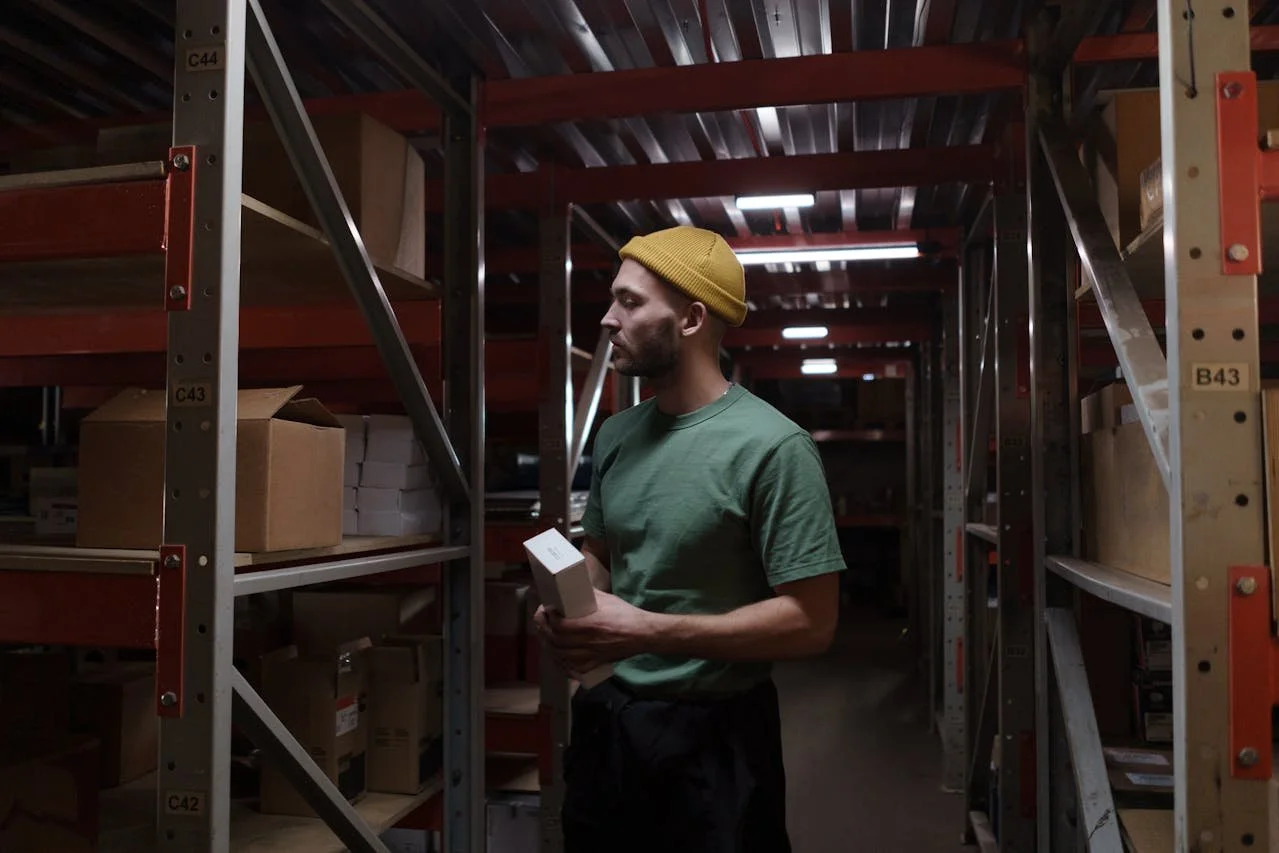
Staying organized often feels easier when your environment supports you. A well-arranged space reduces stress and saves time. This connection becomes clear when you consider how storage unit design influences your daily routines. The way a space is arranged changes how often you return items, how quickly you find them, and how consistently you maintain order. By looking at how physical structures affect personal habits, you can see why design matters more than simple storage capacity.
The Psychology of Organized Spaces
Your environment influences your choices more than you realize. A cluttered space creates distraction and makes it harder to focus. A clean, structured space encourages better decisions and motivates you to keep habits consistent.
Importantly, the brain responds to order by reducing stress hormones. When your surroundings feel tidy, you act with greater focus. By contrast, clutter makes even small tasks feel overwhelming. That isn’t only about how the space looks; it’s about how it works on a practical level.
When you step into an orderly environment, you know what to expect. That predictability strengthens your ability to repeat small routines. Whether you’re at home or managing a storage area, the setup influences the outcome.
Small Details That Drive Big Changes
Minor features often determine how well you maintain structure. Lighting is a clear example. A dark corner discourages use, while a well-lit area invites activity. Better visibility encourages you to use every part of a space effectively.
Labels are another small feature that brings large benefits. A clear label reduces hesitation and speeds up the process of returning or finding items. Without labels, you waste time checking boxes or guessing their contents.
Adjustable shelving also makes a difference. Your needs change over time, and flexible shelves adapt with you. Instead of leaving items stacked randomly, you create a room that fits your current situation. These details may appear small, but they support long-term organizational behavior.
Habits Built Through Consistency
Habits don’t form overnight. Repetition builds them. Returning items to the same location every time makes organizing automatic. Over weeks and months, that repetition creates lasting patterns.
Consistency is easier when the design supports it. A well-planned space encourages you to repeat small actions. If returning an item requires effort, you’ll skip it. If it takes seconds, you’ll do it without thinking. That’s how routines stick.
One detail matters here: storage unit design. When you prioritize layout, organization feels natural instead of forced. Habits become easier to repeat, and maintaining order requires less energy.
There are also moments in life where habits face stress, such as during a move. Packing and unpacking can feel overwhelming, but using storage solutions for a smooth relocation makes the process easier. They help you keep things organized while relocating and reduce the chance of losing track of belongings. A structure that supports you through change reinforces habits rather than breaking them.
Storage Unit Design and Your Daily Habits
The physical layout of a unit strongly affects how you use it. Poorly arranged spaces discourage consistent organization. A well-planned setup makes routines easier to follow. That is why storage unit design connects directly to your daily habits.
When items you need every day are at eye level, you grab them quickly and put them back without delay. If those same items are buried behind heavy boxes, you avoid using them. That avoidance turns into clutter over time.
Separating seasonal items from daily necessities helps too. A section for winter gear that doesn’t interfere with summer essentials means smoother transitions between seasons. Small shifts in layout encourage consistent patterns that stick with you.
Practical Layouts That Encourage Efficiency
A practical layout saves you from frustration. Vertical storage helps maximize space and keeps items accessible. Using wall-mounted shelves or tall racks reduces wasted floor area. You gain order without expanding square footage.
Grouping items by category also makes retrieval simple. Tools together, clothes together, and sports gear in one zone. This arrangement ensures you know exactly where to return things. Without grouping, items drift into random piles, creating disorder.
Maintaining a clear pathway is just as important. If you can’t walk through the space without moving objects, frustration builds quickly. A path makes every area accessible, so you’re more likely to use the entire space instead of ignoring harder-to-reach corners.
Digital Tools That Complement Physical Storage
Physical design works best when paired with simple tech support. Apps help you keep track of stored items by listing their location. You don’t waste time guessing what’s inside a box.
QR codes provide another solution. Attach one to a container, and you scan it to see the contents. This system reduces errors and ensures you find what you need quickly.
These digital methods remove unnecessary stress. Instead of opening every box, you check your phone. That consistency encourages you to return items properly since you know the effort will save time later.
At the same time, cloud storage links can improve access. You can create shared inventories that family members or coworkers update in real time. This way, everyone knows where items are, which reduces confusion and duplicate searches.
Voice assistants also help. By syncing your inventory with smart speakers, you can ask for item locations without lifting a finger. That turns your storage system into something interactive and easy to update.
Finally, reminders built into apps ensure you don’t forget seasonal rotations or overdue clean-ups. With alerts, you know when to swap out clothing, rotate tools, or re-check supplies. As a result, the organization remains consistent without requiring constant attention.
Closing Insights on Organized Living
Staying organized depends on consistent behavior, but behavior often depends on the setup of your space. Small features, practical layouts, and even digital tools all play a role. By creating an environment that supports easy choices, you reduce stress and save time. In the end, storage unit design is more than an arrangement of shelves and boxes. It shapes your daily actions, influences how you interact with your space, and makes habits easier to sustain. With a well-planned design, order becomes part of your routine, and staying organized feels effortless.