
How Better Organization Can Make a Medical Office More Efficient
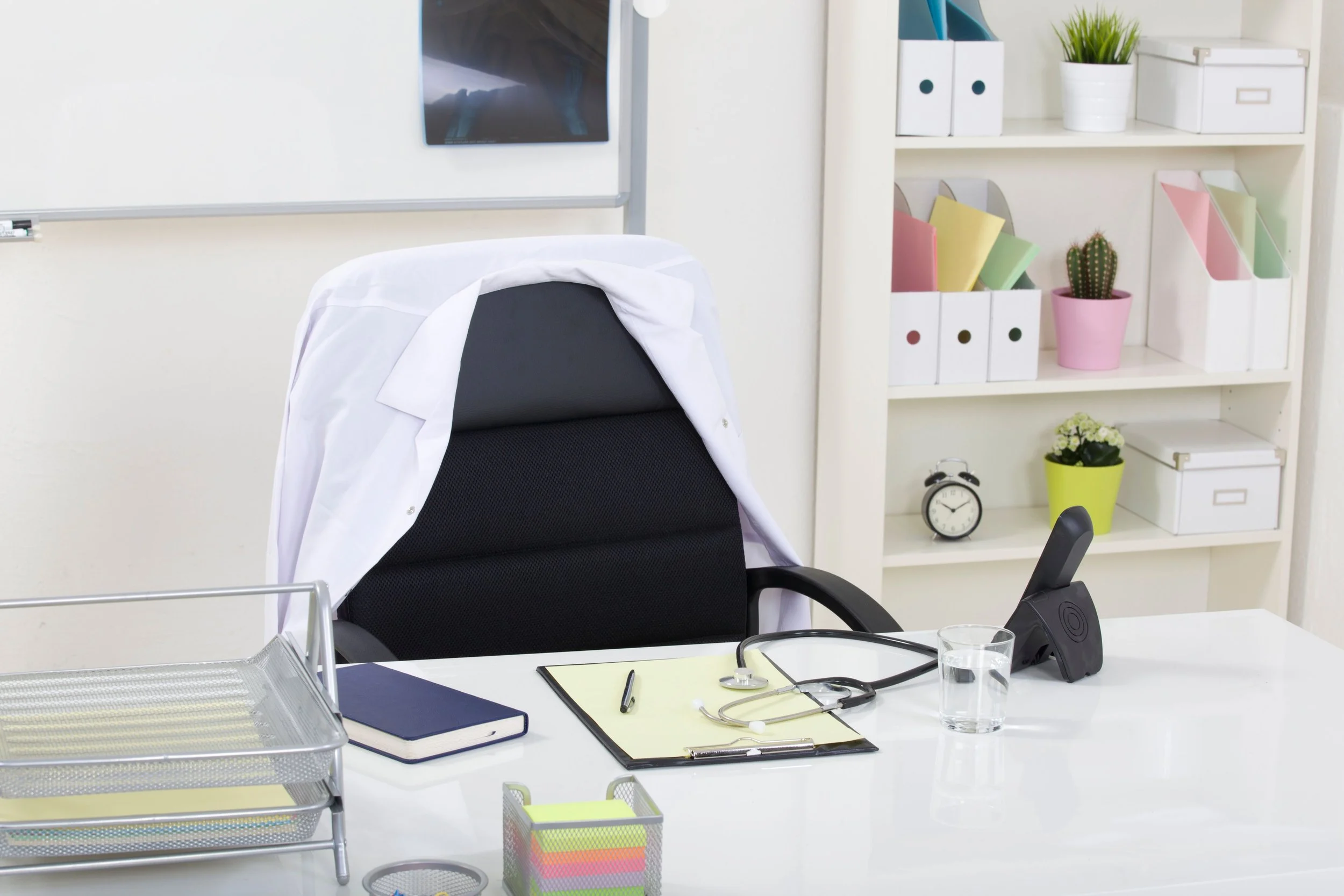
Organizing a medical office is complicated. You can have excellent staff and capable doctors, as well as perfectly good equipment, and still feel like something fundamental is missing. The problem isn't always a lack of effort, but rather a lack of proper planning and organization. Luckily, this is fixable. Minor improvements do count the most because sometimes making even one aspect of your workflow more convenient can have a tremendous impact on everyone working in your building.
Put Frequently Used Items Where The Work Happens
If you want to improve organization, the first thing you need to do is walk through your office and pay attention to where staff members physically go during an ordinary appointment. You will discover many useful things if you pay attention, even for a little bit. For example, you may discover that something used twenty times a day is sitting in a cupboard. Why would something like that be stored in a cupboard? Move it if possible. There isn't much value in preserving a bad arrangement because it's familiar.
You can also create small, sensible stations instead of one enormous supply cupboard. A treatment room might have its own clearly labelled essentials, while reception keeps the paperwork and stationery it handles constantly. This alone will likely reduce the number of unnecessary walks across the office. Five minutes saved here and there matters a lot in healthcare.
Give Patient Information One Clear Home
Patient information tends to multiply. There are referral letters, consent forms, medical histories, appointment notes and documents waiting to be scanned or filed. Many of these are already kept electronically. However, some information is in folders and some temporarily on a desk. In that kind of system, staff have to remember the office's habits before they can find anything. That's not a good system, especially for newbies.
You can combat this friction by choosing one clear place and one clear process for each type of information. If a document needs scanning, decide where it waits before scanning. And what happens immediately afterwards? If something requires a doctor's review, make that status obvious. A straightforward naming and filing convention also helps.
Build Appointment Buffers Around Some Tasks
A schedule can look full while being completely impractical, and that’s the main cause of friction here. If every appointment is booked back-to-back, there isn't much room for the work that surrounds the consultation. After every appointment, notes need finishing. In some cases, rooms need preparation. Doctors need to check referrals and occasionally a patient needs more time. You can’t just rush them out. Pretending these aspects of healthcare and these tasks don't exist won't make them disappear.
You need to carefully examine what happens between appointments. From there, you can build small buffers where they're useful. For example, you might have to reserve certain periods for longer consultations. You might need to make more time for equipment preparation rather than filling every available minute.
This is particularly important when your office handles services that involve several stages. If a patient is coming in for ultrasound in Wollongong, for example, your schedule needs to account for the actual journey through the service, not just the minutes when the patient is physically being examined.
Make Handover Notes Difficult To Misunderstand
Are you aware of how much office time disappears into clarification? Someone says they left a message. Someone else asks whether the doctor saw it. Then a third person appears and that person isn't sure whether the patient was called back. Nobody has done anything wrong because this sometimes happens in a dynamic workplace. But at the end of the day, the information has become a little foggy.
You can create a simple handover method that works for everyone involved. Your staff needs to know how to record something efficiently, as well as when they need to do it. Keep it short. You don’t need to explain everything, and your staff doesn’t need to explain everything. These are medical professionals, they know how to read short notes.
Give Reception A Better Way To Handle Interruptions
Reception staff members are overwhelmed. They often have to juggle many things, including phone calls, arriving patients and emails. In the middle of that, they also have to handle payments and questions from clinicians. If every interruption is treated as equally urgent, the day becomes a constant game of dropping one task to pick up another. It’s impossible to avoid burnout when you work like that. It isn't efficient, and more importantly, it isn't pleasant for the person sitting at the desk.
Set some basic rules for interruptions. Certain matters can wait for a scheduled callback. Others need immediate attention, and there’s nothing to do about it. You can help them out by giving staff a visible way to mark something as urgent. You can also keep common answers and procedures somewhere accessible. If staff are repeatedly being asked how to handle the same cancellation, referral or billing question, maybe it’s time to take a look into that.
Organise Rooms For The Next Patient
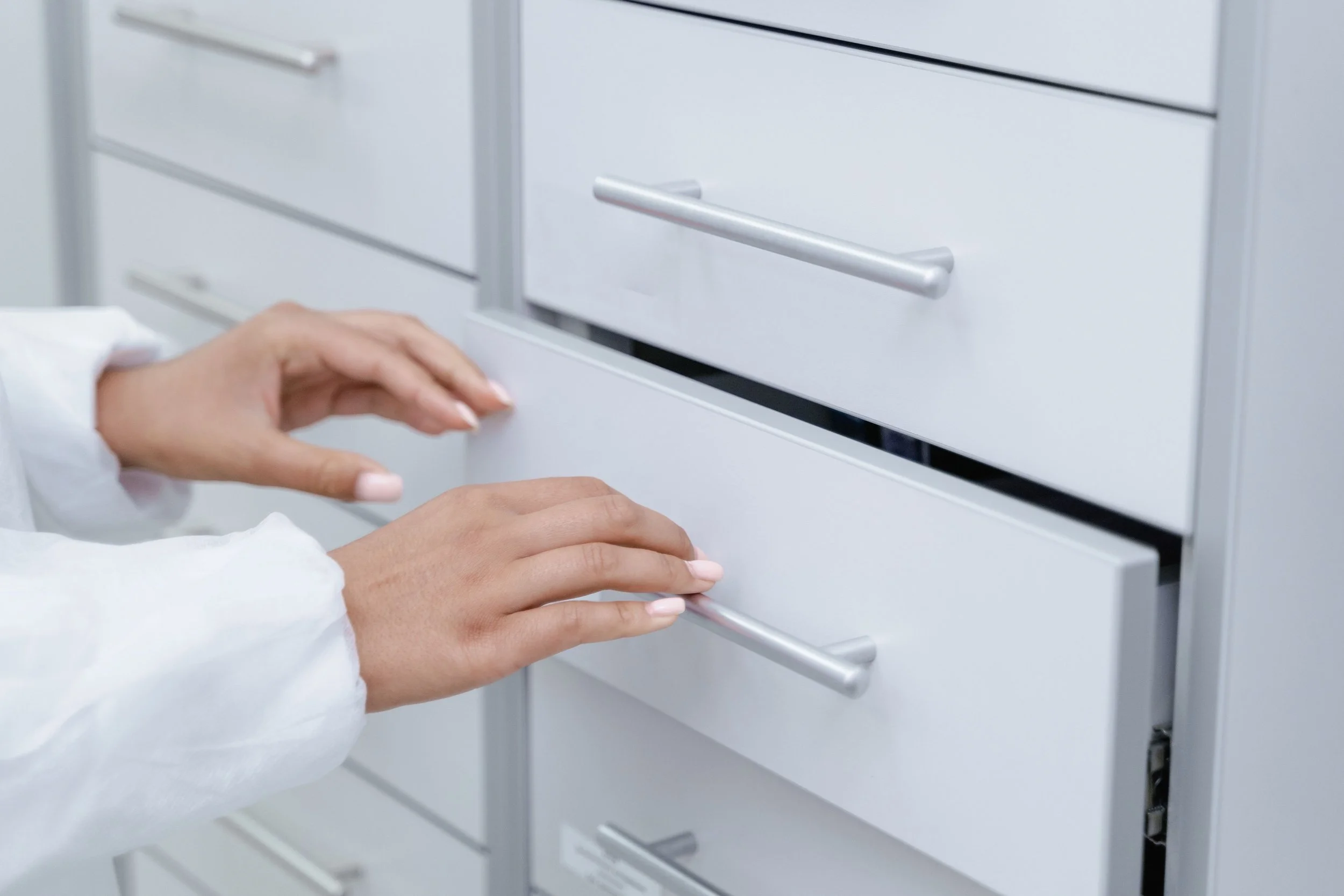
Room preparation often gets treated as a final job. The problem is that this means it gets squeezed between everything else. That is not a good way to do it. A better approach is to make the room itself do some of the organising. Store equipment in consistent places and label drawers clearly. As mentioned earlier, keep the most frequently needed items together. If an item has to be replenished, make the shortage visible.
It can also help to think one appointment ahead. If you know what the next patient needs, prepare the room before the previous patient has completely left whenever this can be done safely and appropriately.
Conclusion
Once your office is organised, don't assume you're finished forever. As your systems evolve, so will your organization. When in doubt, pay attention to the things staff still complain about. Ask your team what wastes their time. This gives you a direct way to solve a problem. You may get practical answers. Once you approach it that way, your ordinary work gets easier, so your staff can spend more of their attention on the people who actually came through the door.