
Revamping Your Home With The Touches It Needs
We partnered with a home improvement company for this post. The opinions in the post are honest. All reviews and opinions expressed in this post are based on our personal views. We are excited because we know you will love it.
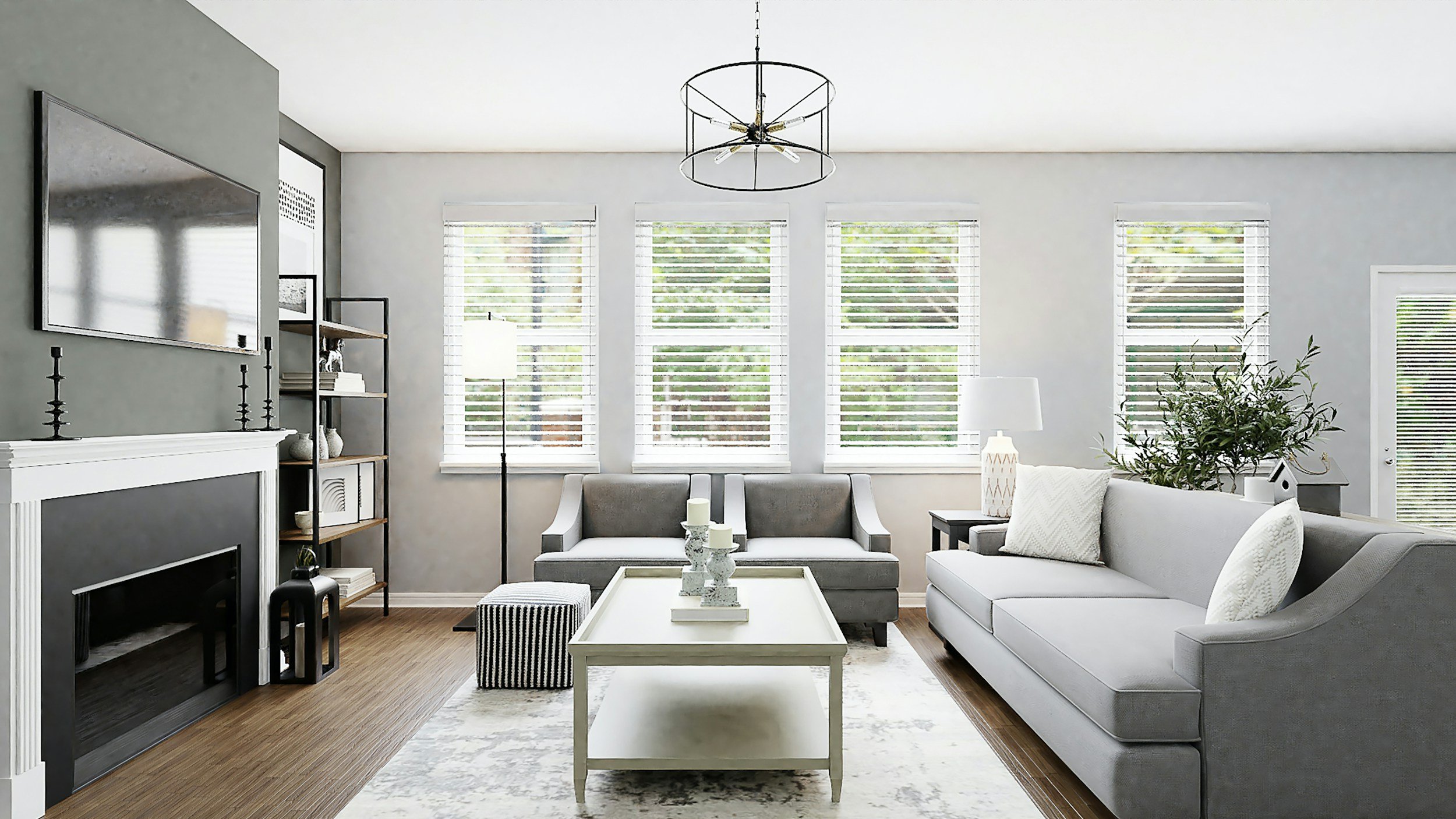
A home is rarely finished. Needs change, tastes shift, and the spaces that felt perfect a few years ago can start to feel tired or poorly suited to the way you live now. Revamping a home does not have to mean a full renovation. Often, a handful of well-chosen updates can transform how a space looks and functions, and it usually costs far less than starting from scratch.
Why Small Updates Make a Big Difference
Homeowners are investing heavily in their living spaces. The Harvard Joint Center for Housing Studies has reported that U.S. homeowners spend roughly $450 billion annually on remodeling and repairs, a figure that has climbed steadily over the past decade. Much of that spending goes toward targeted improvements rather than gut renovations, which suggests that people are finding value in incremental change.
The reasons are practical. Large remodels can take months, strain budgets, and disrupt daily routines. Smaller updates, such as new lighting, fresh paint, or replacement furniture, can be completed in days or weeks. They also allow you to spread costs over time and adjust as you go, so you are never locked into a single sweeping decision.
Start With a Honest Assessment of Each Room
Before buying anything, walk through your home and think about how each room is actually used. A living room that doubles as a workspace has different needs than one reserved for entertaining. A bedroom that feels cluttered may need better storage rather than new decor. Identifying the real problem keeps you from spending money on cosmetic fixes that do not solve anything.
It helps to look at three things in every room: the flow of movement, the quality of natural and artificial light, and the condition of the largest pieces. Furniture tends to define a room more than any other element, so if the sofa sags or the dining table wobbles, no amount of accessories will make the space feel right. Many homeowners find that replacing one or two anchor pieces changes the whole atmosphere.
Furniture Choices That Set the Tone
Furniture is both the most visible and most functional part of a home refresh. When shopping, quality matters as much as style. Solid wood construction, for example, tends to last decades with proper care, while particleboard pieces often begin to show wear within a few years. Providers like Naturwood Home Furnishings, among others, offer pieces built around natural materials and timeless design, which can make it easier to create a look that will not feel dated when trends move on. Choosing durable items also reduces long-term costs, since you replace them less often.
Scale and proportion deserve careful attention. An oversized sectional can overwhelm a small living room, while a tiny accent table can look lost in an open-plan space. Measuring your room and mapping out the layout on paper, or with painter's tape on the floor, is a simple way to avoid expensive mistakes. Leaving about thirty to thirty-six inches for main walkways is a common guideline among interior designers, and it keeps a room feeling open rather than crowded.
The Power of Lighting and Color
Lighting is one of the most underrated elements of home design. A well-lit room feels larger, warmer, and more inviting, while poor lighting can make even beautiful furniture look flat. Designers often recommend layering three types of light: ambient lighting for general illumination, task lighting for activities like reading or cooking, and accent lighting to highlight art or architectural features. Swapping out a harsh overhead fixture for a combination of lamps and dimmable fixtures can change the mood of a room instantly.
Color works in a similar way. Paint is among the most affordable updates available, and according to industry estimates, a typical room can be repainted for a few hundred dollars if you do the work yourself. Neutral tones such as warm whites, soft greys, and muted greens remain popular because they pair easily with different furniture styles and make rooms feel calm. If you prefer more personality, an accent wall or a deeper shade in a small room like a study can add depth without overwhelming the space.
Bringing in Texture, Greenery, and Personal Details
Once the larger pieces and lighting are in place, smaller details give a home its character. Textiles like rugs, curtains, and throw pillows add softness and warmth, and they are easy to swap out seasonally. A large area rug can anchor a seating area and define zones in an open floor plan, while layered window treatments can improve both privacy and light control.
Plants are another effective touch. Research from NASA's well-known clean air study and later work by other groups has sparked ongoing debate about how much houseplants actually purify indoor air, but their effect on mood and aesthetics is widely appreciated. Even a few low-maintenance varieties, such as snake plants or pothos, can bring life to a corner. Personal items, including framed photographs, books, and artwork you genuinely love, keep the space from feeling like a showroom.
Budgeting and Pacing Your Refresh
A realistic budget keeps a revamp enjoyable instead of stressful. Many designers suggest allocating the largest share of your funds to the items you use most, such as a sofa, mattress, or dining table, and spending less on decorative pieces that are easy to change. Setting aside an extra ten to fifteen percent for unexpected costs is also wise, since measurements, delivery fees, or small repairs often appear along the way.
Pacing matters too. Tackling one room at a time lets you learn what works before moving on. You might discover that a particular color palette or furniture style suits your home better than you expected, and you can carry those lessons into the next space. This approach also prevents the fatigue that comes from trying to change everything at once.
Creating a Home That Fits Your Life
The best home updates are not about following trends but about making your space work better for the people who live in it. By assessing each room honestly, investing in quality furniture, layering light and color thoughtfully, and adding personal touches, you can create a home that feels fresh without a major renovation. Take your time, plan carefully, and focus on the touches that matter most. The result will be a space that looks good, functions well, and continues to feel like yours for years to come.