
How to Prepare Your Home for a Major Renovation Project
We partnered with a home improvement company for this post. The opinions in the post are honest. All reviews and opinions expressed in this post are based on our personal views. We are excited because we know you will love it.
A major renovation can turn your home into a construction zone for weeks or even months. The good news is that most of the stress comes from surprises, and good preparation removes the surprises. Here is how to get your home ready before the first hammer swings.
Where Should You Start Before a Renovation Begins?
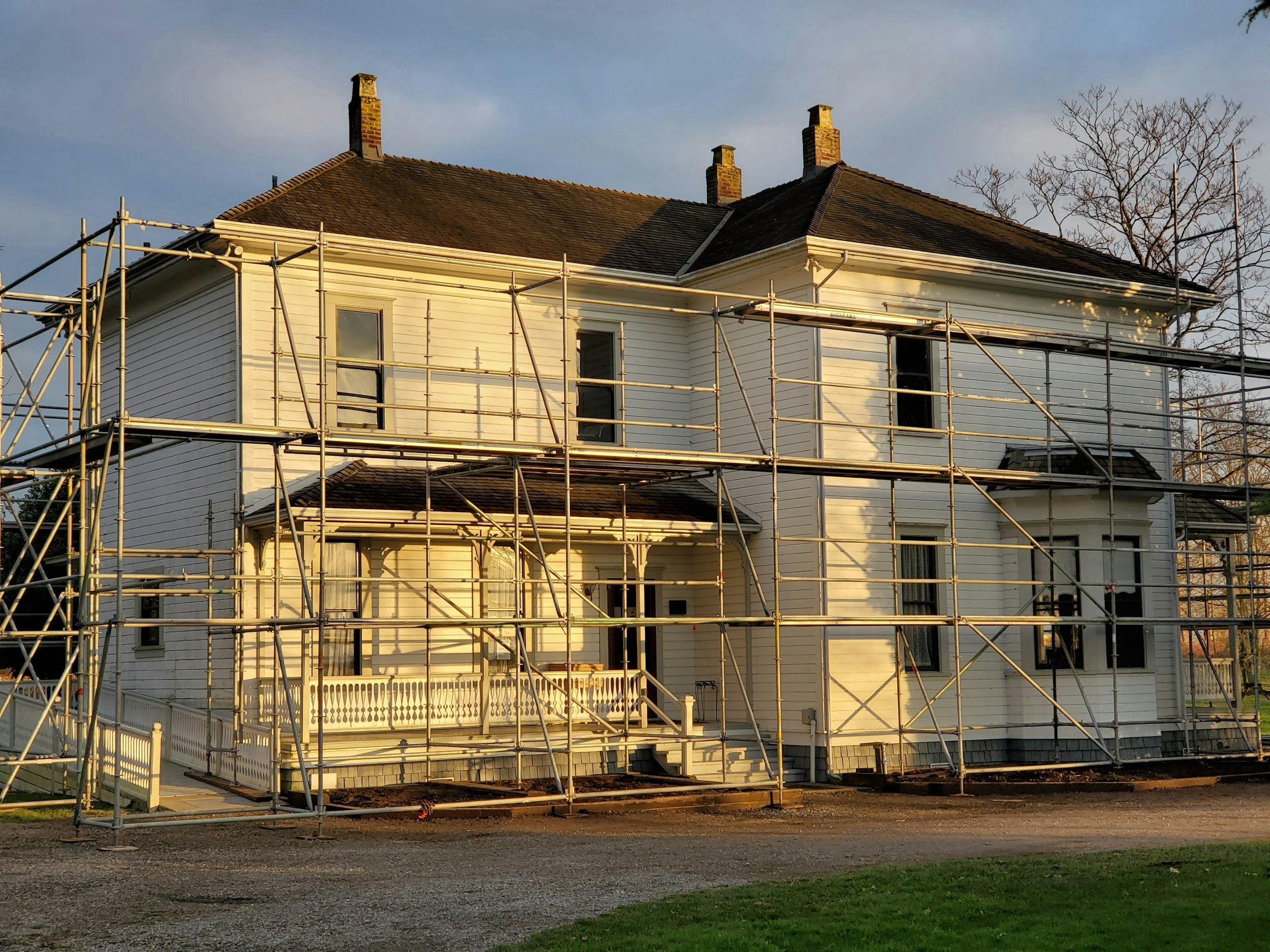
Start with a clear written plan. Know exactly what is being changed, what is staying, and what the timeline looks like. Sit down with your contractor and walk through the scope room by room.
Ask about the order of work too. Demolition, framing, electrical, plumbing, insulation, drywall, and finishes all need to happen in a certain sequence. When you understand that sequence, delays and change orders feel a lot less painful.
Set a realistic budget while you are at it. Add a cushion of 10 to 20 percent for the unexpected. Older homes in particular tend to hide a few problems behind the walls.
How Do You Clear Out the Work Area?
Remove everything from the rooms being renovated. Furniture, rugs, curtains, artwork, and small decor items should all go. Dust travels farther than you would expect, and even a covered couch in the next room can end up gritty.
If you cannot move something, wrap it in heavy plastic sheeting and tape the seams. Close and seal vents in the work zone so dust does not circulate through your whole house.
Consider renting a storage unit for larger pieces. A few months of rent is cheaper than replacing a sofa that absorbed drywall dust.
Why Should You Check Your Electrical System First?
Because renovations put real strain on wiring, and old systems often cannot keep up. New appliances, added lighting, a kitchen remodel, or a finished basement can all push your panel past its limits.
This is the step many homeowners skip, and it is often the one that causes the biggest delays. If crews open a wall and find outdated or unsafe wiring, work stops until it is fixed. Having an electrician in Fenton Mo inspect your home before construction starts lets you catch those problems early and build the fix into your budget and schedule.
An inspection should look at your panel capacity, the condition of existing circuits, grounding, and whether you have enough outlets for how you actually live. If you plan to add an EV charger, a hot tub, or a home office, mention that now so the wiring can be planned with those loads in mind.
What Utilities and Systems Need Attention?
Know where your main shutoffs are for water, gas, and electricity. Show your contractor and make sure everyone in the household can find them in an emergency.
Plan for temporary interruptions as well. Your power may be off for several hours while circuits are updated, and the water may be shut down while plumbing is moved. Ask for the dates ahead of time so you can plan around them.
If your renovation will affect the kitchen, set up a temporary cooking area somewhere else. A microwave, a hot plate, a coffee maker, and a small fridge in a spare room can make a long project much easier to live with. Just be careful not to overload a single circuit with all those appliances at once.
How Do You Protect the Rest of Your Home?
Create a clear barrier between the work zone and the living areas. Zip walls, which are plastic sheets that attach to the ceiling and floor with a zipper opening, work well for this. Hang them in doorways and tape them tightly.
Cover your floors along the path crews will take, from the entrance to the work area. Rosin paper, floor protection film, or heavy cardboard all do the job. Hardwood floors in particular scratch easily under boots and tools.
Keep a box fan in a window, facing outward, to pull dusty air out of the house. Change your HVAC filters more often than usual during the project too. Every few weeks is a good rule.
What Should You Do About Safety and Security?
Renovation sites bring in strangers, tools, and open walls, so safety deserves some thought. Keep children and pets completely away from the work area. Nails, wires, and chemicals on the floor are real hazards.
Make sure smoke and carbon monoxide detectors stay working, even if crews need to remove a few temporarily. Ask that they be put back at the end of every workday.
Lock up valuables or move them offsite. Most contractors are trustworthy, but with several tradespeople coming and going, it is smart to keep jewelry, documents, and electronics out of sight.
How Do You Handle Daily Life During the Project?
Expect noise, dust, and disruption, and plan your routine around it. Early morning starts are common, so if you work from home, think about where you can take calls. A library, a coworking space, or a friend’s house might be worth considering during the loudest phases.
Set up a clean zone in your home where nothing construction related is allowed. Even one bedroom that stays dust free and quiet can help you feel like you still have a home.
If the project is large, such as a whole house remodel, think about staying somewhere else for part of it. A short term rental or time with family can save your sanity and speed up the work, since crews do not have to work around you.
What Is the Best Way to Communicate With Your Contractor?
Agree on a single point of contact and a regular check in schedule. A quick 10 minute conversation at the end of each week prevents most misunderstandings.
Keep every change in writing. If you decide to move an outlet or upgrade a fixture, get it documented with the cost and any impact on the timeline. That paper trail protects you and your contractor both.
Take photos before, during, and after each phase. Pictures of the inside of your walls before they are closed up can be incredibly useful years later, especially for wiring and plumbing.
Ready for the First Day?
A renovation goes best when you do the boring work first. Clear the space, protect the rest of the house, check your electrical system, and keep communication open. These steps take a few days of effort, but they can save you weeks of frustration and thousands of dollars.
Walk through your home one last time before demolition begins. Confirm the shutoffs, the temporary kitchen, the dust barriers, and the schedule. Then take a deep breath, because the hard part of preparing is done and the exciting part is about to begin.