
Mirrors, Rugs, and Plants: Cheap Tricks That Warm Up a Cold Listing
We partnered with a home improvement company for this post. The opinions in the post are honest. All reviews and opinions expressed in this post are based on our personal views. We are excited because we know you will love it.
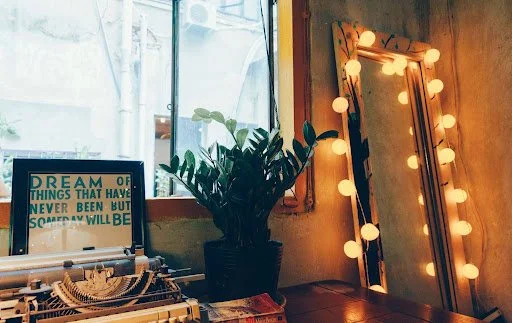
Some homes look perfectly fine on paper and still feel strangely cold when a buyer walks through the door. The rooms may be clean, the walls may be freshly painted, and the furniture may be in good condition. Something is simply missing.
That feeling often comes from an empty layout, bare floors, poor lighting, or rooms that lack small signs of comfort. Buyers are not only looking at square footage and finishes. They are also imagining what it might feel like to live there.
Fortunately, warming up a listing does not always require a major renovation. A few inexpensive additions, such as mirrors, rugs, plants, and soft furnishings, can make rooms feel more inviting without eating into a staging budget.
Start With a Room That Feels Empty
A vacant room can make a property appear larger, yet too much emptiness can make it difficult for buyers to understand how the space works. An unfurnished living room may look like a large rectangle rather than a place where someone would relax, entertain guests, or spend a quiet evening.
This is where simple staging tricks can help. A well-sized rug can define a seating area. A mirror can add visual interest to a plain wall. A plant can introduce a natural element without taking up much space.
For homeowners preparing a property for sale, Plot Property Group can also be part of the research process when exploring different approaches to selling a home and presenting it attractively to potential buyers.
Mirrors Can Give Small Rooms More Life
Mirrors are one of the easiest staging tools because they can change how a room feels without changing its structure.
A large mirror placed opposite a window can reflect natural light and make the room appear brighter. A decorative mirror above a console table can give an empty entryway a finished look. In a narrow hallway, a strategically placed mirror can create a greater sense of depth.
Placement matters more than price. A cheap mirror in the right position can look more effective than an expensive one placed randomly.
Avoid covering every available wall with reflective surfaces. One well-positioned mirror often creates enough visual impact.
Rugs Make Bare Floors Feel Less Harsh
Hardwood flooring can look clean and modern, though a completely bare room may feel cold. Rugs add texture, softness, and a sense of separation between different areas.
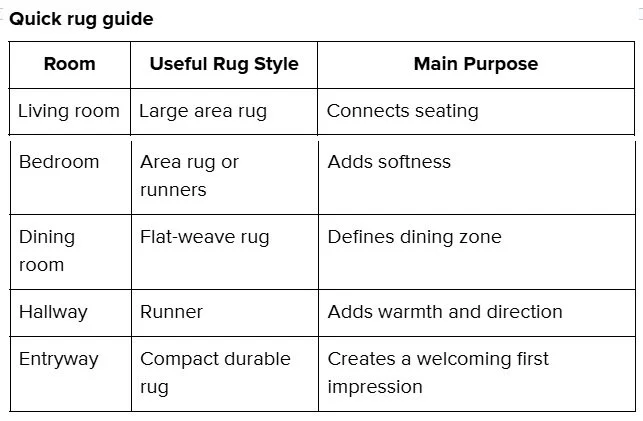
In a living room, place the rug beneath at least the front legs of the main seating pieces when possible. In a bedroom, a rug extending beyond the sides of the bed can make the space feel more comfortable. A runner can also make a long hallway feel less empty.
The size matters. A rug that is too small can make furniture look disconnected, while an oversized rug may make a room feel crowded.
Quick rug guide
Neutral colors are often easier to work with during staging because they complement a wider range of furniture and wall colors.
Plants Add Something Rooms Cannot Fake
A room filled with furniture can still feel lifeless. Plants bring texture, height, and a natural element that can soften hard surfaces.
You do not need a jungle. One tall plant beside a sofa, a small plant on a shelf, or a simple arrangement near a bright window can be enough.
Real plants are attractive when they are healthy maintained. Artificial plants can also work when quality live plants are impractical. Avoid dusty, faded, or obviously cheap-looking faux greenery because it can have the opposite effect.
Think about scale as well. A tiny plant can disappear in a large living room, while a massive plant can overwhelm a small corner.
Soft Details Can Change a Buyer’s First Impression
Mirrors, rugs, and plants work even better when paired with a few other inexpensive touches.
Fresh towels can make a bathroom feel cleaner and more polished. Cushions can add texture to a plain sofa. A simple throw blanket can make a bedroom or living room feel more comfortable. Curtains can soften windows and give rooms a more finished appearance.
These additions do not need to reflect your personal decorating style. The goal is to create a clean, comfortable setting where buyers can imagine their own belongings.
Try this five-minute test
Stand at the doorway of each room and ask:
What do I notice first?
Does the room feel balanced?
Is there an obvious focal point?
Does anything look unnecessarily empty?
Would a buyer know how to use this space?
Those questions can reveal staging problems that are easy to overlook when you see the property every day.
Warmth Does Not Mean Clutter
There is a fine line between cozy and crowded. Adding too many rugs, plants, mirrors, cushions, and decorative pieces can make a listing look smaller and less organized.
Keep walking paths clear. Leave enough open space around furniture. Group decorative items instead of spreading small objects across every surface.
A staged home should feel lived-in enough to be welcoming while remaining clean enough for buyers to focus on the property.
Match Every Addition to Its Surroundings
A successful staging piece should look like it belongs in the room.
For example, a large rustic mirror may work beautifully in a home with wood accents and natural textures. A simple framed mirror may suit a modern interior better. A woven rug can complement neutral furniture, while a patterned rug can add interest to an otherwise plain space.
Plants should also suit the amount of available light. There is little point placing a sun-loving plant in a dark corner where it will quickly deteriorate.
The same principle applies to color. You do not need to match everything perfectly. A consistent palette can make separate rooms feel connected.
Small Spending, Noticeable Difference
You do not need to spend thousands of dollars to make a listing feel warmer. Start with the rooms buyers are most likely to notice: the entryway, living room, kitchen, primary bedroom, and main bathroom.
A simple mirror can brighten a wall. A properly sized rug can anchor furniture. A healthy plant can bring life to an empty corner. Together, these small changes can make a property feel more complete.
Before buying anything new, look around your home first. You may already have useful pieces stored in another room, waiting for a better spot.
A Few Things Sellers Ask Before Staging
Can mirrors make a house look bigger?
Mirrors can create an impression of greater depth and reflect natural or artificial light. Placement is important, since a mirror reflecting an attractive view or bright window can have more impact than one facing a cluttered area.
Are rugs necessary when staging a home?
They are not required, though rugs can make large or vacant rooms feel more defined and comfortable. Choose sizes that work with the furniture and leave clear walking paths.
Are artificial plants suitable for home staging?
Yes. High-quality artificial plants can add greenery without requiring maintenance. They should look realistic, remain clean, and fit the scale of the room.
What is the cheapest way to make a listing feel warmer?
Start with what you already own. Rearranging furniture, improving lighting, adding clean textiles, decluttering surfaces, and moving existing mirrors or plants can create a noticeable difference without a major shopping trip.
Give Empty Rooms a Reason to Feel Inviting
A cold listing does not always need expensive furniture or a dramatic makeover. Sometimes, the difference comes from a few simple visual cues that tell buyers a room can feel comfortable and useful.
Use mirrors to play with light and space. Use rugs to define areas and soften hard floors. Use plants to add life and texture. Keep everything balanced, clean, and intentional.
When buyers can walk into a room and immediately picture themselves using it, even small staging choices can have a much bigger effect than their price tag suggests.