
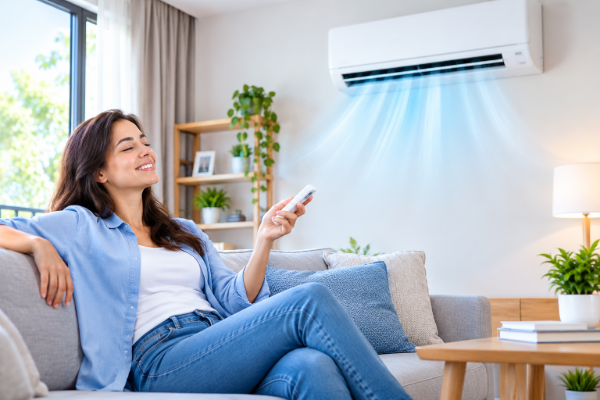
Air conditioning is essential for homes to stay comfortable during scorching summer days and this guide covers system selection installation maintenance & energy‑saving tips.
Understanding Climate and Cooling Load
Air conditioning keeps your home cool during the hottest days. The suburb sits in a temperate zone where summer highs often reach 35 °C with high humidity, especially after a warm front from the Bass Strait. To size a unit correctly you need to calculate the BTU load based on room dimensions, ceiling height, window orientation, insulation level, & typical occupancy. In a typical three‑bedroom house with 2.7 m ceilings, a 2 × 3 m living room that faces north will need roughly 7 000 BTU, while a south‑facing bedroom with good shading may only need 4 500 BTU... Using a spreadsheet or a reputable online calculator that climate data helps avoid over‑ or under sizing, which can lead to short cycling or insufficient cooling.
Air conditioning reduces humidity levels inside the house... In the relative humidity can hover around 70 % during summer evenings, making the perceived temperature feel higher than the actual thermometer reading. A properly sized reverse‑cycle unit with a de‑humidification mode can pull excess moisture from the air, reducing Mold risk and improving comfort. When the indoor humidity drops below 45 % the air feels cooler, allowing you to set the thermostat a few degrees higher without sacrificing comfort. Pairing the system with a programmable thermostat that tracks outdoor temperature trends can further optimise the balance between cooling and humidity control.
Air Conditioning System Types
Air conditioning can be integrated with a smart thermostat for remote control. Split‑system units dominate the residential market in Melbourne because they are relatively easy to install offer high SEER ratings and fit well in the typical brick veneer homes. A wall‑mounted indoor cassette paired with an outdoor condenser provides zone‑specific cooling while a ducted system distributes conditioned air through concealed vents preserving the aesthetic of period homes. Portable evaporative coolers are less effective in the humid summer climate & are best reserved for temporary or supplemental use in well‑ventilated rooms.
Air conditioning improves indoor air quality when using HEPA filters. Modern Melbourne split system air conditioner models often include multi‑stage filtration that captures pollen, dust mites & and fine particles, which is valuable for residents with allergies. If you have a large garden that attracts pollen, choosing a unit with an electrostatic filter can further reduce airborne irritants. For households that cook frequently, a unit with an activated carbon filter helps neutralise cooking odours and volatile organic compounds, keeping the living space fresh.
Air Conditioning Installation Tips and Regulations
Air conditioning helps protect furniture from sun damage. Installing the outdoor condenser on a sturdy concrete pad with a minimum clearance of 600 mm from walls and vegetation ensures adequate airflow and reduces noise transmission. In the local council requires compliance with ‑2‑40 and Refrigeration Council’s guidelines for refrigerant handling. Using R‑32 refrigerant is now preferred because it has a lower global warming potential than the older R‑410A, and many installers are already certified to work with it.
Air conditioning supports reverse‑cycle heating in winter. A reverse‑cycle unit can provide up to 12 kW of heating power, which is sufficient for most homes during the mild winters that average 12 °C... To maximise efficiency, make sure the indoor unit is placed away from heat sources such as ovens or direct sunlight, and that the outdoor unit is shaded but has enough clearance for proper airflow. A professional installer will also check that the electrical circuit is sized to handle the start‑up surge, typically a 20 A breaker for a 5-kW system.
Air Conditioning Maintenance Checklist...
Air conditioning complies refrigerant regulations. Routine maintenance should be performed at least twice a year – once before the summer heat and once after winter. The first step is to remove and clean the filter; a clogged filter can increase energy consumption by up to 15 %. Next, inspect the condenser coils for dust and debris, gently vacuum them with a soft brush, & wash with a low‑pressure hose if needed. Check the condensate drain for blockages, as a clogged drain can cause water leakage inside the house.
Air conditioning maintenance extends the life of the unit. A professional service includes checking refrigerant pressure, verifying the thermostat calibration, and tightening any loose electrical connections. Lubricating the fan motor bearings reduces wear and keeps noise levels low. Document the service date and any parts replaced; this record is useful for warranty claims and for future technicians to understand the system’s history. Regular maintenance also ensures the unit continues to meet the energy‑star rating required for state rebates.
Air Conditioning Energy Efficiency & Rebates
Air conditioning noise levels are measured in dB(A). In a typical townhouse the indoor unit should not exceed 35 dB(A) at a distance of 1 m which is comparable to a quiet refrigerator. When shopping for a new system looks for a star rating of 6 or higher on the Energy Rating label; each additional star can save up to 10 % on electricity bills. The Victorian government offers a rebate of up to for eligible high‑efficiency reverse‑cycle air conditioners installed between July 2026 & June 2026.
Air conditioning installations must follow ‑2‑40 standards. The installer should provide a compliance certificate that confirms the unit meets the required safety and performance criteria. Selecting a reputable brand such as Daikin, Mitsubishi Electric or Fujitsu ensures that the system has a proven track record condition. Manufacturers now offer a 10‑year compressor guarantee, which is a strong indicator of durability when the unit is installed correctly.
Air Conditioning Smart Controls and Renewable Integration
Air conditioning can use low‑GWP refrigerants for environmental benefit. Modern smart thermostats like the Nest or Eco bee connect to Wi‑Fi and allow you to set schedules, monitor energy usage, and receive alerts if the system detects a fault. Integration with a solar PV system is increasingly common; a 5-kW solar array can offset a large portion of the electricity used by a 3‑tonne reverse‑cycle unit during peak sun hours. When paired with a battery storage system, the air conditioner can run on stored solar energy during evening peaks, further reducing grid reliance.
Air conditioning service contracts provide regular checks. Local service providers offer a 24‑hour emergency response guarantee, which is crucial during heatwaves when a failed unit can quickly become a health risk. A service contract typically includes an annual inspection, filter replacement, and priority call‑out for breakdowns. Having a contract also means the technician will be familiar with the specific model and any previous issues, speeding up repairs and minimising downtime.
Air Conditioning Troubleshooting and Emergency Service...
Air conditioning should be inspected for refrigerant leaks after a power surge. Ah, common problems include the unit not cooling, water pooling around the indoor evaporator, or strange error codes flashing on the display panel. If the fan is running but the air feels warm, the refrigerant may be low or the compressor may have failed... a quick visual check of the outdoor unit for ice build‑up can indicate a low‑pressure issue, while a hissing sound suggests a leak that needs professional repair.
When a breakdown occurs during a heatwave it is essential to have a reliable emergency service on call. A licensed technician will safely recover any remaining refrigerant repair the leak & recharge the system according to the manufacturer’s specifications. While waiting for service use portable fans and keep blinds closed to minimise heat gain. Maintaining a back‑up power source can also keep critical cooling running for vulnerable occupants such as the elderly or infants.
Conclusion
Climate housing stock and local regulations create a unique set of requirements for keeping homes comfortable all summer. By understanding the cooling load selecting the right system type ensuring a compliant installation and following a diligent maintenance routine you can enjoy reliable energy‑efficient comfort year after year. For more detailed guidance on the best practices refer to our comprehensive air conditioning resource that walks you through every step of the process.