
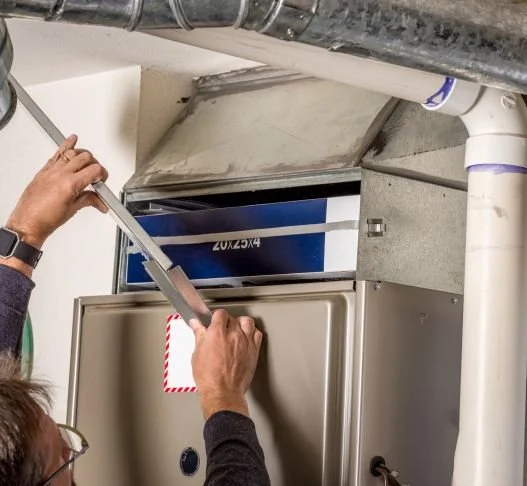
Few things are more frustrating than discovering your furnace isn't keeping your home warm when temperatures drop. Whether it's blowing cold air or struggling to maintain a comfortable temperature, various warning signs can indicate a problem that needs attention sooner rather than later. Even seemingly minor furnace issues can lead to things like expensive repairs or unexpected breakdowns if left unaddressed. Knowing what to look for can help homeowners recognize developing problems and determine when professional service is necessary. Here are seven common furnace problems homeowners shouldn't ignore and what to do when they occur.
Furnace Blowing Cold or Lukewarm Air
If your furnace is running but your home isn't getting warmer, there may be a problem with the heating system. Cold or lukewarm air coming through the vents can indicate anything from a simple thermostat issue to a malfunctioning internal component. A dirty air filter can also restrict airflow, potentially causing the furnace to overheat and activate its safety shutdown controls. Other possible causes include a faulty ignition system, burner problems, or issues with the gas supply.
Start by checking your thermostat to make sure it's set to heat and the temperature is above the current room temperature. Pay attention to whether the furnace produces warm air initially before switching to cooler air or never produces heat at all. These details can help an HVAC technician narrow down the cause. If basic thermostat and filter checks don't resolve the problem, schedule professional furnace repair to restore consistent heating.
Strange Noises Coming From the Furnace
Although furnaces produce some noise during normal operation, sudden banging, rattling, squealing, or grinding sounds can indicate mechanical or ignition-related problems. Paying attention to when these noises occur can help identify the source before additional damage develops.
Banging or loud popping during startup may indicate delayed ignition in a gas furnace, which can create a potentially dangerous condition and requires professional attention. Rattling may point to loose access panels, screws, or internal components. Squealing can indicate problems with a blower motor or worn bearings, while grinding may suggest damaged motor components.
Homeowners should note whether the noise occurs during startup, while the furnace is running, or when the system shuts down. This information can help a technician diagnose the issue. Avoid opening the furnace cabinet or attempting mechanical repairs yourself. Persistent or increasingly loud noises should be inspected before they result in more extensive equipment damage.
Furnace Frequently Turning On and Off
A furnace that repeatedly starts, runs briefly, shuts down, and starts again may be experiencing short cycling. Unlike normal heating cycles, which allow the system to run long enough to distribute heat throughout the home, short cycling interrupts operation before the heating process is completed.
One common cause is overheating. When a dirty air filter restricts airflow, the furnace may become too hot and trigger a safety control that shuts down the burners. Once the system cools, it may attempt to restart. Thermostat problems and oversized heating equipment can also contribute to frequent cycling. An oversized furnace may heat the home too quickly, causing it to shut off before completing a longer heating cycle.
Repeated startup and shutdown cycles can place additional stress on the ignition system, blower motor, and other components. Homeowners can check the air filter and make sure return air vents aren't blocked. If the problem continues, an HVAC technician can inspect the system, evaluate its sizing, and identify the cause of the repeated shutdowns.
Weak or Uneven Heating Throughout the Home
If some rooms feel comfortable while others remain noticeably cold, your furnace may be experiencing an airflow distribution problem. Uneven heating can make it difficult to maintain consistent indoor temperatures and may cause your heating system to work harder than necessary.
Homeowners can start by checking that supply and return vents are unobstructed and that furniture isn't blocking airflow. Avoid closing multiple vents in an attempt to redirect heat, as this can affect system airflow and performance. If certain rooms remain colder than others, a professional HVAC technician can inspect the ductwork, evaluate airflow, and recommend appropriate heating repairs.
Furnace Failing to Turn On
A furnace that won't start can quickly become a major concern, especially during freezing weather. Whether the system suddenly stops working or fails to respond when the thermostat calls for heat, several electrical or mechanical problems could be responsible.
Start with a few basic checks. Make sure the thermostat is set to heat with the desired temperature higher than the current room temperature, and the thermostat has working batteries if applicable. You can also check whether the furnace's circuit breaker has tripped. If it trips repeatedly, don't continue resetting it, as this may indicate an electrical problem.
Other potential causes include a failed ignition system, faulty electrical connections, or a malfunctioning safety switch. Some furnaces also have diagnostic indicators that display an error code when a problem occurs. Homeowners can note the displayed code without attempting internal repairs. If the system still won't start, contact a qualified HVAC technician, such as someone from Premier Heating and Air, to diagnose the issue and restore safe operation.
Unusual Smells Coming From the Furnace
Unusual odors coming from your furnace can indicate anything from seasonal dust buildup to a potentially serious equipment malfunction. Recognizing the difference can help homeowners determine when immediate action is necessary.
A dusty smell may occur when you first turn on your furnace for the season. This is often caused by accumulated dust burning off the heating components. However, things like persistent burning plastic or smoky odors may indicate overheating wires or damaged components. Musty smells can also suggest moisture problems within the system or ductwork.
A rotten egg or sulfur-like odor may indicate a natural gas leak. If you notice this smell, leave the building immediately. Contact your gas utility or emergency services from a safe location.
It's also important to remember that carbon monoxide is odorless and cannot be detected by smell. Keep working carbon monoxide alarms installed and never ignore persistent furnace odors. Arrange a professional inspection when an unusual smell has no obvious harmless explanation.
Unexpected Increases in Energy Bills
If your heating bills are increasing despite similar thermostat settings and household habits, your furnace may not be operating as efficiently as it should. Although colder weather and changes in energy rates can affect monthly costs, an unexplained increase may point to a heating system problem.
Dirty filters, restricted airflow, malfunctioning components, and ductwork leaks can all affect heating performance. When a furnace struggles to distribute warm air or maintain the desired temperature, it may run longer to meet the thermostat's settings. Deteriorating components in an older system can also contribute to reduced performance and higher energy consumption.
Homeowners should compare their energy use with previous months while accounting for outdoor temperatures and changes in utility rates. Replacing filters according to manufacturer recommendations and keeping vents unobstructed can help support efficient operation. If energy consumption continues to rise, schedule a professional furnace inspection.
A technician can evaluate system performance, identify inefficient components, and recommend appropriate repairs. If your furnace is aging and experiencing frequent breakdowns, it may also be worth comparing the cost of continued repairs with the long-term benefits of replacement. In some cases, homeowners may find it more practical to install new furnace equipment rather than continue investing in an unreliable heating system.
Knowing when to contact an HVAC professional, such as someone like A&K Service Inc, can help homeowners prevent minor issues from developing into major heating problems. While basic tasks such as replacing air filters and checking thermostat settings are generally suitable for homeowners, most other sorts of repairs require someone more qualified to handle.