
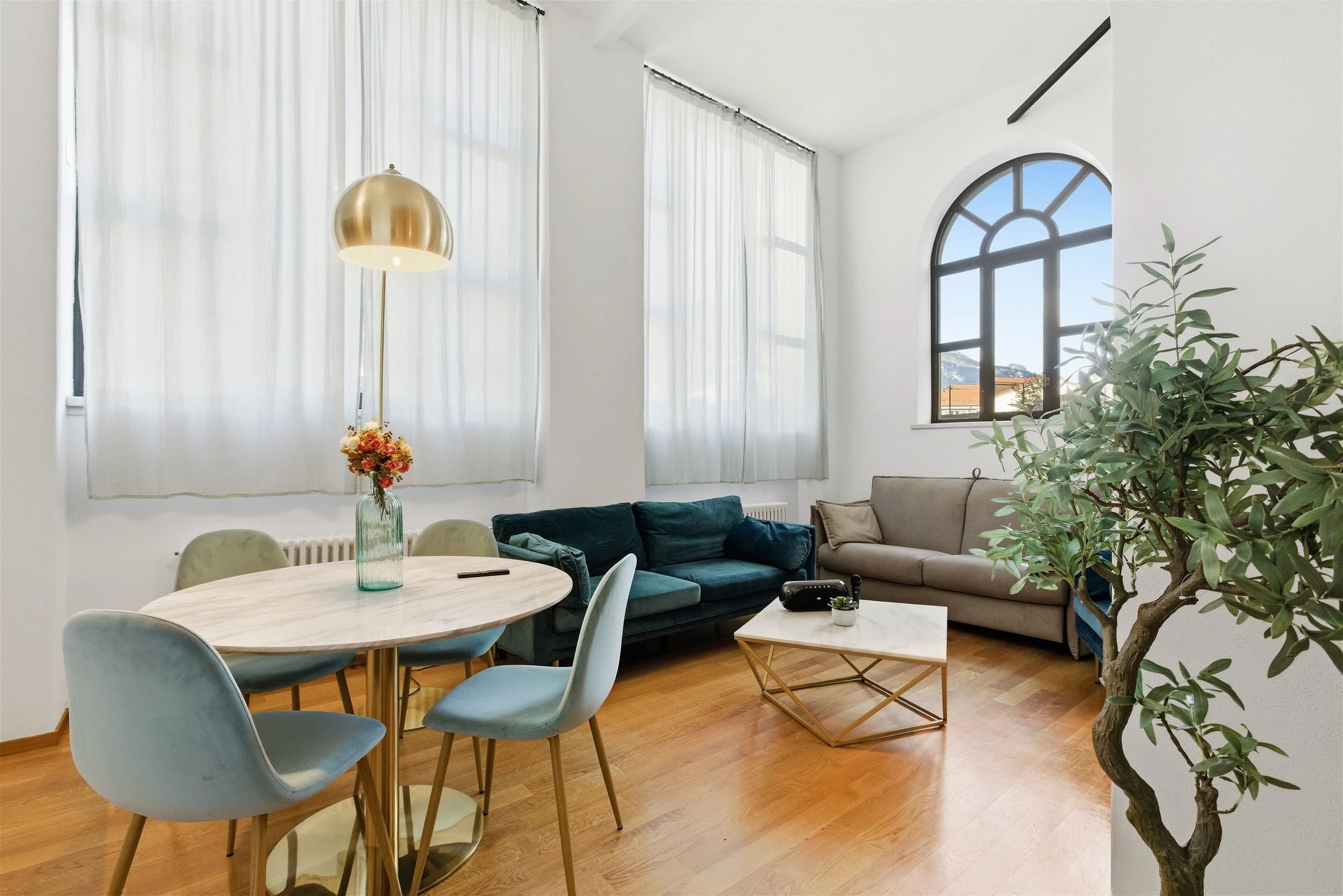
Choosing a family home is about more than finding enough bedrooms for today. Families change over time, and the way a home is used can change with them. A spare room may become a nursery, a home office, a study area, or a guest room. Outdoor space may become more important as children grow, while easy access and fewer stairs may matter more later in life.
Thinking about the future does not mean trying to predict every detail. It simply means choosing a home with enough flexibility to support different stages of life. The right property should make daily routines easier now while still giving your family room to adapt later.
Think Beyond Your Current Situation
It is easy to focus only on what your family needs right now. A couple may be happy with two bedrooms, while a family with young children may mainly care about storage, play space, and a safe backyard.
Before buying, think about how your household could change over the next five or ten years. You may need another bedroom, space for working from home, somewhere for teenagers to have privacy, or an area that could accommodate visiting relatives. A little extra flexibility can prevent the home from feeling too small too quickly.
Consider the Location as Carefully as the House
A family home is not only about what is inside the property. The surrounding area can have a major effect on daily routines and long-term convenience.
Schools, parks, childcare, shops, medical services, public transport, and commuting times may all become important at different stages of family life. For example, browsing available homes through Chesswork Property can give buyers a sense of how different locations compare in terms of lifestyle, access, and everyday convenience.
Pay Attention to the Layout
Whilst the amount of rooms will be important, it can often be how they are laid out that can cause issues. Having a large house can be inconvenient if the layout isn’t suitable.
Take into account how the kitchen can be used with the living and outside areas, how private the bedrooms are, how easy it is to keep an eye on younger children and whether it could still be used once children get older. By having a practical layout you can create a home that is easier to live in.
Extra Storage
As families grow, they often have more items to store. Toys, sporting equipment, school items, seasonal items, bikes and household essentials.
With built-in wardrobes, garage, pantry, linen cupboards and outside storage it can make a big difference. If you have a large looking home but no place to store everyday items then it can cause the house to look very cramped. Extra storage can help ensure you have a practical living space.
Outside Space
Outside space can often become a big part of your home. Families with younger children will appreciate having a safe backyard. Whereas if you have older children, they may appreciate having more space to do things.
Whilst you want a large area, you also need to think about how private it is, if there is any shade, how easy it will be to maintain and how accessible it is from inside the home. Sometimes having a small but practical garden can be more useful.
Working from Home
Working from home has become more popular recently and children will also need a quiet area to do their homework. Having a flexible working space can mean several people in your family can use the home.
You may not need an actual office, having a study area, spare bedroom, quiet area or second living area can help. The main thing is having a space to concentrate.
Accessibility
Whilst everyone in your family is young and healthy, accessibility may not seem like an issue. However, stairs, small corridors, steep driveways and awkward bathrooms can make the home less practical.
Having everything on one level, larger areas, easy access to bathrooms and a ground floor bedroom can help give more flexibility. It can also be useful if elderly family members come to visit or if someone has a temporary mobility issue.
Conclusion
A great family home should be practical for your current lifestyle but also have flexibility for the future. Having flexible rooms, practical storage, a useful layout, convenient location and affordable costs can all help ensure the property is suitable.
Whilst no home can guarantee to be suitable for every stage of your family, choosing the right one can make it easier to adapt. By thinking ahead and considering how the property could be used, you can choose a home that will support your family for many years.