

A resource for those seeking information on organizing and transforming spaces.

House Hunting Made Smarter: How Pre-Approval Can Give Buyers an Edge
Purchasing a house can be an exhilarating experience, but things may soon start becoming overwhelming for those who have no idea how much they can borrow. The first thing that one needs to do before going for an inspection or placing any offer is to obtain pre-approval for home loans. This will give them an idea about their affordability and help them deal with the real estate market with more confidence. Here are five ways in which this can help them.

Purchasing a house can be an exhilarating experience, but things may soon start becoming overwhelming for those who have no idea how much they can borrow. The first thing that one needs to do before going for an inspection or placing any offer is to obtain pre-approval for home loans. This will give them an idea about their affordability and help them deal with the real estate market with more confidence. Here are five ways in which this can help them.
Know Your Budget Before You Start Looking
House hunting becomes much simpler once you have a sensible budget from the start. The pre-approval lets you know the amount that a lender is willing to lend you, depending on your income, debts, expenses, savings, and even credit rating. Instead of looking at houses that will never be within your financial means, you get to look at the houses within your borrowing capacity.
Having a budget will make it easier to factor in other expenses besides the cost of buying the property. As a buyer, one needs to think about the stamp duty, conveyancing fees, inspection fees, insurance, and even moving costs. This makes it easier to avoid any nasty surprises in the future.
Move Quickly When the Right Property Appears
The Australian property market operates rapidly, especially when there is high demand for houses, which attracts more buyers to them. In cases where pre-approval is obtained, a large portion of your mortgage assessment is completed before you find yourself a property to buy, which will give you a step ahead.
Although it cannot assure you that you will obtain the loan in the end, you will have some advantage over other people in terms of time since you will not have to repeat the whole process again. That speed can matter when competing against buyers who have not yet established their borrowing position.
Get Guidance From Financial Experts
Home finance is not an easy task, especially for those new to buying their first home or even unfamiliar with the financing requirements in Australia. Consulting a professional in finance will give you the best insights into the possible lending structures that suit you.
If you are purchasing in Australia, it can be valuable to consult an experienced finance broker in Melbourne to compare suitable lending options and understand what may be required for your circumstances. A broker can explain the pre-approval process, identify potential documentation requirements and help you prepare a stronger application. Professional guidance can also provide clarity when comparing different lenders, allowing you to make decisions based on more than just the advertised interest rate.
Strengthen Your Position as a Buyer
What sellers need is assurance that you have the capacity to honor your promises after they accept the offer. You can achieve this by proving that you have already gone through the process of pre-approval, which would indicate that you have actually done something in preparing yourself financially.
Though it would not necessarily mean that they will pick your offer, since there are other factors that would come into play such as price, conditions of sale, and many others, you can at least lessen their doubts that you are indeed ready to buy. However, demonstrating financial preparedness may help reduce uncertainty and signal that you are a serious purchaser.
Negotiate With Greater Confidence
Understanding your rough limit of borrowing may provide you with a solid base while negotiating. Rather than reacting only on your emotional side, you can evaluate any price offered based on your set financial limits.
Moreover, the pre-approval may assist you in determining whether it makes sense for you to back off. In case negotiations go to a point where the property becomes too expensive for you, having a predetermined limit will help you refrain from spending yourself to exhaustion. This discipline can protect your long-term financial wellbeing while keeping the buying process focused on affordability rather than competition.
It is clear that pre-approval can change your home search process into something that is more focused than what it used to be. Pre-approval is definitely not approval for a mortgage, but it still can give you an extra edge on the real estate market. With knowledge about your financial situation, you can proceed with more focus on yourself.

How to Choose the Best Realtor for Your Home Search
A home purchase is one of the biggest financial decisions most people make, and the realtor guiding that journey plays a major role in shaping the outcome. The right professional helps you understand what to pay attention to while also hunting down the listings that best match what you’re looking for. When you choose your realtor well, the experience feels manageable and informed; when you choose poorly, it can quickly become stressful and uncertain.

A home purchase is one of the biggest financial decisions most people make, and the realtor guiding that journey plays a major role in shaping the outcome. The right professional helps you understand what to pay attention to while also hunting down the listings that best match what you’re looking for. When you choose your realtor well, the experience feels manageable and informed; when you choose poorly, it can quickly become stressful and uncertain.
Define What You Need as a Buyer
Clarify Your Buying Goals
Your budget, preferred neighborhoods, home style, and timeline determine the type of agent who will serve you best. If you’re targeting competitive suburban markets, you need someone who moves quickly and understands bidding trends. If you’re exploring historic districts, you benefit from an agent familiar with older homes and their unique considerations. Aligning your goals with the right professional ensures your search stays focused and efficient.
Identify Your Expectations and Comfort Level
Understanding the support you need is essential when choosing a realtor, such as someone like McGraw Realtors. Some buyers want hands‑on guidance with curated listings and detailed explanations, while others prefer a more independent, streamlined approach. Your past experience also matters, as first‑time buyers often need more reassurance, experienced buyers may prioritize efficiency, and relocating buyers rely heavily on neighborhood insight. Keeping these expectations in mind can help you choose a realtor whose communication style and approach align with how you prefer to navigate the home‑buying process.
Find Someone Who Knows the Area
Neighborhood Expertise
A realtor’s familiarity with local schools, amenities, commute routes, zoning changes, and long‑term growth trends helps you make smarter decisions. Local insight prevents surprises and ensures you understand the full context of each home you consider.
Pricing Insight and Competitive Strategy
A skilled realtor, like someone from Jones Realty SoCal, combines pricing expertise with a clear understanding of competitive market conditions. They interpret market data, comparable sales, and inventory trends to help you determine whether a home is fairly priced, likely to attract multiple offers, or positioned as a potential value opportunity. At the same time, they analyze bidding patterns, seller behavior, seasonal shifts, and timing advantages to shape a strategic approach. This blend of valuation knowledge and market awareness allows you to craft stronger offers, avoid unnecessary risks, and move confidently through fast‑changing conditions.
Check Their Experience and Background
Evaluating a realtor’s professional background gives you a clearer picture of their capabilities and the level of support you can expect. You can start by taking a look at their license and any additional certifications they have, such as a CRS, ABR, or SRES. It’s also helpful to review their transaction history, since an agent who regularly works in your preferred neighborhoods or price range will better understand local trends and buyer expectations. Finally, consider the strength of their brokerage. A well‑resourced brokerage can provide legal guidance, marketing tools, and negotiation support that directly enhance your buying experience, making the entire process more efficient and informed.
Watch How They Communicate
Clear, timely communication is essential in fast‑moving markets, and an agent’s responsiveness can make the difference between securing a home and missing an opportunity. If they take too long to reply or frequently leave you waiting for updates, the process becomes stressful and uncertain. It’s also important to consider how they prefer to communicate; some rely on text, while others lean on phone calls, email, or in‑person conversations. Choosing someone whose style aligns with your own helps ensure updates feel natural and consistent. Availability is another key factor; you need an agent who can accommodate showings, contract discussions, and last‑minute opportunities, especially when homes move quickly.
Look at the Network They Bring
A realtor’s network can shape the quality and efficiency of your home‑buying experience. Strong connections with lenders, inspectors, contractors, and title companies help streamline each step of the transaction and reduce delays. Some agents also maintain relationships that provide early access to off‑market homes, giving you an advantage in competitive neighborhoods. Beyond personal connections, the tools they use, from digital search platforms and automated alerts to virtual tours and organized communication systems, can make your search more efficient and keep you consistently informed.
Understand Their Negotiation Style
A realtor’s negotiation style directly affects your results. Some agents take a direct, assertive approach aimed at securing concessions and stronger terms, while others rely on diplomacy and relationship‑building to create cooperative negotiations. Their ability to manage contingencies, including inspection, financing, and appraisal protections, plays a major role in safeguarding your interests. Ultimately, their advocacy style, whether bold or measured, determines how effectively they represent you when it matters most.
Check What Others Say About Them
Feedback from past clients offers valuable insight into how an agent performs in real‑world situations. Online reviews often reveal patterns in communication, reliability, and professionalism, while testimonials provide firsthand stories about responsiveness, negotiation outcomes, and overall satisfaction. Industry reputation also matters; agents respected by their peers tend to collaborate more effectively, which can positively influence negotiations and access to opportunities.
Decide Whether They’re the Right Fit
Choosing the right realtor ultimately comes down to comfort, trust, and alignment. You should feel confident asking questions, expressing concerns, and relying on their guidance throughout the process. Personality fit plays a meaningful role; if you prefer direct, concise communication, look for an agent who mirrors that style; if you value patience and reassurance, seek someone with a calm, supportive approach. Shared expectations around communication frequency, search strategy, and decision‑making help create a smoother partnership and ensure the entire experience feels organized and collaborative.
The best realtor isn’t just the most experienced or highest‑rated; they’re the one who aligns with your goals, communication style, and comfort level. By evaluating expertise, responsiveness, negotiation style, and overall fit, you can choose a professional who supports you throughout your home search with confidence and clarity. Use this structured approach to find a realtor who feels like a true partner in your buying journey.

Old Knob-and-Tube Wiring Killed My Sale Three Times Until I Found Another Way
Selling a home can be stressful under normal circumstances. When hidden property issues appear during inspections, the process can become even more frustrating. One problem that catches many homeowners by surprise is old knob-and-tube wiring.
We partnered with a real estate company for this post. The opinions in the post are honest. All reviews and opinions expressed in this post are based on our personal views. We are excited because we know you will love it.
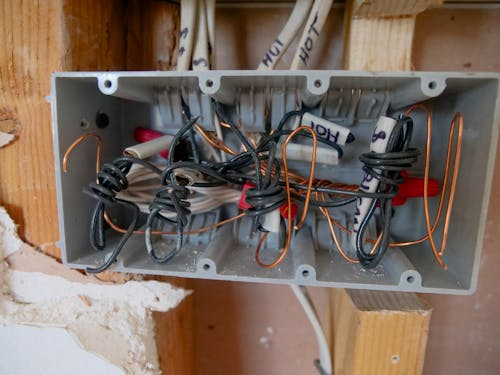
Selling a home can be stressful under normal circumstances. When hidden property issues appear during inspections, the process can become even more frustrating. One problem that catches many homeowners by surprise is old knob-and-tube wiring.
This type of electrical system was commonly installed in homes built before the 1950s. While some systems may still function, many buyers and lenders view them as a concern. As a result, sellers often find themselves facing canceled contracts, repair requests, or financing problems.
For one homeowner, old knob-and-tube wiring caused three separate sales to fall apart. Each buyer seemed excited at first. Once inspections revealed the outdated wiring, everything changed. After months of disappointment, a different approach finally led to a successful sale.
Three Deals Gone in a Matter of Months
The house attracted attention quickly. It had a desirable location, a spacious layout, and plenty of character. Showings generated interest almost immediately, leading to multiple offers.
The first buyer backed out after the home inspection. Their insurance company raised concerns about the knob-and-tube wiring and would not provide coverage under standard terms. Without insurance, securing financing became difficult.
The second buyer attempted to move forward. Their lender reviewed the inspection report and requested additional documentation regarding the electrical system. Delays followed, uncertainty grew, and the contract eventually ended.
The third buyer wanted significant electrical upgrades before closing. The estimated cost exceeded the seller's budget. At that point, it became clear that traditional buyers would continue seeing the wiring as a major obstacle.
After months of frustration, the seller began exploring alternatives and eventually learned about options such as Austin All Cash Home Buyers, which often purchase properties in their current condition without requiring extensive repairs.
Why Knob-and-Tube Wiring Creates Problems
Many homeowners do not realize how much impact old wiring can have on a sale until a buyer's inspection report arrives.
Knob-and-tube wiring was once considered standard. Over time, electrical demands increased dramatically. Modern homes use far more appliances, electronics, and devices than homes built decades ago.
Although some knob-and-tube systems may still operate safely when properly maintained, buyers often worry about future upgrades, insurance availability, and long-term safety concerns.
Lenders also tend to evaluate risk carefully. If a property's electrical system raises concerns, financing approval may become more complicated.
Common Buyer Concerns
Concern
Why It Matters
Insurance Coverage
Some insurers may require upgrades
Electrical Capacity
Older systems may not meet modern needs
Future Costs
Buyers anticipate expensive repairs
Safety Questions
Inspection reports often raise concerns
Lenders may request additional reviews
Inspection Day Changed Everything
Before each failed sale, everything appeared to be moving smoothly. Buyers toured the home, negotiated terms, and signed contracts.
Then, inspection day arrived.
Inspectors documented the presence of knob-and-tube wiring and explained potential concerns. Buyers who initially loved the home suddenly viewed it differently. Conversations shifted from excitement to risk management.
Many homeowners experience this same situation. A property can appear attractive until an inspection uncovers a feature that creates uncertainty. Once concerns enter the discussion, negotiations often become more challenging.
In some cases, buyers request credits. Others demand repairs. Some decide to walk away completely.
Repairing the System Was Not a Simple Choice
Replacing old wiring is possible, although it is often expensive and disruptive.
Electrical upgrades frequently involve opening walls, updating panels, replacing outlets, and bringing systems closer to current standards. Costs vary depending on the size and condition of the home.
For homeowners preparing to move, investing thousands of dollars into a major upgrade may not feel practical. Some people simply do not have room in their budget for such a project.
Others worry about spending money without knowing whether they will recover those costs through a higher sale price.
Factors Sellers Often Consider
Question
Impact
What will repairs cost?
Determines project feasibility
How long will upgrades take?
Affects the moving timeline
Will buyers pay more afterward?
Influences return on investment
Can the seller afford repairs?
Impacts financial planning
Finding a Different Path Forward
After three failed contracts, the homeowner stopped focusing on traditional solutions and started looking for alternatives.
Instead of investing in a major electrical renovation, they explored selling options designed for properties with repair challenges. This approach shifted attention away from fixing every issue before listing.
Some buyers specialize in purchasing homes with outdated systems, deferred maintenance, or inspection concerns. Their focus is often on a property's overall potential rather than requiring every component to meet modern standards before closing.
For the homeowner in this story, that change in strategy made a significant difference. The process became simpler, timelines shortened, and the wiring issue no longer prevented progress.
Lessons Other Homeowners Can Learn
One important lesson is that property issues do not automatically make a home unsellable.
Many sellers assume they must fix every problem before putting their home on the market. While repairs can help in some situations, they are not always necessary.
Knowing your options is valuable. A traditional listing may work well for one property, while another home may benefit from a different selling strategy.
Another lesson involves transparency. Being upfront about known issues helps create realistic expectations and reduces surprises during negotiations.
Most importantly, homeowners should not lose hope after a failed contract. A canceled sale often feels discouraging, though it does not mean a successful outcome is impossible.
Feeling Good About What’s Next
Old knob-and-tube wiring can create obstacles during a home sale. Buyers may hesitate, lenders may ask questions, and insurers may impose restrictions.
Despite these challenges, homeowners still have options. Whether through repairs, such as electrical maintenance, pricing adjustments, or alternative selling methods, there are multiple paths toward completing a sale.
The experience of losing three contracts taught one homeowner an important lesson: sometimes success comes from changing the approach rather than continuing to fight the same obstacle. When sellers understand their choices, they can move forward with greater confidence and less frustration.
FAQs
1. What is knob-and-tube wiring?
Knob-and-tube wiring is an older electrical system commonly installed in homes built before the 1950s. It uses ceramic knobs and tubes to support and protect electrical wires.
2. Can I sell a house that still has knob-and-tube wiring?
Yes. Many homes with knob-and-tube wiring are sold every year. The wiring may affect buyer interest, financing options, or insurance availability, though selling is still possible.
3. Will every buyer reject a home with knob-and-tube wiring?
No. Some buyers are comfortable purchasing homes with older electrical systems. Others may request repairs, credits, or price adjustments before proceeding.
4. Can Cash Home Buyers purchase homes with knob-and-tube wiring?
Yes. Many cash home buying companies may consider purchasing homes with outdated electrical systems and other property challenges, allowing homeowners to explore alternatives when traditional sales become difficult.

Inherited a House in Sacramento? Here's What to Do First
Nobody plans to become the sudden owner of a house. One day you are living your life, and the next you are holding a deed to a property you did not ask for — one that may be across town, in need of repairs, or still carrying a mortgage.
We partnered with a real estate company for this post. The opinions in the post are honest. All reviews and opinions expressed in this post are based on our personal views. We are excited because we know you will love it.

Nobody plans to become the sudden owner of a house. One day you are living your life, and the next you are holding a deed to a property you did not ask for — one that may be across town, in need of repairs, or still carrying a mortgage.
If you have recently inherited a house in Sacramento, take a breath. You have more options than it probably feels like right now. This guide walks you through everything you need to do — in the right order — so you can make a smart, informed decision.
Step 1: Determine Whether Probate Is Required
Before you can do anything with an inherited property, you need to confirm whether it must pass through probate — the court-supervised process of validating a will and transferring assets.
In California, probate is generally required if the estate's assets exceed $184,500(as of current thresholds). However, several types of transfers skip probate entirely:
• Property held in a living trust
• Property with a joint tenancy designation
• Homes with a recorded transfer-on-death deed
If you are unsure, a probate attorney or estate attorney in Sacramento can clarify your situation quickly — many offer free initial consultations.
Step 2: Get Clear on Who Owns What
If multiple heirs are involved, all decisions about the property will need to be made collectively. This includes whether to sell, rent, move in, or hold the home. Family dynamics can complicate even straightforward estates, so it helps to have a written agreement among heirs about the plan before moving forward.
Step 3: Understand the Tax Implications
Here is the good news that many heirs do not know: inherited property in the U.S. typically receives a stepped-up cost basis, which means your taxable gain is calculated from the home's fair market value at the time of inheritance — not what the original owner paid for it.
For example, if your parent bought the home in 1985 for $80,000 and it is now worth $450,000, your capital gains basis is $450,000. If you sell it for $465,000, you would only owe capital gains tax on $15,000 — not $385,000.
That said, tax law is nuanced. Always confirm your situation with a CPA or tax attorney before making assumptions.
Step 4: Assess the Property's Condition
Walk through the home and take stock of what you are dealing with. Make note of major systems — roof, HVAC, plumbing, electrical — and any deferred maintenance. This assessment will shape your decision about what to do next.
According to Bobby Buys Homes, many inherited homes in Sacramento have been lived in for decades and need updating or repairs. Understanding the scope of work — and the cost — is essential before deciding whether to invest in renovations or sell the property as-is.
Step 5: Decide What to Do with the Property
Option A: List with a Real Estate Agent
If the home is in good shape and you are not in a hurry, listing on the open market may yield the highest sale price. Expect the process to take 60 to 90 days from listing to close, plus additional time for any repairs or negotiations.
Option B: Sell As-Is to a Cash Buyer
If the property needs significant work, or if multiple heirs want to settle the estate quickly, selling to a cash buyer is often the most practical option. Cash buyers purchase inherited homes in any condition, handle all closing paperwork, and typically close within 1 to 2 weeks.
Option C: Rent It Out
If the property is in good condition and you want ongoing income, renting is an option. Be aware that becoming a landlord in Sacramento comes with responsibilities — including compliance with California's tenant protection laws.
Watch Out for These Common Pitfalls
• Letting the property sit: Vacant homes deteriorate and attract liability. Every month of delay has a cost.
• Underestimating carrying costs: Property taxes, insurance, utilities, and maintenance add up quickly.
• Skipping professional advice: Probate and estate tax rules are complicated. One misstep can be expensive.
• Making decisions under pressure: If other heirs are pushing for a quick sale, make sure you understand what you are agreeing to.