
Making Big Property Maintenance Easier
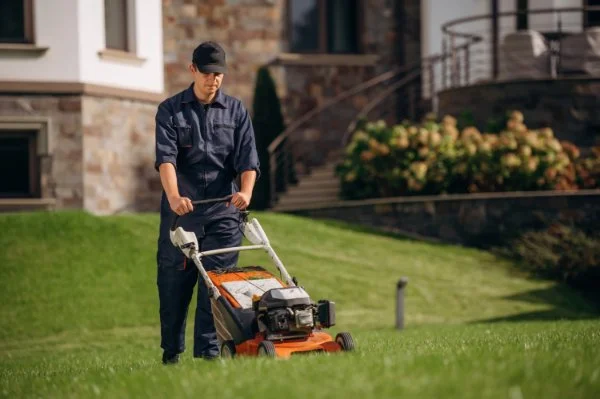
Caring for a large property can feel both exciting and overwhelming. Big land gives you room to dream, but it also comes with real demands. Overgrowth creeps in fast, structures weather quickly, and small issues can spread across acres before you notice them. The key to keeping a large property manageable is approaching it with a clear plan, steady upkeep, and the right tools. With a thoughtful strategy, even the most neglected acreage can become organized, productive, and enjoyable again. The more intentional you are from the start, the easier it becomes to stay ahead of maintenance instead of constantly reacting to problems.
Assessing the Condition of the Property
Before you start clearing or building, you need a clear picture of what you’re working with. A slow, deliberate walkthrough reveals far more than a quick glance from the driveway. You’ll spot things like erosion channels hidden behind brush, fallen limbs tucked into fence lines, or old structures that look stable from afar but show rot up close. Walking the land also helps you understand how it flows—where water collects, where access is tight, and which areas are easiest or hardest to reach. Many landowners are surprised by how much they miss until they take the time to explore every corner.
Mapping the property gives you a practical way to organize what you’ve found. It doesn’t need to be fancy; even a simple sketch helps you mark problem spots, note elevation changes, and identify areas that need clearing or grading. This map becomes your working plan as you decide where to start and how to move through the property efficiently. It also becomes a valuable reference over time, helping you track improvements and spot recurring issues.
Once you’ve documented everything, address the most urgent issues first. Safety hazards—unstable trees, damaged roofs on outbuildings, deep washouts—should be handled before anything else. After that, focus on improving access. If you can’t reach parts of your land easily, every other task becomes harder. Good access is the foundation of efficient property care.
Clearing Overgrowth and Reclaiming Land
Overgrowth is one of the biggest challenges on large properties. Brush, vines, and invasive plants can take over quickly, especially if the land has been idle for years. Mechanical clearing tools—brush mowers, skid‑steer attachments, and heavy‑duty trimmers—make a dramatic difference in a short amount of time. They allow you to reclaim large areas that would take days to clear by hand. Clearing also reveals the true shape of the land, making it easier to plan future improvements.
Trees often need attention as well. Dead limbs, storm damage, and overcrowded canopies create hazards and block airflow. Strategic trimming opens up sightlines, improves tree health, and makes the land feel more open and usable. In some cases, removing a few problem trees can transform how a space functions. Clearing around trees also helps prevent pests and reduces fire risk.
Debris disposal is a major part of reclaiming land. Branches, brush piles, and old fencing accumulate quickly. Chipping material into mulch, hauling debris to a disposal site, or creating a designated composting area keeps the property clean and prevents clutter from returning. A clean property is easier to maintain and far more enjoyable to use.
Establishing Functional Zones Across the Property
Once the land is cleared, you can start shaping it into something more intentional. Dividing a large property into functional zones makes it easier to manage and reduces wasted time and effort. Equipment and storage areas should sit on stable ground with easy access for trucks and machinery. These zones might include sheds, barns, lean‑tos, or pads for water tanks and fuel storage. Keeping tools and equipment centralized saves countless hours over the course of a year.
Recreation, gardening, and livestock areas should be placed where the land naturally supports them. Sunlight, soil quality, drainage, and proximity to water all influence where these zones make the most sense. Grouping similar activities together keeps the property organized and minimizes unnecessary travel. It also helps you plan utilities, fencing, and irrigation more efficiently.
Access routes tie everything together. Well‑planned drive paths, utility roads, and footpaths make it easier to move equipment, transport materials, and reach remote areas. Gravel or compacted soil helps prevent erosion and keeps routes usable year‑round. Good access is one of the most valuable improvements you can make.
Managing Water, Drainage, and Utility Infrastructure
Water management is an important and yet often overlooked parts of maintaining a large property. Poor drainage can wash out roads, drown plants, and damage structures. By studying how water naturally moves across your land, you can identify low spots, runoff channels, and areas prone to flooding. Simple grading adjustments, swales, or drainage ditches can dramatically improve water flow and protect the property from long‑term damage.
Water tanks are essential for many large properties, especially when water needs to be stored or distributed across long distances. Whether you’re irrigating gardens, supporting livestock, or keeping emergency reserves on hand, tanks require stable foundations and easy access for refilling. A vertical water tank is often a smart choice for properties with limited ground space, as its tall, narrow design provides high capacity without consuming a large footprint. Protective structures, such as shade covers or enclosures, help extend the lifespan of any tank and keep the water clean. A well‑placed tank can save hours of hauling water during busy seasons.
For properties that require water across long distances, pumps, gravity‑fed lines, and trenching create efficient distribution systems. Strategically placed spigots and irrigation lines save time and reduce the physical strain of hauling hoses or buckets. A well‑designed water system is one of the best long‑term investments you can make, improving both convenience and the overall health of your land.
Choosing Hardworking Equipment for Large‑Scale Maintenance
Large properties require equipment that can handle serious work. Zero‑turn mowers, compact tractors, brush cutters, and utility vehicles are often essential for maintaining fields, trails, and open spaces. These machines dramatically reduce labor and help you keep up with seasonal demands. For everyday upkeep, having reliable lawn equipment, such as walk‑behind mowers, edgers, and string trimmers, ensures you can maintain smaller areas and detailed spaces that larger machines can’t reach.
A dependable set of tools like chainsaws, augers, trimmers, and tow‑behind implements makes everyday tasks easier and safer. Investing in durable equipment pays off quickly when you’re managing acres instead of a backyard. Quality tools also reduce frustration and help you work more efficiently, especially when you’re juggling multiple zones across a large property.
Regular maintenance keeps your equipment reliable. Oil changes, blade sharpening, filter replacements, and seasonal inspections prevent breakdowns and extend the life of your machinery. A well‑maintained machine is safer, more efficient, and far less likely to fail when you need it most, ensuring your property stays manageable year‑round.
Developing a Long‑Term Maintenance Plan
A large property is never truly “finished.” It evolves over time, and a long‑term maintenance plan helps you stay ahead of that evolution. Breaking tasks into seasonal segments keeps the workload manageable and prevents important projects from slipping through the cracks. Spring might focus on soil preparation and planting, summer on mowing and irrigation, fall on cleanup and repairs, and winter on equipment care and planning.
Tracking maintenance ensures nothing gets overlooked. This helps prevent small issues from becoming expensive problems and gives you a clearer picture of your property’s overall condition. Over time, you’ll start to see patterns that help you plan more effectively.
Long‑term planning also keeps your property moving toward your vision. Whether you want to expand storage, add new access routes, or upgrade water systems, thoughtful planning ensures each improvement supports the next and contributes to a more efficient, well‑organized landscape. A clear plan turns big land into a manageable, rewarding investment.
Maintaining a large property takes commitment, but it doesn’t have to feel overwhelming. With a clear plan, the right tools, and steady upkeep, you can turn big land into a well‑organized, productive, and enjoyable space. By reclaiming overgrown areas, creating functional zones, managing water wisely, and investing in reliable equipment, you set your property up for long‑term success. With consistent care and thoughtful planning, your land will continue to thrive for years to come.