
Old Knob-and-Tube Wiring Killed My Sale Three Times Until I Found Another Way
We partnered with a real estate company for this post. The opinions in the post are honest. All reviews and opinions expressed in this post are based on our personal views. We are excited because we know you will love it.
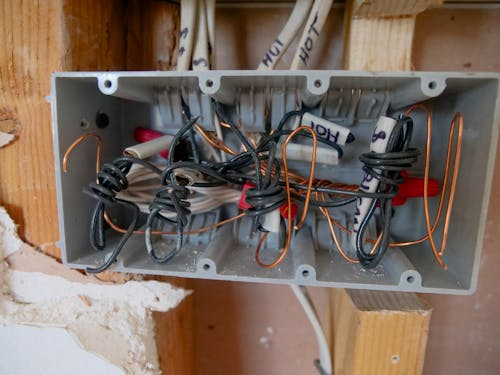
Selling a home can be stressful under normal circumstances. When hidden property issues appear during inspections, the process can become even more frustrating. One problem that catches many homeowners by surprise is old knob-and-tube wiring.
This type of electrical system was commonly installed in homes built before the 1950s. While some systems may still function, many buyers and lenders view them as a concern. As a result, sellers often find themselves facing canceled contracts, repair requests, or financing problems.
For one homeowner, old knob-and-tube wiring caused three separate sales to fall apart. Each buyer seemed excited at first. Once inspections revealed the outdated wiring, everything changed. After months of disappointment, a different approach finally led to a successful sale.
Three Deals Gone in a Matter of Months
The house attracted attention quickly. It had a desirable location, a spacious layout, and plenty of character. Showings generated interest almost immediately, leading to multiple offers.
The first buyer backed out after the home inspection. Their insurance company raised concerns about the knob-and-tube wiring and would not provide coverage under standard terms. Without insurance, securing financing became difficult.
The second buyer attempted to move forward. Their lender reviewed the inspection report and requested additional documentation regarding the electrical system. Delays followed, uncertainty grew, and the contract eventually ended.
The third buyer wanted significant electrical upgrades before closing. The estimated cost exceeded the seller's budget. At that point, it became clear that traditional buyers would continue seeing the wiring as a major obstacle.
After months of frustration, the seller began exploring alternatives and eventually learned about options such as Austin All Cash Home Buyers, which often purchase properties in their current condition without requiring extensive repairs.
Why Knob-and-Tube Wiring Creates Problems
Many homeowners do not realize how much impact old wiring can have on a sale until a buyer's inspection report arrives.
Knob-and-tube wiring was once considered standard. Over time, electrical demands increased dramatically. Modern homes use far more appliances, electronics, and devices than homes built decades ago.
Although some knob-and-tube systems may still operate safely when properly maintained, buyers often worry about future upgrades, insurance availability, and long-term safety concerns.
Lenders also tend to evaluate risk carefully. If a property's electrical system raises concerns, financing approval may become more complicated.
Common Buyer Concerns
Concern
Why It Matters
Insurance Coverage
Some insurers may require upgrades
Electrical Capacity
Older systems may not meet modern needs
Future Costs
Buyers anticipate expensive repairs
Safety Questions
Inspection reports often raise concerns
Lenders may request additional reviews
Inspection Day Changed Everything
Before each failed sale, everything appeared to be moving smoothly. Buyers toured the home, negotiated terms, and signed contracts.
Then, inspection day arrived.
Inspectors documented the presence of knob-and-tube wiring and explained potential concerns. Buyers who initially loved the home suddenly viewed it differently. Conversations shifted from excitement to risk management.
Many homeowners experience this same situation. A property can appear attractive until an inspection uncovers a feature that creates uncertainty. Once concerns enter the discussion, negotiations often become more challenging.
In some cases, buyers request credits. Others demand repairs. Some decide to walk away completely.
Repairing the System Was Not a Simple Choice
Replacing old wiring is possible, although it is often expensive and disruptive.
Electrical upgrades frequently involve opening walls, updating panels, replacing outlets, and bringing systems closer to current standards. Costs vary depending on the size and condition of the home.
For homeowners preparing to move, investing thousands of dollars into a major upgrade may not feel practical. Some people simply do not have room in their budget for such a project.
Others worry about spending money without knowing whether they will recover those costs through a higher sale price.
Factors Sellers Often Consider
Question
Impact
What will repairs cost?
Determines project feasibility
How long will upgrades take?
Affects the moving timeline
Will buyers pay more afterward?
Influences return on investment
Can the seller afford repairs?
Impacts financial planning
Finding a Different Path Forward
After three failed contracts, the homeowner stopped focusing on traditional solutions and started looking for alternatives.
Instead of investing in a major electrical renovation, they explored selling options designed for properties with repair challenges. This approach shifted attention away from fixing every issue before listing.
Some buyers specialize in purchasing homes with outdated systems, deferred maintenance, or inspection concerns. Their focus is often on a property's overall potential rather than requiring every component to meet modern standards before closing.
For the homeowner in this story, that change in strategy made a significant difference. The process became simpler, timelines shortened, and the wiring issue no longer prevented progress.
Lessons Other Homeowners Can Learn
One important lesson is that property issues do not automatically make a home unsellable.
Many sellers assume they must fix every problem before putting their home on the market. While repairs can help in some situations, they are not always necessary.
Knowing your options is valuable. A traditional listing may work well for one property, while another home may benefit from a different selling strategy.
Another lesson involves transparency. Being upfront about known issues helps create realistic expectations and reduces surprises during negotiations.
Most importantly, homeowners should not lose hope after a failed contract. A canceled sale often feels discouraging, though it does not mean a successful outcome is impossible.
Feeling Good About What’s Next
Old knob-and-tube wiring can create obstacles during a home sale. Buyers may hesitate, lenders may ask questions, and insurers may impose restrictions.
Despite these challenges, homeowners still have options. Whether through repairs, such as electrical maintenance, pricing adjustments, or alternative selling methods, there are multiple paths toward completing a sale.
The experience of losing three contracts taught one homeowner an important lesson: sometimes success comes from changing the approach rather than continuing to fight the same obstacle. When sellers understand their choices, they can move forward with greater confidence and less frustration.
FAQs
1. What is knob-and-tube wiring?
Knob-and-tube wiring is an older electrical system commonly installed in homes built before the 1950s. It uses ceramic knobs and tubes to support and protect electrical wires.
2. Can I sell a house that still has knob-and-tube wiring?
Yes. Many homes with knob-and-tube wiring are sold every year. The wiring may affect buyer interest, financing options, or insurance availability, though selling is still possible.
3. Will every buyer reject a home with knob-and-tube wiring?
No. Some buyers are comfortable purchasing homes with older electrical systems. Others may request repairs, credits, or price adjustments before proceeding.
4. Can Cash Home Buyers purchase homes with knob-and-tube wiring?
Yes. Many cash home buying companies may consider purchasing homes with outdated electrical systems and other property challenges, allowing homeowners to explore alternatives when traditional sales become difficult.