
How to Protect Your Home From Water Damage Without Creating More Clutter
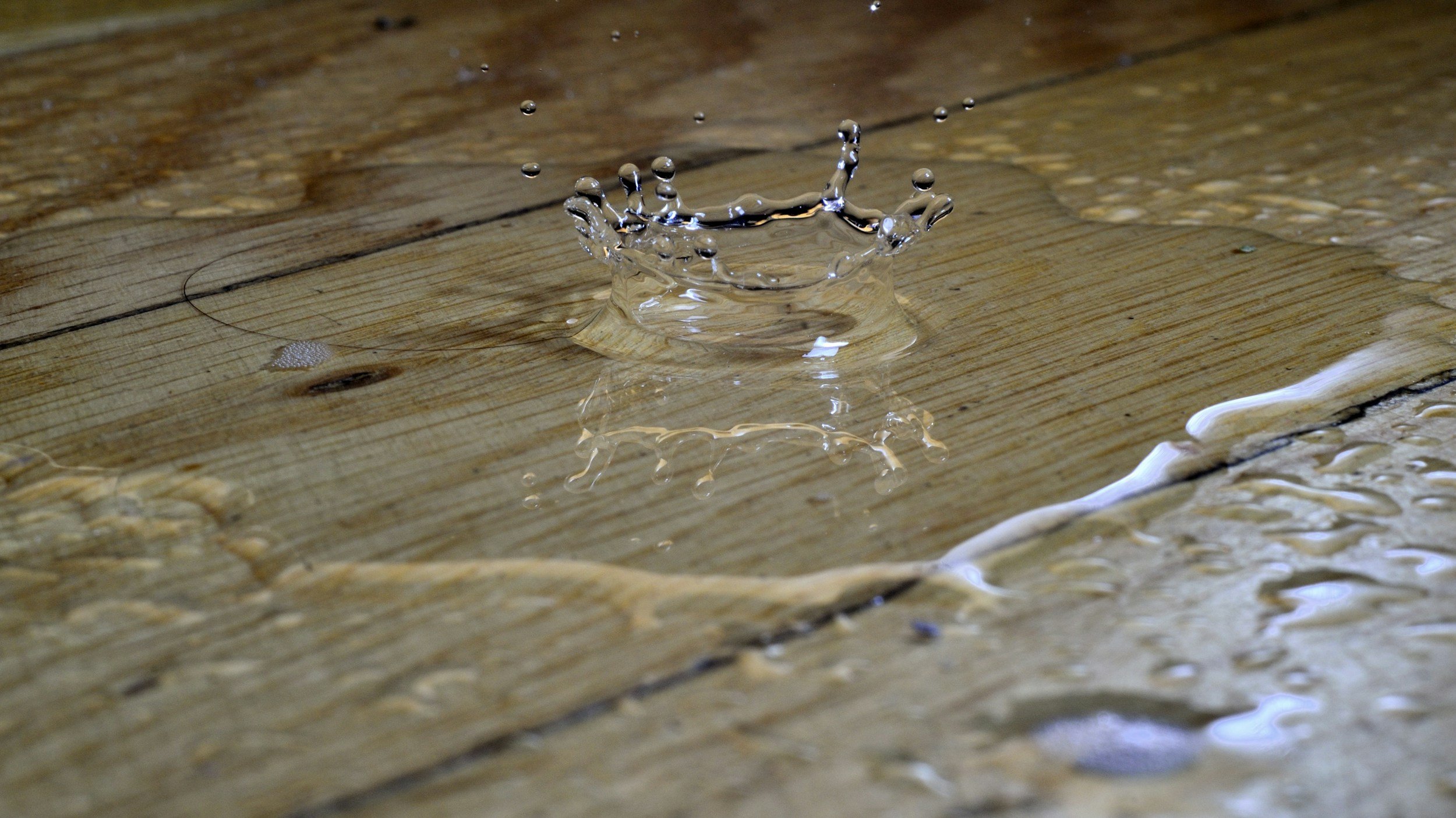
Water damage is one of the most common problems homeowners face. A small leak can turn into a major issue if left unnoticed. Many owners try to be proactive by having the necessary supplies on hand in case a problem arises, but this can lead to crowded spaces. A better way to prepare is to focus on small, consistent habits and efficient solutions that protect your home without filling it with clutter.
Start With Regular Inspections
Routine checks are one of the easiest ways to prevent water damage in your home. It only takes a few minutes and doesn’t require any extra tools or storage space. Walk through your home every few weeks and search for early signs of trouble. This can be water stains, peeling paint, or musty smells. Pay close attention to areas around sinks, appliances, and near windows. They’re often the first places where signs of water damage appear.
Focus on Key Problem Areas
Some parts of the home are more likely to develop water issues than others. For instance, bathrooms, kitchens, basements, and laundry room are more susceptible to show signs of water damage. Pay extra attention when inspecting or passing through these areas.
Check for loose connection or small drips. One minor leak can lead to major damage if left alone. Ensure that the fittings are tight and replace any parts that appear to be worn down or damaged. Keeping these items in good condition will reduce the need for costly emergency fixes down the line.
Use Built-In Storage for Supplies
Basic supplies are useful to have on hand when owning and maintaining a home. To avoid clutter and disorganized storage, store items like buckets, tape, and towels in cabinets or closets that already exist within the home. Chose multi-purpose items whenever possible. Invest in shelving, labeling, and bins as well. Taking these preemptive steps will not only keep the space clean but allow homeowners to react quickly when problems arise.
Install Simple Water Detection Tools
Technology is a great tool for preventing water damage without taking up too much space in the home. Sensors are a great example of this. Most of them are compact, easy to install, and don’t require constant maintenance. They can be placed near appliances, pipes, or areas of concern. If moisture is detected, these sensors will go off and alert the home. It’s a great choice for busy or large households.
Maintain Gutters and Drainage
Outdoor maintenance plays a key role in protecting homes from potential water damage. A home with proper drainage has a reduced risk of leaks and structural issues. Gutters and downspouts help direct water away from your foundation. If they become clogged, water can collect and cause damage.
To prevent issues from arising, it’s important to routinely clean gutters. In addition, make sure that water is flowing away from the home and not towards it. Downspouts should extend far enough to keep water from pooling near the base of the home.
Control Moisture Levels Indoors
Excess moisture inside the home can also lead to long-term damage. Bathrooms and kitchen are typical sources for humidity in the home. For instance, steaming vegetables in the kitchen or a hot shower in the bathroom. To reduce moisture, use exhaust fans during and after. Opening windows when weather allows it can also be beneficial.
If humidity levels remain unchecked or unresolved, mold growth and damage may incur. Targeted mold removal solutions can address affected areas without adding extra clutter to your home.
Keep Emergency Plans Simple
You don’t need large kits or complex systems to be prepared. A clear plan is often the most effective. Know where your main water shut-off valve is located and how to use it. Keep important contact numbers (plumbers and HVAC, for example) in one easy-to-find place. Having this information ready can save you vital time during an emergency.
Preventing water damage in your home doesn’t have to be overwhelmingly complex. You don’t need to use up precious storage or invest in complicated solutions. By regularly inspecting your home, keeping up with basic maintenance and being mindful of humidity and water usage, you can keep your home dry and clutter-free.