
What to Expect With a Professional Heating Installation
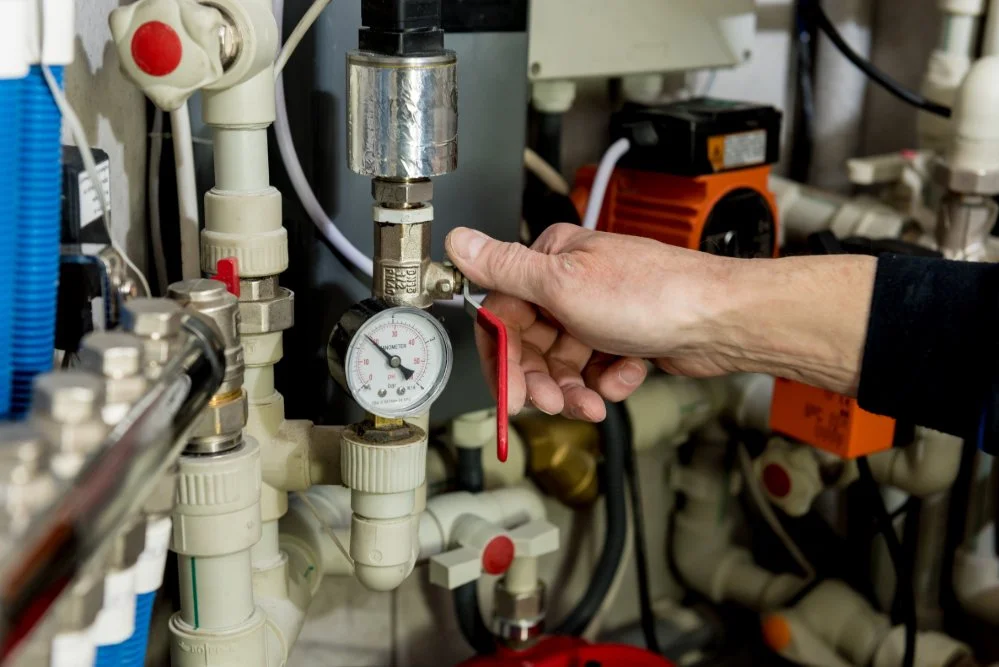
A professional heating installation goes a long way towards keeping your home warm and comfortable. When done correctly, it ensures reliable performance, lower utility costs, and a system that lasts for years. That’s why it’s important that homeowners have an idea of what they’re getting into when they start looking to have a heater or furnace either replaced or newly installed in their home. Below is a walkthrough of what to expect when getting a heating element installed from start to finish.
The Importance of Professional Installation
A good professional heating installation involves far more than placing a new furnace or heat pump in your home. Licensed HVAC technicians, such as those from BJ Heating & Cooling, follow strict safety standards and protocols to ensure your system operates correctly. Proper installation directly affects everything from system performance to energy efficiency, as well as your equipment’s lifespan. Homeowners who choose professional service benefit from more accurate sizing and safe connections, as well as the long‑term reliability that DIY or low‑cost shortcuts simply can’t match.
Initial Consultation and Home Assessment
The heating installation process begins with an in‑home consultation. During this visit, the technician performs a detailed evaluation to figure out your home’s heating needs. They assess things like square footage, insulation levels, window quality, ductwork condition, and the performance of any existing equipment. This information is essential for determining the correct system size.
A key part of this assessment is the load calculation. Using industry‑standard methods such as Manual J, the technician calculates the precise heating capacity your home requires. Oversized systems waste energy and cycle on and off too frequently, while undersized systems struggle to keep up on cold days. Accurate sizing ensures consistent comfort and efficient operation.
Based on the evaluation, the technician provides system recommendations tailored to your home and budget. They explain the differences between models, efficiency ratings, and features so you can make an informed decision. They can also provide transparent pricing, outlining what is included in the installation and avoiding vague or incomplete estimates.
Preparing the Home for Installation
Before the new system is installed, the team prepares the workspace to ensure safety and efficiency. If you have an older furnace or heat pump, the technicians handle the removal of the old system. They disconnect electrical wiring, gas lines, and ductwork, then remove the equipment safely and dispose of it according to environmental guidelines.
Next, the team inspects your ductwork. A ductwork inspection identifies any issues that could reduce the performance of your new system. Addressing these problems before installation ensures proper airflow and efficiency.
Professional installers also manage all code compliance requirements. They obtain necessary permits, schedule inspections, and ensure every part of the installation meets local building and safety standards.
The Installation Process
Once preparation is complete, the installation begins. The new equipment is positioned carefully to ensure proper clearance, ventilation, and accessibility for future maintenance. This equipment placement step is essential for safe operation and long‑term performance.
Technicians then complete the electrical and gas connections. These connections must be handled by licensed professionals to ensure safety and compliance with local codes. Proper wiring and gas line installation prevent hazards and ensure the system operates as designed.
Ventilation is another critical component. The team installs or adjusts the venting and flue system to ensure safe removal of combustion gases. Incorrect venting can lead to carbon monoxide risks, so this step is handled with precision.
If needed, the technicians make duct adjustments to improve airflow. This may include sealing leaks, resizing ducts, or modifying connections to support the new equipment.
The installation also includes thermostat setup. Whether you choose a standard programmable thermostat or a smart model, the technician ensures it is wired correctly and calibrated for accurate temperature control.
Before the installation is considered complete, the team performs a series of quality checks. These include verifying electrical connections, checking gas pressure, confirming proper airflow, and ensuring the system meets manufacturer specifications.
System Testing and Performance Verification
After installation, the technician conducts startup testing to ensure the system ignites safely and operates smoothly. They check fuel delivery, ignition timing, and temperature rise to confirm everything is functioning correctly.
Next, they perform airflow balancing. This involves adjusting registers and dampers to ensure even heating throughout the home. Proper balancing prevents hot and cold spots and improves overall comfort.
The technician also verifies the system’s efficiency. Through efficiency testing, they confirm the equipment is performing at its rated AFUE or heat pump efficiency level. Noise and vibration checks ensure the system runs quietly and without unnecessary strain.
Homeowner Walkthrough and Education
Once testing is complete, the technician provides a detailed system overview. They explain how the equipment works, what each component does, and how to operate it safely.
You also receive thermostat training. This includes programming schedules, adjusting settings, and using smart features to maximize comfort and efficiency.
The technician outlines maintenance expectations such as filter changes, annual tune‑ups, and signs that may indicate a problem. Proper maintenance protects your investment and ensures long‑term reliability.
Finally, they review warranty information and provide all necessary documentation, including manuals, inspection reports, and maintenance logs.
Safety, Compliance, and Long‑Term Reliability
Professional installation ensures full code adherence and reduces safety risks. Proper venting, sealed combustion, and correct gas connections protect your home from carbon monoxide and other hazards. These combustion safety measures are essential for any heating system.
Correct installation also improves system longevity. When equipment is installed according to the manufacturer specifications, it experiences less strain and fewer breakdowns. This leads to lower repair costs and a longer service life.
Energy efficiency is another major benefit. A properly installed system delivers optimal efficiency, reducing utility bills and improving comfort.
After‑Installation Support
Reputable HVAC companies provide ongoing support after installation. This may include follow‑up visits to verify performance or make adjustments. Many homeowners choose to enroll in maintenance plans to ensure regular tune‑ups and priority service. If issues arise, professional companies offer emergency support and responsive customer service to keep your home comfortable year‑round.
A professional heating installation provides long‑term comfort and efficiency for you and your family. With expert sizing, careful preparation, precise installation, and thorough testing, homeowners gain peace of mind knowing their system is built to perform. Choosing trained, certified technicians ensures your investment delivers reliable warmth and energy savings for years to come.