
Smart Kitchen Zones That Save Time
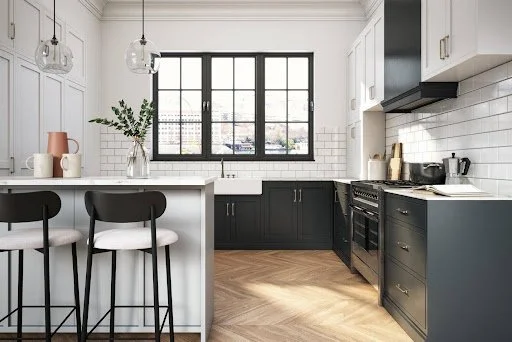
A well-organized kitchen supports faster meal preparation, easier cleanup, and a more enjoyable cooking experience. Instead of focusing only on appearance, an efficient kitchen is divided into practical work zones based on everyday tasks. This approach reduces unnecessary movement and keeps frequently used items within easy reach.
Create Dedicated Work Areas
Each kitchen activity benefits from its own designated space. A preparation zone should be located near cutting boards, knives, mixing bowls, and frequently used utensils. Keeping these items together reduces interruptions while cooking.
A cooking zone works best around the stove or cooktop with pots, pans, cooking oils, and spices stored nearby. Likewise, a cleanup zone should include dish soap, trash bins, recycling containers, and drying racks close to the sink and dishwasher. Grouping supplies by purpose makes daily routines more efficient.
Organize Storage by Frequency of Use
The most commonly used items deserve the easiest access. Everyday dishes, glasses, cookware, and pantry staples should be stored between waist and shoulder height whenever possible.
Seasonal serving dishes, specialty appliances, and rarely used cookware can be placed in higher cabinets or lower storage areas. Drawer organizers, pull-out shelves, and labeled containers also help reduce clutter while making items easier to locate.
Plan for Future Needs
Kitchen layouts should support both current routines and future household changes. Families may need additional food preparation space, while homeowners who enjoy entertaining often benefit from larger serving areas or expanded storage.
For larger renovation projects, consulting experienced home remodeling contractors can help homeowners evaluate layout improvements that increase workflow, storage capacity, and overall efficiency without sacrificing style. Planning ahead often reduces the need for costly modifications later.
An efficient kitchen depends more on organization than on size. Clearly defined work zones, practical storage solutions, and a layout that supports daily habits help save time while reducing frustration. Small improvements that simplify cooking, cleaning, and organization create a space that feels more comfortable and supports smoother routines for everyone in the household. Check out the infographic below to learn more.
