
Maintaining Your Outdoor Oasis All Season Long
We partnered with a home improvement company for this post. The opinions in the post are honest. All reviews and opinions expressed in this post are based on our personal views. We are excited because we know you will love it.
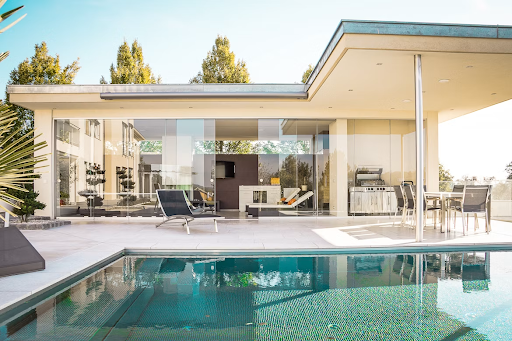
An outdoor pool or water feature can turn your backyard into your own private escape, a spot for kicking back and making memories. But keeping that oasis sparkling and healthy means looking after it all year round. From those first warm spring days to the crisp air of autumn, a simple maintenance routine can stop big problems before they start and make sure your water is always ready for you to jump in.
Seasonal Cleanup Strategies
Every season brings its own chores for keeping your outdoor features in tip-top shape. In spring, it's all about getting things open. That means taking off the winter cover, clearing out any leaves and gunk that built up, and giving everything a good scrub. You'll also want to check for any damage that might have happened over the colder months.
As summer rolls on, regularly skimming off floating leaves, bugs, and other debris is important. Then, in the fall, you'll do the opposite, getting ready for colder weather by clearing out fallen leaves more often so they don't sink and rot. Taking care of your outdoor water feature is something you do all year, and it really pays off with a beautiful, working space.
Water Chemistry Basics for Clear Water
Keeping your water chemistry balanced is probably the most important part of looking after your pool or fountain. Water that's out of whack won't just look gross; it can also mess up your equipment and irritate your skin and eyes. You'll want to keep an eye on three main things: pH, alkalinity, and sanitizer levels.
pH: This tells you how acidic or basic your water is. Aim for a range of 7.4 to 7.6, which is comfy for swimmers and helps your sanitizer do its job well.
Alkalinity: Think of this as a buffer for your pH. It helps stop those wild swings. Keeping it in the right range makes it way easier to keep your pH stable.
Sanitizer: Chlorine is the usual go-to for killing bacteria and stopping algae. You should check these levels often to make sure they're working effectively.
Testing your water a few times a week with a home kit can help you stay on top of these levels. If balancing chemicals feels like too much or you'd rather let a pro handle it, professional pool services can take care of your water chemistry for you, helping you keep your pool crystal clear without you having to lift a finger.
Essential Equipment Checks
Your pool's circulation system, which includes the pump, filter, and skimmers, works hard to keep the water moving and clean. Regular checks can catch little issues before they turn into pricey repairs. Listen to your pump motor; any new or strange noises could mean trouble. Check the pump and skimmer baskets every week and empty them when needed to keep the water flowing strong.
The filter is like the heart of the system, trapping dirt and debris. Whether you have a sand, cartridge, or diatomaceous earth (DE) filter, it needs to be cleaned every now and then. A pressure gauge on the filter will tell you when it's cleaning time. When the pressure reads 8-10 PSI higher than its normal clean level, it's time to backwash or clean the filter media.
Handling Common Issues
Even if you're diligent with maintenance, you might still run into problems like cloudy water or algae. Cloudy water often means your filter isn't working right or your chemicals are off. First, test the water and make sure your filter is clean and running properly. Sometimes, a water clarifier can help tiny particles stick together so the filter can catch them.
Algae blooms can turn your water green overnight. This usually happens when sanitizer levels are too low, especially when it's hot and sunny. To fix it, you'll need to scrub the pool surfaces really well, "shock" the water with a big dose of sanitizer, and run the filter constantly until the water clears up.
Winterizing Your Outdoor Features
Properly closing your pool or fountain for winter is crucial to protect it from freezing and getting damaged. When the temperature consistently drops, it's time to winterize. This means lowering the water level below the skimmer line and blowing all the water out of the plumbing lines so pipes don't freeze and crack.
Once the lines are clear, you'll add winterizing chemicals to the water to stop it from turning into a swamp during the off-season. Finally, cover the pool or feature with a strong, well-fitting safety cover. This not only keeps out debris but also prevents accidental falls.
Just a little bit of work each season is all it takes to protect your investment and make sure your outdoor oasis is ready for fun whenever you are.