
Grandkid-Proofing Your Home
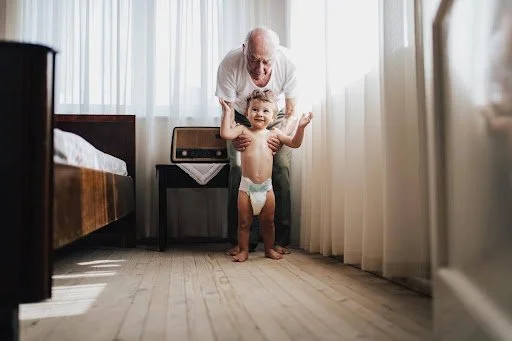
Welcoming grandchildren into your home creates opportunities for memorable family moments, but it also introduces new safety considerations. Many homes are designed for adults, leaving everyday features that may present risks for young children. Taking time to prepare the living space helps create an environment where children can explore more safely while giving grandparents greater peace of mind.
Secure High-Risk Areas
Begin by identifying areas where accidents are most likely to occur. Kitchens, bathrooms, stairways, and garages deserve extra attention because they often contain sharp objects, cleaning products, medications, or slippery surfaces.
Install safety gates where appropriate, keep hazardous items in locked cabinets, and use non-slip mats in bathrooms. Furniture with sharp corners can also be fitted with protective guards to reduce the chance of injuries during active play.
Reduce Everyday Hazards
Children are naturally curious, making it important to secure items that adults may overlook. Anchor bookshelves and televisions to prevent tipping, cover unused electrical outlets, and keep cords out of reach whenever possible.
Smoke detectors and carbon monoxide alarms should be tested regularly to confirm they are working properly. Families completing electrical upgrades or adding child safety features may also consult licensed electricians to ensure home electrical systems continue meeting current safety standards.
Create Safe Play Spaces
A designated play area helps keep toys organized while reducing clutter in walkways. Choose age-appropriate toys and inspect them regularly for broken pieces that could create choking hazards.
Outdoor spaces deserve attention as well. Check fences, gates, decks, and playground equipment for signs of damage before children arrive. Removing tripping hazards from sidewalks and patios also helps create a safer environment for outdoor activities.
Prepare for Emergencies
Every household should have an emergency plan that all adults understand. Keep a well-stocked first aid kit in an easily accessible location and store emergency contact numbers where they can be found quickly.
If grandchildren visit frequently, learning basic first aid and CPR can provide additional confidence during unexpected situations. Reviewing emergency procedures with other caregivers also helps everyone respond consistently if an accident occurs.
Grandkid-proofing focuses on preventing common hazards while preserving a comfortable home for the entire family. Securing high-risk areas, reducing everyday dangers, creating dedicated play spaces, and preparing for emergencies all contribute to a safer environment. Look over the infographic below to learn more.
