
Seasonal Timing and Budgeting for San Antonio Tree Disease Treatment
We partnered with a home improvement company. for this post. The opinions in the post are honest. All reviews and opinions expressed in this post are based on our personal views. We are excited because we know you will love it.
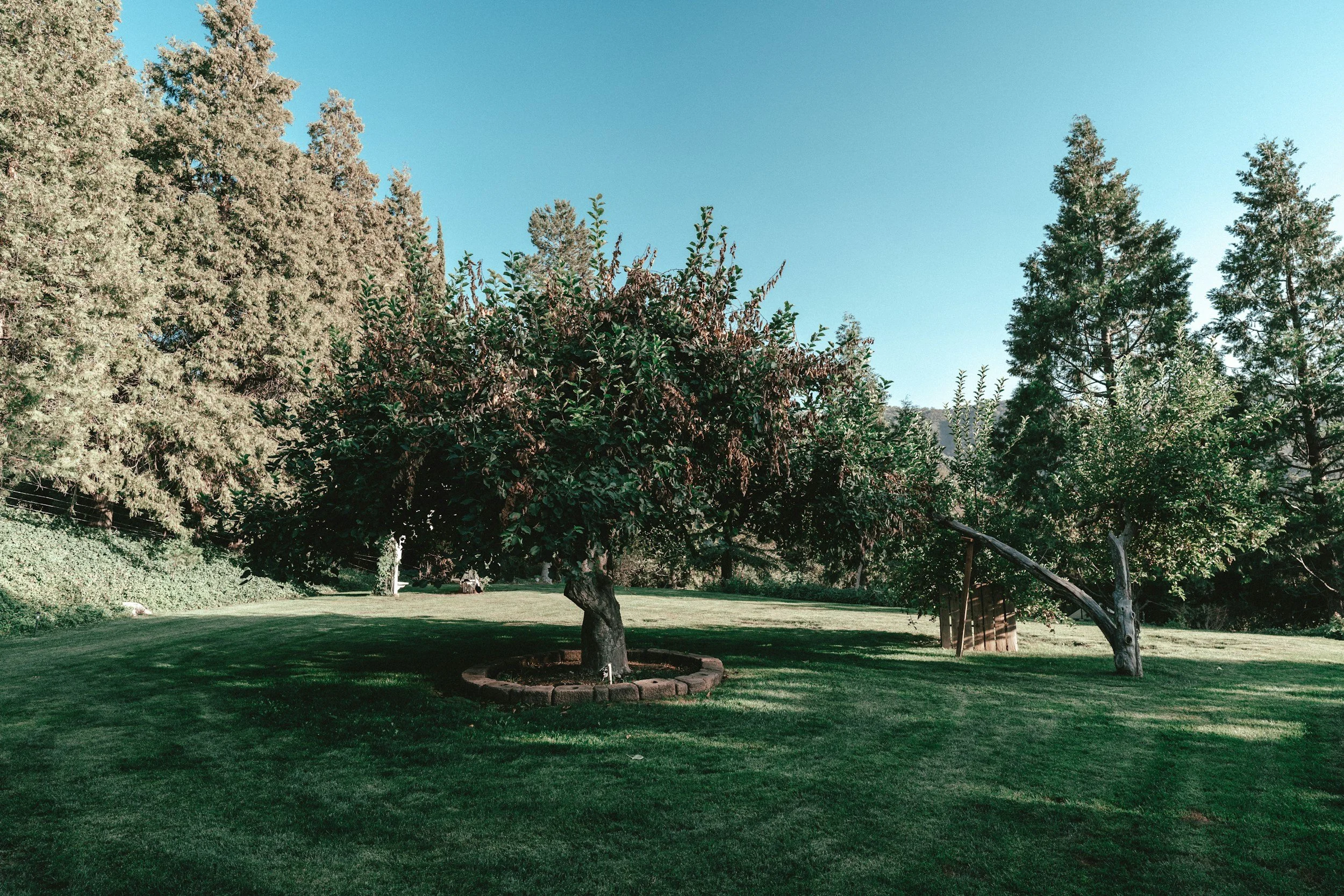
Tree diseases can spread rapidly in a warm, dry climate such as San Antonio's. Trees stressed by heat, soil compaction, or incorrect irrigation are susceptible to fungal diseases and opportunistic pests. Waiting until the leaves brown out or limbs decline might turn a simple problem into an expensive removal. With a good plan for timing, diagnosis, and budgeting, homeowners can swiftly triage issues, extend the life of precious shade trees, and prevent unnecessary expenses. This article covers what to look for, when to act according to the seasons in your area, how to pick between a DIY approach and expert care, and how to prevent recurrent outbreaks with consistent, sensible maintenance.
Spot Symptoms Early: What to Watch For
Most diseases begin very subtly. Look for uneven leaf discolouration, thinning canopies, dieback at branch tips, leaf spots that increase in size, sunken or cracked bark, and mushrooms or conks at the base that indicate internal decay or root problems. Many difficulties are mirrored, so look for patterns: Is it only one species? Are the symptoms related to a recent drought, lawn renovation, or pruning? Track when and how much change occurs, take clear pictures, and keep a weekly track of progress. If several nearby trees show the same signs of damage, a contagious virus may be at work, and quick action may be necessary. For additional context on local options, some homeowners review resources about San Antonio Tree Disease Treatment to understand next steps and common approaches better.
Watch for early warning signs and quarantine the affected area before it spreads. Disinfect pruning tools between cuts, and throw away diseased leaves or twigs in the garbage, not compost. Don't over-fertilize a stressed tree. This can promote poor new growth that is much more susceptible. Document symptoms and consider a diagnostic consultation if the decline increases. Early detection generally allows for focused pruning and cultural repairs, as opposed to more invasive or recurring operations.
Plan Actions Around San Antonio's Climate
Local seasons influence illness pressure and the time of appropriate treatment. Spring is quick flushes of new growth that are vulnerable to foliar fungus, while early summer heat stresses root systems and invites cankers and wilt pathogens. Sudden heavy rainfall may increase fungus activity after protracted dry spells. In general, schedule a full inspection toward the end of winter or very early in spring so you may schedule pruning and preventive maintenance before extreme heat hits. Many systemic therapies and cultural corrections (e.g., mulch refreshes, irrigation checks and soil additions) are most effective if provided in advance of active disease periods.
Heat management is important. During peak summer conditions, focus on deep, infrequent watering to the root zone and avoid nonessential pruning to minimize stress. "If you have to prune for safety reasons, make sure you make clean cuts on the outside of the branch collar and sanitize tools often to reduce the spread of disease." In early October, reevaluate mulch depth, and remove leaf litter from species prone to disease. Where winter dormancy occurs, it provides an opportunity for structural trimming and cleanliness without inducing new susceptible growth.
Treatment Paths: DIY Steps vs. Professional Care
Homeowners can solve some difficulties well. Proper watering, correct mulching, careful mowing to avoid trunk wounds, and cleaning up diseased debris are cultural controls that go a long way. Small ornamentals with mild foliar problems may benefit from over-the-counter products labeled for such problems when used exactly as directed. But if it is advanced, or if there are symptoms of interior rot or the canopy is disappearing rapidly, a professional assessment is required. Proper selective pruning of large trees requires particular equipment and training, and prescription-only treatments, when necessary, must be applied by a licensed professional.
Significant dieback, deep bark splits, fungal fruiting bodies on trunks, or a rapid decline in species known to be disease-susceptible should prompt an expert inspection. Experienced arborists can discern between look-alike conditions such as drought stress or fungal cankers and suggest a plan of action: sanitation pruning, root zone care, possible lab tests, and, if required, targeted treatments. This method helps eliminate guesswork and reduces the risk of wasting time and money on ineffective cures.
Budget Planning Without Surprises
Costs depend on the size of the tree, access, safety requirements, and the complexity of the treatment. To maintain control, break down your plan into phases and budget for assessment first. A thorough diagnosis saves you from splurging on wide, unfocused solutions. Then reserve cash to reduce immediate risk, e.g., remove dangerous deadwood or stabilize a weakened limb to prevent secondary damage. For immediate work, budget for cultural fixes (soil aeration, mulching, irrigation tune-ups) to aid recovery and reduce future disease pressure. Such steps tend to create lasting value, because they target fundamental issues, not symptoms.
Ask for written scopes that specify what is included, what success looks like, and what follow-up may be needed to avoid surprise charges. Talk about site logistics. Fence access, tight gates, and surrounding structures can create change orders. If you have many trees, prioritize them based on risk and importance: high-value shade trees that anchor the comfort and energy efficiency of your yard often warrant an earlier investment. Lastly, plan for monitoring. A brief seasonal check-up is cheaper than emergency work once a problem has worsened.
Prevention That Works Over Time
"The best defense is consistent fundamentals. Apply 2–4 inches of mulch around the drip line, but keep a few inches away from the trunk to prevent rot. Water deeply and rarely, especially in hot weather (soil surface dries significantly between waterings). Avoid frequent shallow watering; this will foster weak roots near the surface. Prevent mechanical damage from string trimmers and bumps from mowers create access places for microorganisms. Rake away leaf litter from disease-prone species and remove dead or infected twigs immediately, disinfecting instruments with a mild disinfectant between cuts.
The right plant in the right place is as important as anything. Select species that are appropriate for your local soils, sun exposure, and water availability. Space plants enough for mature size to prevent stress. Prune throughout the early life of the tree to maintain structure so fewer major cuts are needed later. Look for pattern changes in each season.
If the problems are localized in a limb, it might be a pruning repair. If the problems are throughout the canopy, it might be a root zone issue. By taking regular observations and documenting a few dated images, you can notice tiny adjustments before they become serious concerns.
Healthy trees provide shade, comfort, and curb appeal, but they don't stay resilient by accident. Learning the early signs of common problems, timing your activities with local weather patterns, and creating a realistic budget for diagnosis, immediate care, and prevention will reduce risk and retain the value of your environment. Make notes, re-evaluate, and solve issues as they arise. Long-term tree health and fewer costly shocks are best achieved with well-timed small steps based on observation and excellent procedures.