
How to Spot Heating Problems That Make Your Home Colder
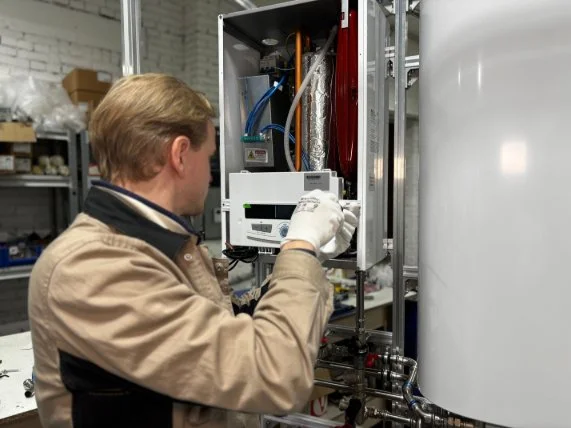
A home that never quite feels warm enough can be frustrating, especially when the heating system seems to be running nonstop. Many homeowners assume the heater itself is failing, but cold rooms often come from a mix of airflow issues, thermostat problems, worn components, or hidden structural factors. Spotting these trouble signs early keeps your home comfortable and prevents small issues from turning into expensive repairs.
Spotting Early Signs of Heating Trouble
The first clues that your heating system is struggling often show up in how your home feels. If certain rooms stay cold no matter how high you set the thermostat, or if the system runs longer than usual, those are early indicators that something isn’t working correctly. Rising energy bills are another sign, especially if the weather hasn’t changed much. Unusual noises, burning smells, or weak airflow from vents can also point to internal problems.
These symptoms don’t always mean the entire system is failing, but they do mean something is off. When these issues continue for more than a few days, it’s smart to bring in a professional who can diagnose the root cause before the problem grows.
Checking Airflow and Key Components
Warm air needs a clear path to move through your home. When airflow is blocked or weakened, even a perfectly functioning heating system will struggle. Start by checking vents and returns. Furniture, rugs, or storage boxes can accidentally block airflow, reducing how much warm air reaches a room. Make sure vents are fully open, and returns aren’t obstructed.
Ductwork also plays a major role. Leaks in the ducts let warm air escape into attics, crawl spaces, or basements before it ever reaches your living areas. If you notice weak airflow from certain vents, duct leaks or blower issues may be the cause.
Filters and coils are another common trouble spot. A clogged filter forces the system to work harder, reducing airflow and heat output. Dirty coils can’t transfer heat efficiently, which makes the system run longer and still fail to warm the home. These are simple fixes, but if airflow remains weak after replacing filters or cleaning vents, a technician should inspect the blower motor and internal components.
Evaluating Thermostat Issues
Your thermostat is the command center of your heating system. When it sends incorrect signals, the entire home feels the impact. Thermostats placed near windows, direct sunlight, or drafts can misread the temperature and shut the system off too early. Faulty sensors or calibration problems can also cause the system to cycle at the wrong times.
If your heating system turns on and off frequently, or if the temperature on the thermostat doesn’t match how the home feels, the thermostat may be the culprit. Wiring issues can also interrupt communication between the thermostat and the heating unit. While some thermostat problems are easy to fix, deeper electrical or sensor issues should be checked by a professional.
Spotting Furnace Problems
Older furnaces often show clear signs that they’re no longer keeping up with your home’s heating needs. Weak ignition, burner issues, inconsistent heating cycles, or a blower motor that struggles to push warm air can all leave rooms feeling colder than they should. A worn heat exchanger can also reduce performance and create safety concerns, while fuel‑related problems, like low gas pressure or malfunctioning burners, can cause the furnace to run without producing enough heat. When these symptoms persist, it’s a strong indication that the system is reaching the end of its lifespan.
When repairs become frequent, or the furnace can no longer heat your home evenly, replacing the old unit with a new one is often the most efficient solution. A properly sized and well‑installed furnace ensures correct airflow, venting, and heat distribution throughout the home. Working with a professional HVAC company, such as someone like Steele Brothers Heating Inc, helps ensure the installation is done safely and correctly, preventing issues like short cycling, cold spots, and premature wear. High‑quality furnace installation restores reliable warmth, improves energy efficiency, and supports long‑term comfort throughout the home.
Identifying Water Heater Issues
Your water heater plays a bigger role in home comfort than many people realize. When it begins to struggle, showers feel colder, dishes don’t rinse well, and the whole home can feel less comfortable during winter. Sediment buildup inside the tank reduces heating efficiency, forcing the system to work harder for lukewarm results. Failing heating elements or burners can also cause inconsistent temperatures, and poorly insulated pipes or tanks lose heat quickly, especially in basements, garages, or other unconditioned areas. If your water heater frequently runs out of hot water or produces uneven temperatures, these symptoms often point to underlying issues that need attention.
When problems persist, water heater repair is often the best way to restore consistent performance and prevent further wear. A professional, such as someone from a company like Mullin Plumbing, can flush sediment, replace failing components, improve insulation, and verify that the system is heating efficiently. Addressing these issues early helps your water heater support overall home comfort, reduces energy waste, and ensures reliable hot water throughout the colder months.
Checking Areas Inside and Outside
Sometimes the heating system isn’t the problem—your home’s structure and layout can play an even bigger role in how warm it feels. Attics, crawl spaces, and basements often hide insulation gaps that let warm air escape and cold air creep in. Entryways and mudrooms can funnel cold air through the home if doors don’t seal properly, while open staircases, drafty hallways, or blocked interior pathways can disrupt how warm air moves from room to room. Cold spots near exterior walls or floors that feel unusually chilly often point to hidden structural heat loss that needs attention.
Exterior issues can amplify these problems. Drafty windows, worn weatherstripping, cracked siding, or gaps around doors let cold air enter and warm air escape. Attic bypasses—small openings around pipes, wiring, or vents—can pull warm air upward and out of the home, making even a strong heating system seem weak. If you’ve already addressed airflow, thermostat settings, and basic maintenance but the home still feels cold, exterior heat loss may be the culprit. A professional energy audit can pinpoint exactly where warm air is escaping and recommend targeted insulation or air‑sealing improvements to restore comfort and efficiency.
Keeping your home warm starts with paying attention to the early signs of heating trouble. When you catch airflow issues, thermostat problems, furnace symptoms, or structural heat loss early, you prevent bigger repairs and keep your home comfortable all winter. When problems persist, calling a professional ensures your home gets the care it needs. After all, proactive attention is the best way to stay ahead of heating problems and maintain a warm, efficient home.