
The Importance of Routine Electrical Inspections for Commercial Properties
We partnered with a home improvement company for this post. The opinions in the post are honest. All reviews and opinions expressed in this post are based on our personal views. We are excited because we know you will love it.
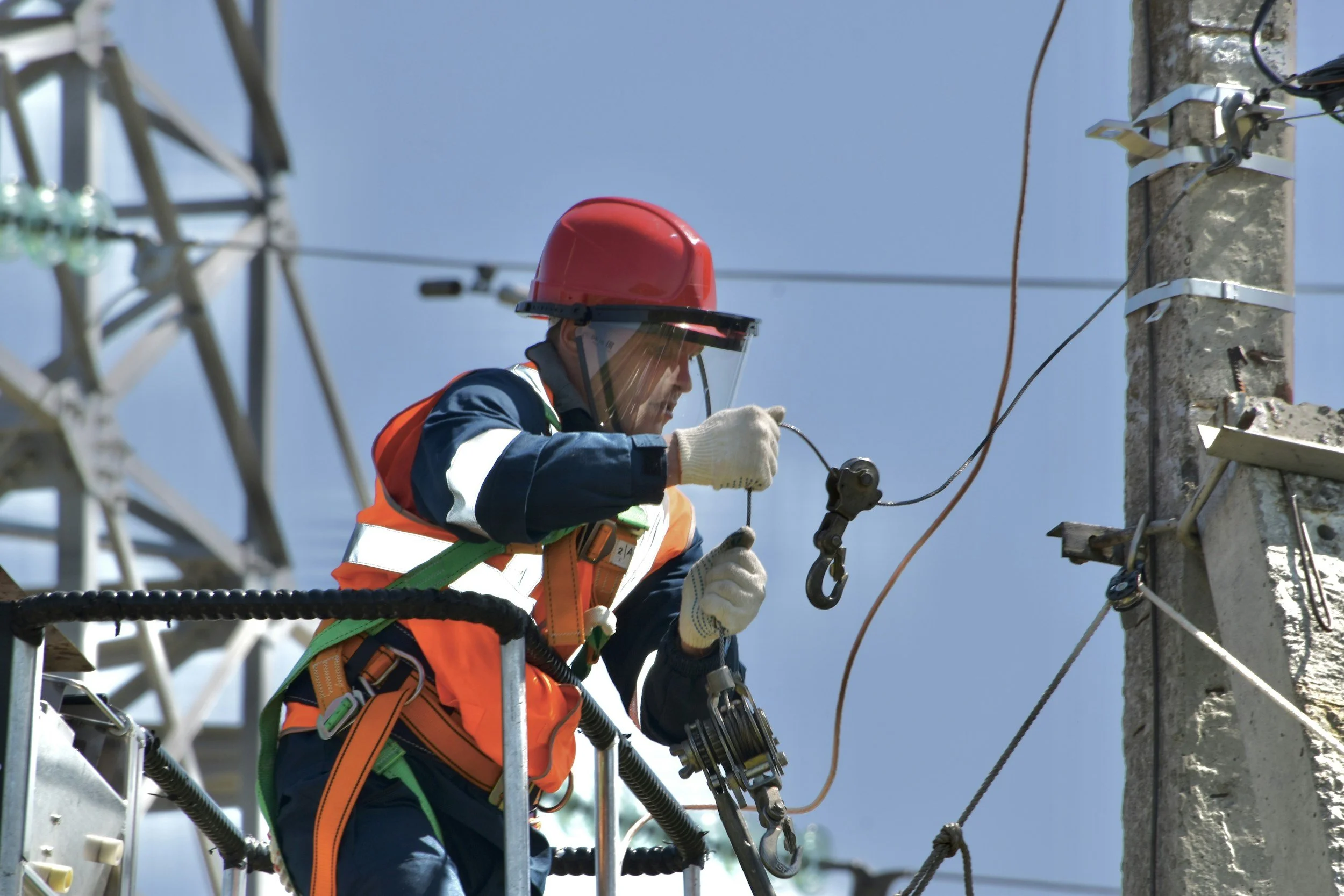
Commercial electrical systems work harder than most people realize. Between HVAC systems running constantly, banks of lighting staying on for extended hours, and equipment cycling on and off throughout the day, commercial properties put far more strain on their electrical infrastructure than a typical home ever would.
Despite that, electrical inspections often get pushed down the priority list until something actually breaks. That reactive approach tends to cost more in the long run, both in repair costs and in the disruption an unexpected failure causes to daily operations.
Why Do Commercial Properties Need More Frequent Inspections?
Commercial buildings typically have higher electrical loads, more complex wiring layouts, and equipment that residential systems were never designed to handle. A single retail space might run refrigeration units, point of sale systems, security equipment, and lighting all on the same panel.
That kind of constant demand wears down components faster than in a home. Breakers, panels, and wiring connections that might last decades in a residential setting can show wear much sooner in a commercial environment simply because they are working harder, more consistently, for more hours a day.
Routine inspections catch this wear before it becomes a failure. A loose connection found during a scheduled inspection is a quick fix. That same loose connection ignored for another year could mean an unplanned shutdown during business hours.
What Do Commercial Electrical Inspections Typically Cover?
A thorough inspection usually starts with the panel itself, checking for signs of overheating, corrosion, or connections that have loosened over time. From there, inspectors typically look at:
Circuit breakers, confirming they are sized correctly for current loads and tripping properly when tested.
Wiring throughout the property, checking for wear, damage, or outdated wiring types that may no longer meet code.
Grounding systems, since commercial properties often have more complex grounding requirements than residential ones, especially with sensitive equipment involved.
Emergency lighting and exit signage, which typically fall under separate code requirements and need regular testing to stay compliant.
Outlets and fixtures throughout the space, checking for damage or wear that might not be obvious during daily operations.
How Do Electrical Issues Affect Business Operations?
An electrical failure at a commercial property rarely stays contained to a single inconvenience. A tripped breaker in a restaurant can mean spoiled inventory. A panel failure in a retail space can mean a full day of lost sales. A wiring issue in an office building can shut down computers, phone systems, and security all at once.
Beyond the immediate disruption, there is also the cost of emergency repairs, which almost always run higher than scheduled maintenance work. Emergency electrical work often means paying premium rates for immediate service, on top of whatever revenue was lost while the issue was being resolved.
Routine inspections shift electrical maintenance from something reactive and expensive into something predictable and budgeted, which matters a great deal for a business trying to manage costs and avoid surprises.
How Often Should Commercial Properties Schedule Inspections?
The right frequency depends on the type of property and how it is used. Properties with heavy equipment use, like restaurants or manufacturing spaces, generally benefit from annual inspections at minimum. Office spaces with lighter electrical demands might be fine on a slightly longer cycle, though anything beyond two to three years starts to leave real gaps in oversight.
Certain triggers should prompt an inspection regardless of schedule. Adding new equipment, expanding a space, noticing flickering lights or frequent breaker trips, or preparing for a change in occupancy are all good reasons to have a professional take a closer look sooner rather than later.
What Should You Look for in an Electrical Contractor?
Not every electrical contractor has equal experience with commercial properties. Commercial work often involves different code requirements, higher voltage systems, and equipment that residential electricians may not encounter regularly.
Bates Electric has handled a wide range of commercial projects, giving them familiarity with the kind of complex systems and code requirements that come up in retail spaces, restaurants, offices, and industrial properties. That kind of hands-on experience across different property types tends to matter more than a generic electrical license when it comes to spotting issues specific to commercial environments.
Asking a potential contractor about their experience with properties similar to yours, and reviewing examples of past commercial work, gives a clearer picture of whether they are a good fit than a general sales pitch would.
What Happens If Inspections Get Skipped?
Skipping inspections does not mean nothing is happening behind the scenes. Wear continues regardless of whether anyone is checking for it. The difference is simply whether problems get caught early, when they are inexpensive to fix, or later, when they have turned into something more serious.
Insurance can also become a factor. Some policies have specific requirements around electrical maintenance, and unaddressed issues discovered after a fire or major incident can complicate claims in ways that regular inspections would have prevented.
Final Thoughts
Commercial electrical systems do not get the luxury of downtime the way a home system might. They run constantly, under real demand, which means the wear adds up faster and the consequences of ignoring it are more immediate.
Routine inspections turn potential emergencies into scheduled maintenance, protecting both the property and the business operating inside it. For property owners who have not had an inspection recently, it is one of the more straightforward ways to reduce risk without a major investment.