

A resource for those seeking information on organizing and transforming spaces.
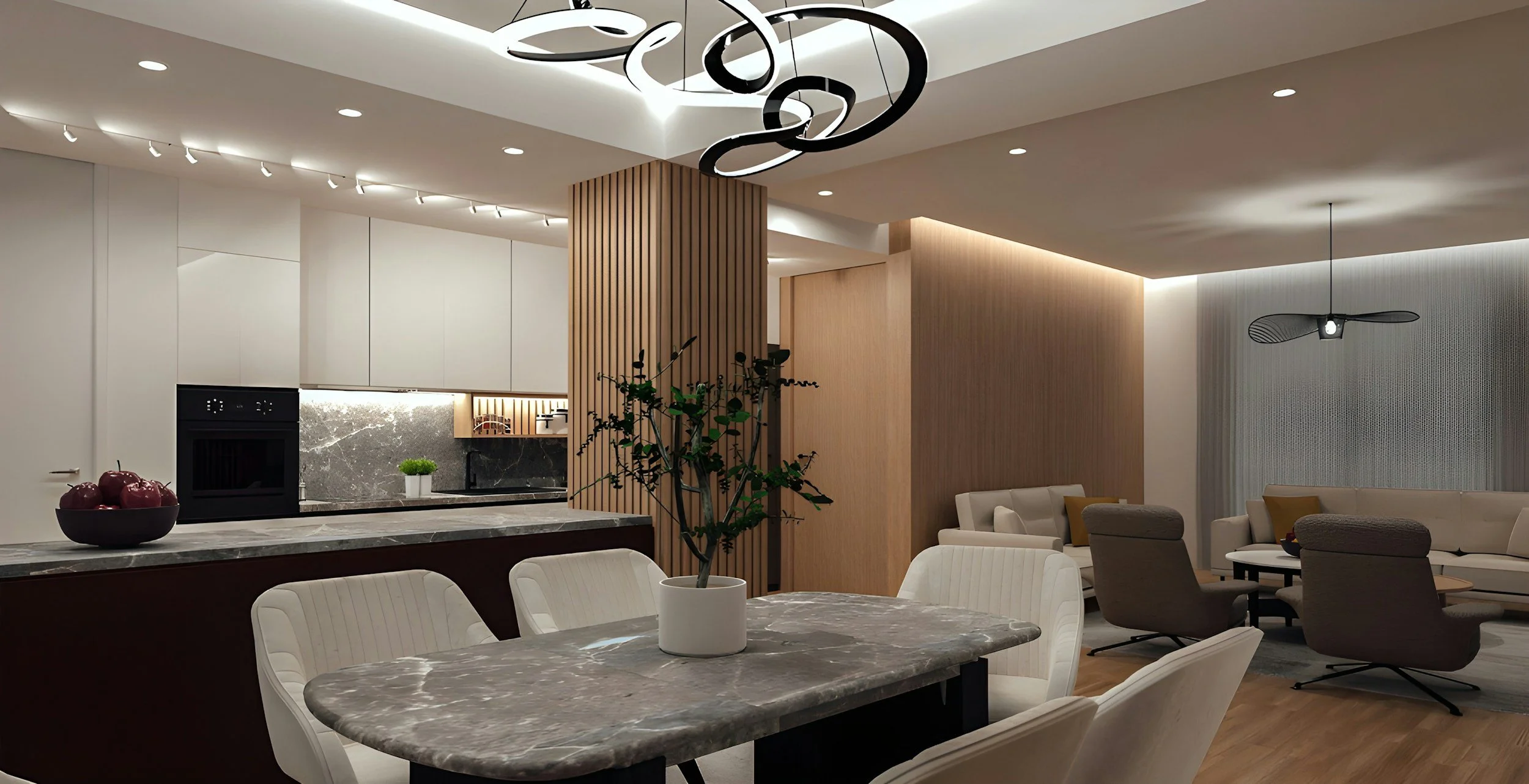
How To Use Exposed Posts and Beams as Your Primary Interior Design Element
Exposed posts and beams feature prominently in modern design. When you look at inspirational pictures of modern decor, you’ll almost certainly see at least one example. This aesthetic has found its way into a variety of interior design styles, from rustic to minimalist. Whether you have a home with exposed timber that you need to design around, or you’re looking to build a home with such features, you’ll need a good plan. Use these ideas to help you find a theme, colors, and features that showcase the beauty of exposed posts and beams.
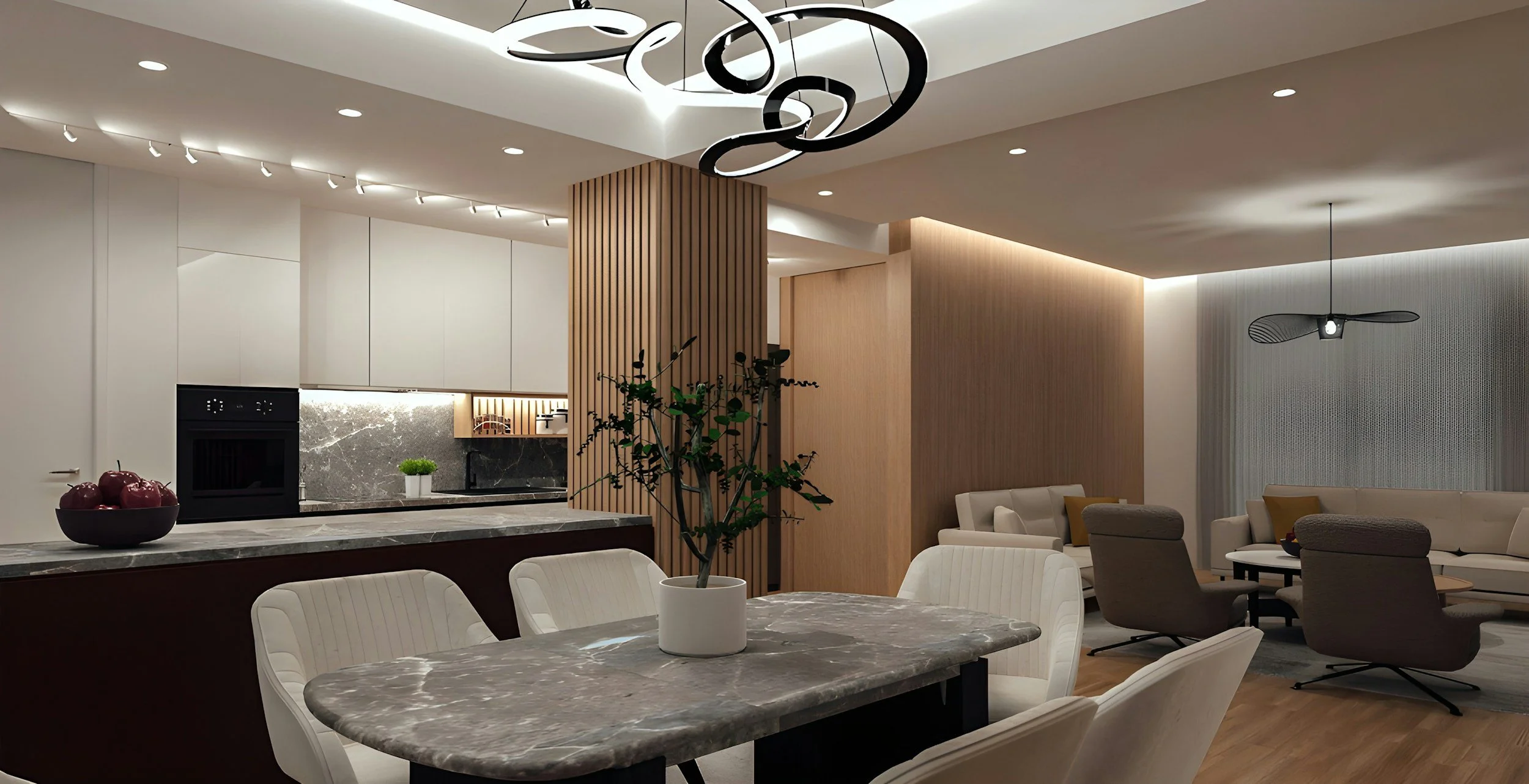
Exposed posts and beams feature prominently in modern design. When you look at inspirational pictures of modern decor, you’ll almost certainly see at least one example. This aesthetic has found its way into a variety of interior design styles, from rustic to minimalist. Whether you have a home with exposed timber that you need to design around, or you’re looking to build a home with such features, you’ll need a good plan. Use these ideas to help you find a theme, colors, and features that showcase the beauty of exposed posts and beams.
Select a Cohesive Theme
Although you can fit exposed timber into almost any aesthetic, it’s important to choose a cohesive theme to go with it. Exposed beams tend to draw attention, much like a grand staircase. Think about the ways that you plan to use the space, and then come up with a few ideas. Do you want to lean into the warm, rustic charm, or incorporate brick and metal accents to go along with an urban industrial style? Make sure you have the theme in place before you go shopping for décor and furniture. That way, you can be sure that everything you choose will feel like it belongs in the room.
Follow the Natural Lines
Whether you ask your timber frame architects to expose the beams and posts as part of the home design process, or you choose to expose them as part of a renovation project, you’ll need to follow the natural lines. That’s the difference between incorporating existing design elements from the home structure and adding to the existing flow of the space. This design approach generally means that you should pick one direction for beams to follow, typically the layout of the existing frame. Longer beams help maintain an open feel, while shorter beams can help divide the space.
Choose an Engaging Color Palette
With exposed timber, you may choose to accentuate it or help it to blend in with the room décor. In most cases, you’ll probably want to select a contrasting palette to help the beams and posts stand out. White is a popular choice, especially for minimalist designs. White helps to make the beams a focal point as the major source of color on the walls and ceiling. You may choose to paint the beams the same color as the ceiling, but you’d need to incorporate lighting and other methods to call attention to them.
Illuminate Key Features
For such a striking feature in the room, you definitely need the right lighting. Room lighting should provide effective illumination for the tasks you might engage in while you’re there, but you can also use accent lighting to emphasize the room’s key features. Consider installing spotlights that point upward, toward the exposed beams. This approach will create moderate illumination for the room that avoids glare while creating a track that the eye can easily follow to see the ceiling.
Incorporate Natural Wood Accents
To keep the exposed timber from standing out too much, you may want to consider incorporating natural wood accents into the room. Look at the post-treatment colors of the posts and beams, and choose a type of wood that you can put in the room as a unifying accent. For example, you might pick a dining table with similar wood, or a coffee table with the same stain. Add a few coordinating pillows or decorative accents can emphasize the cohesiveness of the space without detracting from the beauty of the timber.
If you’re eager to incorporate exposed timber into your home design, you’re not alone. This design element fits into a variety of themes, and with good upkeep, you can enjoy it for decades. Focus on choosing the right theme, color palette, lighting, and accents. That way, you’ll have a space that feels perfectly natural, functional, and unified.
Sources reviewed
https://renoquotes.com/en/blog/exposed-ceiling-beams
https://www.thespruce.com/decorative-ceiling-beams-ideas-7499063
https://www.suzieandersonhome.com/a/blog/the-complete-guide-to-urban-industrial-style-interior-decorating
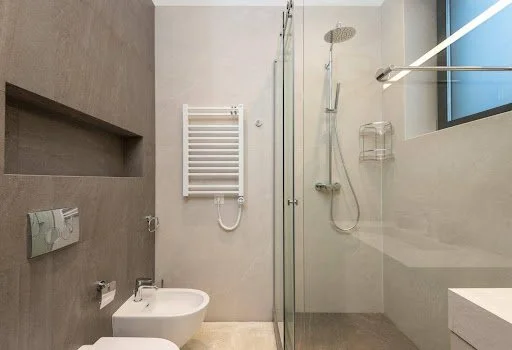
Subway vs. Large Format Tiles: Which Works Best in Your Shower?
Choosing the right tile for your shower can dramatically influence both the aesthetic and functionality of your bathroom. Among the most popular options today are subway tiles and large format tiles. Each offers distinct advantages and potential drawbacks, making the choice highly dependent on your space, style, and maintenance preferences. This guide will help you understand the key differences between subway and large format tiles and determine which is best suited for your shower.
We partnered with a home improvement company for this post. The opinions in the post are honest. All reviews and opinions expressed in this post are based on our personal views. We are excited because we know you will love it.
Choosing the right tile for your shower can dramatically influence both the aesthetic and functionality of your bathroom. Among the most popular options today are subway tiles and large format tiles. Each offers distinct advantages and potential drawbacks, making the choice highly dependent on your space, style, and maintenance preferences. This guide will help you understand the key differences between subway and large format tiles and determine which is best suited for your shower.
What Are Subway Tiles?
Subway tiles are rectangular tiles, traditionally measuring 3x6 inches, although modern variations come in multiple sizes and colors. Originally used in New York City subway stations in the early 20th century, these tiles have become a timeless design staple. They are recognized for their clean, simple lines and versatility in both modern and classic bathroom designs.
Subway tiles can be arranged in numerous patterns, with the most common being the running bond, which mimics brickwork. Other popular layouts include vertical stack, herringbone, and basketweave patterns. The multiple layout options make subway tiles highly adaptable to different aesthetic goals. Their smaller size also makes them easier to handle for DIY projects or for intricate designs around corners and niches.
One of the major advantages of subway tiles is their ability to create texture and visual interest without overwhelming a space. They offer a traditional, classic look that blends seamlessly with a variety of materials and fixtures. However, due to the smaller size, subway tiles generate more grout lines, which can require more attention during cleaning and maintenance.
What Are Large Format Tiles?
Large format tiles are any tiles significantly larger than the traditional subway tile, commonly measuring 12x24 inches or bigger. These tiles are favored in modern and minimalist bathroom designs for their sleek, uninterrupted surfaces. Large format tiles can be used to cover entire shower walls or floors with fewer grout lines, creating a smooth, cohesive look.
The materials for large format tiles often include porcelain, ceramic, and natural stone. These materials not only provide durability but also allow for a variety of finishes, including matte, glossy, and textured options. The visual impact of large format tiles is substantial; they can make small showers appear more spacious and add a sense of luxury to larger bathrooms.
A key advantage of large format tiles is the reduced number of grout lines, which minimizes areas where water and dirt can accumulate. This makes cleaning easier and lowers the potential for mold or mildew growth. However, installing large format tiles can be more challenging, often requiring professional expertise to ensure proper leveling and alignment.
Comparing Visual Impact
When deciding between subway and large format tiles, visual impact is a major consideration. Subway tiles create a rhythmic, textured look that adds depth and dimension to a shower wall. They are ideal for classic, vintage, or transitional bathroom designs and can be enhanced with contrasting grout for a more defined pattern.
In contrast, large format tiles create a seamless, modern appearance. The minimal grout lines contribute to a more open, airy feel, which is particularly beneficial in small bathrooms. Color and finish choices also play a role; lighter large format tiles can make a compact shower feel more spacious, while darker tiles can create a luxurious, spa-like ambiance.
Designers often recommend using subway tiles for accent walls or niche areas while incorporating large format tiles for the main shower walls. This combination can balance texture and smoothness, giving the shower both character and sophistication.
Designers often recommend using subway tiles as accent shower wall tiles or in niche areas while incorporating large format tiles for the main shower walls. This combination can balance texture and smoothness, giving the shower both character and sophistication.
Installation Considerations
Installation is another important factor in choosing between subway and large format tiles. Subway tiles, being smaller, require more grout lines and careful alignment, which can make installation more time-consuming. However, they are easier to cut around obstacles such as shower fixtures and corners, making them a practical choice for DIY enthusiasts.
Large format tiles require precision during installation. Due to their size and weight, improper leveling can result in uneven surfaces or lippage, where tile edges are higher than adjacent tiles. This can be especially problematic on shower walls, as it may affect both aesthetics and water drainage. For this reason, professional installation is often recommended for large format tiles, which may add to the overall cost but ensures a polished, durable finish.
Maintenance and Cleaning
Maintenance is an essential consideration for shower tiles. Subway tiles have more grout lines, which can collect soap scum, dirt, and moisture over time. Regular cleaning and occasional resealing of grout may be necessary to maintain their appearance and prevent mold growth. Despite this, many homeowners find that the classic look and design flexibility of subway tiles outweigh the maintenance considerations.
Large format tiles, on the other hand, have fewer grout lines, making them easier to clean and maintain. The smooth surface reduces areas where dirt and water can accumulate, which is particularly advantageous in high-moisture environments like showers. Choosing high-quality materials with protective coatings can further enhance durability and ease of cleaning.
Cost Comparison
Cost is another factor to consider when selecting shower tiles. Subway tiles are generally less expensive per square foot compared to large format tiles, and they are widely available in a variety of materials and colors. However, the increased labor required for more grout lines and intricate patterns can offset some of the savings.
Large format tiles are often more expensive per square foot, and professional installation adds to the cost. Despite this, their reduced maintenance requirements and visual impact can justify the investment, especially in modern, high-end bathrooms. Considering long-term value and durability is important when weighing costs.
Best Applications for Each Tile Type
Subway tiles are ideal for traditional or transitional bathrooms, small showers, and accent areas such as niches or borders. Their classic design ensures they remain timeless and adaptable to evolving styles. They also work well in combination with other materials or larger tiles to create custom layouts.
Large format tiles are best suited for modern, minimalist, or luxury showers. They are particularly effective in making small spaces feel larger and creating a seamless, high-end look. They can also be used in combination with smaller tiles for accents, such as a mosaic strip or decorative border, to add visual interest.
Design Tips and Inspiration
When using subway tiles, consider varying the layout to avoid a uniform look. Herringbone, stacked, or vertical patterns can create striking visual effects. Grout color is another tool to enhance or minimize the appearance of lines.
For large format tiles, selecting a tile with subtle veining or a textured finish can prevent a flat, sterile look. Aligning tiles carefully and planning for cuts around fixtures ensures a professional and polished appearance. Proper lighting also enhances the overall effect, reflecting off glossy surfaces or highlighting textures.
Conclusion
Choosing between subway and large format tiles for your shower ultimately comes down to style, space, and maintenance considerations. Subway tiles offer a timeless, versatile option with a textured, patterned aesthetic, while large format tiles provide a sleek, modern look with fewer grout lines and easier maintenance. By understanding the characteristics, advantages, and installation requirements of each type, homeowners can make an informed decision that enhances both the beauty and functionality of their bathroom. Whether you prefer the classic charm of subway tiles or the seamless elegance of large format tiles, selecting the right material is key to creating a shower that is both visually appealing and practical.
Incorporating high-quality shower wall tiles can transform your bathroom into a stylish and functional space, tailored to your personal preferences and lifestyle.
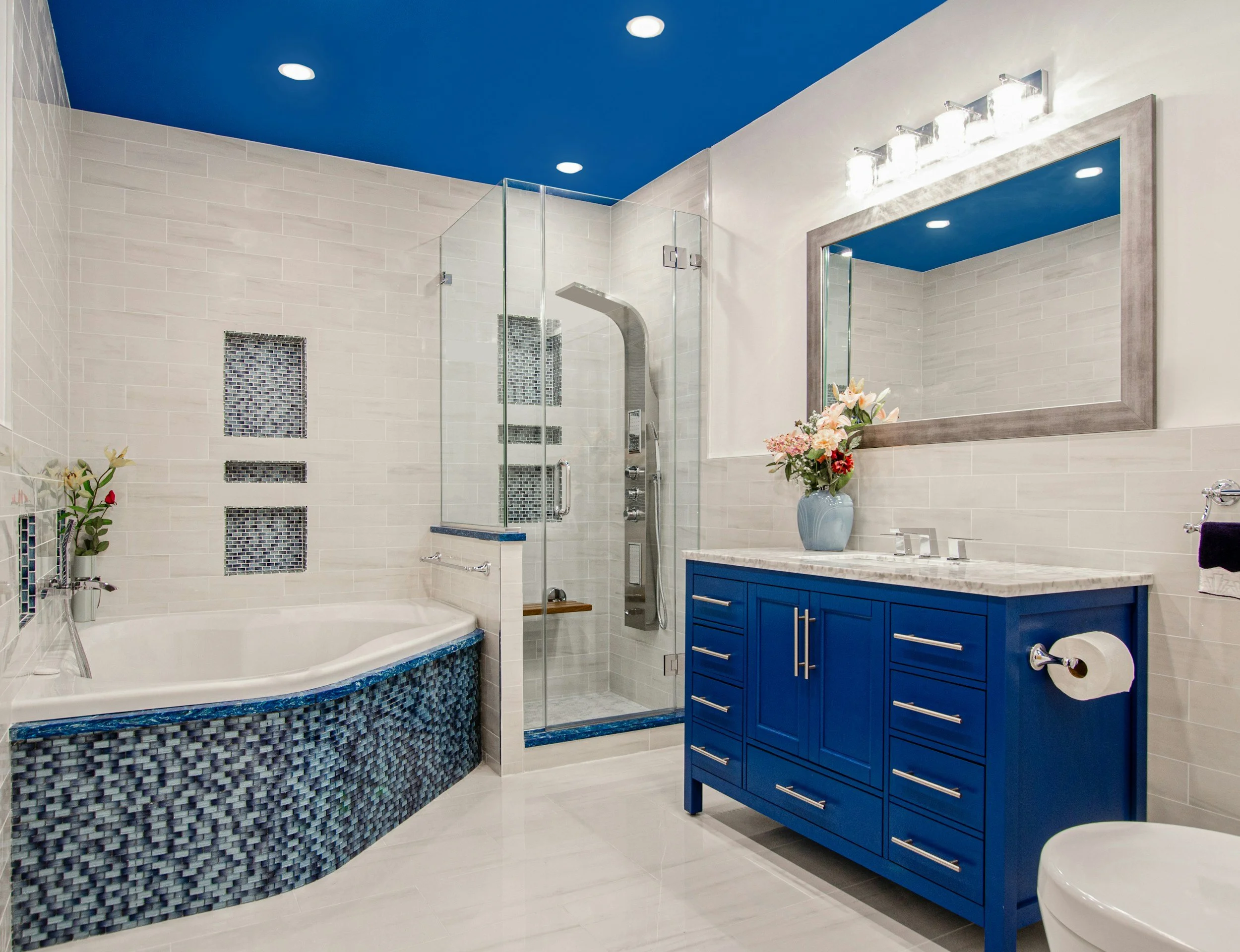
Bathroom remodeling in Redmond: Why hiring a licensed contractor matters
Bathroom remodeling in Redmond is often the moment homeowners realize how much trust is placed in the hands of the person doing the work.
We partnered with a home improvement company for this post. The opinions in the post are honest. All reviews and opinions expressed in this post are based on our personal views. We are excited because we know you will love it.
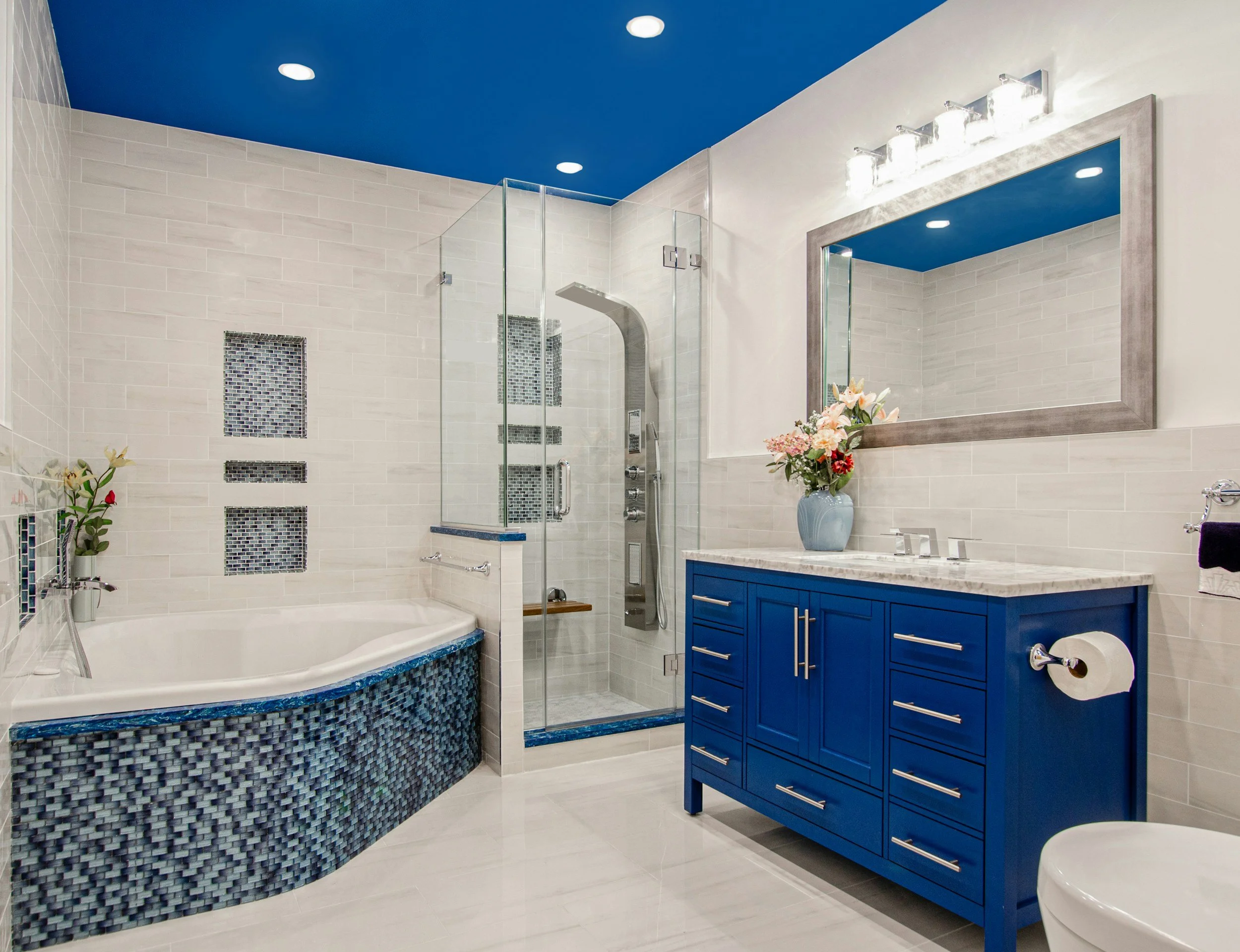
Bathroom remodeling in Redmond is often the moment homeowners realize how much trust is placed in the hands of the person doing the work.
I remember standing in my own half-finished bathroom years ago, staring at exposed pipes, wondering how something so small turned so complicated so fast.
What looked like a simple upgrade quickly became a lesson in why experience and proper licensing are not optional in a space that handles water, electricity, and daily wear.
Why bathrooms demand professional oversight
Bathrooms are the most technically demanding rooms in a home.
Behind every tile and fixture sit plumbing lines, electrical wiring, ventilation systems, and moisture barriers that must work together flawlessly.
During one renovation I followed closely, a tiny miscalculation in drain slope caused standing water that was invisible until tiles were removed months later.
A licensed contractor anticipates these problems before they ever exist.
The real meaning behind a contractor’s license
A license is not just a badge on a website or a number on a business card.
It confirms that the contractor has passed exams, understands building codes, and carries required insurance, which is especially important during Bathroom remodeling Redmond projects where mistakes are expensive.
During one remodel, I observed an inspector flagged improper venting that would have caused mold behind the walls within a year.
A licensed professional corrected it before drywall went up, saving the homeowner thousands in future repairs.
Building codes are written in response to failure
Most building codes exist because something went wrong somewhere before.
Bathrooms have strict regulations around electrical spacing, waterproofing layers, and airflow.
I once watched a beautifully designed shower get dismantled because the waterproof membrane did not meet inspection standards.
That mistake delayed the project and doubled labor costs.
Waterproofing is not visible but it defines longevity
Tile gives the illusion of protection, but it is not waterproof.
The real defense lies beneath the surface in membranes, sealants, and proper substrate installation.
An experienced contractor knows which system fits each layout and climate condition.
I have seen improperly sealed shower walls lead to structural rot that stayed hidden until damage spread beyond the bathroom.
Layout decisions affect everyday comfort
Design is not just about aesthetics.
It determines how the space functions when you are rushing to get ready or winding down at night.
During one renovation, a contractor suggested shifting a vanity slightly to improve walkway clearance.
That small adjustment eliminated daily frustration and made the room feel larger without expanding it.
Plumbing mistakes are slow and unforgiving
Plumbing failures rarely announce themselves immediately.
They leak quietly behind walls and beneath floors.
Licensed professionals pressure test lines and verify connections before closing walls.
I once worked with a homeowner who noticed bubbling paint months after a remodel, only to discover a hidden leak behind the shower.
Permits protect homeowners more than builders
Permits are often viewed as delays, but they provide essential oversight.
They ensure work meets safety standards before it becomes permanent.
Licensed contractors handle permits and inspections without pushing risk onto the homeowner.
I have seen real estate deals collapse because buyers uncovered unpermitted bathroom renovations during escrow.
Budget control comes from planning, not shortcuts
Skipping licensed professionals may seem cost effective at first.
In reality, it often leads to repairs, replacements, and delays.
Experienced contractors plan materials accurately and sequence labor efficiently.
One project I followed stayed on budget specifically because potential issues were anticipated early.
Coordination keeps projects moving
Bathroom remodels involve multiple specialists working in a confined space.
Plumbers, electricians, tile installers, and inspectors must follow a precise order.
Licensed contractors manage this flow so no trade blocks another.
Without coordination, I have watched projects sit idle for weeks due to scheduling conflicts.
Safety is part of craftsmanship
Bathrooms combine water, electricity, and enclosed environments.
Improper installations can create serious hazards.
Licensed professionals follow safety protocols that protect both the home and its occupants.
I once observed a contractor halt work immediately after discovering outdated wiring behind an old vanity.
Long-term value goes beyond resale numbers
A properly remodeled bathroom delivers peace of mind.
Quality work reduces future repairs and unexpected maintenance.
Homeowners often say they feel more confident knowing their bathroom was built correctly from the inside out.
That reassurance becomes part of everyday life.
Making the right decision from the start
Hiring a licensed contractor is not about luxury.
It is about accountability, foresight, and protecting your investment.
Bathrooms are high-risk spaces where mistakes are expensive and disruptive.
When handled correctly, they become one of the most satisfying upgrades in a home.

Nature At Home: Biophilic Touchpoints That Transform Interiors
Biophilic design focuses on strengthening the connection between people and nature within built environments. In home interiors, this approach is less about dramatic statements and more about thoughtful touchpoints that quietly improve comfort, mood, and daily experience. By integrating natural elements in practical ways, homeowners can create spaces that feel grounded and restorative without sacrificing function or style.
Biophilic design focuses on strengthening the connection between people and nature within built environments. In home interiors, this approach is less about dramatic statements and more about thoughtful touchpoints that quietly improve comfort, mood, and daily experience. By integrating natural elements in practical ways, homeowners can create spaces that feel grounded and restorative without sacrificing function or style.
Natural Materials as Everyday Anchors
Wood, stone, clay, and natural fibers form the foundation of biophilic interiors. Exposed wood beams, hardwood flooring, or stone countertops introduce visual warmth and tactile interest. These materials age gracefully, developing character over time rather than appearing worn. Even small additions like linen upholstery, jute rugs, or ceramic accessories can reinforce a sense of material honesty throughout the home.
Daylight as a Design Driver
Access to natural light is one of the most impactful biophilic touchpoints. Large windows, clerestory glazing, and glass doors support circadian rhythms while reducing reliance on artificial lighting. Sheer window treatments allow daylight to diffuse without sacrificing privacy. Thoughtful orientation, often considered during the development of semi-custom home floor plans, helps maximize light penetration across shared living spaces.
Plants as Living Infrastructure
Indoor plants serve both aesthetic and environmental roles. Beyond visual appeal, they support humidity regulation and air quality. Placement matters more than volume. A tall plant in a corner can soften hard edges, while herbs in a kitchen window reinforce daily interaction with living elements. Consistency across rooms creates a subtle rhythm rather than a decorative afterthought.
Nature-Inspired Patterns and Colors
Biophilic design also extends to visual references. Organic patterns, muted earth tones, and textures inspired by leaves, water, or terrain can be integrated through textiles, wall finishes, and artwork. These elements provide visual continuity with the outdoors, especially in urban or colder climates where direct access to nature may be limited.
Sensory Variety and Movement
Nature is dynamic, and interiors benefit from variation. Operable windows that allow fresh air, water features that introduce gentle sound, or textured surfaces that invite touch add layers of sensory engagement. These details contribute to spaces that feel alive rather than static.
Biophilic touchpoints do not require a complete redesign. Small, intentional choices layered over time can reshape how a home feels and functions. Look over the infographic below for more tips and tricks.


