

A resource for those seeking information on organizing and transforming spaces.
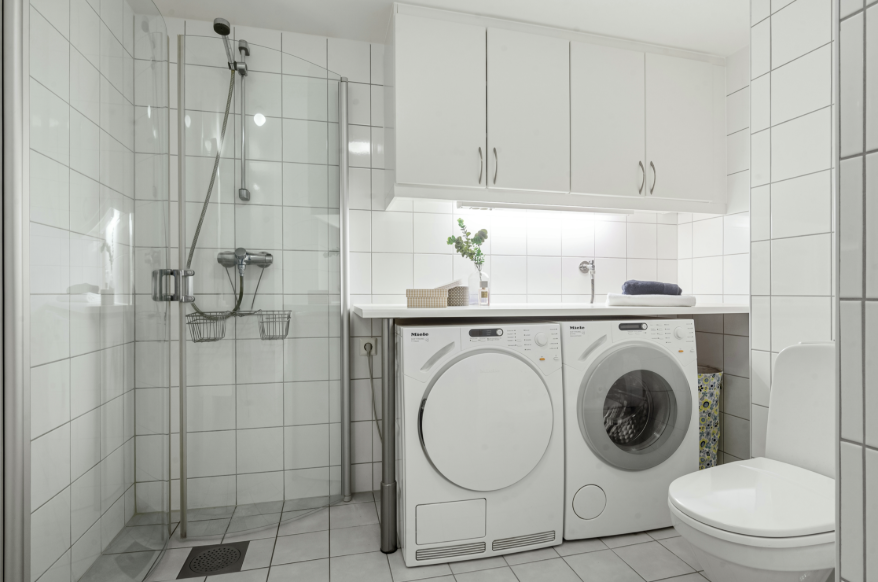
How to Keep Your Dryer Running at Peak Performance All Year Long
A clothes dryer is one of the most relied-upon appliances in any household. When it runs smoothly, it saves time, energy, and effort. But like any machine, it needs consistent care to stay efficient and safe. By following a few practical steps, you can keep your dryer performing at its best throughout the year.
A clothes dryer is one of the most relied-upon appliances in any household. When it runs smoothly, it saves time, energy, and effort. But like any machine, it needs consistent care to stay efficient and safe. By following a few practical steps, you can keep your dryer performing at its best throughout the year.
Clean the Lint Trap After Every Load
The lint trap is the first line of defense against clogs and overheating. Cleaning it after each cycle ensures proper airflow and reduces strain on the motor. A clogged lint screen forces the dryer to work harder, which can shorten its lifespan and increase energy use.
This simple habit takes seconds but makes a big difference in performance and safety. Over time, lint buildup can also create a fire hazard, so staying consistent with this step is one of the easiest ways to protect your home.
Clean and Maintain the Dryer Vent System
Your dryer’s vent system is responsible for carrying heat and moisture safely out of the appliance. As months go by, lint and debris can collect inside the ductwork, blocking airflow and increasing the risk of overheating or fire. Scheduling professional dryer vent duct cleaning at least once a year helps remove hidden buildup that regular cleaning can’t reach. This service not only improves efficiency but also protects your home from potential risks.
A clean vent system allows the dryer to operate with less strain, which means shorter drying times and lower energy bills. By relying on expert cleaning, you ensure that your dryer’s vent system remains safe, efficient, and capable of supporting peak performance all year long.
Check the Drum and Seals for Wear
The dryer drum and door seals play a key role in keeping heat inside during operation. If seals are worn or cracked, hot air escapes, forcing the dryer to run longer. Inspecting these parts regularly and replacing them when needed helps maintain consistent drying times and prevents unnecessary energy waste.
A well-sealed drum also ensures that clothes dry evenly, reducing the need for repeat cycles and helping fabrics last longer. By staying proactive with seal maintenance, you safeguard your dryer’s efficiency and extend its overall service life.
Keep the Exterior and Interior Clean
Dust and dirt can accumulate around the dryer’s exterior and inside the drum. Wiping down surfaces and vacuuming around the appliance prevents particles from entering the system. A clean dryer also reduces the chance of odors transferring to clothes.
Periodic deep cleaning of the drum ensures fabrics come out fresh and lint-free. Taking the time to clean both the inside and outside of the dryer helps it run more smoothly and keeps your laundry area looking neat.
Monitor Drying Times for Efficiency
Longer drying cycles are often a sign of restricted airflow or worn components. If you notice clothes taking longer to dry, it’s time to troubleshoot. Start by checking the lint trap and vent system, then move on to seals and heating elements.
Addressing issues early prevents costly repairs and keeps the dryer running smoothly. Paying attention to drying times also helps you spot problems before they become serious, saving both money and frustration.
Schedule Regular Professional Maintenance
While routine cleaning is essential, professional servicing provides a deeper level of care. Technicians can inspect electrical connections, heating elements, and safety features to ensure everything is working properly.
Annual maintenance helps extend the dryer’s lifespan and gives you peace of mind that your appliance is safe and efficient. Professional checkups are especially important for older dryers, which may need more frequent attention to stay reliable.
Use the Dryer Responsibly to Prevent Strain
Overloading the dryer or running back-to-back cycles without breaks can strain the motor and heating system. Following manufacturer guidelines for load size and giving the dryer time to cool between cycles helps prevent overheating.
Responsible use not only protects the appliance but also improves drying results. By treating the dryer with care, you can avoid unnecessary wear and keep it performing well for years. Consistently practicing these habits ensures your dryer remains dependable, efficient, and ready to handle everyday laundry needs without interruption.
Conclusion
Keeping your dryer at peak performance all year long comes down to consistent care and smart habits. From cleaning the lint trap to scheduling professional dryer vent duct cleaning, each step contributes to efficiency, safety, and longevity. With regular attention and responsible use, your dryer will continue to serve your household reliably for years to come.
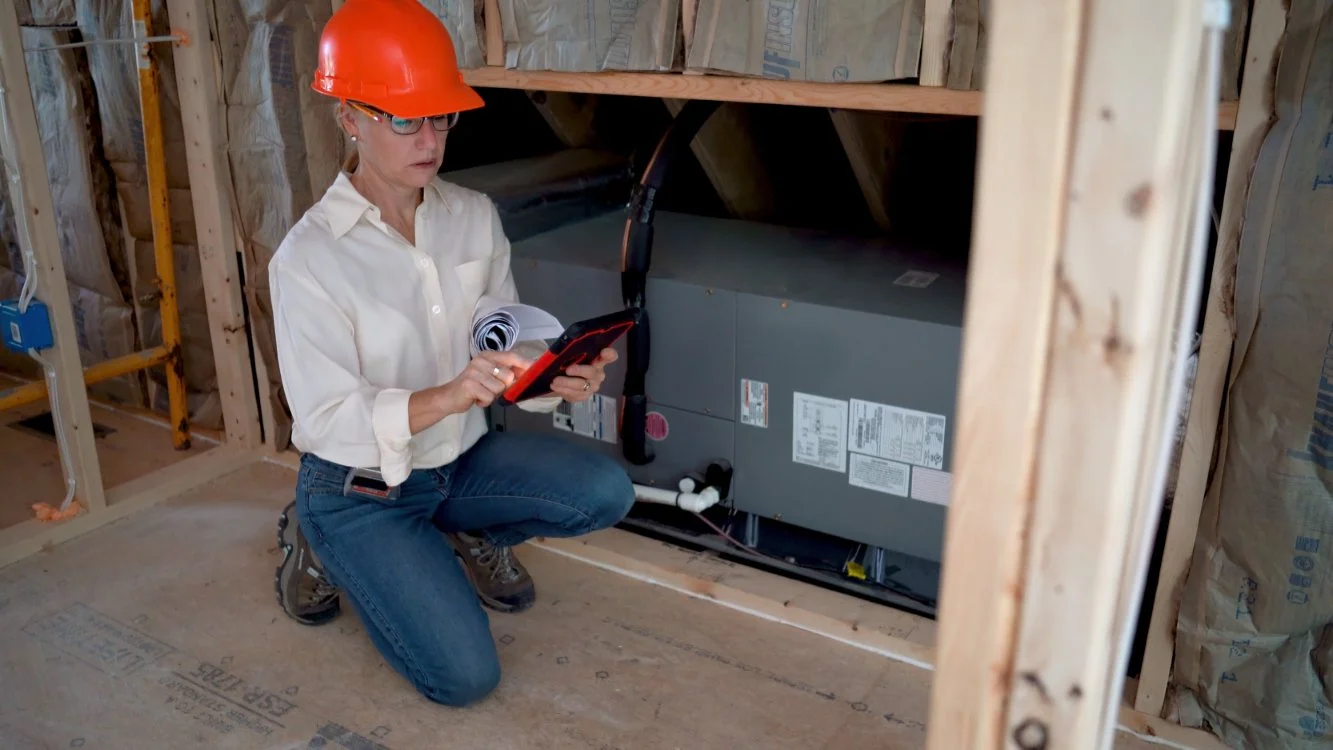
Can Your Current HVAC System Handle Your Remodel?
Remodeling your home is an exciting opportunity to create a space that better fits your lifestyle, improves comfort, and increases property value. But while most homeowners focus on layout, finishes, and design, one critical element often gets overlooked: the HVAC system. Heating and cooling equipment is designed to support a specific amount of square footage and airflow. When you change the structure of your home—whether by opening walls, adding rooms, finishing a basement, or expanding upward—you also change the demands placed on your HVAC system.
Remodeling your home is an exciting opportunity to create a space that better fits your lifestyle, improves comfort, and increases property value. But while most homeowners focus on layout, finishes, and design, one critical element often gets overlooked: the HVAC system. Heating and cooling equipment is designed to support a specific amount of square footage and airflow. When you change the structure of your home—whether by opening walls, adding rooms, finishing a basement, or expanding upward—you also change the demands placed on your HVAC system.
Before you finalize your remodel plans, it’s essential to understand how these changes affect heating and cooling performance. Evaluating your current system early can save you from comfort issues, high energy bills, and costly rework after construction is complete.
How Remodeling Affects HVAC Performance
Any change to your home’s layout has the potential to disrupt the balance your HVAC system was originally designed to maintain. For example, open‑concept designs eliminate walls that once helped contain conditioned air. Adding square footage increases the volume of space your system must heat or cool. Converting attics, basements, or garages into living areas introduces new temperature challenges, especially if those spaces weren’t originally connected to the HVAC system.
Even seemingly small updates—like enlarging windows or changing insulation—can alter how your home retains heat. These changes affect airflow, temperature distribution, and overall system efficiency. Without proper planning, you may end up with rooms that are too hot in summer, too cold in winter, or consistently uncomfortable year‑round.
Signs Your HVAC System Is Undersized or Overworked
Before you remodel, take a close look at how your current HVAC system performs. If you’re already experiencing issues, a renovation may amplify them. Here are common signs your system may be struggling:
Uneven Temperatures Throughout the Home
If certain rooms are consistently warmer or cooler than others, your system may not be distributing air effectively—or it may be undersized for your existing layout. Uneven temperatures often become more noticeable when you change the layout or airflow patterns during a remodel. This imbalance can also indicate duct leaks or poor insulation that should be addressed before construction begins.
Long or Frequent HVAC Cycles
If your system runs constantly or cycles on and off too often, it’s working harder than it should. This often indicates that the equipment is too small or that airflow is restricted. Over time, excessive cycling can shorten the lifespan of your HVAC system. It may also lead to higher energy consumption as the system struggles to maintain consistent temperatures.
Rising Energy Bills
If your utility costs have increased without a clear explanation, your HVAC system may be compensating for inefficiencies or insufficient capacity. A remodel can worsen this issue if additional square footage is added without adjusting the system. Higher bills are often one of the first signs homeowners notice when their HVAC system is no longer keeping up.
Excessive Noise
Loud operation, rattling ducts, or whistling vents can signal airflow problems or equipment strain. These noises may become more pronounced when walls are removed or ductwork is altered during a remodel. Persistent noise is often a sign that the system is fighting against pressure imbalances or blockages.
Poor Indoor Air Quality
Dust buildup, humidity issues, or stale air may indicate that your system isn’t circulating or filtering air properly. Remodeling can introduce even more dust and debris, making air quality problems worse. Poor filtration or inadequate airflow can also contribute to allergy symptoms and general discomfort in the home.
If you’re already noticing these symptoms, your remodel is the perfect time to address them. Making HVAC improvements during construction is far easier and more cost‑effective than trying to fix problems afterward.
How Added Square Footage Changes Heating and Cooling Loads
One of the most important factors in HVAC design is load calculation—the process of determining how much heating and cooling a home requires. When you add square footage, finish unused spaces, or change the structure of your home, the load changes too.
More space doesn’t automatically mean you need a larger system, but it does mean your existing system must be reevaluated. For example:
Finishing a Basement adds conditioned space that may require new ductwork or zoning.
Adding a Bedroom or Office increases the demand for both heating and cooling.
Expanding a Kitchen introduces heat‑producing appliances that affect cooling needs.
Adding Large Windows or Skylights increases solar heat gain, especially in summer.
Your HVAC system must be properly sized to handle these changes. An undersized system will run constantly and still fail to keep your home comfortable. An oversized system will short‑cycle, wasting energy and wearing out faster.
Ductwork also plays a major role. If ducts aren’t extended, resized, or redesigned to match your new layout, airflow will suffer—even if your equipment is adequate.
The Role of Attic Insulation in Remodel‑Ready HVAC Performance
Attic insulation is one of the most overlooked components of a successful remodel, yet it has a major impact on HVAC performance. Insulation acts as a thermal barrier, reducing heat loss in winter and heat gain in summer. When insulation is inadequate, your HVAC system must work harder to maintain comfortable temperatures, which can lead to higher energy bills and unnecessary strain on the equipment.
It Reduces Strain on Your HVAC System
Better insulation means your system doesn’t have to run as often or as long, which can extend the lifespan of your equipment. By minimizing heat transfer, insulation helps your HVAC system maintain stable temperatures with less effort. This reduced workload can also improve overall system efficiency, especially in homes undergoing major layout changes.
It Improves Comfort in Both New and Existing Spaces
Proper insulation helps maintain consistent temperatures throughout the home, especially in rooms located near the attic. This is particularly important during a remodel, when airflow patterns may shift, and new spaces are added. Improved insulation also helps reduce drafts and temperature swings, making your remodeled areas feel more comfortable year‑round.
It May Prevent the Need for a Larger HVAC System
Sometimes, improving insulation and sealing air leaks can reduce the heating and cooling load enough that your existing HVAC system becomes adequate again. This can save homeowners thousands of dollars by avoiding an unnecessary equipment upgrade. Insulation professionals, such as someone like AtticNerds, can evaluate your attic and identify opportunities to improve efficiency before you commit to a new system.
It’s Easiest to Upgrade During Construction
When contractors already have access to walls, ceilings, and attic spaces, insulation improvements are simpler and more cost‑effective. Upgrading insulation during a remodel also ensures that your HVAC system is supported by a strong thermal envelope from day one. Coordinating with insulation professionals during the planning phase helps ensure the work is done at the right time and integrates smoothly with the rest of the project.
If you’re planning a remodel, evaluating attic insulation should be part of your HVAC strategy—not an afterthought. Addressing insulation early helps create a more efficient, comfortable home and ensures your HVAC system can perform at its best once the remodel is complete.
When Your Existing System Might Still Work
Not every remodel requires a new HVAC system. In some cases, your existing equipment may be sufficient with a few adjustments. For example:
Minor Layout Changes may only require duct modifications.
Zoning Systems can help balance temperatures in newly remodeled areas.
Improved Insulation can reduce the load enough to keep your current system viable.
Upgraded Thermostats can improve efficiency and comfort without replacing equipment.
A professional evaluation will help determine whether your system can handle the changes or if upgrades are necessary.
When It’s Time to Upgrade or Modify Your HVAC System
There are times when keeping your existing HVAC system simply isn’t practical, especially when a remodel significantly changes the way your home functions. If you’re adding a large amount of new square footage, your current system may no longer have the capacity to heat and cool the expanded space effectively. The same is true when you convert areas like attics, basements, or garages into living spaces, since these rooms often have different temperature needs and may not have been connected to the original ductwork.
Age is another important factor. If your HVAC system is more than 10–15 years old, it may already be nearing the end of its lifespan, making a remodel the ideal time to replace it rather than waiting for a breakdown. Ongoing comfort issues—such as persistent hot and cold spots or humidity problems—can also signal that your system is no longer meeting your home’s needs. In some cases, the system may have been undersized or inefficient from the start, and the remodel simply makes those shortcomings more noticeable.
Upgrading during a remodel is often more cost‑effective than waiting until construction is complete, since walls are already open and contractors are on‑site. Making these changes now ensures your newly updated space is comfortable from the moment you move back in, without the need for disruptive work later.
Why a Professional HVAC Assessment Is Essential
Before finalizing your remodel plans, it’s important to schedule a professional HVAC assessment to understand exactly how your system will respond to the changes you’re planning. HVAC professionals, such as McIntosh Heating & Cooling, rely on precise tools and calculations that go far beyond guesswork, allowing them to evaluate your home’s heating and cooling needs with accuracy. During an assessment, they’ll determine whether your current system can handle the new layout by performing detailed load calculations and examining the condition and capacity of your ductwork. They also look for insulation gaps, air leaks, and other hidden issues that could undermine the performance of your remodeled space. Based on their findings, they can recommend system modifications or upgrades that will support both comfort and efficiency. A professional assessment also ensures your remodel complies with building codes and modern energy‑efficiency standards, which protects you from unexpected problems later. Most importantly, this early evaluation helps you avoid costly mistakes—like discovering after the drywall is up that ductwork needs to be rerouted or resized.
Integrating HVAC Planning Into Your Remodel Timeline
To avoid delays and rework, HVAC planning should be integrated into your remodel timeline from the very beginning. It’s important to bring a professional who’s familiar with remodeling and HVAC, such as someone like Romar Construction & Remodeling, into the design phase so they can evaluate your home’s layout, airflow needs, and any changes that may affect system performance. As your contractor begins mapping out the remodel, the placement of ductwork, vents, and equipment should be coordinated to ensure everything fits seamlessly into the new design. Insulation upgrades—especially in the attic—should be scheduled before drywall goes up so the home’s thermal envelope supports the HVAC system effectively. Once construction wraps up, the HVAC system should be tested to confirm that airflow, temperature balance, and efficiency meet expectations. Taking these steps early ensures your remodel is both beautiful and comfortable.
Your HVAC system plays a major role in the comfort, efficiency, and long‑term value of your remodeled home. By evaluating your current system early, understanding how remodeling affects heating and cooling loads, and considering attic insulation as part of your plan, you can avoid costly mistakes and ensure your new space feels as good as it looks. Working with HVAC professionals gives you the insight and guidance needed to make smart decisions—so your remodel delivers the comfort and performance you expect for years to come.

5 Things the Best Residential Generator Installation Companies Have in Common
Selecting a company to install a standby generator represents a significant decision for any property owner. The equipment itself requires substantial investment, and the installation process involves complex electrical work that affects both safety and long-term reliability.
Selecting a company to install a standby generator represents a significant decision for any property owner. The equipment itself requires substantial investment, and the installation process involves complex electrical work that affects both safety and long-term reliability.
Understanding what separates exceptional generator installation companies from average ones helps homeowners make informed choices. The best providers in this industry share certain characteristics that consistently lead to better outcomes for their customers.
Holding Proper Licensing and Certification
Legitimate generator installation requires specific credentials that vary by state and locality. The best companies maintain current electrical contractor licenses and carry appropriate insurance coverage to protect both their workers and their customers.
Beyond basic licensing, top providers pursue manufacturer certifications from leading brands. These certifications demonstrate that technicians have received specialized training on particular equipment lines and understand the specific requirements for proper installation.
Customers should always verify licensing status before signing any contracts. Reputable companies readily provide license numbers and proof of insurance upon request. They understand that these credentials build trust and distinguish them from unlicensed operators who may offer lower prices but expose homeowners to significant risks.
Understanding Local Conditions and Challenges
Every region presents unique challenges for generator installation and operation. Coastal areas contend with salt air that accelerates corrosion. Hot climates stress batteries and cooling systems. Areas prone to severe weather require installations that can withstand high winds and flooding.
The best residential generator installation companies possess deep knowledge of their service areas. They understand local building codes, permit requirements and utility interconnection standards. This expertise prevents costly mistakes and ensures installations pass inspection without delays.
Local experience also informs equipment recommendations. Technicians who have serviced generators through multiple storm seasons know which components fail most often under local conditions. They can advise customers on preventive measures and maintenance schedules tailored to regional demands.
Providing Thorough Consultations and Assessments
Quality installation begins long before any equipment arrives on site. Leading companies conduct comprehensive consultations that evaluate electrical panel capacity, fuel availability, placement options and household power requirements.
These assessments consider both current needs and potential future demands. A growing family might need additional capacity. Home office equipment or medical devices may require dedicated circuits. Pool systems, well pumps and HVAC equipment all factor into proper generator sizing.
The best providers explain their recommendations clearly without pressuring customers toward oversized or unnecessary equipment. They present options at various price points and help homeowners understand the tradeoffs involved in each choice.
Delivering Professional and Code-Compliant Work
Installation quality determines whether a generator performs reliably for years or becomes a source of ongoing problems. The best companies follow manufacturer specifications precisely and adhere to all applicable electrical codes.
Professional installation encompasses numerous details that inexperienced contractors might overlook. Proper pad preparation prevents settling and vibration issues. Correct fuel line sizing ensures adequate flow during full-load operation. Appropriate transfer switch installation protects utility workers and prevents backfeed hazards.
Documentation matters as well. Quality providers supply complete paperwork including permits, inspection certificates, warranty registrations and equipment manuals. This documentation proves valuable when selling a home or filing insurance claims after storm damage.
Offering Ongoing Support and Reliable Repair Services
Generator installation marks the beginning of a long-term relationship rather than a single transaction. Standby generators require regular maintenance to ensure they start reliably when needed most.
The best companies offer service agreements that include scheduled maintenance visits, priority response during emergencies and discounted repair rates. These programs keep generators in optimal condition while maintaining warranty coverage that manufacturers often require.
Even well-maintained generators occasionally develop problems that require professional diagnosis. When a generator shows an error message, does not complete its scheduled test cycle or fails to turn on, experienced technicians perform systematic evaluations to pinpoint the underlying problem efficiently.
Frequently encountered issues involve batteries that no longer hold a charge, obstructed fuel lines or air intake systems, spark plugs that have degraded over time, oil that has become contaminated and malfunctions within the electronic control system.
Following a thorough assessment, reputable companies present homeowners with a detailed explanation of necessary repairs and a comprehensive list of required components before any work begins. The objective remains delivering repairs that meet all safety standards and electrical codes while returning the equipment to reliable operation.
Professional residential generator repair services use quality parts that meet or exceed original equipment specifications. Skilled technicians aim for lasting solutions that restore generators to dependable operation for years to come.
Making the Right Choice
Homeowners who take time to evaluate generator installation companies thoroughly generally achieve better results than those who simply accept the lowest bid. Price certainly matters, but the cheapest option rarely delivers the best long-term value.
Asking for references from recent customers provides insight into actual performance. Online reviews offer additional perspectives, though customers should look for patterns rather than focusing on individual complaints.
The investment in a quality installation company pays dividends through reliable operation, proper warranty coverage and responsive service when problems arise. For equipment intended to protect homes and families during emergencies, these benefits far outweigh any initial cost savings from choosing a less qualified provider.

The Most Overlooked System in Your Home Before Summer
Before summer hits full force, most homeowners focus on the obvious, cooling and outdoor prep, but overlook how systems actually handle increased demand. Even something as simple as a pool robot hints at a bigger picture: your home is about to operate under constant load, and the systems behind it matter more than you think when preparing your home for summer.
We partnered with a home improvement company for this post. The opinions in the post are honest. All reviews and opinions expressed in this post are based on our personal views. We are excited because we know you will love it.

Before summer hits full force, most homeowners focus on the obvious, cooling and outdoor prep, but overlook how systems actually handle increased demand. Even something as simple as a pool robot hints at a bigger picture: your home is about to operate under constant load, and the systems behind it matter more than you think when preparing your home for summer.
Overlooked Areas in Summer Home Maintenance
Most people focus on what they can see, lawn care, AC performance, maybe gutters, but ignore systems that quietly take the biggest hit in summer home maintenance: plumbing, drainage, and ventilation.
The pattern is that homeowners react to visible problems but skip the systems that prevent them. They don’t overlook tasks, they overlook timing and cause-and-effect.
They wait until the AC struggles, the yard floods, or the water pressure drops, and then react. What’s actually missed is the transition period, when a home shifts from low winter demand to high summer stress while preparing your home for summer.
That’s when small existing weaknesses get exposed. Outdoor plumbing can show damage from winter, drainage issues surface quickly during storms, attic ventilation problems build heat, and pressure changes appear with increased demand.
The real oversight isn’t a checklist item, it’s ignoring how quickly systems go from " fine" to "failing" under seasonal load.
Why Plumbing Matters When Preparing Your Home for Summer
Because summer is when your plumbing works overtime and small issues turn into expensive ones fast, something often overlooked in summer home maintenance.
Water usage spikes with more showers, laundry, sprinklers, hoses, and pools, which increases the risk of clogs and pressure strain. Pressure inconsistencies become more noticeable, and soil expansion can add stress to the system.
Plumbing isn’t just pipes, it’s your home’s water management system. It’s the only system that connects daily behavior directly to structural risk.
You can ignore a slightly inefficient AC for a while. You can’t ignore water.
If it fails, it affects everything from comfort to structural integrity, leading to leaks, mold, foundation moisture issues, and hidden damage behind walls. Plumbing isn’t about convenience, it’s about controlling where water goes and where it doesn’t, one of the core ideas behind effective summer home maintenance tips.
Common Summer Plumbing Problems Homeowners Face
Summer has its own "personality" when it comes to plumbing issues, but it doesn’t create new problems, it reveals weak points during summer home maintenance.
The most common issues are delayed reactions. A pipe weakened in winter finally starts leaking, tree roots that were dormant start invading sewer lines, and slight clogs become full blockages under heavier use. Minor leaks can quickly become major problems because increased usage puts more pressure on weak spots.
Higher usage also brings clogged drains, low water pressure from peak demand, and water heater strain from increased daily use. Outdoor faucet or hose leaks often show up late from freeze damage.
What makes summer unique is volume and frequency. Systems that handled light use suddenly can’t keep up, so the real pattern isn’t new problems, it’s old problems accelerating.
How Pool Systems Connect to Your Home’s Plumbing
Your pool isn’t a separate system, it’s a high-demand extension of your home’s plumbing, which becomes especially important when you get your home ready for summer.
It ties into your water supply lines for filling and topping off, drainage and waste lines for backwashing or draining, and electrical and pump systems that rely on proper water flow. It pulls from the same water supply, drainage capacity, and pressure system.
That means every time you refill the pool, backwash the filter, or deal with evaporation, you’re adding load to your home’s plumbing.
If your home plumbing has pressure issues or leaks, your pool system can suffer, and vice versa. Improper drainage can overload your yard and affect your foundation. If your system is already borderline, the pool is often what pushes it over the edge.
Pool Checks Before Preparing Your Home for Summer
Don’t just check if the pool is clean, check if it’s stable under stress as part of preparing your home for summer.
Don’t just skim leaves and call it done, look at the system behind the water. Most costly pool issues don’t start in the water, they start in the plumbing and circulation system.
Focus on pump and filter performance, leaks around connections and valves, water level consistency, and backwash or drain lines to ensure proper discharge. Chemical balance should be set as a baseline before heavy use.
The key question is whether the system will still work the same after a few weeks of heavy use. Look at flow consistency, not just whether it’s running, along with subtle water loss and pressure changes in the system.
Most pool failures don’t happen on day one, they show up mid-season when everything is already in use.
Other Systems to Check During Summer Home Maintenance
A well-prepared home works like a system, not a checklist. The goal isn’t checking boxes, it’s making sure heat, water, and airflow are all managed properly together during summer home maintenance.
Instead of listing systems, think in terms of forces acting on your home. Summer introduces heat, water, and expansion, so inspect anything that manages those.
That includes air movement through the HVAC system, filters, coils, airflow, and attic ventilation to handle heat. Drainage, gutters, downspouts, and foundation grading handle water, especially during summer storms. Materials, seals, and even electrical load come into play when dealing with expansion, contraction, and increased demand from outdoor equipment.
This approach is stronger than a checklist because it helps homeowners understand why they’re inspecting something.
Summer Home Maintenance Tips That Prevent Problems
The best summer home maintenance tips aren’t about doing more, they’re about thinking differently.
Focus on reducing water pressure stress by fixing leaks early and monitoring pressure, keeping air moving through vents, filters, and attic airflow, and managing water direction so it always moves away from your home. Catch minor wear before peak usage hits, especially anything used more in summer.
Most homeowners miss warning signs like slight drops in water pressure, longer drainage times, or rooms that heat unevenly. These aren’t random, they’re early indicators.
If you act at that stage, the fix is simple. If you wait, it becomes a repair. Prevention isn’t about effort, it’s about paying attention sooner, one of the most practical summer home maintenance tips to follow.
Preventative Steps to Get Your Home Ready for Summer
Preventative maintenance isn’t about avoiding work, it’s about avoiding timing disasters when you get your home ready for summer.
Summer problems tend to happen during peak usage, are harder to schedule repairs for when everyone needs help at once, and cost more due to urgency. Contractors are busier, costs are higher, and delays are longer.
A small fix in spring takes 30 minutes, costs little, and prevents a mid-July emergency. So the same issue in spring is a minor inconvenience, but in July it becomes a major disruption.
It’s the difference between control vs. reaction. The real value of preventative maintenance is control over timing, not just cost savings when preparing your home for summer.
A Simple Checklist for Preparing Your Home for Summer
Start with plumbing and drainage since they overlap, this is the foundation of preparing your home for summer. Check outdoor faucets and hoses for leaks, test water pressure, and inspect visible pipes for corrosion or drips. At the same time, clean gutters and downspouts and make sure water flows away from the foundation. This covers both leaks and how water is handled around the house.
Move to HVAC. Replace filters, check airflow and vents, and schedule a quick system inspection if needed. This ensures air is moving properly and the system isn’t under strain.
For exterior and structure, inspect roof and attic ventilation and seal cracks around windows and doors. While doing that, keep an eye out for signs of moisture or mold, and test the sump pump if you have one.
If there’s a pool, inspect the pump, filter, and connections, check for leaks, and balance the water before regular use.
Instead of thinking in separate categories, you can also simplify everything into a 3-part system check, one of the most effective ways to get your home ready for summer.
Water control means checking for leaks, slow drains, pressure changes, and confirming water moves away from the house properly. Air movement is about consistent airflow in all rooms with clean, unobstructed filters and vents. Load capacity comes down to whether your systems can handle increased use across plumbing, HVAC, pool, and electrical.
If those three areas are solid, most summer issues never escalate.

