

A resource for those seeking information on organizing and transforming spaces.
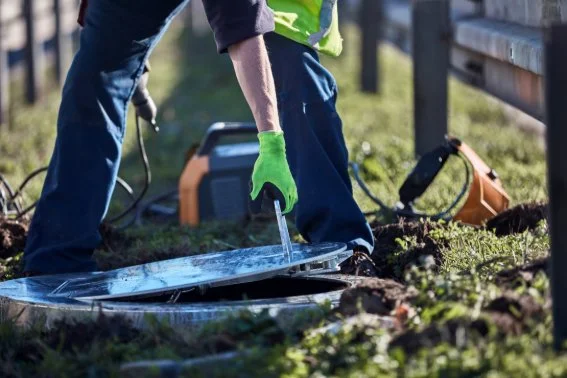
A Homeowner's Guide to Sewer Pipe Repair and Maintenance
Sewer pipe health represents one of the most critical yet overlooked aspects of home maintenance. Functioning sewer lines prevent costly structural damage, protect household sanitation, and avoid the nightmare of sewage backups that disrupt daily life. Common issues, including clogs, leaks, tree root intrusion, and pipe deterioration, can transform from minor inconveniences into expensive emergencies without proper attention. This guide provides practical steps for identifying and addressing sewer pipe problems before they escalate, helping homeowners protect their investment and maintain a safe living environment.
Sewer pipe health represents one of the most critical yet overlooked aspects of home maintenance. Functioning sewer lines prevent costly structural damage, protect household sanitation, and avoid the nightmare of sewage backups that disrupt daily life. Common issues, including clogs, leaks, tree root intrusion, and pipe deterioration, can transform from minor inconveniences into expensive emergencies without proper attention. This guide provides practical steps for identifying and addressing sewer pipe problems before they escalate, helping homeowners protect their investment and maintain a safe living environment.
Recognizing Warning Signs
Early detection makes the difference between simple fixes and major repairs. Slow drains throughout the home—sinks emptying sluggishly, bathtubs holding standing water, or toilets requiring multiple flushes—often indicate developing sewer line problems rather than isolated fixture issues. Unpleasant sewage odors either inside the home or wafting from yard drains signal potential blockages or damaged pipe seals allowing gases to escape. Backups represent more serious warnings, with water or waste returning into fixtures, particularly lower-level drains or basement floor drains during heavy use.
Outside indicators prove equally important. Unusual lawn patches appearing soggy without recent rain, or sections of grass growing noticeably greener and lusher than surrounding areas, frequently mark underground sewer line leaks. These leaks essentially fertilize the soil above, creating distinctive visual patterns that alert observant homeowners to hidden problems beneath their yards.
Initial Troubleshooting
Before calling professionals, conduct basic diagnostic checks. Test multiple drains simultaneously to determine whether problems affect a single fixture or the entire system. Localized issues typically involve individual drain traps, while system-wide slowness points toward main sewer line trouble. Use appropriate basic tools—plungers for simple clogs, drain snakes for deeper obstructions, or enzyme-based cleaners that biologically break down organic matter without harsh effects.
Critically, avoid chemical drain cleaners marketed as quick fixes. These corrosive products can damage aging pipes, harm septic systems, and contaminate groundwater without effectively addressing root causes. They provide temporary relief at best while potentially worsening underlying conditions.
Professional Inspection
When DIY efforts fail or problems persist, professional inspection becomes essential. Modern plumbers employ camera inspection technology, threading video scopes through sewer lines to visually identify blockage locations, pipe damage, and structural integrity. This non-invasive diagnostic approach pinpoints problems precisely without exploratory excavation.
Hydro-jetting uses high-pressure water streams to clear stubborn clogs and scour pipe interiors clean, removing accumulated grease, mineral deposits, and debris that snaking cannot eliminate. Tree root intrusion requires specialized cutting tools that slice through invasive growth and extract root masses blocking flow. Comprehensive pipe condition assessments reveal cracks, corrosion, offset joints, or complete collapse, informing repair strategy decisions.
Repair and Replacement Options
Treatment approaches vary based on damage severity and pipe condition, with licensed plumbers or sewer specialists guiding homeowners through appropriate solutions. Spot repairs address small cracks or isolated leaks through targeted interventions that restore specific damaged sections. Pipe relining, such as what’s offered through professionals like John's Sewer and Drain Cleaning, offers innovative trenchless solutions, inserting resin-coated liners into existing pipes that cure to form new interior surfaces, restoring structural integrity without extensive excavation that destroys landscaping.
Pipe bursting replaces severely compromised lines by breaking old pipes while simultaneously pulling new pipes through the same path, minimizing surface disruption. Full replacement becomes necessary for outdated systems with widespread deterioration, collapsed sections, or materials like Orangeburg or early PVC that have reached the end of their service life. While expensive, a complete replacement provides decades of reliable service and peace of mind.
Preventive Maintenance
Proactive care prevents most sewer emergencies. Schedule professional inspections every three to five years, or more frequently for older homes with mature landscaping. Practice proper disposal habits: never flush grease that solidifies in pipes, wet wipes that don't break down despite "flushable" labels, or foreign objects that cause blockages.
Tree root management proves crucial—plant new trees at least ten feet from sewer lines and consider root barriers that redirect growth away from pipes. Routine cleaning through periodic hydro-jetting or enzyme treatments maintains clear flow and prevents gradual buildup that eventually causes failure.
Sewer pipe problems escalate quickly when ignored, transforming manageable repairs into catastrophic failures requiring emergency response and extensive excavation. Early detection combined with professional expertise saves substantial money and stress while protecting property value. Proactive maintenance care ensures safe, functional, and long-lasting sewer systems that operate reliably for decades, providing homeowners with confidence in their home's most essential infrastructure.
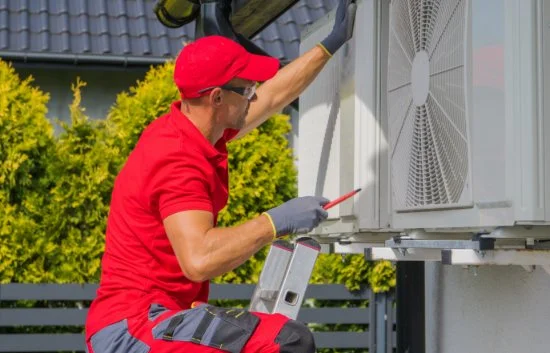
The HVAC Basics Made Simple
Your home's HVAC system works quietly in the background to keep you comfortable and ensure the air you breathe is clean. Understanding how these systems work affects your health, energy bills, and how long your equipment lasts. While homeowners can handle some basic tasks, professional expertise is essential for safety and efficiency—attempting DIY repairs on gas furnaces, refrigerant systems, or electrical components can be dangerous and expensive. This guide explains the four key parts of HVAC—heating, air conditioning, ventilation, and controls—and why professional maintenance matters.
Your home's HVAC system works quietly in the background to keep you comfortable and ensure the air you breathe is clean. Understanding how these systems work affects your health, energy bills, and how long your equipment lasts. While homeowners can handle some basic tasks, professional expertise is essential for safety and efficiency—attempting DIY repairs on gas furnaces, refrigerant systems, or electrical components can be dangerous and expensive. This guide explains the four key parts of HVAC—heating, air conditioning, ventilation, and controls—and why professional maintenance matters.
Heating
Heating systems keep your home warm during cold months. Whether you have a furnace, boiler, or heat pump, they all do the same job: distribute warmth safely and efficiently throughout your living space. Furnaces heat air and push it through ducts. Boilers heat water that flows through radiators or radiant floors. Heat pumps pull heat from outside air (even when it's cold) to warm your home.
Common heating problems tell you it's time to call a professional. Uneven heating—some rooms are too hot while others stay cold—usually means ductwork issues, failing parts, or the wrong system size. Strange noises like banging, squealing, or rumbling signal mechanical problems that could cause complete failure. Rising energy bills without using more heat means your system is working harder because something's wrong.
Professional HVAC technicians, such as those from McIntosh Heating & Cooling, provide services that go far beyond what homeowners can safely do. During inspections, they check heat exchangers for cracks that could leak deadly carbon monoxide into your home. They clean burners to ensure proper combustion, check electrical connections for fire hazards, test safety controls, and make sure your system runs efficiently. Gas furnaces need especially careful attention because of the serious risks from gas leaks and incomplete combustion.
Regular professional maintenance pays off in multiple ways. Efficient systems use less energy and lower your utility bills. Safety inspections catch problems before they become emergencies, protecting your family from carbon monoxide or fires. Proper care helps equipment last longer—a well-maintained furnace can run 15-20 years, while a neglected one might fail in half that time. Annual maintenance costs much less than emergency repairs or early replacement.
Air Conditioning
Air conditioning does more than cool your home. It controls humidity, filters air, and creates comfortable conditions during hot weather. Central AC systems remove heat from indoor air and move it outside using compressors, condensers, evaporator coils, and refrigerant.
Common AC problems reduce comfort and waste money. Refrigerant leaks decrease cooling power and can damage your compressor, leading to expensive repairs. Frozen evaporator coils—often from blocked airflow or low refrigerant—prevent proper cooling and harm the system. Poor airflow from dirty filters, blocked vents, or failing blower motors makes your system work harder while cooling less.
Professional air conditioning services fix these issues systematically. Technicians check refrigerant levels and repair leaks using special equipment—handling refrigerant requires EPA certification because of environmental laws. They clean evaporator and condenser coils, removing dirt that blocks heat transfer. Compressor testing finds problems before major failure happens. Seasonal tune-ups before summer ensure your system works when you need it most, preventing breakdowns during heat waves when HVAC companies are swamped with emergency calls.
Expert care prevents expensive breakdowns by catching problems early. A small refrigerant leak found during maintenance costs far less than replacing a compressor ruined by running with too little refrigerant. Clean coils and proper airflow improve efficiency, cutting energy costs while boosting comfort. Professional service also keeps manufacturer warranties valid—most require documented professional maintenance.
Ventilation
Heating and cooling get the most attention, but ventilation is crucial for air quality and system efficiency. Ductwork moves conditioned air throughout your home. Proper airflow creates even temperatures and filters out contaminants. Poor ventilation causes health problems, discomfort, and wasted energy.
Ventilation issues develop slowly, making them easy to ignore. Duct leaks waste conditioned air—studies show typical duct systems lose 20-30% of air through leaks and holes. That's like leaving windows open while running your HVAC. Blockages from debris, collapsed ducts, or closed dampers restrict airflow to certain rooms. Dust buildup inside ducts spreads allergens and particles throughout your home. Mold growth in ductwork—often from moisture—poses serious health risks, especially for people with allergies or breathing problems.
Professional ventilation solutions fix these problems thoroughly. Air duct cleaning removes dust, debris, and contaminants using equipment that homeowners don't have access to. Duct sealing finds and repairs leaks using special sealant or metal tape—never regular duct tape, which fails quickly. Proper insulation on ducts in attics or crawl spaces prevents energy loss. Airflow balancing adjusts dampers and settings to ensure even distribution throughout your home.
Proper ventilation delivers real benefits. Clean, sealed ductwork reduces allergen circulation, helping family members with asthma or allergies. Fixing duct leaks improves energy efficiency by 20% or more, cutting utility bills. Better airflow means consistent temperatures and improved comfort in every room.
Control & Regulation
Modern HVAC systems use sophisticated controls to maintain comfort efficiently. Thermostats, sensors, and zoning systems work together to regulate temperature, manage energy use, and customize comfort for different areas. These controls are the "brains" of your system—problems here affect everything else.
Common control problems include inaccurate temperature readings from poorly placed or broken thermostats, making your system run too much or too little. Old manual thermostats can't be programmed, so your system runs unnecessarily when you're away or sleeping. Poor zoning in large homes creates hot and cold spots, wasting energy trying to heat or cool the whole house for one uncomfortable room.
Professional control upgrades change how your HVAC system operates. Smart thermostats like Nest, Ecobee, or Honeywell let you schedule temperatures, control from your phone, and use learning algorithms that optimize comfort automatically. These can cut heating and cooling costs by 10-23%. Calibrating sensors ensures accurate readings that trigger the right responses. Optimizing zoning systems with multiple thermostats and dampers allows different temperatures in different areas, ending thermostat battles while reducing waste.
Benefits include precise temperature control without constant adjustments, lower energy bills through smart programming and zoning, and convenient features like remote access and voice control through smart home systems.
Choosing the Right Professional
Not all HVAC contractors provide the same quality. Look for specific credentials:
Valid licensing shows they meet state requirements for HVAC work
NATE certification proves technicians passed tough competency exams
Experience provides practical knowledge formal training can't teach
Insurance protects you from liability if accidents happen
Service contracts and regular check-ups provide peace of mind and save money. Annual or twice-yearly maintenance agreements ensure your system gets professional attention before problems develop, often at discounted rates. Many include priority scheduling and repair discounts.
Before hiring an HVAC technician, ask:
Are you licensed and insured?
Do your technicians have NATE certification?
What does your maintenance service include?
Do you offer service contracts?
Can you provide local customer references?
What are your emergency service policies and rates?
These questions reveal professionalism and help you make smart decisions.
Understanding heating, air conditioning, ventilation, and controls helps you see why professional HVAC care matters for safety, efficiency, and comfort. Homeowners can change filters, but professionals bring the technical expertise and specialized tools needed to maintain these complex systems properly. Schedule regular maintenance instead of waiting for breakdowns—it protects your investment, lowers energy bills, extends equipment life, and keeps your home comfortable and healthy all year long.

Protecting Your Home from Water Damage
Water leaks rank among the most common yet potentially devastating problems homeowners face. What begins as a small drip or barely noticeable stain can quickly escalate into a major crisis, causing thousands of dollars in damage. The consequences extend far beyond the immediate mess—structural damage weakens your home's foundation and framing, mold growth threatens your family's health, and wasted water drives up utility bills month after month. According to insurance industry estimates, water damage accounts for nearly a quarter of all homeowner insurance claims, with the average claim exceeding $10,000. This guide helps homeowners identify, repair, and prevent leaks before they become catastrophes, protecting both your property investment and your family's well-being.
Water leaks rank among the most common yet potentially devastating problems homeowners face. What begins as a small drip or barely noticeable stain can quickly escalate into a major crisis, causing thousands of dollars in damage. The consequences extend far beyond the immediate mess—structural damage weakens your home's foundation and framing, mold growth threatens your family's health, and wasted water drives up utility bills month after month. According to insurance industry estimates, water damage accounts for nearly a quarter of all homeowner insurance claims, with the average claim exceeding $10,000. This guide helps homeowners identify, repair, and prevent leaks before they become catastrophes, protecting both your property investment and your family's well-being.
Common Types of Household Leaks
Understanding where leaks typically occur helps you monitor vulnerable areas and catch problems early.
Plumbing leaks are the most frequent culprits. Dripping faucets waste gallons daily while signaling worn washers or valve seats. Pipe joints, especially where different materials connect, develop leaks as seals deteriorate over time. Under-sink connections face constant stress from vibration and movement, making them prone to loosening or cracking. Even small plumbing leaks add up—a faucet dripping once per second wastes over 3,000 gallons annually.
Roof leaks develop from multiple sources. Damaged or missing shingles create entry points for rain and snow. Flashing—the metal strips sealing roof valleys, chimneys, and vents—cracks or separates with age and weather exposure. Clogged gutters overflow, sending water under roof edges and into walls. Ice dams in winter force water beneath shingles when melting snow refreezes at roof edges.
Appliance leaks often go unnoticed until significant damage occurs. Washing machine supply hoses deteriorate and burst without warning, releasing hundreds of gallons. Dishwashers develop leaks around door seals or from loose connections. Refrigerator water lines crack or disconnect, creating puddles behind units that damage flooring before anyone notices.
HVAC leaks typically result from condensation line blockages. Air conditioning systems generate moisture that normally drains away through condensate lines. When these lines clog with algae or debris, water backs up and overflows, damaging ceilings, walls, and floors near indoor units.
Foundation leaks threaten your home's structural integrity. Cracks in foundation walls or floors allow groundwater to seep inside, especially during heavy rain. Poor drainage around your home's perimeter directs water toward the foundation instead of away from it, creating hydrostatic pressure that forces water through any weakness.
Identifying a Leak
Early detection prevents minor problems from becoming major disasters. Watch for these warning signs throughout your home.
Visual indicators provide the most obvious clues. Water stains on ceilings, walls, or floors appear as discolored patches, often yellowish or brown. Peeling paint or wallpaper suggests moisture behind surfaces. Warped or buckled flooring indicates water exposure. Visible mold growth—appearing as black, green, or white spots—confirms ongoing moisture problems.
Sensory clues alert you to hidden leaks. Musty odors indicate mold growth from chronic moisture. The sound of dripping or running water when all fixtures are off signals an active leak somewhere in your plumbing system.
Monitor your water bills for unexplained increases. A sudden spike without changed usage patterns often indicates a hidden leak. Most municipalities track water usage monthly, making trends easy to spot.
Simple DIY tests help locate specific leaks. The toilet dye test involves adding food coloring to the tank—if color appears in the bowl without flushing, the flapper valve leaks. Check your water meter before and after a two-hour period when no water is used; any change indicates a leak somewhere in your system.
Immediate Steps to Take
Quick action when you discover a leak minimizes damage and reduces repair costs.
Shut off the water supply first. For localized leaks at fixtures, turn off the valve directly beneath the sink, toilet, or appliance. For major leaks or when you can't identify the source, shut off the main water valve—typically located near where the water line enters your home or at the water meter.
Contain the leak to prevent water from spreading. Place buckets under drips, use towels to soak up standing water, and apply temporary sealants like plumber's putty for very small leaks. Move furniture, electronics, and valuables away from affected areas.
Document everything for insurance claims. Photograph and video all damage before cleanup begins. Note the date, time, and circumstances of discovery. Keep receipts for emergency supplies and repairs.
Assess whether you can handle repairs yourself or need professional help. Small drips from loose connections might be DIY-friendly, but anything involving pipes inside walls, structural damage, or contaminated water requires professional expertise.
Repair Methods
Appropriate repair methods depend on the leak's location, severity, and cause.
DIY fixes work for minor problems. Tightening loose pipe fittings with a wrench often stops drips at connections. Replacing worn faucet washers requires basic tools and costs just dollars. Applying plumber's tape (Teflon tape) to threaded connections creates watertight seals. Pipe sealant works for very small cracks in accessible pipes, though it's a temporary solution.
Roof repairs address weather-related leaks. Replace damaged or missing shingles by removing old ones and nailing new shingles in place. Reseal flashing around chimneys and vents with roofing cement. Clean gutters regularly to prevent overflow. For extensive damage, professional roofers ensure proper repairs that prevent future problems.
Appliance fixes often involve simple component replacement. Washing machine hoses should be replaced every five years as preventive maintenance—burst hoses cause catastrophic flooding. Check and replace worn door seals on dishwashers. Tighten or replace refrigerator water line connections.
Professional repairs, such as those from professionals like Quality Plumbing, become necessary for complex issues. Hidden pipe leaks inside walls require specialized detection equipment and expertise to access without unnecessary demolition. Pipe replacement for corroded or damaged plumbing ensures long-term reliability. For homes with widespread corrosion, pinhole leaks, or outdated pipe materials like galvanized steel or polybutylene, repiping offers the most comprehensive solution—replacing entire sections or all of your home's plumbing system with modern materials like copper or PEX that provide decades of leak-free service. Structural waterproofing addresses foundation leaks through methods like exterior excavation, membrane installation, and drainage systems. Advanced diagnostics, utilizing thermal imaging cameras, moisture meters, and acoustic sensors, pinpoint problems invisible to homeowners.
Preventing Future Leaks
Prevention costs far less than repairs and protects your home from water damage.
Regular inspections catch problems before they cause damage. Check under sinks, around toilets, and near water heaters monthly for signs of moisture. Inspect your roof twice yearly, especially after severe weather. Examine appliance hoses and connections annually.
Seasonal maintenance addresses weather-related vulnerabilities. Clean gutters in spring and fall to prevent overflow. Check roof flashing and seals before winter. Inspect outdoor faucets and irrigation systems before freezing weather.
Install leak detection devices for early warning. Water sensors placed near water heaters, washing machines, and under sinks sound alarms when moisture appears. Smart water sensors connect to your phone, alerting you to problems even when you're away. Some systems automatically shut off water when leaks are detected.
Proper insulation prevents pipe bursts in winter. Insulate pipes in unheated areas like basements, crawl spaces, and garages. During extreme cold, let your faucets drip to prevent freezing. Know where your main water shutoff is located so you can act quickly if pipes freeze or burst.
When to Call a Professional
Certain situations require professional expertise to ensure safe, effective, long-term solutions.
Persistent or hidden leaks that you can't locate or stop need professional attention. Plumbers use specialized equipment to find leaks behind walls, under slabs, or underground without destructive guesswork.
Structural damage or mold growth exceeds DIY capabilities. Water-damaged framing, drywall, or subflooring requires proper repair to maintain structural integrity. Mold remediation needs containment procedures and specialized cleaning to prevent health hazards and ensure complete removal.
Complex systems like HVAC condensate drainage or foundation waterproofing require technical knowledge and equipment that homeowners don't possess. Attempting these repairs yourself often makes problems worse and voids warranties.
Professional benefits include long-term solutions rather than temporary fixes, warranties on parts and labor that protect your investment, and safety assurance when dealing with electrical hazards, structural issues, or contaminated water. Licensed professionals carry insurance protecting you from liability if problems occur during repairs.
Leak repair isn't something to postpone—water damage worsens rapidly, and delays multiply costs exponentially. From identifying common leak locations and recognizing warning signs to taking immediate action and implementing proper repairs, each step protects your home's value and your family's health. Stay proactive with regular inspections, seasonal maintenance, and modern leak detection technology. When leaks exceed DIY capabilities, don't hesitate to call professionals who bring expertise, proper equipment, and guaranteed solutions. Your home represents your largest investment—protecting it from water damage through vigilant leak prevention and prompt repair preserves that investment while ensuring a safe, healthy living environment for years to come.

The Hidden Water Pathways That Spark Home Flooding
Flooding rarely begins where it is visible. Beneath lawns, walls, and driveways, water follows quiet routes that most homeowners never notice until it is too late. These hidden pathways, shaped by soil type, foundation slope, and home design, determine how well a property sheds or traps moisture.
Flooding rarely begins where it is visible. Beneath lawns, walls, and driveways, water follows quiet routes that most homeowners never notice until it is too late. These hidden pathways, shaped by soil type, foundation slope, and home design, determine how well a property sheds or traps moisture.
The Role of Groundwater Movement
Rain does not always soak evenly into the ground. Once the top layer becomes saturated, water starts to move sideways along compacted soil, buried debris, or old construction trenches. This movement can push moisture toward basements and crawl spaces, even if surface drainage looks fine. Over time, hydrostatic pressure builds against foundation walls, seeping through cracks and joints that seem harmless from the inside.
Roof Runoff and Yard Grading
Improper grading is a common cause of interior flooding. If the soil around a house settles and slopes toward the foundation instead of away, every storm sends runoff directly to the structure. Combine that with clogged gutters or short downspouts, and you have a situation that quietly worsens over time. Roof runoff can move down exterior walls, pool near windows, and leak through basement window wells. For those seeking extra protection, learning how to install window well covers can prevent rainfall and debris from collecting against the glass.
Subsurface Plumbing and Utility Trenches
Older homes often hide forgotten pipes, utility lines, or previous drainage systems that create artificial water channels underground. These voids act like conduits, drawing water from distant parts of a yard toward the house. Even newer properties can develop similar issues if construction disturbed natural drainage layers.
Spotting trouble early is easier than most expect. Look for soil erosion near downspouts, water stains along basement walls, or musty odors after heavy rain. Small adjustments such as extending downspouts, reshaping soil grades, and sealing foundation cracks can redirect water before it becomes a serious problem. Hidden water pathways will always exist, but careful maintenance keeps them from turning a small seep into a costly flood. To learn more, check out the infographic below.
