

A resource for those seeking information on organizing and transforming spaces.

Smart Winter Home Maintenance Checklist
Winter puts more strain on a home than any other season, and small issues can escalate quickly once temperatures drop. A smart winter home maintenance checklist helps homeowners stay ahead of heat loss, moisture problems, and system failures before they become emergencies. From airflow and insulation to boiler maintenance and overall heating reliability, preparing early is the difference between steady comfort and mid-winter breakdowns.
We partnered with a home improvement company for this post. The opinions in the post are honest. All reviews and opinions expressed in this post are based on our personal views. We are excited because we know you will love it.

Winter puts more strain on a home than any other season, and small issues can escalate quickly once temperatures drop. A smart winter home maintenance checklist helps homeowners stay ahead of heat loss, moisture problems, and system failures before they become emergencies. From airflow and insulation to boiler maintenance and overall heating reliability, preparing early is the difference between steady comfort and mid-winter breakdowns.
What a Winter Home Maintenance Checklist Should Include
A strong winter home maintenance checklist isn’t just a list of tasks, it’s a risk map of what can shut your house down when temperatures drop. The best checklists prioritize systems that fail silently before they fail completely, focusing on heating performance and heat distribution, airflow and insulation effectiveness, heating maintenance, moisture control, and pressure points like pipes, vents, and seals that react badly to freeze–thaw cycles. Condensation causes more winter damage than snow, which makes moisture management just as critical as the furnace or boiler, while backup readiness matters for extreme cold events or power interruptions. Instead of treating winter maintenance as a once-and-done chore, an effective winter home maintenance checklist highlights systems under the most stress and flags areas to monitor throughout the season. The goal isn’t surface-level upkeep, but preventing small issues from turning into mid-winter failures by understanding how heat moves through the home, where cold air enters, and which areas are most vulnerable during prolonged cold spells.
Tips For Winterizing Your Home
The most important winterization work happens before the first real cold snap, not after. Once temperatures drop, small weaknesses turn into emergency repairs, which is why home winterization tips should be completed before temperatures regularly fall below freezing, while materials and systems are still flexible and easy to work with. This includes sealing air leaks before insulation is tested by cold pressure, addressing water exposure points while pipes are still flexible, testing heating systems as part of early winter heating maintenance rather than during peak demand, and verifying drainage paths so melting snow doesn’t refreeze where it shouldn’t. Homeowners who wait until winter starts often end up fixing symptoms instead of causes, while early winter maintenance reduces emergency repairs and saves more money than mid-season fixes.
HVAC Winter Maintenance for Reliable Heating
Reliable winter heating depends less on the furnace or heat pump itself and more on how evenly and efficiently heat moves through the home. Proper HVAC winter maintenance goes beyond simply making sure the system turns on; it includes confirming airflow balance so no room overworks the system, ensuring combustion, electrical, or heat pump components are operating within safe ranges, and addressing furnace maintenance needs, checking controls and sensors that regulate temperature accuracy, and verifying that exhaust and intake paths remain clear in snow and ice conditions. Effective winter HVAC maintenance supports consistent performance during long run times and helps prevent avoidable strain. A heating system doesn’t fail all at once, it loses efficiency first, then reliability. Regular HVAC winter maintenance catches that decline early and helps identify components that may struggle during extended cold periods.
How Winter Heating Maintenance Prevents Breakdowns
Most winter breakdowns don’t happen because a part suddenly “dies.” They happen because stress exposes a weakness that already existed. Winter heating maintenance helps prevent breakdowns by reducing system strain before peak demand hits, especially as cold weather forces systems to run longer and cycle more frequently. This includes reducing startup strain during frequent on-off cycles, catching restricted airflow before motors overheat, identifying worn components before extreme cold demands peak output, and preventing safety shutoffs caused by sensors detecting abnormal conditions. In short, consistent winter heating maintenance lowers the workload on the system, and systems fail fastest when they’re overworked in freezing temperatures.
Often Overlooked Winter Maintenance Areas in Your Home
The most overlooked areas aren’t visible, and that’s the problem. Areas out of sight are often missed during winter maintenance, including crawl spaces and rim joists where cold air seeps in unnoticed, interior walls with plumbing that share exterior exposure, bathroom and kitchen exhaust paths that trap moisture in winter, and attics where insulation gaps contribute to ice dam formation below. These areas don’t announce problems until damage is already happening, which can lead to heat loss, frozen pipes, condensation, or ice buildup without obvious warning signs. A thorough winter home maintenance checklist brings these hidden risk zones into focus before winter conditions expose them.
Why Winter HVAC Maintenance Matters for Comfort and Efficiency
Comfort in winter isn’t just about warmth, it’s about consistency. Winter HVAC maintenance matters because comfort and efficiency are closely connected. A well-maintained system heats rooms evenly instead of creating hot and cold zones, runs longer, steadier cycles rather than short bursts that waste energy, maintains humidity balance that affects how warm air actually feels, and avoids sudden performance drops during the coldest days. When winter HVAC maintenance is handled properly, efficiency improves because the system doesn’t have to fight the home to maintain temperature, it works with it, reducing cold spots, temperature swings, and excessive energy use throughout the winter.
DIY vs Professional Winter Maintenance Tasks
Homeowners are well suited for ongoing monitoring and basic winter maintenance, while professionals handle calibration and safety. Routine tasks like replacing filters, monitoring temperature consistency from room to room, keeping vents, intakes, and exhausts clear, and watching for moisture buildup or unusual system behavior can be handled by homeowners. Professional service is needed for electrical, gas, or refrigerant components, airflow measurements and system balancing, combustion safety checks, and advanced winter heating maintenance for furnaces or heat pumps. As a rule of thumb, if a task affects safety, pressure, or electrical systems, it’s not DIY and should be left to trained professionals.
When to Review Your Winter Home Maintenance Checklist
A winter home maintenance checklist shouldn’t live in a drawer. Winter conditions change, and homes respond differently as the season progresses, which is why a winter home maintenance checklist should be reviewed once before winter to prepare, again after sustained cold exposes weak points, and after major weather events like deep freezes or snowstorms. Reviewing the checklist multiple times turns winter maintenance into prevention instead of reaction and helps ensure systems continue to operate reliably throughout the season.

The Essential Guide to HVAC Maintenance for Protecting Your Investment and Comfort
Your heating and cooling system works tirelessly behind the scenes to maintain a comfortable indoor environment year-round. Yet like any complex mechanical system, it requires regular attention to perform at its best. Routine HVAC maintenance maximizes efficiency, extends equipment life, and prevents unexpected breakdowns that always seem to happen at the worst possible time. Preventative service acts as an insurance policy against costly repairs and premature system failure, giving homeowners and facility managers greater control over operating costs, improved system reliability, and peace of mind knowing that comfort won't be compromised when you need it most.
Your heating and cooling system works tirelessly behind the scenes to maintain a comfortable indoor environment year-round. Yet like any complex mechanical system, it requires regular attention to perform at its best. Routine HVAC maintenance maximizes efficiency, extends equipment life, and prevents unexpected breakdowns that always seem to happen at the worst possible time. Preventative service acts as an insurance policy against costly repairs and premature system failure, giving homeowners and facility managers greater control over operating costs, improved system reliability, and peace of mind knowing that comfort won't be compromised when you need it most.
Why HVAC Maintenance Matters
Regular maintenance delivers benefits that touch every aspect of your system's performance. A well-maintained system uses less energy to heat or cool your space, which means lower utility bills month after month. When filters get dirty, coils become clogged, or components wear down, your equipment has to work harder and consume more energy for the same results.
Strategic timing of maintenance visits prevents breakdowns during peak seasons when you need your system most. A furnace failure on the coldest night of winter or an air conditioner giving out during a summer heat wave creates both discomfort and urgency. Routine service ensures your equipment is ready before extreme weather arrives.
Maintenance also extends the lifespan of your system. When technicians catch wear and tear early, they can make adjustments that keep components operating within their designed capacity. Systems that receive consistent care often exceed their expected service life by several years, delaying the need for expensive replacement.
Your indoor air quality improves with regular maintenance, too. Clean filters and components allow better airflow while reducing contaminants circulating through your space. This matters especially for households concerned about allergens, dust, or overall air purity.
Perhaps most importantly, addressing small issues during routine visits prevents them from becoming expensive emergencies. A minor refrigerant leak or loose electrical connection costs relatively little to fix during a maintenance appointment. Left unaddressed, these same problems can lead to compressor failure or electrical damage that requires major repairs.
Signs Your HVAC System Needs Service
Between scheduled maintenance visits, your system may signal that it needs attention. Uneven temperatures throughout your building often indicate airflow problems, ductwork issues, or a struggling system that can't keep up with demand. Strange noises like grinding, squealing, or banging point to mechanical problems that require professional diagnosis, while unusual odors during operation could signal anything from mold growth to electrical issues.
Watch your utility bills closely. If costs rise without a corresponding increase in usage, your system may be losing efficiency. Frequent cycling, where the system turns on and off repeatedly, or noticeably reduced airflow from vents, both suggest problems that maintenance can address before they worsen.
How to Prepare for a Maintenance Appointment
Making your technician's job easier helps ensure thorough service. Clear a path to both indoor and outdoor units, moving furniture, storage items, or landscaping that might obstruct access. Take note of any performance issues or unusual behaviors you've observed so you can share specific concerns with the technician.
Check your filter status before the appointment—knowing when you last changed it provides useful context. If you have pets, secure them in another area to give the technician safe, uninterrupted access to work areas.
What a Professional HVAC Maintenance Visit Includes
A comprehensive maintenance appointment covers all critical system components. Technicians inspect coils, blower motors, heat exchangers, and other major parts for signs of wear or damage. They clean accumulated dust and debris from internal components that can impede performance and efficiency.
For heating systems, technicians, like those at TRS Heating and Air Conditioning, check burners, pilot lights or igniters, gas connections, and combustion chambers to ensure safe and efficient operation. They test heat output and verify that all safety mechanisms function properly to prevent hazardous conditions like carbon monoxide leaks.
Electrical connections receive careful attention, as loose wiring poses both performance and safety risks. Safety controls undergo testing to ensure they'll function properly in emergency situations. Filters get replaced or cleaned depending on type, and the entire system gets performance tested to verify proper operation. Thermostat accuracy is confirmed to ensure your system responds appropriately to temperature settings.
When to Consider Replacing Your HVAC System
Even well-maintained systems eventually reach the end of their useful life. Most residential HVAC equipment lasts between ten and fifteen years, depending on the model, usage patterns, and maintenance history. If your system approaches this age range and requires frequent repairs, replacement often makes better financial sense than continued maintenance on aging equipment.
Declining efficiency that leads to rising energy costs signals that newer, more efficient technology could deliver substantial savings. When your system can't maintain consistent comfort or struggles to reach set temperatures, it's losing the capacity to do its job effectively. Working with a professional HVAC technician, such as someone from Trane South, can help you evaluate whether repair or replacement makes the most sense for your situation. They can assess your current system's condition, calculate potential energy savings from newer models, and recommend equipment sized appropriately for your space. Modern replacement systems offer dramatically improved efficiency ratings and features that can reduce operating costs while delivering superior comfort and reliability.
Choosing a Qualified HVAC Technician
Selecting the right service provider ensures quality maintenance. Verify that technicians hold proper licensing and relevant certifications from recognized industry organizations. Review their experience with your type of system and read customer feedback to gauge service quality and reliability.
Ask about service plans or maintenance agreements that bundle regular visits at a predictable cost. Compare pricing structures and understand exactly what's included in a standard tune-up versus additional services that might carry separate charges.
Proactive HVAC care represents one of the smartest investments you can make in your property, keeping systems running efficiently while protecting you from the disruption and expense of unexpected failures. Schedule service before extreme weather seasons arrive—ideally in spring for cooling systems and fall for heating equipment—and work with qualified professionals who can guide you through maintenance decisions and replacement timing when your system reaches the end of its service life.
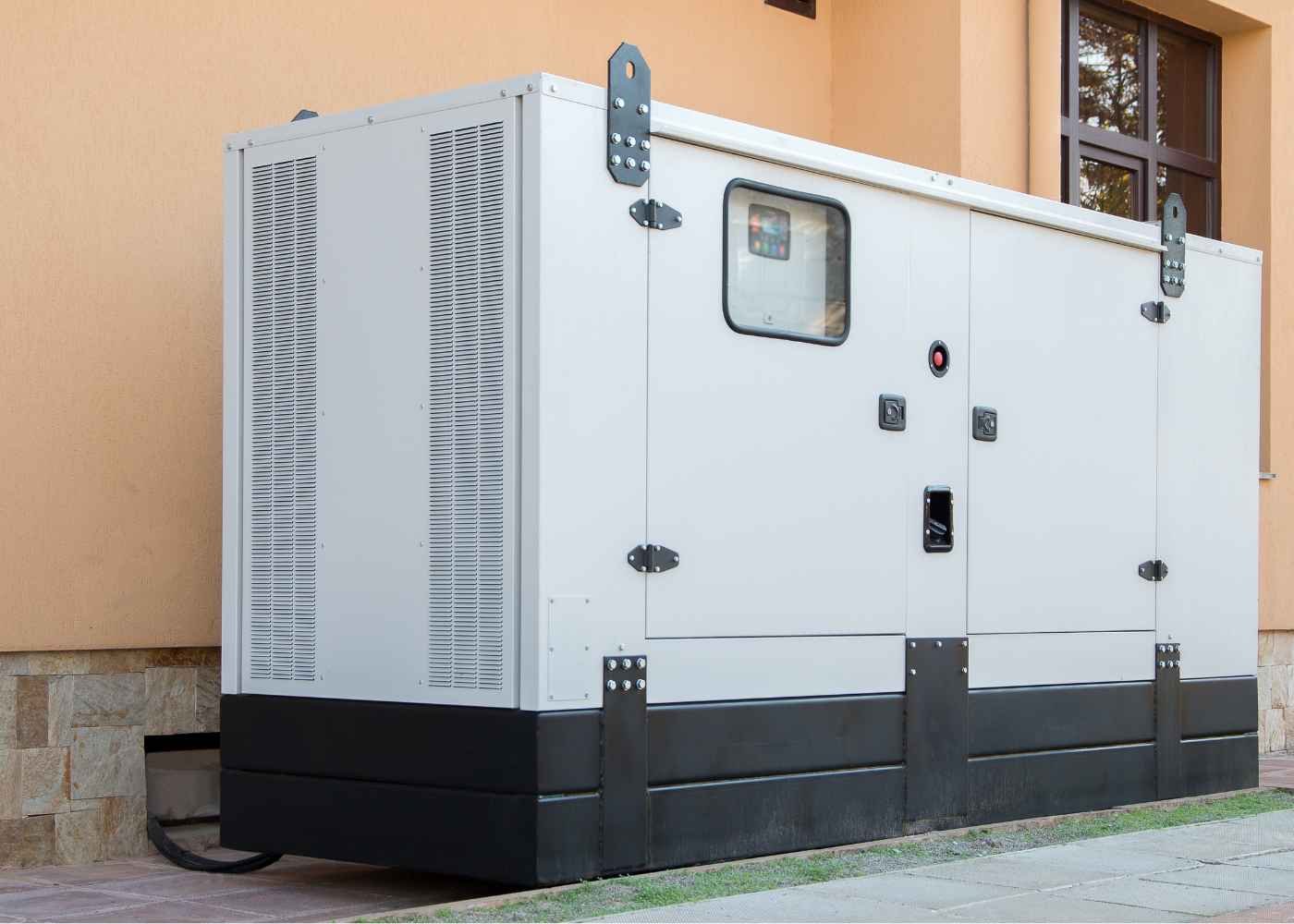
Why Residential Generator Installation Is a Smart Investment
Power outages have become increasingly common across the country as aging electrical infrastructure struggles to meet growing demand while severe weather events intensify in frequency and severity. What once might have been occasional inconveniences lasting a few hours now regularly extend into days or even weeks, particularly in areas affected by hurricanes, ice storms, wildfires, and other extreme weather.
Power outages have become increasingly common across the country as aging electrical infrastructure struggles to meet growing demand while severe weather events intensify in frequency and severity. What once might have been occasional inconveniences lasting a few hours now regularly extend into days or even weeks, particularly in areas affected by hurricanes, ice storms, wildfires, and other extreme weather.
The consequences of extended power loss extend far beyond simple discomfort, threatening food supplies, medical equipment functionality, home security systems, and even structural integrity when heating or cooling systems fail during temperature extremes. Understanding why residential generator installation represents a smart investment rather than a luxury expense reveals how backup power protects families, properties, and financial interests in ways that justify initial costs many times over.
Protection of Food and Medicine
Extended power outages result in total loss of refrigerated and frozen food, with typical families losing hundreds of dollars worth of groceries during outages exceeding 24 hours. Refrigerators maintain safe temperatures for only four hours without power, while freezers last approximately 48 hours if kept closed. Once these thresholds pass, perishable items must be discarded to prevent foodborne illness, creating both financial loss and the inconvenience of restocking entire kitchens.
For families with members requiring refrigerated medications like insulin, certain antibiotics, or biologics, power loss creates genuine medical emergencies. These medications become ineffective or dangerous when temperature-controlled storage is interrupted, potentially leaving patients without critical treatments. Residential generator installation eliminates these concerns by maintaining refrigeration indefinitely, protecting both food investments and essential medications regardless of outage duration.
The peace of mind knowing your family's nutritional needs and medical requirements remain secure during emergencies justifies generator investment for many homeowners. This protection proves particularly valuable in areas experiencing frequent outages or during extended storm seasons when multiple outages might occur within short periods.
Home Security and Safety System Functionality
Modern homes depend on electricity for security systems, cameras, smart locks, and lighting that deter criminal activity and protect families. Power outages disable these protective measures, leaving properties vulnerable precisely when neighborhood supervision decreases as residents evacuate or hunker down during storms. Criminals recognize these vulnerability windows and may target darkened neighborhoods, knowing alarm systems are non-functional.
Backup generators maintain security system operation, ensuring continuous monitoring, recording, and alerting capabilities throughout outages. Exterior lighting powered by generators signals that homes remain occupied and protected, discouraging opportunistic crime. Interior lighting provides safety for family members navigating homes in darkness, and projects an occupied appearance that deters break-ins.
Sump pumps protecting basements from flooding require power to function, with failures during storms potentially causing thousands of dollars in water damage. Generator power keeps these critical systems operational during the weather events most likely to create flooding conditions. Similarly, heating systems preventing frozen pipes during winter outages and air conditioning protecting vulnerable family members during summer power losses both depend on backup power for operation.
Preservation of Home Comfort and Normalcy
Extended power outages disrupt daily routines and create stress that affects entire households. Children unable to complete homework, adults unable to work remotely, and families without entertainment options or communication capabilities experience frustration that compounds as outages extend. Hot water for showers, cooking capabilities, climate control, and internet connectivity all disappear without power, reducing the quality of life significantly.
Residential generator installation maintains household normalcy during outages, allowing families to continue daily activities with minimal disruption. Remote workers can maintain productivity without losing income or using precious vacation days. Students complete assignments on schedule. Families remain connected to information sources and communication networks rather than feeling isolated during emergencies.
This continuation of normal life proves particularly valuable for families with young children, elderly members, or individuals with special needs who struggle with routine disruptions. The reduced stress and maintained comfort during already-challenging emergency situations provide psychological benefits complementing the practical advantages of backup power.
Property Value Enhancement and Market Appeal
Homes equipped with permanently installed generators command premium prices and attract serious buyers in competitive real estate markets. Prospective purchasers recognize the value of backup power, particularly in regions experiencing frequent outages or areas where climate-related power disruptions are projected to increase. Generator presence signals that homes are well-maintained and equipped to handle emergencies, appealing to safety-conscious buyers.
The investment in residential generator installation typically returns significant portions of initial costs through increased home values when properties sell. Even if homeowners never experience major outages requiring generator use, the installation enhances property marketability and provides selling points differentiating listings from competing properties.
Modern generators operating on natural gas or propane provide cost-effective, reliable backup power that activates automatically during outages without requiring homeowner intervention, delivering protection whether families are home or traveling when power failures occur.
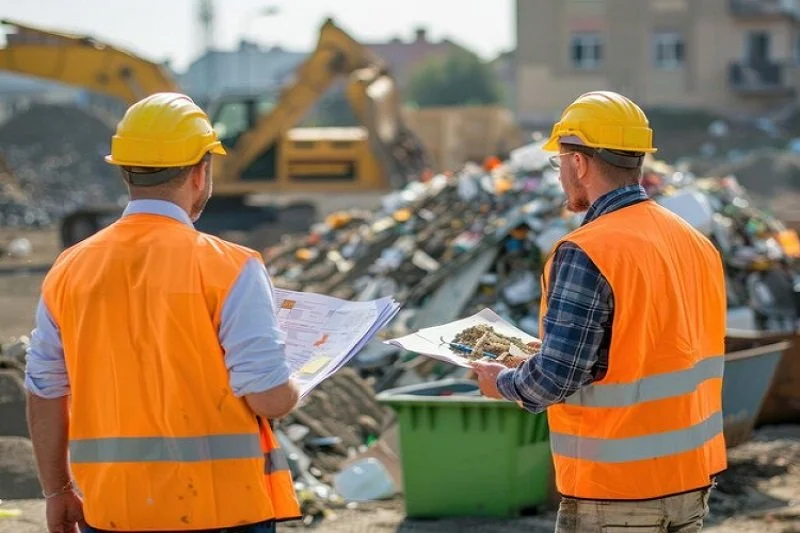
How Construction Waste Management Services Improve Site Safety
Have you ever walked onto a construction site and noticed piles of debris scattered everywhere? Does the sight of tangled materials, broken timber, and discarded packaging make you wonder how anyone works safely in such conditions? What if the key to reducing workplace injuries was simpler than you thought?
Have you ever walked onto a construction site and noticed piles of debris scattered everywhere? Does the sight of tangled materials, broken timber, and discarded packaging make you wonder how anyone works safely in such conditions? What if the key to reducing workplace injuries was simpler than you thought?
Construction sites are inherently busy, chaotic places. With multiple trades working simultaneously, heavy machinery operating constantly, and materials arriving daily, it's easy for waste to accumulate quickly. However, what many site managers overlook is the direct connection between proper waste management and worker safety. When rubbish piles up unchecked, it creates hidden dangers that can lead to serious injuries—or worse.
In this article, we'll explore how professional construction waste management services do far more than simply remove rubbish. You'll discover the real safety risks lurking in poorly managed waste, learn about your legal obligations under Australian law, and understand why investing in proper waste removal is one of the smartest decisions you can make for your project. Whether you're a site supervisor, project manager, or contractor, this guide will show you how smarter waste management leads to safer worksites.
Understanding Construction Waste Management Services
What Are Construction Waste Management Services?
Construction waste management services handle the collection, sorting, transport, and disposal of all materials generated during building projects. These providers work alongside construction teams to keep sites clean, compliant, and safe throughout every stage of a project.
Professional waste management goes beyond simply dropping off a skip bin and collecting it when full. Quality providers offer tailored solutions that include regular scheduled pickups, waste segregation assistance, and guidance on handling hazardous materials. They understand the unique challenges of construction environments and adapt their services accordingly.
Types of Waste Commonly Found on Australian Construction Sites
Australian construction sites generate an enormous variety of waste materials. Common types include concrete, bricks, timber offcuts, plasterboard, metal scraps, packaging materials, and soil. Each requires different handling and disposal methods.
Beyond these everyday materials, sites often produce hazardous waste such as asbestos, lead-based paint, chemicals, and contaminated soil. These substances demand specialised handling to protect workers and the environment. Understanding what waste your site generates is the first step toward managing it properly.
How Do Waste Management Companies Handle Construction Debris?
Professional waste management companies use systematic approaches to handle construction debris efficiently. They typically provide appropriately sized bins for different waste streams, arrange regular collection schedules, and transport materials to licensed facilities.
Many providers prioritise recycling, diverting materials like concrete, metals, and timber from landfill. This approach benefits both the environment and your project's sustainability credentials. The best providers also offer detailed reporting, helping you track waste volumes and demonstrate compliance with regulations.
The Real Safety Risks of Poor Waste Management on Site
Slip, Trip and Fall Hazards
Cluttered worksites are breeding grounds for slip, trip and fall accidents. Loose timber, tangled cables, scattered packaging, and debris-covered walkways create constant hazards for workers moving around the site.
These incidents aren't minor inconveniences—they're among the most common causes of construction injuries in Australia. A worker tripping over discarded materials could suffer anything from minor bruises to broken bones or head injuries. Regular waste removal eliminates these hazards before they cause harm.
Fire Risks from Combustible Materials
Accumulated combustible materials pose serious fire risks on construction sites. Timber offcuts, cardboard packaging, foam insulation, and chemical containers can ignite quickly, especially during hot work activities like welding or grinding.
Construction site fires spread rapidly and can cause devastating damage to partially completed structures. More importantly, they endanger everyone on site. Proper waste management ensures combustible materials are removed promptly, reducing fire risk significantly.
Exposure to Hazardous Substances
Poor waste management increases the risk of workers encountering hazardous substances unexpectedly. Asbestos-containing materials, chemical residues, and contaminated debris require careful handling by trained professionals using appropriate protective equipment.
When hazardous waste isn't properly identified, segregated, and removed, workers may be exposed unknowingly. The health consequences can be severe and long-lasting, including respiratory conditions, chemical burns, and cancer. Professional waste management services ensure hazardous materials are handled correctly from identification through to disposal.
Equipment and Machinery Accidents
Scattered waste creates dangerous obstacles for heavy machinery operators. Excavators, forklifts, and trucks require clear pathways to operate safely. Debris on the ground can cause equipment to tip, slip, or strike workers.
Additionally, materials piled haphazardly may fall unexpectedly when disturbed by passing machinery. Keeping sites clear through regular waste removal protects both equipment operators and nearby workers from these preventable accidents.
How Professional Waste Removal Reduces Workplace Injuries
Why Is Proper Waste Disposal Important on Construction Sites?
Proper waste disposal directly reduces injury rates by eliminating physical hazards before they cause accidents. Clean sites allow workers to move freely, see clearly, and focus on their tasks without navigating obstacle courses of debris.
Beyond immediate safety benefits, good waste management practices create a culture of professionalism and care. When workers see management prioritising site cleanliness, they're more likely to take safety seriously themselves. This positive cycle reinforces safe behaviours across the entire team.
Creating Clear Walkways and Emergency Access Points
Emergency situations require rapid response. Ambulances, fire crews, and rescue teams need unobstructed access to reach injured workers or control dangerous situations. Waste blocking pathways can delay critical responses when seconds matter.
Regular waste removal maintains clear walkways and access routes throughout the project. This ensures emergency services can reach any location quickly and workers can evacuate safely if necessary. It's a simple measure that could save lives.
Regular Skip Bin Collection and Site Cleanliness
Consistent skip bin collection prevents waste from accumulating to dangerous levels. Rather than allowing bins to overflow and debris to spread across the site, scheduled pickups maintain cleanliness continuously.
Professional providers work with you to determine appropriate collection frequencies based on your project's waste generation rates. During busy construction phases, more frequent collections keep pace with increased waste volumes, ensuring safety standards never slip.
Compliance and Legal Requirements in Australia
What Are the Legal Requirements for Construction Waste Disposal?
Australian environmental legislation sets strict requirements for construction waste disposal. The Environment Protection Acts in each state and territory regulate how waste must be handled, transported, and disposed of at licensed facilities.
Specific materials face additional regulations. Asbestos disposal, for example, requires licensed removalists and approved disposal sites. Chemical waste must be handled according to dangerous goods regulations. Working with professional waste management providers helps ensure you meet all applicable requirements.
Meeting Work Health and Safety (WHS) Obligations
Under WHS legislation, persons conducting a business or undertaking (PCBUs) must provide safe workplaces. This includes managing hazards created by construction waste. Failure to maintain clean, safe sites can result in regulatory action.
Safe Work Australia provides guidance on managing construction site hazards, including waste-related risks. Implementing proper waste management demonstrates your commitment to WHS obligations and protects workers from preventable injuries.
Avoiding Costly Fines and Project Delays
Non-compliance with waste disposal regulations can result in substantial fines. Environmental authorities actively monitor construction sites and investigate complaints. Penalties for illegal dumping or improper hazardous waste handling are severe.
Beyond financial penalties, regulatory investigations can delay projects significantly. Stop-work orders may halt construction entirely until issues are resolved. Investing in professional waste management avoids these costly disruptions.
The Role of Waste Segregation in Site Safety
How Does Separating Waste Improve Safety Outcomes?
Waste segregation involves separating different materials into distinct streams for appropriate handling. This practice improves safety by ensuring hazardous materials are identified and managed separately from general waste.
Segregation also reduces handling risks by keeping incompatible materials apart. Chemicals that might react dangerously are stored separately. Sharp materials go in designated containers. This systematic approach minimises accidents during waste handling and collection.
Handling Asbestos and Other Hazardous Materials Safely
Asbestos remains present in many Australian buildings undergoing renovation or demolition. Disturbing asbestos-containing materials releases dangerous fibres that cause serious lung diseases and cancer.
Professional waste management providers understand asbestos regulations and work with licensed removalists to ensure safe handling. They also manage other hazardous materials including lead paint, PCBs, and contaminated soils according to strict safety protocols.
Benefits Beyond Safety: Cost Savings and Sustainability
How Can Construction Waste Management Save Money?
Effective waste management reduces costs through multiple mechanisms. Fewer workplace injuries mean lower workers' compensation premiums and reduced project delays. Avoiding regulatory fines protects your bottom line directly.
Additionally, recycling valuable materials like metals, concrete, and timber generates returns that offset disposal costs. Some providers offer competitive pricing for recyclable waste streams, making responsible disposal economically attractive.
Environmental Responsibility and Recycling Initiatives
Modern construction waste management emphasises recycling and resource recovery. Concrete is crushed for road base, metals are melted for reuse, and timber is chipped for mulch or biomass energy.
These practices reduce landfill volumes and conserve natural resources. Clients increasingly value environmental responsibility, making sustainable waste management a competitive advantage for construction companies.
Choosing the Right Construction Waste Management Partner
What Should You Look for in a Waste Management Service?
Look for providers with experience in construction environments and appropriate licences for handling all waste types of your project generates. Check their safety record and ask about their approach to hazardous materials.
Reliability matters enormously missed collections create safety hazards quickly. Choose providers with proven track records for consistent, timely service. Flexible scheduling that adapts to your project's changing needs is also valuable.
Questions to Ask Before Hiring a Provider
Before engaging a waste management provider, ask about their licensing, insurance, and safety procedures. Request references from similar construction projects and follow up with those contacts.
Clarify pricing structures, including any additional charges for hazardous waste or emergency collections. Understand their recycling capabilities and ask for reporting on waste volumes and diversion rates.
Prioritising Safety Through Smarter Waste Management
Throughout this article, we’ve highlighted how effective construction waste management plays a vital role in maintaining safe worksites. From reducing trip and slip hazards to ensuring the compliant handling of hazardous materials, professional waste removal helps minimise risks that could otherwise lead to serious injuries or delays.
While the link between site cleanliness and safety is straightforward, it’s often underestimated when deadlines loom. Partnering with experienced waste management providers not only protects your workforce and supports compliance with Victorian regulations but can also improve efficiency and reduce unnecessary costs. Added environmental benefits make responsible waste handling an even stronger business decision.
If you’re reviewing your current approach, now is the right time to explore reliable construction waste management services in Melbourne that prioritise safety, compliance, and sustainability across every stage of your project.
Ultimately, every construction professional shares responsibility for creating safer working environments. Treating waste management as a core part of site operations—not an afterthought—shows genuine commitment to worker wellbeing. Take action today by assessing your waste processes and making improvements where needed. Your team—and your project outcomes—will benefit.