

A resource for those seeking information on organizing and transforming spaces.

5 Signs Your Home Would Benefit From a Water Filtration System
Clean water is essential for everyday living, yet many households overlook the signs that their tap water may not be as pure as it should be. From strange tastes to hidden contaminants, water quality can affect your health, comfort, and even the longevity of your appliances.
Clean water is essential for everyday living, yet many households overlook the signs that their tap water may not be as pure as it should be. From strange tastes to hidden contaminants, water quality can affect your health, comfort, and even the longevity of your appliances.
If you’ve been questioning whether your home needs a filtration system, here are five detailed signs that suggest it’s time to make the investment.
Your Tap Water Has an Unpleasant Taste or Odor
Water should taste fresh and clean, but many homeowners notice metallic, chemical, or earthy flavors when they pour a glass from the tap. Chlorine, sulfur, or excess minerals are often responsible for these unpleasant tastes and smells. While municipal water systems treat water to meet safety standards, they don’t always remove everything that affects flavor.
Over time, this can discourage you from drinking enough water, which impacts your health. A home water filtration system can remove these impurities, giving you water that is crisp, refreshing, and enjoyable to drink.
You Notice Stains or Buildup on Fixtures and Dishes
Hard water is a common issue in many regions, and it leaves behind visible signs. White spots on glassware, chalky residue on faucets, or rust-colored stains in sinks and tubs are all indicators of mineral-heavy water. These deposits don’t just look unsightly—they can clog pipes, reduce water pressure, and shorten the lifespan of appliances like dishwashers and washing machines.
Over time, the costs of repairs and replacements add up. Installing a filtration system designed to handle hard water can reduce buildup, protect your plumbing, and keep your home looking cleaner with less effort.
Your Skin and Hair Feel Dry After Showering
If you feel that your skin feels tight or even itchy right after showering, or your hair turns dull and brittle, your water may be to blame. Hard water and chlorine strip away natural oils, leaving your body dry and uncomfortable. Even with moisturizers and conditioners, the problem often persists because the root cause is in the water itself.
By filtering out excess minerals and chemicals, a water filtration system can make showers gentler on your skin and hair. This small change can improve your daily routine, helping you feel more comfortable and confident.
You’re Concerned About Contaminants and Health Risks
Water that looks clear isn’t always safe. Contaminants such as lead from aging pipes, pesticides from agricultural runoff, or bacteria from local sources can sometimes enter household water supplies. These issues vary by region, but they can pose serious health risks if left untreated. Families with children, elderly members, or anyone with health concerns should be especially cautious.
A home water filtration system provides peace of mind by reducing harmful substances and ensuring that the water you drink and cook with is safe. It’s a proactive step toward protecting your family’s long-term health.
Your Household Relies Heavily on Tap Water
If your family drinks tap water daily, cooks with it, and uses it for making coffee, tea, or baby formula, the quality of that water becomes even more important. The more you rely on tap water, the greater your exposure to any impurities it contains.
By installing a filtration system, you’re not only improving taste and safety but also making a long-term investment in your household’s well-being. Clean water supports better hydration, healthier meals, and overall confidence in the water you use every day.
Conclusion
Water is at the heart of daily life, and its quality affects everything from your health to your home’s upkeep. Strange tastes, stains, dryness, or concerns about contaminants are all signs that your household could benefit from a water filtration system.
By addressing these issues now, you can enjoy cleaner, safer water while protecting your family and your home. Pure water isn’t just a convenience—it’s a necessity, and investing in it ensures peace of mind for years to come.
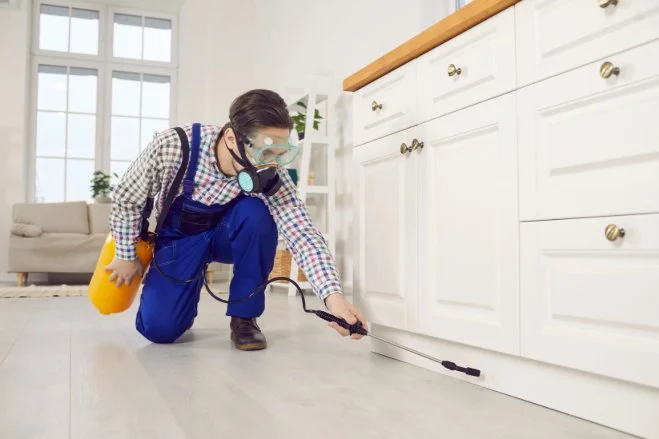
7 Warning Signs You Need Professional Pest Control Now
Pests are far more than a minor inconvenience in the home. Left unchecked and with enough time, they can cause serious property damage, spread dangerous diseases, and reproduce at alarming rates that turn a small problem into a full-blown infestation. That’s why the key to protecting your home and family is early detection. Recognizing the warning signs early can save you thousands in repairs and prevent health hazards. Here are the most common indicators that it's time to call in professional pest control.
Pests are far more than a minor inconvenience in the home. Left unchecked and with enough time, they can cause serious property damage, spread dangerous diseases, and reproduce at alarming rates that turn a small problem into a full-blown infestation. That’s why the key to protecting your home and family is early detection. Recognizing the warning signs early can save you thousands in repairs and prevent health hazards. Here are the most common indicators that it's time to call in professional pest control.
Visible Pests in Your Living Spaces
If you're seeing insects or rodents during daylight hours, you likely have a much larger problem hiding out of sight. Most pests are nocturnal and avoid human contact, so daytime sightings suggest their population has grown so large that they're competing for space and resources. Frequent encounters with ants, cockroaches, spiders, or rodents scurrying across your floors mean the infestation has reached a critical point. Spotting larger wildlife like bats or raccoons inside your home requires immediate professional intervention.
Droppings, Tracks, or Nesting Materials
Discovering rodent droppings in your cabinets, drawers, or along baseboards is a clear sign that pests have moved in and are actively living in your home. Look for shredded paper, torn insulation, or fabric scraps tucked away in dark corners—these are telltale nesting materials. Grease marks or tracks along walls and floors indicate regular pest pathways. These signs don't just suggest pests are visiting; they confirm they've established residence and are breeding.
Strange Noises or Odors
Pay attention to unusual sounds in your home. Scratching, scurrying, or tapping noises coming from walls, ceilings, or attics—especially at night—typically indicate rodents or other pests moving through your home's structure. Musty or ammonia-like odors are often associated with rodent urine or cockroach infestations. Any unexplained foul smell could point to hidden nests or even dead pests decomposing inside your walls, both of which pose serious health risks and require professional removal.
Property Damage or Structural Changes
Pests can wreak havoc on your home's structure and belongings. Chewed electrical wires, gnawed wood, or damaged furniture indicate rodent or termite activity. Finding holes in walls, floors, or food packaging is another red flag. More concerning are signs like sagging floors, hollow-sounding wood when tapped, or peeling paint—these often indicate termite damage that's compromising your home's structural integrity. Such damage demands immediate professional assessment before it becomes catastrophic and expensive.
Bites, Rashes, or Allergic Reactions
Waking up with unexplained bites could mean you're sharing your bed with bed bugs, fleas, or mites. These parasitic pests can cause significant discomfort and spread disease. Additionally, increased allergy symptoms like sneezing, coughing, or respiratory issues may result from exposure to pest droppings or dander. Identifying and eliminating the source quickly is crucial to preventing ongoing health problems for you and your family.
Increased Pest Activity Around the Exterior
What's happening outside your home often predicts what's coming inside. Ant mounds near your foundation, wasp nests under eaves, or termite tubes climbing your exterior walls are warnings that pests are establishing colonies dangerously close to your living space. Rodent burrows around your yard or garage indicate they're looking for ways inside. Outdoor pest activity frequently signals an impending indoor invasion.
DIY Methods Aren't Working
If you've tried store-bought traps, sprays, or baits with little to no improvement, it's time to admit defeat. Pests that return shortly after treatment or seem unaffected by your efforts indicate a deeper, more extensive problem than surface-level solutions can address. Repeated failed DIY attempts waste time and money while the infestation grows worse.
When you notice any of these warning signs, quick action is essential. Don't wait for the problem to escalate. Schedule a professional pest control inspection, such as with a company like Highland Pest Control, at the first indication of trouble. Professional treatment doesn't just eliminate current infestations—it protects your health, preserves your property value, and restores your peace of mind. Your home is your biggest investment; protect it before pests turn a minor issue into a major disaster.
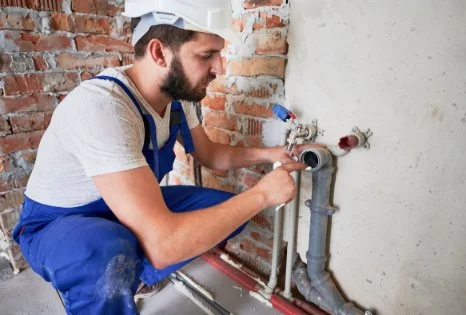
What Homeowners Need to Know About Sewer System Replacement
A functioning sewer system is one of the most critical components of any home, quietly carrying wastewater away from your living spaces every single day. When this system fails, the consequences extend far beyond inconvenience—sewer line problems can cause extensive property damage, create serious health hazards, and lead to expensive emergency repairs. Understanding the warning signs, replacement options, and what to expect during the process empowers homeowners to make informed decisions before a minor issue becomes a catastrophic failure.
A functioning sewer system is one of the most critical components of any home, quietly carrying wastewater away from your living spaces every single day. When this system fails, the consequences extend far beyond inconvenience—sewer line problems can cause extensive property damage, create serious health hazards, and lead to expensive emergency repairs. Understanding the warning signs, replacement options, and what to expect during the process empowers homeowners to make informed decisions before a minor issue becomes a catastrophic failure.
Understanding the Role of Your Sewer System
Your sewer line is the underground pipeline that transports all wastewater from your home to either the municipal sewer system or your septic tank. Older homes often have sewer lines made from materials like clay, cast iron, or Orangeburg pipe. These are materials that can deteriorate over time. Modern installations use durable PVC or ABS plastic designed for longevity. Unfortunately, even the best systems aren't immune to problems. Age, shifting soil conditions, and invasive tree roots are common culprits in sewer line failures, necessitating replacement after decades of service.
Signs Your Sewer System May Need Replacement
Several warning signs indicate your home’s sewer line is failing. Frequent drain clogs or slow drains throughout multiple areas of your home suggest a main line blockage. Sewage backups in bathtubs, toilets, or floor drains are serious red flags requiring immediate attention. Foul sewage odors inside or around your property signal breaks or leaks in the line. Notice unusually lush, soggy patches in your yard? This often indicates wastewater is leaking underground. Gurgling sounds from your pipes when water drains also point to ventilation or blockage issues. When these problems recur despite repairs, more serious structural damage is likely the cause.
Common Causes of Sewer Line Failure
Tree roots are one of the biggest threats to sewer lines. Seeking out moisture and nutrients, roots can penetrate tiny cracks and then expand, eventually crushing or completely blocking pipes. Older metal sewer lines face a different enemy: corrosion. Over time, the material breaks down from the inside out, creating holes and weak spots that eventually fail.
The ground itself can also cause problems. Shifting soil from natural settling, earthquakes, or nearby construction can crack pipes or push them out of proper alignment. Sometimes the issue is simply age—clay and cast iron pipes were built to last, but even they wear out after 50 to 100 years of constant use. In some cases, the original installation was flawed, with improper grading or outdated methods that led to premature failure regardless of the materials used.
From Inspection Through Completion: What to Expect
The process starts with a licensed plumber using a camera to inspect your home’s sewer line from inside. This video inspection reveals cracks, blockages, and root damage, helping determine whether you need spot repairs or full replacement. Your plumber will factor in pipe depth, length, accessibility, and permit requirements when providing your estimate.
Most replacements take one to five days. Contractors protect your property with plywood pathways and carefully preserve your landscaping where possible. They follow safety protocols like properly shoring trenches and marking underground utilities.
After installing the new line, contractors test the entire system with pressure tests and camera inspections to ensure everything works perfectly before restoring your yard.
Traditional vs. Trenchless
Homeowners typically choose between two replacement methods. Traditional excavation involves digging a trench along the entire sewer line path to remove and replace the damaged pipe. While this provides complete visibility and allows total pipe replacement, it's disruptive, time-consuming, and more expensive due to extensive landscaping restoration afterward.
Trenchless methods like pipe bursting or pipe lining offer modern alternatives. These techniques require minimal digging—usually just small access points—and can be completed much faster with significantly less landscape damage. However, trenchless solutions aren't suitable for every situation, particularly when pipes have completely collapsed or are severely misaligned. Your plumber will assess your specific circumstances to recommend the most appropriate method.
Preparing for a Sewer Line Replacement
Before work begins, clear access routes to your yard or basement. Understand local permit requirements, as most municipalities require inspections and approvals for sewer work. Discuss detailed timelines and expectations with your contractor upfront. Plan for temporary disruptions to water use during critical phases of installation, and arrange alternative bathroom facilities if necessary.
Long-Term Benefits of Replacing Your Sewer System
A new sewer line dramatically improves plumbing performance, eliminating chronic clogs and slow drains. It increases your home's value and provides buyer confidence during future sales. Most importantly, replacement reduces the risk of devastating sewage backups and emergency repairs that often occur at the worst possible times. You'll enjoy peace of mind knowing your system meets modern standards and will reliably serve your household for decades.
Addressing sewer issues at the first sign of trouble prevents small problems from escalating into expensive disasters. Schedule a professional inspection with companies like Duvall Plumbing Co - Tulsa when you notice warning signs. A properly replaced sewer system is an investment that protects your home, safeguards your family's health, and preserves your property's long-term value.
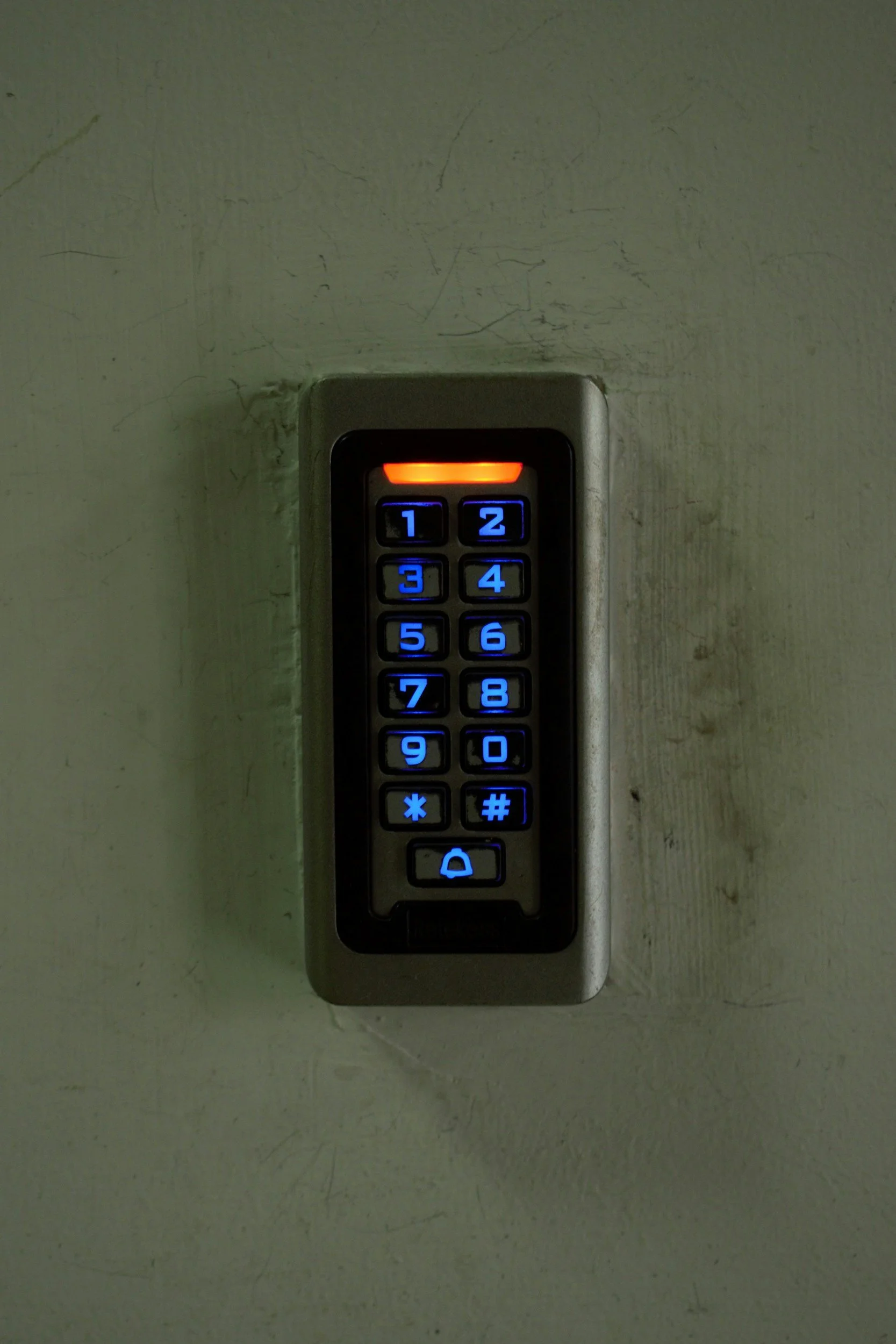
Gun Safes Aren’t Just for Firearms — Benefits Most Owners Overloo
Gun safes are commonly associated with firearm storage, but modern designs support much broader use. Current models regularly protect passports, property records, external hard drives, and jewelry in one controlled space. Features such as adjustable shelving, interior materials, and humidity control directly affect how well sensitive items remain intact, readable, and accessible over long periods.
We partnered with a home improvement company for this post. The opinions in the post are honest. All reviews and opinions expressed in this post are based on our personal views. We are excited because we know you will love it.
Gun safes are commonly associated with firearm storage, but modern designs support much broader use. Current models regularly protect passports, property records, external hard drives, and jewelry in one controlled space. Features such as adjustable shelving, interior materials, and humidity control directly affect how well sensitive items remain intact, readable, and accessible over long periods.
Using a single safe for multiple valuables simplifies household security and reduces reliance on scattered storage locations. Fire exposure, moisture buildup, and unauthorized access create overlapping risks that benefit from centralized protection. Choosing the right size, placement, locking method, and interior configuration allows one safe to handle varied assets efficiently while staying practical for everyday access.
Multi-Asset Security Beyond Firearms
Adjustable shelving and compartments let owners separate passports, titles, and electronics from hardware that can scratch or trap moisture. Many gun safes for sale now include removable trays and dividers that prevent metal edges from contacting paper, while small desiccant packs reduce humidity risk inside sealed storage. Organizing contents by item type and access frequency cuts search time and removes the need for extra drawers or off-site boxes.
Labeling shelves and storing originals in protective sleeves speeds retrieval while preserving condition. Anchoring heavier sections near the floor lowers tipping risk and keeps delicate records away from tool-grade gear. Planning internal zones based on access frequency keeps the safe practical, organized, and easy to maintain over time.
Fire Ratings Applied to Real Loss Prevention
Label fire times such as 90 minutes at 1200°F appear on many safe spec sheets. Those test numbers are measured under controlled conditions and often omit heat transfer from steam or nearby burning materials.
Choose a rating that aligns with typical emergency response times in your area and add small fire-resistant pouches for papers and drives to reduce heat and steam damage. For example, a 60-90 minute rating paired with pouches often keeps documents readable after a structure fire. Exterior wall positions, basements, and garages expose a safe differently than interior closets. Add insulation around the unit and choose a location that limits exposure during local fires.
Physical Theft Resistance Through Delay
Heavy safes bolted into a concrete slab make removal impractical without power tools and teamwork, which makes intrusion take longer. Robust lock types such as high-security mechanical or UL-rated electronic locks limit common attack methods and slow forced-entry attempts. Wider bolts and reinforced hinge plates add measurable delay that deters opportunistic thieves.
Placing the unit against interior walls or inside closets reduces visibility from windows and street-level sight lines. Anchoring into reinforced framing prevents lifting, and connecting the safe to a monitored alarm shortens response windows. Pair placement with a visible deterrent such as security film on nearby windows to make attempts less practical.
Controlled Access for Shared Households
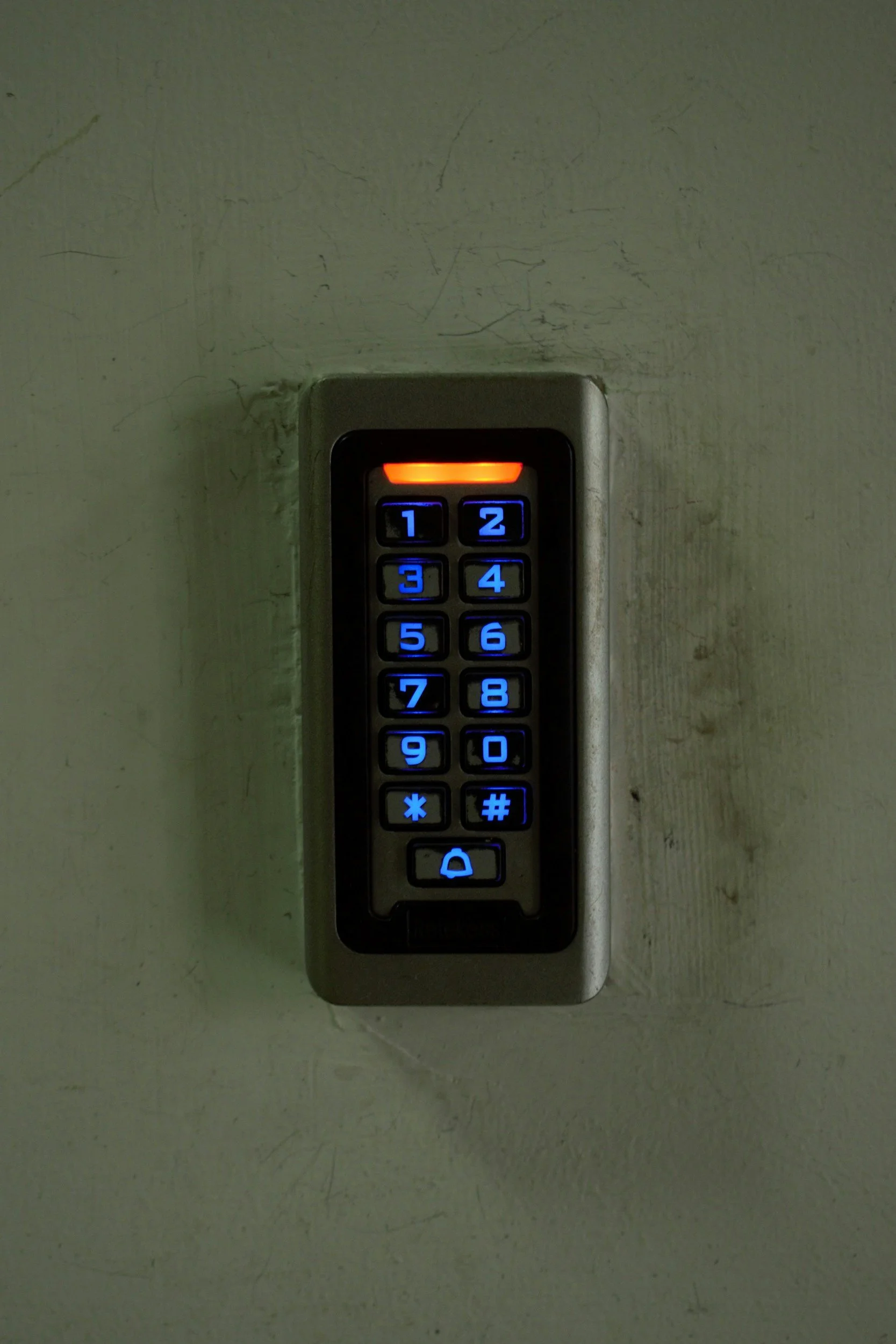
A keypad or biometric reader lets each adult use a personal code or fingerprint to open the safe. Use per-user credentials instead of a single shared combination so access can be revoked or tracked without changing mechanical locks, and give tiered permissions when needed so some users only reach specific internal zones.
Treat code assignment as part of household policy and record who has access, change codes when people leave, and use audit logs where available to verify access. Check batteries seasonally, keep a sealed backup key, and schedule quarterly code reviews as part of routine home maintenance, and document any access changes.
Ongoing Value From One-Time Investment
Long-term value improves when a safe supports reconfiguration without replacement. Modular interiors with adjustable shelves, removable trays, and accessory panels allow storage to shift as priorities change. Dedicated document sleeves, media drawers, and jewelry inserts protect mixed materials while keeping frequently used items accessible. Integrated humidity systems and space for rechargeable desiccants support stable conditions for paper and electronics.
Administrative planning reinforces durability and resale value. Keeping a dated inventory, purchase receipt, and serial numbers inside the unit supports insurance claims and ownership verification. For instance, recording added shelves, upgraded locks, or interior kits allows insurers to assess coverage accurately and helps future buyers evaluate condition. This approach preserves usability and financial value over time.
A well-planned safe setup supports far more than basic storage when key features are chosen intentionally. Appropriate fire ratings, secure anchoring, and dependable lock systems help limit loss from heat, moisture, and unauthorized access. Interior organization, modular shelving, and humidity management protect documents, electronics, and valuables while keeping retrieval simple. Clear access rules and routine code reviews maintain control in shared households. With periodic inventory updates and small interior adjustments, one properly selected unit continues to adapt as needs change, delivering consistent protection, better organization, and long-term value from a single investment.