

A resource for those seeking information on organizing and transforming spaces.
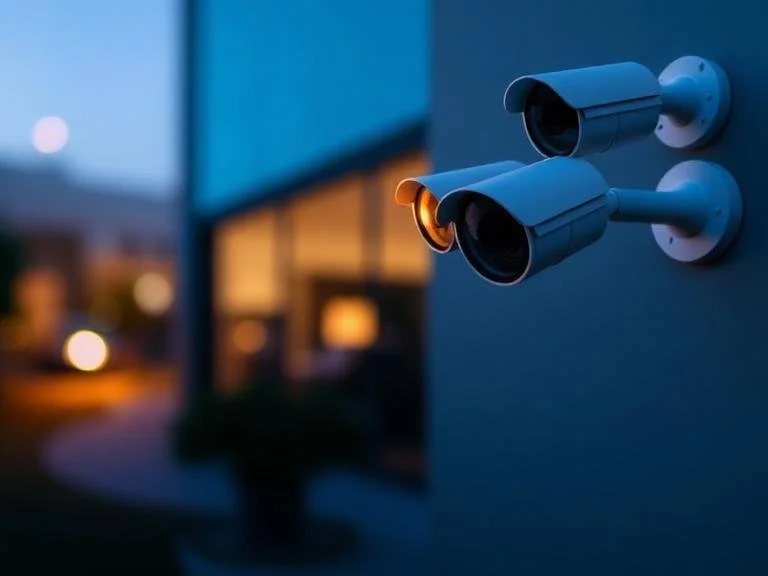
Security Systems Trends in 2026: Smarter and Safer Technology Solutions
Have you noticed how security technology has completely transformed over the past few years? Remember when a simple deadlock and maybe a basic alarm system felt like adequate protection for your home or business? Those days are well and truly behind us. So what's actually changing in the security landscape, and how can you stay ahead of potential threats in 2026?
Have you noticed how security technology has completely transformed over the past few years? Remember when a simple deadlock and maybe a basic alarm system felt like adequate protection for your home or business? Those days are well and truly behind us. So what's actually changing in the security landscape, and how can you stay ahead of potential threats in 2026?
The security industry is experiencing a remarkable shift towards intelligent, connected systems that do far more than just sound an alarm. We're talking about technology that learns your routines, spots unusual behaviour before it becomes a problem, and puts control directly in your hands—no matter where you are in the world. From artificial intelligence that can distinguish between your family pet and an intruder to cloud-based platforms managing multiple business locations, the options available to Australian homeowners and businesses have never been more sophisticated.
In this article, we'll explore the biggest security technology trends shaping 2026, examine how AI is revolutionising home protection, and help you determine whether smart security systems are worth your investment. Plus, we'll look at budget-friendly upgrades, address privacy concerns, and peek into what the future holds beyond 2026. Whether you're protecting a family home in suburban Melbourne or securing a commercial operation in Brisbane, you'll find practical insights to guide your security decisions.
What Are the Biggest Security Technology Trends for 2026?
AI-Powered Surveillance and Threat Detection
Artificial intelligence has moved well beyond the experimental phase. In 2026, AI-powered surveillance systems are becoming the standard rather than the exception. These clever systems analyse video footage in real-time, identifying potential threats with remarkable accuracy. They can differentiate between a delivery driver, a family member, and someone behaving suspiciously—reducing false alarms dramatically.
What makes this technology particularly impressive is its ability to learn and adapt. The more data these systems process, the better they become at recognising patterns specific to your property. This means fewer notifications about the neighbour's cat and more meaningful alerts when something genuinely requires your attention.
Cloud-Based Security Management
Gone are the days of bulky DVR systems tucked away in cupboards. Cloud-based security management has become the backbone of modern protection systems. This approach allows you to store footage securely off-site, access your cameras from anywhere, and receive automatic software updates without lifting a finger.
For Australian users, this means even if someone physically damages or steals your recording equipment during a break-in, your footage remains safe and accessible in the cloud. It's a game-changer for both evidence collection and peace of mind.
Integration of IoT Devices in Home and Business Security
The Internet of Things has created an interconnected security ecosystem that would have seemed like science fiction a decade ago. Your security cameras now communicate with smart locks, motion sensors, and lighting systems to create a coordinated defence network.
Imagine your outdoor lights automatically switching on when cameras detect movement, while simultaneously sending an alert to your phone and beginning video recording. This level of integration creates multiple layers of protection that work together rather than in isolation.
How Is Artificial Intelligence Changing Home Security Systems?
Smart Video Analytics and Facial Recognition
Smart video analytics have transformed passive cameras into active security partners. Modern systems can recognise familiar faces, alerting you when unexpected visitors arrive while allowing known family members to come and go without triggering notifications. This facial recognition technology has become increasingly reliable, even in challenging lighting conditions.
Beyond simply identifying faces, these systems analyse behaviour patterns. They can detect if someone is loitering near your property or attempting to conceal their identity—behaviours that often precede criminal activity.
Predictive Security: Stopping Threats Before They Happen
Perhaps the most exciting development in AI security is predictive capability. By analysing vast amounts of data, including local crime statistics, time patterns, and behavioural indicators, these systems can anticipate potential security risks and suggest preventive measures.
This proactive approach represents a fundamental shift from reactive security. Rather than simply documenting incidents after they occur, your system actively works to prevent them happening in the first place.
Voice-Activated Security Controls
Voice control has made security systems more accessible and convenient than ever. Integration with platforms like Google Home and Amazon Alexa means you can arm your system, check camera feeds, or lock doors using simple voice commands.
For Australian households, this hands-free control proves particularly useful when you're carrying groceries, managing children, or simply settling into bed for the night.
Are Smart Security Systems Worth the Investment in 2026?
Cost vs. Long-Term Savings
The upfront cost of smart security systems can seem significant, but the long-term picture tells a different story. Reduced false alarm callout fees, lower insurance premiums, and the prevention of costly break-ins all contribute to genuine savings over time.
Many Australian homeowners find their smart security investment pays for itself within a few years. Plus, these systems typically last longer than traditional alternatives due to regular software updates that keep them current.
Insurance Benefits for Australian Homeowners
Australian insurance providers increasingly recognise the value of smart security systems. Many offer premium discounts ranging from 5% to 20% for homes equipped with monitored alarm systems, security cameras, and smart locks.
Before purchasing, it's worth checking with your insurer about specific requirements and potential savings. Some providers have partnerships with particular security companies, offering additional benefits for approved systems.
Comparing Traditional vs. Smart Security Solutions
Traditional security systems still have their place, particularly for straightforward applications or extremely tight budgets. However, smart solutions offer flexibility, remote management, and intelligence that traditional systems simply cannot match.
The real question isn't whether smart security is better—it clearly offers more capabilities. The question is whether those additional features justify the investment for your specific situation.
What Features Should I Look for in a Modern Security System?
Remote Monitoring and Mobile App Integration
Any security system worth considering in 2026 must offer comprehensive mobile app integration. You should be able to view live and recorded footage, receive instant alerts, and control system settings from your smartphone wherever you are.
Look for apps with intuitive interfaces and reliable notification delivery. There's nothing more frustrating than a security alert that arrives ten minutes late or an app that crashes when you need it most.
Wireless and Battery-Powered Options
Wireless security devices have become incredibly reliable, eliminating the need for complex wiring throughout your property. Battery-powered cameras and sensors offer flexibility in placement and easier installation.
Modern batteries can last months or even years between charges, and many devices now support solar charging for truly maintenance-free operation. This is particularly appealing for Australian properties with plenty of sunshine.
Two-Way Communication and Real-Time Alerts
Two-way audio capability allows you to speak directly through your security cameras or video doorbells. This feature proves invaluable for everything from instructing delivery drivers where to leave packages to warning potential intruders that they're being recorded.
Real-time alerts ensure you're immediately informed of any activity, giving you the opportunity to respond appropriately—whether that means checking footage, contacting authorities, or simply acknowledging a false alarm.
Commercial Security Solutions: Protecting Australian Businesses
Access Control Systems and Biometric Technology
Modern commercial security extends far beyond traditional lock and key. Biometric access control—using fingerprints, facial recognition, or even iris scanning—provides precise control over who enters sensitive areas of your business.
These systems also create detailed access logs, helping with compliance requirements and investigating any security incidents.
Integrated Security Platforms for Multi-Site Operations
Businesses operating across multiple locations benefit enormously from integrated security platforms. Managing security for shops in Sydney, Melbourne, and Brisbane from a single dashboard streamlines operations and improves response times.
These platforms provide consistent security protocols across all sites while allowing for location-specific customisation where needed.
Cybersecurity and Physical Security Convergence
The line between physical and digital security has blurred considerably. Modern security strategies must address both domains, recognising that connected security devices can themselves become targets for cyber attacks.
Reputable security providers now incorporate robust cybersecurity measures, including encrypted communications and regular security updates, to protect both your physical premises and your data.
How Can I Improve My Home Security Without Breaking the Bank?
Budget-Friendly Smart Security Upgrades
You don't need to overhaul your entire security setup to benefit from smart technology. Start with high-impact, lower-cost additions like smart outdoor lighting, a video doorbell, or window and door sensors.
These entry-point devices often integrate with larger systems later, allowing you to build comprehensive protection gradually as your budget permits.
DIY Installation vs. Professional Security Installation
DIY installation has become increasingly viable thanks to wireless technology and user-friendly apps. Many modern systems are genuinely designed for self-installation, with clear instructions and responsive customer support.
However, professional installation remains worthwhile for complex setups or if you're uncomfortable with technology. Professionals can also advise on optimal camera placement and system configuration.
Privacy Concerns: Is Smart Security Technology Safe to Use?
Data Protection and Encryption Standards
Legitimate security providers employ bank-level encryption to protect your footage and personal data. When choosing a system, verify that it uses end-to-end encryption and stores data on secure, Australian-based servers where possible.
Regular software updates are essential for maintaining security, so choose providers with strong track records of ongoing support.
Australian Privacy Regulations and Compliance
Australian privacy laws govern how security footage can be collected, stored, and used. Understanding your obligations—particularly regarding recording public areas or neighbouring properties—helps ensure your security system remains compliant.
Reputable providers design their systems with Australian regulations in mind, making compliance straightforward for most users.
The Future of Security: What to Expect Beyond 2026
Looking ahead, we can expect even deeper AI integration, with systems becoming increasingly autonomous in their threat response. Drone-based security patrols, advanced predictive analytics, and seamless smart city integration are all on the horizon.
The fundamental direction is clear: security systems will continue becoming smarter, more connected, and more capable of protecting what matters most to you.
Choosing the Right Security System for Your Needs
We've covered considerable ground, from AI-powered surveillance and cloud-based management to budget-friendly upgrades and privacy considerations. The security landscape in 2026 offers more options than ever before, which can feel overwhelming but ultimately means there's a solution perfectly suited to your specific requirements.
The investment in smart security technology is worthwhile for most Australian homeowners and businesses. The combination of enhanced protection, convenience, and long-term savings makes a compelling case. However, the best system for you depends on your property, budget, and personal comfort with technology.
Start by assessing your most significant security concerns, then explore systems that address those specific needs. Whether you begin with a simple video doorbell or implement a comprehensive commercial solution, taking action to protect your property and loved ones is always a smart move. If you're looking for tailored security systems in Drouin, working with trusted local professionals can help you choose and install the right solution for your property. The technology has never been more accessible or effective—there's genuinely no better time to upgrade your security.
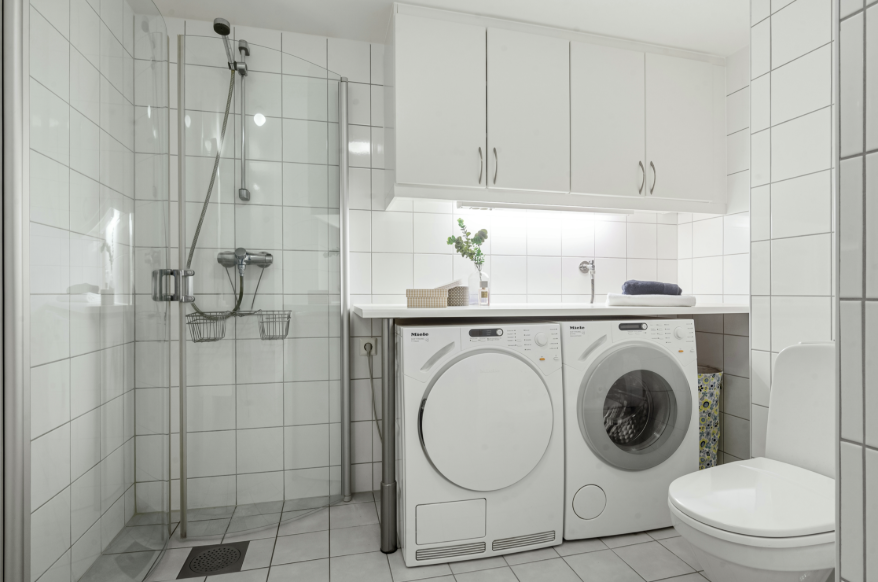
How to Keep Your Dryer Running at Peak Performance All Year Long
A clothes dryer is one of the most relied-upon appliances in any household. When it runs smoothly, it saves time, energy, and effort. But like any machine, it needs consistent care to stay efficient and safe. By following a few practical steps, you can keep your dryer performing at its best throughout the year.
A clothes dryer is one of the most relied-upon appliances in any household. When it runs smoothly, it saves time, energy, and effort. But like any machine, it needs consistent care to stay efficient and safe. By following a few practical steps, you can keep your dryer performing at its best throughout the year.
Clean the Lint Trap After Every Load
The lint trap is the first line of defense against clogs and overheating. Cleaning it after each cycle ensures proper airflow and reduces strain on the motor. A clogged lint screen forces the dryer to work harder, which can shorten its lifespan and increase energy use.
This simple habit takes seconds but makes a big difference in performance and safety. Over time, lint buildup can also create a fire hazard, so staying consistent with this step is one of the easiest ways to protect your home.
Clean and Maintain the Dryer Vent System
Your dryer’s vent system is responsible for carrying heat and moisture safely out of the appliance. As months go by, lint and debris can collect inside the ductwork, blocking airflow and increasing the risk of overheating or fire. Scheduling professional dryer vent duct cleaning at least once a year helps remove hidden buildup that regular cleaning can’t reach. This service not only improves efficiency but also protects your home from potential risks.
A clean vent system allows the dryer to operate with less strain, which means shorter drying times and lower energy bills. By relying on expert cleaning, you ensure that your dryer’s vent system remains safe, efficient, and capable of supporting peak performance all year long.
Check the Drum and Seals for Wear
The dryer drum and door seals play a key role in keeping heat inside during operation. If seals are worn or cracked, hot air escapes, forcing the dryer to run longer. Inspecting these parts regularly and replacing them when needed helps maintain consistent drying times and prevents unnecessary energy waste.
A well-sealed drum also ensures that clothes dry evenly, reducing the need for repeat cycles and helping fabrics last longer. By staying proactive with seal maintenance, you safeguard your dryer’s efficiency and extend its overall service life.
Keep the Exterior and Interior Clean
Dust and dirt can accumulate around the dryer’s exterior and inside the drum. Wiping down surfaces and vacuuming around the appliance prevents particles from entering the system. A clean dryer also reduces the chance of odors transferring to clothes.
Periodic deep cleaning of the drum ensures fabrics come out fresh and lint-free. Taking the time to clean both the inside and outside of the dryer helps it run more smoothly and keeps your laundry area looking neat.
Monitor Drying Times for Efficiency
Longer drying cycles are often a sign of restricted airflow or worn components. If you notice clothes taking longer to dry, it’s time to troubleshoot. Start by checking the lint trap and vent system, then move on to seals and heating elements.
Addressing issues early prevents costly repairs and keeps the dryer running smoothly. Paying attention to drying times also helps you spot problems before they become serious, saving both money and frustration.
Schedule Regular Professional Maintenance
While routine cleaning is essential, professional servicing provides a deeper level of care. Technicians can inspect electrical connections, heating elements, and safety features to ensure everything is working properly.
Annual maintenance helps extend the dryer’s lifespan and gives you peace of mind that your appliance is safe and efficient. Professional checkups are especially important for older dryers, which may need more frequent attention to stay reliable.
Use the Dryer Responsibly to Prevent Strain
Overloading the dryer or running back-to-back cycles without breaks can strain the motor and heating system. Following manufacturer guidelines for load size and giving the dryer time to cool between cycles helps prevent overheating.
Responsible use not only protects the appliance but also improves drying results. By treating the dryer with care, you can avoid unnecessary wear and keep it performing well for years. Consistently practicing these habits ensures your dryer remains dependable, efficient, and ready to handle everyday laundry needs without interruption.
Conclusion
Keeping your dryer at peak performance all year long comes down to consistent care and smart habits. From cleaning the lint trap to scheduling professional dryer vent duct cleaning, each step contributes to efficiency, safety, and longevity. With regular attention and responsible use, your dryer will continue to serve your household reliably for years to come.
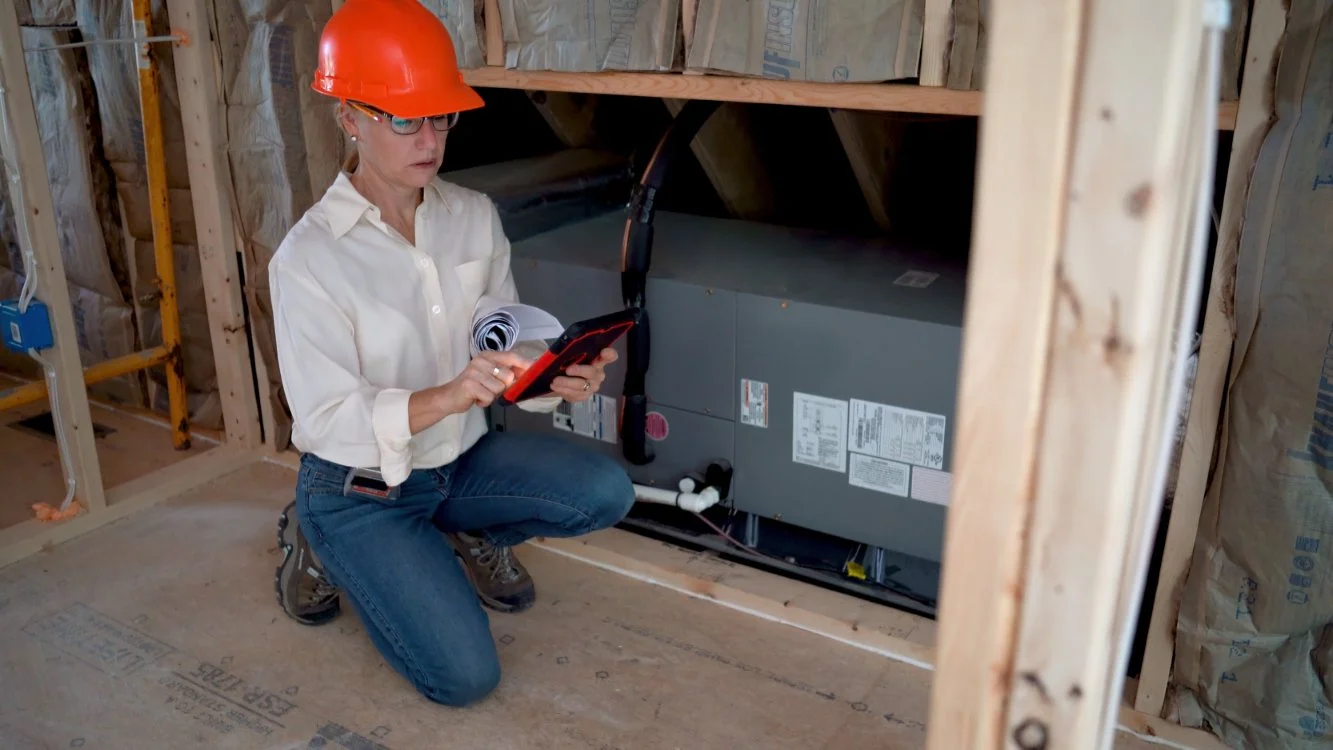
Can Your Current HVAC System Handle Your Remodel?
Remodeling your home is an exciting opportunity to create a space that better fits your lifestyle, improves comfort, and increases property value. But while most homeowners focus on layout, finishes, and design, one critical element often gets overlooked: the HVAC system. Heating and cooling equipment is designed to support a specific amount of square footage and airflow. When you change the structure of your home—whether by opening walls, adding rooms, finishing a basement, or expanding upward—you also change the demands placed on your HVAC system.
Remodeling your home is an exciting opportunity to create a space that better fits your lifestyle, improves comfort, and increases property value. But while most homeowners focus on layout, finishes, and design, one critical element often gets overlooked: the HVAC system. Heating and cooling equipment is designed to support a specific amount of square footage and airflow. When you change the structure of your home—whether by opening walls, adding rooms, finishing a basement, or expanding upward—you also change the demands placed on your HVAC system.
Before you finalize your remodel plans, it’s essential to understand how these changes affect heating and cooling performance. Evaluating your current system early can save you from comfort issues, high energy bills, and costly rework after construction is complete.
How Remodeling Affects HVAC Performance
Any change to your home’s layout has the potential to disrupt the balance your HVAC system was originally designed to maintain. For example, open‑concept designs eliminate walls that once helped contain conditioned air. Adding square footage increases the volume of space your system must heat or cool. Converting attics, basements, or garages into living areas introduces new temperature challenges, especially if those spaces weren’t originally connected to the HVAC system.
Even seemingly small updates—like enlarging windows or changing insulation—can alter how your home retains heat. These changes affect airflow, temperature distribution, and overall system efficiency. Without proper planning, you may end up with rooms that are too hot in summer, too cold in winter, or consistently uncomfortable year‑round.
Signs Your HVAC System Is Undersized or Overworked
Before you remodel, take a close look at how your current HVAC system performs. If you’re already experiencing issues, a renovation may amplify them. Here are common signs your system may be struggling:
Uneven Temperatures Throughout the Home
If certain rooms are consistently warmer or cooler than others, your system may not be distributing air effectively—or it may be undersized for your existing layout. Uneven temperatures often become more noticeable when you change the layout or airflow patterns during a remodel. This imbalance can also indicate duct leaks or poor insulation that should be addressed before construction begins.
Long or Frequent HVAC Cycles
If your system runs constantly or cycles on and off too often, it’s working harder than it should. This often indicates that the equipment is too small or that airflow is restricted. Over time, excessive cycling can shorten the lifespan of your HVAC system. It may also lead to higher energy consumption as the system struggles to maintain consistent temperatures.
Rising Energy Bills
If your utility costs have increased without a clear explanation, your HVAC system may be compensating for inefficiencies or insufficient capacity. A remodel can worsen this issue if additional square footage is added without adjusting the system. Higher bills are often one of the first signs homeowners notice when their HVAC system is no longer keeping up.
Excessive Noise
Loud operation, rattling ducts, or whistling vents can signal airflow problems or equipment strain. These noises may become more pronounced when walls are removed or ductwork is altered during a remodel. Persistent noise is often a sign that the system is fighting against pressure imbalances or blockages.
Poor Indoor Air Quality
Dust buildup, humidity issues, or stale air may indicate that your system isn’t circulating or filtering air properly. Remodeling can introduce even more dust and debris, making air quality problems worse. Poor filtration or inadequate airflow can also contribute to allergy symptoms and general discomfort in the home.
If you’re already noticing these symptoms, your remodel is the perfect time to address them. Making HVAC improvements during construction is far easier and more cost‑effective than trying to fix problems afterward.
How Added Square Footage Changes Heating and Cooling Loads
One of the most important factors in HVAC design is load calculation—the process of determining how much heating and cooling a home requires. When you add square footage, finish unused spaces, or change the structure of your home, the load changes too.
More space doesn’t automatically mean you need a larger system, but it does mean your existing system must be reevaluated. For example:
Finishing a Basement adds conditioned space that may require new ductwork or zoning.
Adding a Bedroom or Office increases the demand for both heating and cooling.
Expanding a Kitchen introduces heat‑producing appliances that affect cooling needs.
Adding Large Windows or Skylights increases solar heat gain, especially in summer.
Your HVAC system must be properly sized to handle these changes. An undersized system will run constantly and still fail to keep your home comfortable. An oversized system will short‑cycle, wasting energy and wearing out faster.
Ductwork also plays a major role. If ducts aren’t extended, resized, or redesigned to match your new layout, airflow will suffer—even if your equipment is adequate.
The Role of Attic Insulation in Remodel‑Ready HVAC Performance
Attic insulation is one of the most overlooked components of a successful remodel, yet it has a major impact on HVAC performance. Insulation acts as a thermal barrier, reducing heat loss in winter and heat gain in summer. When insulation is inadequate, your HVAC system must work harder to maintain comfortable temperatures, which can lead to higher energy bills and unnecessary strain on the equipment.
It Reduces Strain on Your HVAC System
Better insulation means your system doesn’t have to run as often or as long, which can extend the lifespan of your equipment. By minimizing heat transfer, insulation helps your HVAC system maintain stable temperatures with less effort. This reduced workload can also improve overall system efficiency, especially in homes undergoing major layout changes.
It Improves Comfort in Both New and Existing Spaces
Proper insulation helps maintain consistent temperatures throughout the home, especially in rooms located near the attic. This is particularly important during a remodel, when airflow patterns may shift, and new spaces are added. Improved insulation also helps reduce drafts and temperature swings, making your remodeled areas feel more comfortable year‑round.
It May Prevent the Need for a Larger HVAC System
Sometimes, improving insulation and sealing air leaks can reduce the heating and cooling load enough that your existing HVAC system becomes adequate again. This can save homeowners thousands of dollars by avoiding an unnecessary equipment upgrade. Insulation professionals, such as someone like AtticNerds, can evaluate your attic and identify opportunities to improve efficiency before you commit to a new system.
It’s Easiest to Upgrade During Construction
When contractors already have access to walls, ceilings, and attic spaces, insulation improvements are simpler and more cost‑effective. Upgrading insulation during a remodel also ensures that your HVAC system is supported by a strong thermal envelope from day one. Coordinating with insulation professionals during the planning phase helps ensure the work is done at the right time and integrates smoothly with the rest of the project.
If you’re planning a remodel, evaluating attic insulation should be part of your HVAC strategy—not an afterthought. Addressing insulation early helps create a more efficient, comfortable home and ensures your HVAC system can perform at its best once the remodel is complete.
When Your Existing System Might Still Work
Not every remodel requires a new HVAC system. In some cases, your existing equipment may be sufficient with a few adjustments. For example:
Minor Layout Changes may only require duct modifications.
Zoning Systems can help balance temperatures in newly remodeled areas.
Improved Insulation can reduce the load enough to keep your current system viable.
Upgraded Thermostats can improve efficiency and comfort without replacing equipment.
A professional evaluation will help determine whether your system can handle the changes or if upgrades are necessary.
When It’s Time to Upgrade or Modify Your HVAC System
There are times when keeping your existing HVAC system simply isn’t practical, especially when a remodel significantly changes the way your home functions. If you’re adding a large amount of new square footage, your current system may no longer have the capacity to heat and cool the expanded space effectively. The same is true when you convert areas like attics, basements, or garages into living spaces, since these rooms often have different temperature needs and may not have been connected to the original ductwork.
Age is another important factor. If your HVAC system is more than 10–15 years old, it may already be nearing the end of its lifespan, making a remodel the ideal time to replace it rather than waiting for a breakdown. Ongoing comfort issues—such as persistent hot and cold spots or humidity problems—can also signal that your system is no longer meeting your home’s needs. In some cases, the system may have been undersized or inefficient from the start, and the remodel simply makes those shortcomings more noticeable.
Upgrading during a remodel is often more cost‑effective than waiting until construction is complete, since walls are already open and contractors are on‑site. Making these changes now ensures your newly updated space is comfortable from the moment you move back in, without the need for disruptive work later.
Why a Professional HVAC Assessment Is Essential
Before finalizing your remodel plans, it’s important to schedule a professional HVAC assessment to understand exactly how your system will respond to the changes you’re planning. HVAC professionals, such as McIntosh Heating & Cooling, rely on precise tools and calculations that go far beyond guesswork, allowing them to evaluate your home’s heating and cooling needs with accuracy. During an assessment, they’ll determine whether your current system can handle the new layout by performing detailed load calculations and examining the condition and capacity of your ductwork. They also look for insulation gaps, air leaks, and other hidden issues that could undermine the performance of your remodeled space. Based on their findings, they can recommend system modifications or upgrades that will support both comfort and efficiency. A professional assessment also ensures your remodel complies with building codes and modern energy‑efficiency standards, which protects you from unexpected problems later. Most importantly, this early evaluation helps you avoid costly mistakes—like discovering after the drywall is up that ductwork needs to be rerouted or resized.
Integrating HVAC Planning Into Your Remodel Timeline
To avoid delays and rework, HVAC planning should be integrated into your remodel timeline from the very beginning. It’s important to bring a professional who’s familiar with remodeling and HVAC, such as someone like Romar Construction & Remodeling, into the design phase so they can evaluate your home’s layout, airflow needs, and any changes that may affect system performance. As your contractor begins mapping out the remodel, the placement of ductwork, vents, and equipment should be coordinated to ensure everything fits seamlessly into the new design. Insulation upgrades—especially in the attic—should be scheduled before drywall goes up so the home’s thermal envelope supports the HVAC system effectively. Once construction wraps up, the HVAC system should be tested to confirm that airflow, temperature balance, and efficiency meet expectations. Taking these steps early ensures your remodel is both beautiful and comfortable.
Your HVAC system plays a major role in the comfort, efficiency, and long‑term value of your remodeled home. By evaluating your current system early, understanding how remodeling affects heating and cooling loads, and considering attic insulation as part of your plan, you can avoid costly mistakes and ensure your new space feels as good as it looks. Working with HVAC professionals gives you the insight and guidance needed to make smart decisions—so your remodel delivers the comfort and performance you expect for years to come.

5 Things the Best Residential Generator Installation Companies Have in Common
Selecting a company to install a standby generator represents a significant decision for any property owner. The equipment itself requires substantial investment, and the installation process involves complex electrical work that affects both safety and long-term reliability.
Selecting a company to install a standby generator represents a significant decision for any property owner. The equipment itself requires substantial investment, and the installation process involves complex electrical work that affects both safety and long-term reliability.
Understanding what separates exceptional generator installation companies from average ones helps homeowners make informed choices. The best providers in this industry share certain characteristics that consistently lead to better outcomes for their customers.
Holding Proper Licensing and Certification
Legitimate generator installation requires specific credentials that vary by state and locality. The best companies maintain current electrical contractor licenses and carry appropriate insurance coverage to protect both their workers and their customers.
Beyond basic licensing, top providers pursue manufacturer certifications from leading brands. These certifications demonstrate that technicians have received specialized training on particular equipment lines and understand the specific requirements for proper installation.
Customers should always verify licensing status before signing any contracts. Reputable companies readily provide license numbers and proof of insurance upon request. They understand that these credentials build trust and distinguish them from unlicensed operators who may offer lower prices but expose homeowners to significant risks.
Understanding Local Conditions and Challenges
Every region presents unique challenges for generator installation and operation. Coastal areas contend with salt air that accelerates corrosion. Hot climates stress batteries and cooling systems. Areas prone to severe weather require installations that can withstand high winds and flooding.
The best residential generator installation companies possess deep knowledge of their service areas. They understand local building codes, permit requirements and utility interconnection standards. This expertise prevents costly mistakes and ensures installations pass inspection without delays.
Local experience also informs equipment recommendations. Technicians who have serviced generators through multiple storm seasons know which components fail most often under local conditions. They can advise customers on preventive measures and maintenance schedules tailored to regional demands.
Providing Thorough Consultations and Assessments
Quality installation begins long before any equipment arrives on site. Leading companies conduct comprehensive consultations that evaluate electrical panel capacity, fuel availability, placement options and household power requirements.
These assessments consider both current needs and potential future demands. A growing family might need additional capacity. Home office equipment or medical devices may require dedicated circuits. Pool systems, well pumps and HVAC equipment all factor into proper generator sizing.
The best providers explain their recommendations clearly without pressuring customers toward oversized or unnecessary equipment. They present options at various price points and help homeowners understand the tradeoffs involved in each choice.
Delivering Professional and Code-Compliant Work
Installation quality determines whether a generator performs reliably for years or becomes a source of ongoing problems. The best companies follow manufacturer specifications precisely and adhere to all applicable electrical codes.
Professional installation encompasses numerous details that inexperienced contractors might overlook. Proper pad preparation prevents settling and vibration issues. Correct fuel line sizing ensures adequate flow during full-load operation. Appropriate transfer switch installation protects utility workers and prevents backfeed hazards.
Documentation matters as well. Quality providers supply complete paperwork including permits, inspection certificates, warranty registrations and equipment manuals. This documentation proves valuable when selling a home or filing insurance claims after storm damage.
Offering Ongoing Support and Reliable Repair Services
Generator installation marks the beginning of a long-term relationship rather than a single transaction. Standby generators require regular maintenance to ensure they start reliably when needed most.
The best companies offer service agreements that include scheduled maintenance visits, priority response during emergencies and discounted repair rates. These programs keep generators in optimal condition while maintaining warranty coverage that manufacturers often require.
Even well-maintained generators occasionally develop problems that require professional diagnosis. When a generator shows an error message, does not complete its scheduled test cycle or fails to turn on, experienced technicians perform systematic evaluations to pinpoint the underlying problem efficiently.
Frequently encountered issues involve batteries that no longer hold a charge, obstructed fuel lines or air intake systems, spark plugs that have degraded over time, oil that has become contaminated and malfunctions within the electronic control system.
Following a thorough assessment, reputable companies present homeowners with a detailed explanation of necessary repairs and a comprehensive list of required components before any work begins. The objective remains delivering repairs that meet all safety standards and electrical codes while returning the equipment to reliable operation.
Professional residential generator repair services use quality parts that meet or exceed original equipment specifications. Skilled technicians aim for lasting solutions that restore generators to dependable operation for years to come.
Making the Right Choice
Homeowners who take time to evaluate generator installation companies thoroughly generally achieve better results than those who simply accept the lowest bid. Price certainly matters, but the cheapest option rarely delivers the best long-term value.
Asking for references from recent customers provides insight into actual performance. Online reviews offer additional perspectives, though customers should look for patterns rather than focusing on individual complaints.
The investment in a quality installation company pays dividends through reliable operation, proper warranty coverage and responsive service when problems arise. For equipment intended to protect homes and families during emergencies, these benefits far outweigh any initial cost savings from choosing a less qualified provider.