

A resource for those seeking information on organizing and transforming spaces.
How To Reduce Road Noise in a Small Backyard
Traffic noise ruining your backyard breaks? Try these practical updates that help working mothers create a calmer outdoor space without losing room.
Have you ever stepped outside after a long day hoping for a bit of peace, only to hear steady traffic? A small backyard can feel especially exposed to road noise, and it doesn’t take much to make the space feel less relaxing.
The good news is you don’t need a huge yard or a full redesign! A few smart, intentional changes can help you take back that sense of calm. Here’s how to reduce road noise in a small backyard.
Start by Listening to What’s Really Happening
Before you change anything, spend a little time just listening. You’ll notice the noise shifts throughout the day, especially if you live near a busy intersection or school route. Morning traffic might feel lighter, while evenings can bring a steady hum of engines.
As you pay attention, try to figure out where the sound is coming from. You might find it’s mostly coming from one direction, which is actually helpful because it tells you where to focus your efforts.
Let a Solid Fence Do the Heavy Lifting
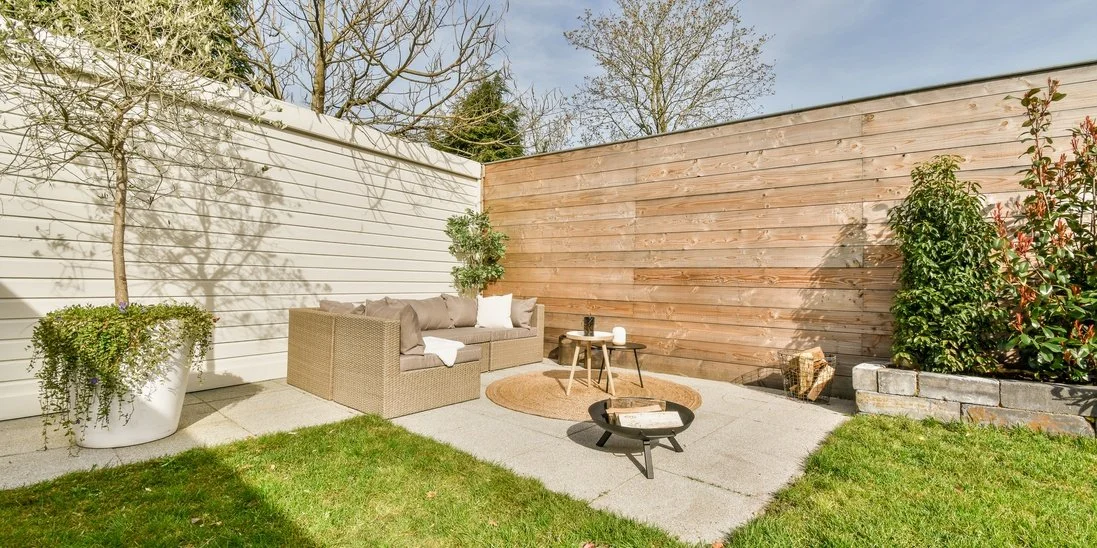
Once you understand the direction of the noise, a solid fence becomes your first real line of defense. When it’s built well, it blocks a direct path for sound and immediately takes the edge off traffic noise. You’ll want to avoid designs with gaps or spacing between boards because sound slips through those openings easily. Height also plays a role, so if your local rules allow it, going taller usually helps.
The material itself isn’t as important as how tightly everything fits together. If your yard slopes, make sure the fence follows that grade so sound doesn’t sneak underneath.
Take a Quick Look at Local Rules First
Before you fall in love with a design, check your city or HOA guidelines. That is one of the important questions to ask before hiring a fence contractor. Height limits and visibility rules can affect what you’re allowed to build, especially near driveways or streets. A good contractor will walk you through permits and help you avoid surprises later, so don’t hesitate to ask early!
Bring in Plants to Soften the Space
Plants won’t block traffic noise on their own, but they do change how the yard feels. When you add dense greenery near your fence, the space starts to feel more enclosed and less exposed to the road.
Evergreen shrubs work especially well because they stay full year-round. You’ll want to choose varieties that handle your local climate and sunlight conditions so they stay healthy without constant upkeep. Just be sure to give them enough room to grow so they don’t crowd your fence or turn into extra maintenance you didn’t plan for.
Shift Your Seating Where It Feels Quieter
If you move your seating area even a few feet away from the road, you may notice the noise softens a bit. Try placing chairs in the quietest corner of your yard and see how it feels. You might also find it helps to turn seating inward, facing your home or garden instead of the street. That small shift changes your focus and makes the space feel more private.
If your current setup doesn’t work well, don’t be afraid to rethink it! A small patio or seating nook can be moved or rebuilt with simple materials like pavers or an outdoor rug. Just keep convenience in mind too, especially if you like to keep an eye on kids from inside the house.
Add Background Sound to Take the Edge Off
When traffic noise feels sharp or unpredictable, a steady background sound can help balance it out. A small water feature often works well because the sound stays consistent and blends into the background instead of competing for attention.
If you prefer something more flexible, adding outdoor speakers can help you set a calmer mood during dinners or weekend time outside. Keep the volume low and place them near your seating area so the sound supports your space instead of overwhelming it.
You might also find simple options like wind chimes or a quiet outdoor fan surprisingly helpful, especially on still days when traffic feels louder than usual.
Create a More Sheltered Corner
If you want your backyard to feel more like a retreat, a simple structure like a pergola can help define the space. It won’t block all the noise, but it does create a sense of separation that makes the yard feel more intentional and less exposed.
Adding outdoor curtains on the side facing the road can also increase privacy and soften sound a bit more. Just make sure you choose materials that can handle weather and are easy to clean, since road dust tends to settle in busy areas.
Try to keep the design open enough that you still get airflow and visibility! You want to feel connected to the yard, not boxed in.
Soften the Hard Surfaces
Hard surfaces tend to bounce sound around, which can make traffic feel louder than it really is. When you add cushions or an outdoor rug, you help absorb some of that reflection. It’s a small change, but it makes the space feel noticeably more comfortable.
Keep Your Yard Functional
It’s easy to get carried away when you’re trying to solve a noise problem, but a small backyard still needs to feel usable. Before adding anything permanent, take a moment to picture how much space you’ll actually have left. Vertical features like wall-mounted fountains or built-in seating can help you save room while still improving comfort. The goal is to make the space feel better, not smaller!
Be Realistic About What You Can Achieve
Even with the best setup, you won’t completely reduce road noise in a small backyard. What you can do is soften it enough that your backyard feels calm and enjoyable again.
Start with one change! You might be surprised how much a solid fence or a better seating layout improves the feel of the space on its own. From there, you can decide what else is worth adding.
When you focus on the path the sound travels and make small, thoughtful adjustments, your backyard starts to feel like yours again. And after a busy day, that quiet moment outside becomes something you can actually look forward to.
Seasonal Timing and Budgeting for San Antonio Tree Disease Treatment
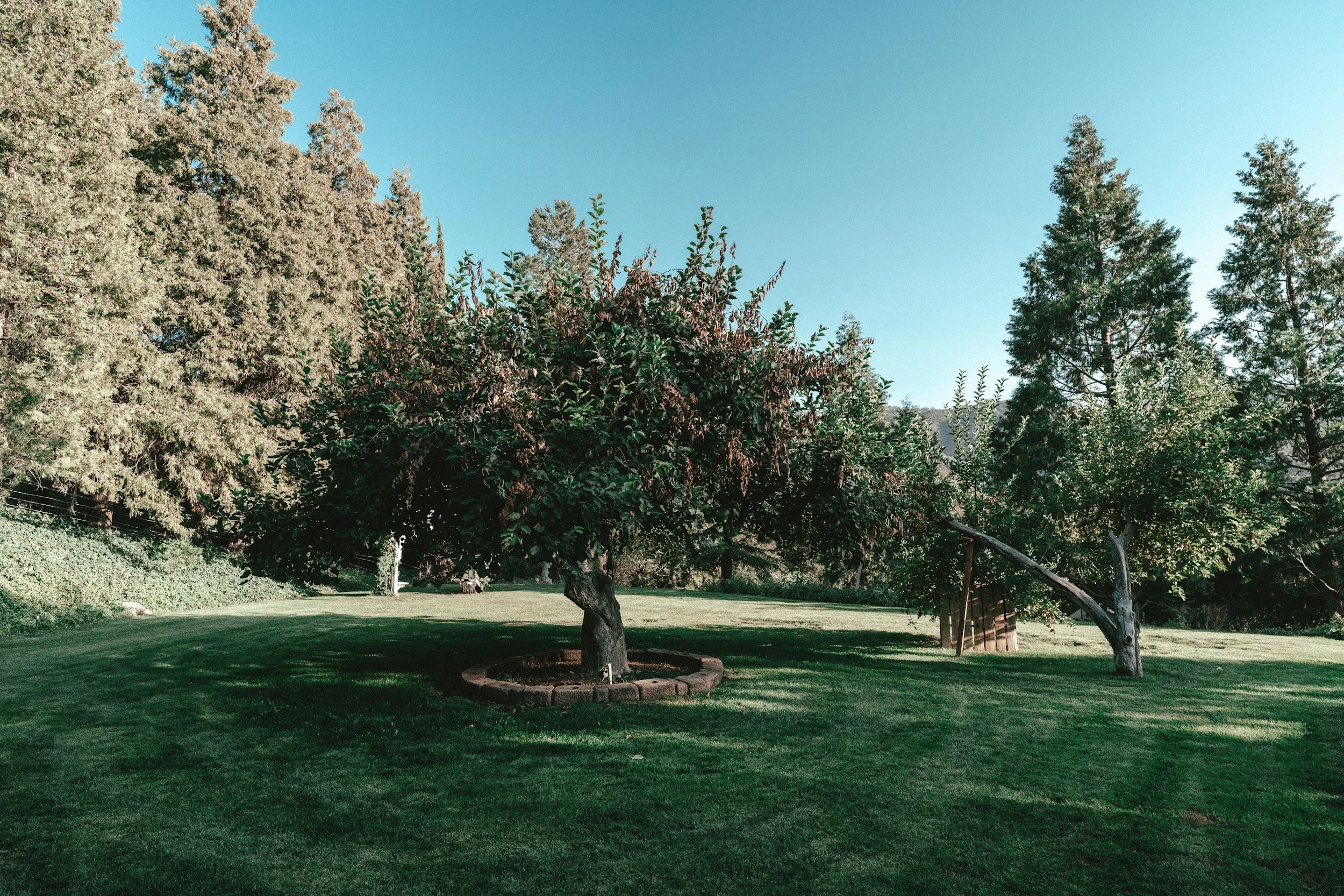
Tree diseases can spread rapidly in a warm, dry climate such as San Antonio's. Trees stressed by heat, soil compaction, or incorrect irrigation are susceptible to fungal diseases and opportunistic pests. Waiting until the leaves brown out or limbs decline might turn a simple problem into an expensive removal. With a good plan for timing, diagnosis, and budgeting, homeowners can swiftly triage issues, extend the life of precious shade trees, and prevent unnecessary expenses. This article covers what to look for, when to act according to the seasons in your area, how to pick between a DIY approach and expert care, and how to prevent recurrent outbreaks with consistent, sensible maintenance.
We partnered with a home improvement company. for this post. The opinions in the post are honest. All reviews and opinions expressed in this post are based on our personal views. We are excited because we know you will love it.
Tree diseases can spread rapidly in a warm, dry climate such as San Antonio's. Trees stressed by heat, soil compaction, or incorrect irrigation are susceptible to fungal diseases and opportunistic pests. Waiting until the leaves brown out or limbs decline might turn a simple problem into an expensive removal. With a good plan for timing, diagnosis, and budgeting, homeowners can swiftly triage issues, extend the life of precious shade trees, and prevent unnecessary expenses. This article covers what to look for, when to act according to the seasons in your area, how to pick between a DIY approach and expert care, and how to prevent recurrent outbreaks with consistent, sensible maintenance.
Spot Symptoms Early: What to Watch For
Most diseases begin very subtly. Look for uneven leaf discolouration, thinning canopies, dieback at branch tips, leaf spots that increase in size, sunken or cracked bark, and mushrooms or conks at the base that indicate internal decay or root problems. Many difficulties are mirrored, so look for patterns: Is it only one species? Are the symptoms related to a recent drought, lawn renovation, or pruning? Track when and how much change occurs, take clear pictures, and keep a weekly track of progress. If several nearby trees show the same signs of damage, a contagious virus may be at work, and quick action may be necessary. For additional context on local options, some homeowners review resources about San Antonio Tree Disease Treatment to understand next steps and common approaches better.
Watch for early warning signs and quarantine the affected area before it spreads. Disinfect pruning tools between cuts, and throw away diseased leaves or twigs in the garbage, not compost. Don't over-fertilize a stressed tree. This can promote poor new growth that is much more susceptible. Document symptoms and consider a diagnostic consultation if the decline increases. Early detection generally allows for focused pruning and cultural repairs, as opposed to more invasive or recurring operations.
Plan Actions Around San Antonio's Climate
Local seasons influence illness pressure and the time of appropriate treatment. Spring is quick flushes of new growth that are vulnerable to foliar fungus, while early summer heat stresses root systems and invites cankers and wilt pathogens. Sudden heavy rainfall may increase fungus activity after protracted dry spells. In general, schedule a full inspection toward the end of winter or very early in spring so you may schedule pruning and preventive maintenance before extreme heat hits. Many systemic therapies and cultural corrections (e.g., mulch refreshes, irrigation checks and soil additions) are most effective if provided in advance of active disease periods.
Heat management is important. During peak summer conditions, focus on deep, infrequent watering to the root zone and avoid nonessential pruning to minimize stress. "If you have to prune for safety reasons, make sure you make clean cuts on the outside of the branch collar and sanitize tools often to reduce the spread of disease." In early October, reevaluate mulch depth, and remove leaf litter from species prone to disease. Where winter dormancy occurs, it provides an opportunity for structural trimming and cleanliness without inducing new susceptible growth.
Treatment Paths: DIY Steps vs. Professional Care
Homeowners can solve some difficulties well. Proper watering, correct mulching, careful mowing to avoid trunk wounds, and cleaning up diseased debris are cultural controls that go a long way. Small ornamentals with mild foliar problems may benefit from over-the-counter products labeled for such problems when used exactly as directed. But if it is advanced, or if there are symptoms of interior rot or the canopy is disappearing rapidly, a professional assessment is required. Proper selective pruning of large trees requires particular equipment and training, and prescription-only treatments, when necessary, must be applied by a licensed professional.
Significant dieback, deep bark splits, fungal fruiting bodies on trunks, or a rapid decline in species known to be disease-susceptible should prompt an expert inspection. Experienced arborists can discern between look-alike conditions such as drought stress or fungal cankers and suggest a plan of action: sanitation pruning, root zone care, possible lab tests, and, if required, targeted treatments. This method helps eliminate guesswork and reduces the risk of wasting time and money on ineffective cures.
Budget Planning Without Surprises
Costs depend on the size of the tree, access, safety requirements, and the complexity of the treatment. To maintain control, break down your plan into phases and budget for assessment first. A thorough diagnosis saves you from splurging on wide, unfocused solutions. Then reserve cash to reduce immediate risk, e.g., remove dangerous deadwood or stabilize a weakened limb to prevent secondary damage. For immediate work, budget for cultural fixes (soil aeration, mulching, irrigation tune-ups) to aid recovery and reduce future disease pressure. Such steps tend to create lasting value, because they target fundamental issues, not symptoms.
Ask for written scopes that specify what is included, what success looks like, and what follow-up may be needed to avoid surprise charges. Talk about site logistics. Fence access, tight gates, and surrounding structures can create change orders. If you have many trees, prioritize them based on risk and importance: high-value shade trees that anchor the comfort and energy efficiency of your yard often warrant an earlier investment. Lastly, plan for monitoring. A brief seasonal check-up is cheaper than emergency work once a problem has worsened.
Prevention That Works Over Time
"The best defense is consistent fundamentals. Apply 2–4 inches of mulch around the drip line, but keep a few inches away from the trunk to prevent rot. Water deeply and rarely, especially in hot weather (soil surface dries significantly between waterings). Avoid frequent shallow watering; this will foster weak roots near the surface. Prevent mechanical damage from string trimmers and bumps from mowers create access places for microorganisms. Rake away leaf litter from disease-prone species and remove dead or infected twigs immediately, disinfecting instruments with a mild disinfectant between cuts.
The right plant in the right place is as important as anything. Select species that are appropriate for your local soils, sun exposure, and water availability. Space plants enough for mature size to prevent stress. Prune throughout the early life of the tree to maintain structure so fewer major cuts are needed later. Look for pattern changes in each season.
If the problems are localized in a limb, it might be a pruning repair. If the problems are throughout the canopy, it might be a root zone issue. By taking regular observations and documenting a few dated images, you can notice tiny adjustments before they become serious concerns.
Healthy trees provide shade, comfort, and curb appeal, but they don't stay resilient by accident. Learning the early signs of common problems, timing your activities with local weather patterns, and creating a realistic budget for diagnosis, immediate care, and prevention will reduce risk and retain the value of your environment. Make notes, re-evaluate, and solve issues as they arise. Long-term tree health and fewer costly shocks are best achieved with well-timed small steps based on observation and excellent procedures.

7 Summer Cleaning Habits That Will Keep Your Home Looking Its Best
Summer brings longer days, warmer weather, and more opportunities to enjoy your home. It can also bring extra dust, humidity, outdoor dirt, and frequent foot traffic, especially when doors and windows are open more often.
Summer brings longer days, warmer weather, and more opportunities to enjoy your home. It can also bring extra dust, humidity, outdoor dirt, and frequent foot traffic, especially when doors and windows are open more often.
Keeping your home clean during summer does not have to mean spending hours cleaning every weekend. A few simple habits can prevent mess from building up and make everyday maintenance much easier. Whether you own your home or rent, these seven summer cleaning habits can help keep your space fresh, comfortable, and looking its best throughout the season.
1. Keep Dirt at the Door
Summer often means more time spent outside, which also means more opportunities for sand, grass, dust, and dirt to find their way indoors. One of the simplest ways to control this is to stop dirt before it travels through the house. Place a good doormat at frequently used entrances and make a habit of removing particularly dirty or sandy shoes before walking inside.
It is also useful to regularly shake out or clean your mats. Once they become covered in dirt, they become much less effective at keeping floors clean.
2. Give High-Traffic Floors Regular Attention
Floors can require a little more attention during summer, particularly in areas leading to the backyard, balcony, pool, or main entrance.Instead of waiting until floors visibly need cleaning, give high-traffic areas a quick sweep or vacuum every few days. Regular attention prevents dust, hair, crumbs, and outdoor debris from spreading into other rooms.
Hard floors can also be mopped when necessary, while carpets and rugs may benefit from more frequent vacuuming.If you have pets or children moving between indoor and outdoor spaces throughout the day, this simple routine can make an especially noticeable difference.
3. Stay Ahead of Kitchen Mess
Summer can mean more casual meals, cold drinks, entertaining, and people moving in and out of the kitchen throughout the day. Rather than leaving everything for one large clean, deal with small messes as they happen. Wipe benches after preparing food, put dishes away, and clean spills before they have time to dry. Pay particular attention to areas that are easy to overlook, including cabinet handles, the front of the refrigerator, and frequently touched surfaces.
If you are renting, keeping these everyday areas in good condition can also make general property care easier. Those using professional property management Buderim for rental homes, for example, may already be familiar with the importance of regular upkeep in maintaining a property over time.
4. Keep Bathrooms Fresh and Dry
Warm and moist conditions are waiting to make your bathrooms unpleasant places. After a warm shower, make sure that the warm air leaves the bathroom either via an exhaust fan or a window. You may want to dry the most wet surfaces with a towel.
In addition, do not forget about the most used surfaces in your bathroom. Spend some time this week paying extra attention to them. Try to wipe them more often as it is better than waiting for a thorough cleaning. Wash your bathmats and towels more often if they start to smell unpleasant or take too long to dry. The reason is simple: the dampness encourages the growth of mildew and other organisms.
5. Clean Windows and Glass Surfaces More Often
Sunlight makes all the dirt on glass surfaces visible. Therefore, spend some time cleaning windows and other surfaces made of glass in your home.
It is not necessary to clean all the windows in your home. Pick those that you usually look out of the most. Glass doors need special attention because people tend to lean on them often, and various marks, dirt, and fingerprints are visible on them. In addition, you may consider spending some time cleaning mirrors and other objects with glass surfaces.
6. Declutter as You Clean

It is challenging to clean dirty surfaces with various objects on them. This summer, try to develop the habit of decluttering as you clean. It is not necessary to declutter the whole house at once. Remove unnecessary objects from the surfaces while you clean them. For example, you can wipe the kitchen bench while putting away the objects that you have used. While cleaning your bedroom, you can hang or fold your clothes instead of throwing them on the floor or a bed.
You can declutter other surfaces in your home following the same principle. In addition, you can also designate some special places for the objects that you need to store during the summer season. It may include various bags, beach towels, and even sunscreen lotions. Having a place to put things reminds you of where to put them once you have finished using them.

Grandkid-Proofing Your Home
Welcoming grandchildren into your home creates opportunities for memorable family moments, but it also introduces new safety considerations. Many homes are designed for adults, leaving everyday features that may present risks for young children. Taking time to prepare the living space helps create an environment where children can explore more safely while giving grandparents greater peace of mind.
Welcoming grandchildren into your home creates opportunities for memorable family moments, but it also introduces new safety considerations. Many homes are designed for adults, leaving everyday features that may present risks for young children. Taking time to prepare the living space helps create an environment where children can explore more safely while giving grandparents greater peace of mind.
Secure High-Risk Areas
Begin by identifying areas where accidents are most likely to occur. Kitchens, bathrooms, stairways, and garages deserve extra attention because they often contain sharp objects, cleaning products, medications, or slippery surfaces.
Install safety gates where appropriate, keep hazardous items in locked cabinets, and use non-slip mats in bathrooms. Furniture with sharp corners can also be fitted with protective guards to reduce the chance of injuries during active play.
Reduce Everyday Hazards
Children are naturally curious, making it important to secure items that adults may overlook. Anchor bookshelves and televisions to prevent tipping, cover unused electrical outlets, and keep cords out of reach whenever possible.
Smoke detectors and carbon monoxide alarms should be tested regularly to confirm they are working properly. Families completing electrical upgrades or adding child safety features may also consult licensed electricians to ensure home electrical systems continue meeting current safety standards.
Create Safe Play Spaces
A designated play area helps keep toys organized while reducing clutter in walkways. Choose age-appropriate toys and inspect them regularly for broken pieces that could create choking hazards.
Outdoor spaces deserve attention as well. Check fences, gates, decks, and playground equipment for signs of damage before children arrive. Removing tripping hazards from sidewalks and patios also helps create a safer environment for outdoor activities.
Prepare for Emergencies
Every household should have an emergency plan that all adults understand. Keep a well-stocked first aid kit in an easily accessible location and store emergency contact numbers where they can be found quickly.
If grandchildren visit frequently, learning basic first aid and CPR can provide additional confidence during unexpected situations. Reviewing emergency procedures with other caregivers also helps everyone respond consistently if an accident occurs.
Grandkid-proofing focuses on preventing common hazards while preserving a comfortable home for the entire family. Securing high-risk areas, reducing everyday dangers, creating dedicated play spaces, and preparing for emergencies all contribute to a safer environment. Look over the infographic below to learn more.
