

A resource for those seeking information on organizing and transforming spaces.

Guest Post - Organization Hacks for a Kid-Friendly Kitchen
Cooking with kids is an excellent way for spending a great family bonding time. It also allows you to teach them about healthy diet and help them overcome being put off by the mere sight of broccoli. Not to mention that it can really be fun. However, kitchens can be a dangerous place with all the sharp objects, electricity, hot stoves, etc. To be able to include the kids in the kitchen, you will need to make some changes in the kitchen organization. Here are some tips that will help you accomplish that.

Cooking with kids is an excellent way for spending a great family bonding time. It also allows you to teach them about healthy diet and help them overcome being put off by the mere sight of broccoli. Not to mention that it can really be fun. However, kitchens can be a dangerous place with all the sharp objects, electricity, hot stoves, etc. To be able to include the kids in the kitchen, you will need to make some changes in the kitchen organization. Here are some tips that will help you accomplish that.
Deal with the height issues
There are a lot of things kids can’t reach in the kitchen. On the other hand, there are a lot of things kids can reach, but they shouldn’t be able to, especially if they are dangerous. The trick is to make the safe items accessible to them and to store the unsafe items outside their reach. Deal with the safety issues first, and make sure the knives and other sharp objects are stored on the top shelves, or that there is a safety lock on the drawers and shelves where you store them. As for the other part, empty out one of the lower cabinets, and stock it up with kid-friendly items (e.g., plastic bowls, cereals, granola bars, etc.). This way, your kids will be able to prepare their breakfast, snacks, and lunch boxes.
Reorganize your fridge
They will need some milk to prepare a bowl of cereal, right? Create one kid-friendly zone in the refrigerator, which will include containers of milk and yogurt, cheese sticks, vegetables, and fruits. This keeps them from rummaging through the fridge and eating some of the ingredients you have planned to use for meal preparation.
Choose kid-friendly appliances

Small kids shouldn’t be allowed to use the oven or the stove until they reach a certain age, but they can handle some smaller appliances. Equip your kitchen with small KitchenAid appliances, such as stand mixer or food processor, which can be used by children if you previously show them how to handle them. Soon enough, your little ones will enjoy helping you whip the cream for their birthday cake or prepare pesto for the pasta night.
Give them a workstation
Your kids will need some place to work without having to stand on chairs and risking to fall on the floor. Kitchen tables are usually a convenient place for that. Plus, if you move your operations there, your kids will be able to see what are you doing, and learn from you. If this is not an option, you can get an appropriate-sized mini table for them, and fit it into the available corner of the room.
Label things
Cooking with kids and organizing the kitchen afterward can turn out to be quite a mess. A few hours later, you will probably find oregano in the drawer with spoons and knives. To prevent this from happening, you can label things, such as seasoning, flour, etc., and put matching labels on the drawers and cabinets. If your children cannot read yet, you can always use photographs or drawings.
Compartmentalize the drawers

When the kids have trouble finding the things they need in the drawers, it can go two ways: they will interrupt your work process and ask you to get it from them, or they will turn your drawers into the picture of chaos. Neither of these two situations works in your favor. You can fix that by making your drawers more organized with compartments. For this project, you will need nothing more than a few plastic containers. Put a few of them into the drawers and categorize them.
Make it easy to clean
Easy maintenance is vital for kitchens used by the entire family, especially with toddlers and school kids. You need to choose surfaces that are not porous. While natural stone looks beautiful, it is also prone to stains. Quartz countertops could be the best option if low maintenance is your priority. As for the flooring, a high-end solution like hardwood is very durable and resistant to spills and impact. Laminate is a more affordable option with similar features.
Make it easy for kids to clean

Children should be taught to clean after themselves at an early age. But how can they learn to clean after themselves if they can’t even reach the sink? A bathroom stool could mend this problem. Also, the dishwasher is quite easy to use, and with some tips from you, your kids could become your little helpers. You just need to make sure the appliance is installed somewhere between the lower cabinets.
Cooking with your kids doesn’t have to be stressful. It can be turned into a joyful experience, but only if you make your kitchen safe and convenient for them. These hacks will help you accomplish that.
Will Sandford is a Sydney based wood architect, blogger and contributor on interior design and ecology blogs. Besides that, he is also interested in home improvement combined with green technology. In his spare time, Will enjoys surfing and rock climbing. He is also a regular contributor to SmoothDecorator. Connect with him on Twitter.

The “Perfect” Playroom
Kathleen shares her thoughts on creating the “Perfect” Playroom.
Kathleen shares her thoughts on the “Perfect” Playroom.
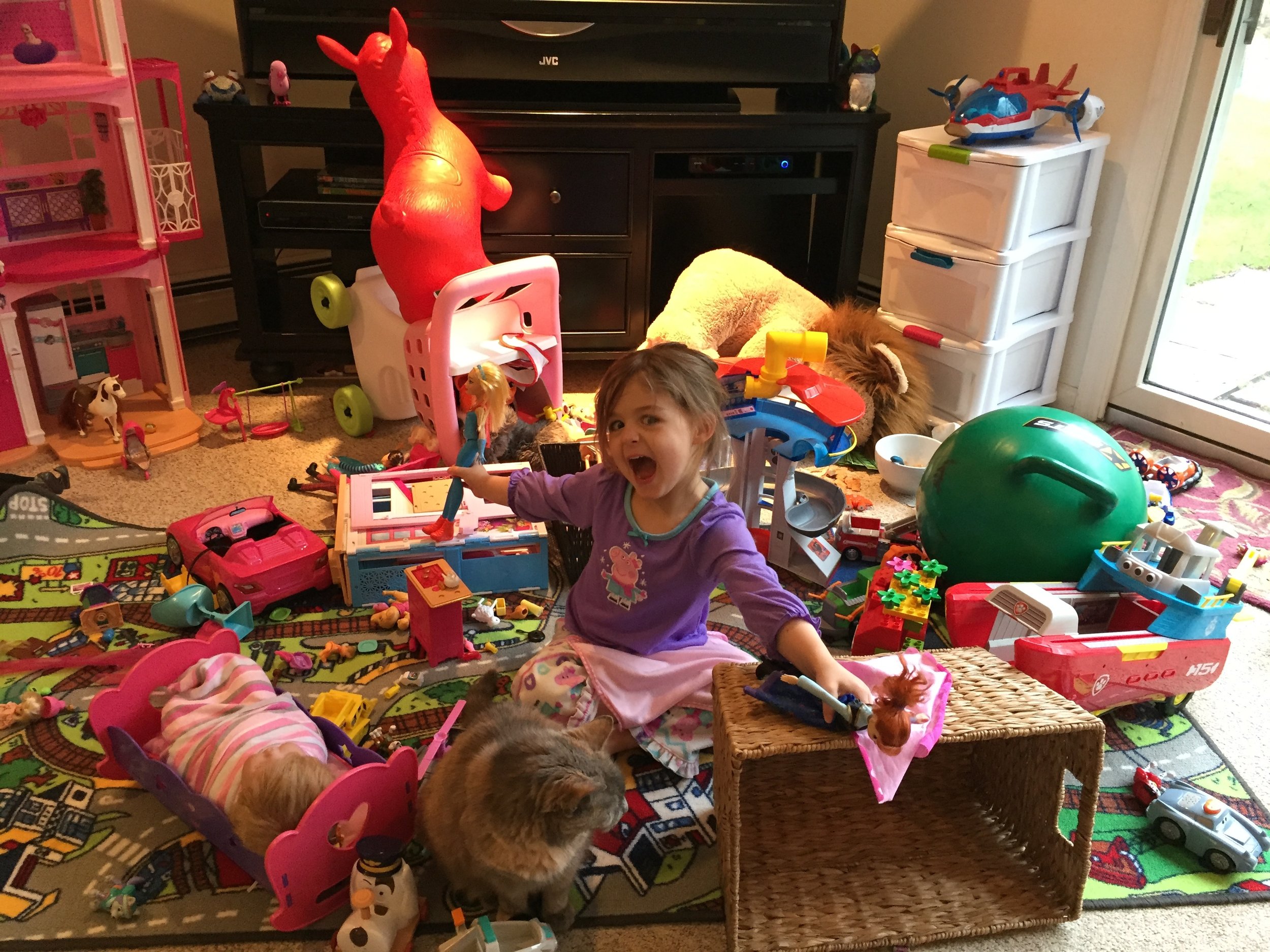
Real Image from a Professional Organizer's playroom
Perfect and playroom are two words, in my mind, that should never be grouped together and if they are than you may not be using the room correctly. I would love to have a picture perfect playroom like you see in magazines, but they do not exist if you have actual real-life human children playing in them. I believe playrooms should be used and even messy. However, it is the ease as which items can be put away that should command your focus. Everything should have a home and if there are multiple people who do the putting away- there should be labels. Toys should not be hidden or most likely they will stay hidden and then forgotten. Toys should be easily accessible and in turn easily put away. Shallow shelves, clear containers without lids when possible. I also love me a good theme, have a dress-up area, arts & craft area, and an area for dramatic play.
I set my playroom or play area up so if the situation arises, usually this means someone decides to stop by unexpectedly, I can literally “toss” items away and off the floor in an instant.
As an organizer and a mother of two small children, the most common statement I hear is “your home must be so organized”. My answer? I’m a mom, it’s as organized as I can get it and for as long as they let it stay that way. On any given day our playroom looks like a toddler tornado just hit it. As much as I love having it look”pretty”, I also love (yes I know - the horror of a pro organizer stating this) seeing such a disaster. It tells me my kids are being kids and having a blast playing with all those clutter inducing toys that my family and friends purchased for them. It makes me smile. What might make it different than other homes though is I also smile knowing there are proper homes for all the toys and there is a system in place that I or anyone taking care of my kids and/or home can rely on. I organize for my children but more importantly for me - so I can find things, easily put things away, and also teach my kids how to put things away properly. Will they always do it - no. It is often a struggle and of course frustrating. Kids learn through example and surprisingly they do love being able to find their toys with ease.
Make clean up a game - time them or race them. Show them that putting their toys away can be easy- they will catch on quickly. My children know exactly where their toys live. Do they put all their toys away, all the time - of course not, but they try (in their own way). At 3 and 6, I feel like I win half the battles. Stay strong care givers and let your children play!

Now that Spring has Sprung
Now that spring has sprung, it is time to start thinking about getting your house in order. Does that mean de-cluttering? Deep cleaning? Maybe both?

Now that spring has sprung, it is time to start thinking about getting your house in order. Does that mean de-cluttering? Deep cleaning? Maybe both?
People tend to get confused as to the difference between a cleaning service and a professional organizer. A common misconception is that they are one and the same. Incorrect. Cleaning is about getting out the mops, sponges, bucket, vacuum, and removing the mold, dirt, pet hair and grime. Organizing is about reducing clutter and developing and maintaining systems to keep your home and ultimately your life organized. So before you start your spring cleaning you may want to consider decluttering, either by yourself or by hiring a professional organizer.
At House to Home Organizing many times we hear people say “all I need to do to get organized is to throw things out.” Incorrect again. Decluttering is not about throwing things out. Decluttering is about the following:
-picking an area of your house you want to organize
-gathering all the like items together
-reviewing all of them
-making decisions as to what to keep, donate, sell, recycle or trash
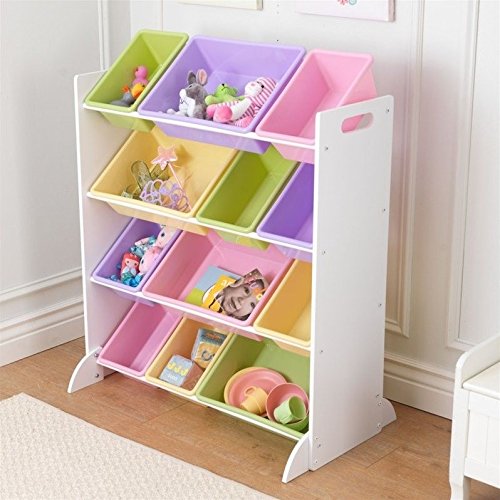
-figuring out where and how to store what you are keeping (shelving, bins, baskets, drawer organizers etc…)
Sounds easy right? However, for many this can be a daunting task. For example, think about your attic. Years of build-up, and out of sight out of mind items have accumulated. Who really wants to work in the attic reviewing years of keepsakes, holiday décor, gifts from relatives and old papers? This is where hiring a professional organizer can really make an impact.
Closets are another area that can be a big challenge. Switching out seasonal clothing may be a time to ask yourself a few questions. How long has it been since I wore it last? Realistically will I ever wear it again? Is there a reason it has been tucked away hiding in the back of my closet? Maybe it is time to purge and donate. Also, anything with a rip, tear or stain should go to fabric recycling.
Spring is also the time to consider organizing remote areas like the garage. The garage is an easy catch all for accumulation and clutter. Many homeowners end up with multiple tools, excess gardening supplies, buckets of old toys, automobile accessories etc… For example, sometimes there is so much clutter that homeowners end up purchasing multiple tools they already own because they just can’t find the first one. Hence, 10 hammers, 17 screwdrivers, 20 beach shovels and buckets, you get the point. By organizing and purchasing systems like garage shelving and plastic bins you can create dedicated areas in the garage and you will be able to easily find what you need.
Organizing is about time. Something busy home owners do not have a lot of. Hiring a professional organizer will give you a jump start and teach you methods to properly declutter without regret.
If you want to try it yourself here are few tips:
-start slowly. Maybe start in a small area and dedicate 2 hours
-keep a trash bag and donate box nearby (save trips for the end so you can stay focused)
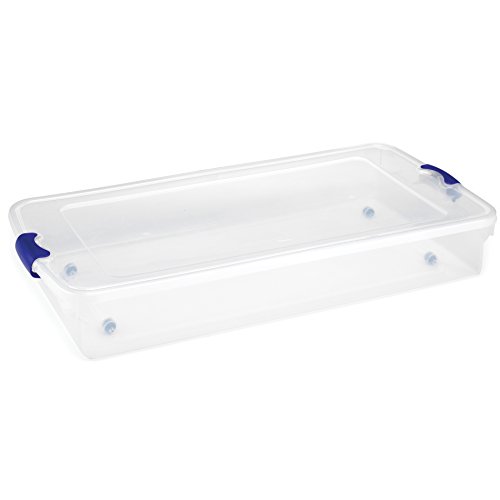
-things you are keeping put in clear plastic bins so you can see what is inside
-label the outside of all the bins (use labels or notes with tape so you can reuse the bin later)
-working with a family member can be difficult. Maybe ask a friend who likes to organize if it is something you don’t want to do alone
- make it fun put on some music!
Reward yourself when done, maybe a cup of coffee, ice cream cone or a new shirt to replace the one you just donated.
Smile and happy organizing!

Guest Post - How To Store Your Golf Clubs At Home
Many of our clients either play golf or have golf clubs in their house. We turned to Jordan Fuller for some storage advice since golf season is almost upon us.
How To Store Your Golf Clubs At Home: 3 Strategies To Reduce Clutter and Free Up Space

We all know space around the house is limited - and finding appropriate space to store golf clubs is no exception to this rule.
There are generally two issues that will occur: finding enough space and making sure the golf equipment is stored safely, so the golf clubs stay in mint condition. Overall, the general consensus is to store golf clubs in a dry room at moderate temperature.
Yet this is often easier said than done: we all know that it can be much more complicated than that, especially if you have a lot of clubs. In this article, we will share our top three tips on storing golf clubs, and how you can make the most of your home’s storage space.
Let us begin with the first one.
Only Store at Home an Optimized Amount of Golf Clubs
The first mindset you should have on golf club storage is that you are only allowed to bring 14 different clubs to a golf course. So, arguably the best way to optimize club storage at home is to first, only purchase and bring home the clubs you will actually need. Yes, some golfers might need different club sets for different courses, but doesn’t mean you need to have over 50 clubs stored at home.
With so much new equipment released virtually every day, it is understandable that the temptation to expand your collection is high. If you do have unlimited budget and unlimited storage spaces, that shouldn’t be a problem. Yet, we all know that’s not the case for the most of us.
So, what’s the optimal club sets we should have (and store at home)? Here is how I will recommend it:
For Beginners/High-Handicappers
A very forgiving driver or a 3-wood, as most high-handicappers can’t hit a driver and they can replace it with an easier to hit 3-wood
7-, 8-, 9- irons
4-, 5-, 6- hybrids to replace the hard to hit long-irons
Putter, a mallet one with plenty of forgiveness
A pitching wedge
For Mid-Handicappers
A driver
A 3-wood
6- to 9- irons
4- and 5- hybrids to replace two long irons
Putter
For Low-Handicappers/Tour Players
A driver
A 3-wood, or you can replace it with a more versatile 2-hybrid
3- to 9- irons
Gap wedge
Pitching wedge, lob wedge, sand wedge
Putter
Store Your Clubs In Your Bedroom
The first places that come to mind to store your golf clubs might be your pantry, your garage, or other dedicated storage spaces. Yet, there are several disadvantages with this practice which make us actually strongly recommend other, more appropriate places around the house.
Our recommendation is to store your golf clubs in your bedroom, a study or other rooms with enough storage spaces you frequently use.
Why? There are three things you should definitely avoid with golf clubs: physical scratches, heat, and moisture.
If you store your clubs in a warehouse or even worse, your car trunk, the clubs can pick up physical dent or nicks from bumping with each other or with other things inside the warehouse.
Heat is also an issue if you are storing your clubs in your car trunk, especially if you park your car outside. Heat can cause the glue under your grip to break down. A garage, on the other hand, often has issues with build-up moistures.
If you have a big collection of golf clubs (which we don’t recommend, see our first tip above), you might also forget some of the clubs stored in your garage or warehouse, since you don’t visit those rooms often.
So, storing your clubs in a room you frequent has two main benefits : first, you won’t forget about them and can check their condition frequently. Second, by having your clubs where you can see it, they can remind you to play more often.
Choose a Proper Golf Bag
No matter where you store your golf clubs, you will obviously need a golf bag to place your clubs (or several, if you have more than 14 clubs). Since we have agreed that storage spaces are limited and hence, valuable, the ideal golf bag is the one that allows you to store as many golf clubs as possible, yet has the least volume.
Here are some we will recommend:
Callaway Golf 2017 Org Cart Bag
A relatively compact golf bag with 12 x 10 x 35 inches dimension and only 5.8 pounds of weight (without your clubs), yet offers plenty of storage spaces and pockets with Callaway quality.
The most interesting quality of the Callaway 2017 Org Cart Bag is the 14-way organization system, complete with full-length club dividers. So, you wouldn’t have to worry about clubs banging with each other during transportation or storage.
A key highlight of the Ogio Golf 2017 Press Cart Bag is how it is very reasonably priced, so it is an excellent choice for those with limited budget. Yet, the bag offers plenty of storage with eight-way organization and full-length dividers.
Regarding compactness, it is only 8-ounces with 10.5 x 13 x 37 inches of dimension. There are also 9 additional pockets to store other golf equipment.
PING Golf Men’s Traverse II Cart Bag
PING is of course, one of the most prominent names in the world of golf equipment, so quality is definitely not a question with the PING Traverse II Cart Bag. As with Callaway Org Cart Bag above, it also offers 14-way organization system, and the full-length dividers are made from air-meshed and cushion polypropylene material able to withstand high impact.
It is still relatively compact at 36 x 10 x 14 inches, but is slightly heavier at 8 pounds. An excellent choice for those looking for a high-end golf bag.
Jordan Fuller is a golf enthusiast who loves to spend days on the green, interacting with other players. For the last 25 years, he's been a key member of the Nebraska golf community, helping and assisting players of all levels near his home course near Omaha. Recently, seeing that many golfers were facing the same challenges, he started his own golf website to help golfers become better players.

