

A resource for those seeking information on organizing and transforming spaces.

How to Keep Your Home's Pipes Safe During Winter
Winter can be a difficult time of year, especially when it comes to keeping your home’s pipes safe. Freezing temperatures, snow, and ice can wreak havoc on your home’s plumbing system and cause serious damage. Thankfully, by taking the right steps you can protect your pipes and keep them safe during the winter months. Read on to learn more about how to keep your home's pipes safe during winter.
Winter can be a difficult time of year, especially when it comes to keeping your home’s pipes safe. Freezing temperatures, snow, and ice can wreak havoc on your home’s plumbing system and cause serious damage. Thankfully, by taking the right steps you can protect your pipes and keep them safe during the winter months. Read on to learn more about how to keep your home's pipes safe during winter.
Insulate Your Pipes
The first step in protecting your pipes from the cold is to insulate them. Wrapping your pipes with insulation will help keep them from freezing and bursting when temperatures dip below 32 degrees. You can purchase pre-made pipe insulation or make your own using foam rubber sleeves or even newspaper (although newspaper may not be as effective). Make sure to cover all of the exposed water lines in your home, including those that run through unheated areas like basements and crawl spaces.
Drain Outdoor Faucets
If you have outdoor faucets, make sure to drain them before winter arrives. When water freezes, it expands—which means if a faucet is still full of water when temperatures drop below freezing, the water will expand and could cause a burst pipe or other damage. To drain an outdoor faucet: locate the valve inside the house that controls it; turn off the valve; open up the outside tap and allow all remaining water to escape; then close the outside tap securely.
Keep Water Moving
Keeping a small stream of water flowing through your pipes helps protect against freezing because moving water doesn't freeze as easily as still water does. If you live in an area where temperatures dip below freezing regularly, consider leaving one or two taps on at a very low flow rate throughout winter. This will ensure that there's always some movement in your pipes which should help prevent them from freezing up completely. Just make sure that you check for any leaks occasionally so that you don't end up wasting too much water (or money).
Following these tips should help you protect your home's pipes against winter weather so you don't have to worry about expensive repairs later down the line. If you're ever concerned about potential issues with frozen pipes or any other plumbing problems in general, don't hesitate to call a professional plumber, like those at Affordable Plumbing Maintenance, who can come out and take a look at what needs fixing right away. With their help and expertise, they'll be able to get everything back up and running in no time.

How To Make Your Kitchen More Functional and Efficient
Are you looking for ways to get the most out of your home’s kitchen space? Here are some tips on how to make your kitchen more functional and efficient.
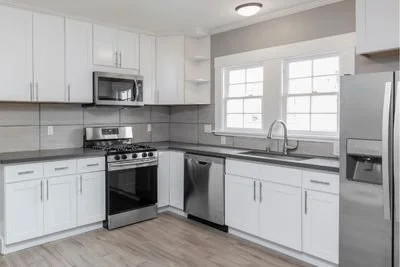
The kitchen is the heart of any home. It’s where you prepare meals, entertain guests, and create memories with family. But it can also be frustrating if it’s disorganized or inefficient. A functional kitchen can save you time when cooking and cleaning, help keep your food fresh longer, decrease stress levels, and even increase your home’s value. Here’s how to make your kitchen more functional and efficient.
Create More Space
Decluttering and organization are key to creating more space in your kitchen. Start by assessing the items you regularly use, such as plates, pots, pans, utensils, spices, and other cooking equipment. If any items see little use or have been sitting around for months without anyone touching them, it may be time to donate or get rid of them. Once you’ve decluttered your kitchen area and eliminated unnecessary items, it’s time to organize what remains into an efficient storage system that works best for you. Consider using drawer organizers or hanging racks so that everything is easy to find when needed.
Upgrade Appliances
Appliances are some of the most frequently used items in a kitchen. Therefore, you want them to be as efficient and updated as possible. If your appliances are very old or broken, consider upgrading them. Using smart technology is a great way to upgrade appliances and help conserve energy in your kitchen. Smart ovens allow you to start preheating remotely from anywhere using a smartphone app. And refrigerators can generate grocery lists based on what’s already inside them or even remind you when something needs a replacement soon.
Optimize Workflow
When optimizing your kitchen workflow, the layout is one of the most important things to consider. The key to an ideal kitchen layout is ensuring that your oven-and-stove unit, sink, and refrigerator are within close distance of each other. This setup allows you to prepare and cook meals easily and quickly without having to walk too far to gather ingredients and supplies. Designating a prep area on your countertop or island is also beneficial because it provides the necessary space for making meals.
Clean and Maintain
Cleaning and maintaining your kitchen is also essential to make it a functional and efficient workspace. You’ll want to clean your space after meals to ensure it looks its best. Wipe down countertops and other high-traffic areas with cleaning solutions to kill germs and bacteria. Then, you’ll also want to perform routine maintenance on your appliances. Regular maintenance is one of the most effective ways to extend the lifespan of your appliances to keep them in good condition for as long as possible. You don’t want your newly upgraded kitchen additions to deteriorate prematurely.
Now that you know how to create a functional and efficient kitchen space, you can implement these strategies in your home. Your kitchen will feel like a clean, well-organized workspace before you know it.

Making Room for the New: A Guide to Effective Junk Removal
Are you surrounded by clutter and struggling to find space in your home or office? If so, it may be time to consider a thorough junk removal project. Effective junk removal can not only create more space and improve organization, but it can also positively impact your mental health and overall well-being. This guide will provide tips and strategies for effective junk removal to help you make room for the new.
This is a sponsored post. The opinions in the post are honest although it is a sponsored post. All reviews and opinions expressed in this post are based on our personal views. We are excited because we know you will love it.

Are you surrounded by clutter and struggling to find space in your home or office? If so, it may be time to consider a thorough junk removal project. Effective junk removal can not only create more space and improve organization, but it can also positively impact your mental health and overall well-being. This guide will provide tips and strategies for effective junk removal to help you make room for the new.
The Benefits of Effective Junk Removal
Before diving into the nitty-gritty of junk removal, it's important to understand the benefits of a clutter-free space. Here are just a few reasons why effective junk removal is essential:
Creates more space in your home or office: Clutter can take up valuable real estate in your living or workspace, making it difficult to move around or find the things you need.
Reduces clutter and makes it easier to find what you need: When you remove unnecessary items, you're left with only the things that matter most to you. This can make it easier to stay organized and find what you need quickly.
Improves overall cleanliness and hygiene: A clutter-free space is easier to clean and maintain, leading to improved hygiene and a healthier living or working environment.
Helps you let go of old items that no longer serve a purpose: Holding onto items that no longer serve a purpose can be mentally and emotionally draining. By letting go of these items, you can create space for new things and experiences.
Can potentially generate some extra cash through selling or donating items: Some items may still have value to others, and selling or donating them can be a great way to generate some extra cash or do some good for others.
Planning Your Junk Removal Project
Before diving into the sorting and organizing process, it's important to take some time to plan your junk removal project. This can help ensure that you're prepared for the task and have a clear vision of what you hope to accomplish.
Start by assessing your space and identifying problem areas. This may include closets, basements, attics, or any other area that tends to accumulate clutter. Decide what items you want to keep and what you want to get rid of, and create a timeline and plan for removing items. This may involve setting aside a specific day or weekend for the project or breaking it into smaller, manageable chunks.
Consider the services of a professional junk removal company, especially if you have many items to dispose of. Professional junk removal companies can provide the manpower and expertise to make the process efficient and stress-free.
Sorting and Organizing Your Junk
Once you've identified the items you want to eliminate, it's time to sort and organize them. Start by categorizing items by type or function, such as clothes, electronics, or books. Decide how to dispose of each item, whether recycling, donating, selling, or throwing it away. Label items and keep them organized for easy removal.
When sorting and organizing your junk, it's important to stay focused and avoid getting sidetracked by sentimentality or attachment to items. Try to approach the process objectively and ask yourself if each item serves a purpose in your life. Remember, the goal is to create a clutter-free space that promotes clarity and focus.
Disposing of Your Junk
Proper disposal is an essential component of effective junk removal. For items that can be recycled, be sure to follow your local recycling guidelines. Consider eco-friendly options such as donating items to charity or repurposing them creatively. For hazardous or heavy items such as appliances or furniture, follow safety guidelines to avoid injury or damage to your property.
It's also important to note that donating items to charity can be a great way to give back to your community while reducing waste. Many charitable organizations accept various items, including clothes, furniture, electronics, etc. Not only can you feel good about giving back, but you may also get a tax deduction for your donation.
If you have a large volume of items to dispose of or are dealing with hazardous waste, hiring a professional junk removal company may be best. These companies have the experience and equipment to safely and efficiently remove items from your property and dispose of them properly.
Maintaining a Clutter-Free Space
Once your junk removal project is complete, it's important to maintain a clutter-free space. This may involve establishing new habits, such as regularly decluttering and organizing your space. Consider implementing a "one in, one out" policy for new items, which involves removing an old item every time you bring a new one into your space.
Another effective strategy is to prioritize functionality over aesthetics. Focus on items that serve a purpose in your life rather than items that simply look nice or bring back sentimental memories. By staying organized and focusing on what truly matters, you can create a space that promotes clarity, focus, and peace of mind.
Conclusion
Effective junk removal can be a transformative experience, creating more space and promoting clarity in your life. By following these tips and strategies, you can make room for the new and start living your best life. Remember to plan your project, stay focused and objective when sorting and organizing, dispose of items properly, and take steps to maintain a clutter-free space. With a little effort and dedication, you can achieve a clutter-free life and reap the benefits of a clear and focused mind.

What To Do With Inherited Art and Antiques You Don’t Want
Don’t feel guilty about disliking inherited items, but don’t throw them away either. Here’s what to do with inherited art and antiques you don’t want.

If you’ve recently come into possession of an inherited piece of art or some antiques that don’t quite fit your style, it can be difficult to decide what to do with them. You may not want the item for yourself, but you might feel terribly guilty about discarding something your parent or grandparent loved.
Fortunately, there are plenty of options for repurposing an inherited antique or piece of art that don’t involve throwing it away. Here’s what to do with inherited art and antiques you don’t want.
First, Get It Appraised
Don’t wantonly dispose of inherited items without learning exactly what they are and what they may be worth. You still may not want to keep the items. But at least you won’t find yourself watching an antiques show where someone with an item exactly like the one you gave away finds out theirs is worth thousands.
Find a professional appraiser that specializes in the kinds of items you have. They should give you a written report describing the item, its origin (if it is possible to determine it), and its estimated market and insurance value. Knowing the difference between fine and commercial art,, which can both be quite valuable, will help you make a more informed decision about what to do with your inherited items. It also helps to know whether an item is truly an antique or is too new to qualify.
Donate It
Once you know what your things are worth, you could donate them to an organization that can turn them into cash or use them in pursuit of their mission. You should consult your tax advisor about whether your gift is tax deductible and if so, how to document the donation.
Donating an item can be a great way to help your local community and provide others with the joy of having something special in their homes. Consider donating larger items to a charity or thrift store in your area. For smaller pieces, you may be able to find a local elderly care home or even an art museum that would take the item off your hands.
Sell or Auction It
If you want to get some money back for what you’ve inherited, you could sell it. Online marketplaces get hundreds of thousands of views. Plus, you can usually limit your items by geographic area and how you’d expect the buyer to collect the item (either you ship it or they pick it up).
Check the prices similar items have fetched before you set your price for the best chance of a quick sale.
For valuable and rare items, consider using an auction house. A professional auction house can help determine the fair market value of your item and help you set a realistic “reserve” price below which you will not sell. Be aware that upon a successful sale, the auction house typically keeps a percentage of the purchase price as a fee or commission.
Repurpose It
If your inherited antique isn’t in perfect condition, don’t worry—you can still repurpose it. For example, you can use a vintage dresser or end table as a media console or storage piece in a modern home. You can transform an old painting into wall art with the addition of a new frame and mat. With a bit of creativity, you can find ways to turn your inherited items into something new and fresh.
There are a variety of options for what to do with inherited art and antiques you don’t want. Whether it’s donating, selling, auctioning, or repurposing the item, you can find the right solution for your needs. Doing this will help ensure that the item finds a new home and that you don’t have to part with something special.

