

A resource for those seeking information on organizing and transforming spaces.

When Your Wardrobe Gets Out Of Hand: Exploring Clothing Storage Options
Delve into the world of home organization and storage solutions for your ever growing wardrobe.
This post was developed via a partnership with BetterHelp. The opinions in the post are honest. All reviews and opinions expressed in this post are based on our personal views. We are excited because we know you will love it.

Organizing your wardrobe is no small task. Between changing out collections for the season and impulse purchasing, things can get out of hand. Even people with small wardrobes may benefit from the right kind of closet.
People with large collections, fashion lovers, and even people who may shop a bit too much may find the most relief from a new closet. The more items we have, the more important the organization becomes.
How can you approach your growing clothing collection? When is it time to consider a new closet versus editing your shopping habits?
Learn how to assess your needs and when to choose a professional for your closet remodel. It's not a job you should do yourself.
Why Care About Home Organization?
There are scientific studies on how clutter negatively affects well-being. So you aren't being dramatic when you feel your stress rising at the apartment door.
Having a tidy, calming home can make a big difference in how we feel and that just makes sense. Being organized can also bring a sense of satisfaction. Most people feel good when a job is well done.
When things have a place, it's much easier to pick up around the house. That leaves more time to enjoy the surroundings or to go do something fun.
Our wardrobe is a particularly important thing to keep organized. When we see clearly what we have, we may buy fewer duplicates. It saves time when getting ready if things are close at hand. We may also get more enjoyment from our things if we can find and use them.
If your home feels a little disorganized you might be someone who could use some help. This means you might be looking into a closet remodel and a professional organizer.
Imagine someone popping by and establishing a stress free system for you to follow.
Maximizing Closet Space
Before someone can organize your closet, however, you need a sufficient sized space. In many homes, that could mean a closet remodel.
Custom Closet Systems
You might consider investing in a custom closet system. A custom system is luxurious and functional. It's tailored to your specific needs and preferences.
Your contractor will help you explore different configurations. You may be amazed at the modern options. There are many styles of shelving units, drawers, shoe racks, and accessories to create a functional and visually appealing storage space.
You might fall in love with your closet.
Closet Remodeling
Whether you go custom or choose a prefab option, you'll need to schedule a remodel.
A closet remodel will transform your closet into a luxurious retreat. Or, at least a more functional space. Forget stressing out before work or your next date. Everything will have a place and even the right lighting to help you see it.
Explore design ideas and layout options with your team. They'll walk you through options like built-in lighting and mirrors. You may be surprised to learn that it's possible to expand the size of your closet to accommodate your wardrobe.
Organization Techniques
Once your closet is structurally sorted, you'll probably need an organization technique.
Discover practical tips and tricks for organizing your closet space efficiently, from decluttering and categorizing items to utilizing storage solutions like shelves, bins, and hanging organizers.
If it feels a little overwhelming, that's ok! There are plenty of professional organizers, many who specialize in closets.
Embracing Minimalism in Your Wardrobe
While you're investigating what to do about your growing pile of clothes, you might be asking yourself some tough questions about your shopping habits.
Shopping is the kind of habit or behavior that may become compulsive. In that case, you might consider exploring professional therapy.
Online therapy providers like BetterHelp have resources to help you understand your shopping habits.
If you want a little extra support after reading up on the subject, they have people ready to help.
If you don't feel out of control about your shopping and just want to learn how to be more efficient, minimalism might be the answer.
Understanding Minimalism
Minimalism is more than just a design aesthetic. It's a lifestyle choice centered around simplicity, intentionality, and mindfulness.
When applied to your wardrobe, minimalism encourages you to focus on quality over quantity. It suggests prioritizing items that bring you joy and serve a purpose.
By editing this way, you may clear your space from unnecessary clutter.
Embracing minimalism in your wardrobe can offer numerous benefits, including:
Reduced decision fatigue: With fewer clothing options, you'll spend less time agonizing over what to wear each day.
Streamlined shopping experience: By adopting a minimalist mindset, you'll be more discerning in your purchasing decisions. This can help you opt for items that align with your personal style and values.
Environmental impact: By consuming less and investing in higher-quality, ethically-made garments, you can reduce your carbon footprint and support sustainable fashion practices.
Financial savings: By curating a capsule wardrobe of versatile pieces, you'll spend less money on impulse purchases and trendy items that quickly go out of style.
Building a Minimalist Wardrobe
To create a minimalist wardrobe, follow steps like these:
Assess your current wardrobe: Take inventory of your clothing and accessories, identifying items that you love and wear frequently, as well as those that no longer serve you.
Define your personal style: Consider the aesthetic and silhouettes that resonate with you, and prioritize pieces that reflect your unique preferences.
Invest in quality basics: Build your wardrobe around timeless essentials, such as a classic white shirt, tailored blazer, versatile denim, and comfortable knitwear. Think about what can be mixed and matched to create a variety of outfits.
Choose versatile pieces: Opt for clothing items that can be easily layered and styled in multiple ways. This can maximize their wearability and versatility.
Curate intentionally: Be selective in your purchases. By prioritizing quality over quantity, you may find it easier to choose pieces that add value to your wardrobe and lifestyle.
Embrace slow fashion: Support ethical and sustainable fashion brands. These are brands that prioritize transparency, fair labor practices, and environmentally friendly production methods.
Practice mindful shopping: Before making a purchase, ask yourself if the item fills a gap in your wardrobe. Does it align with your values? Could it bring enjoyment? Avoid impulse buys and trendy pieces that may not stand the test of time.
Minimalism isn't about restricting or denying yourself. It's about being deliberate and getting true value from your wardrobe.
Signs of Compulsive Shopping
It's possible that you're facing challenges that rise above disorganization. In order to assess correctly, you may benefit from learning about compulsive shopping.
Understanding Compulsive Behavior
Compulsive shopping, also known as compulsive buying disorder, differs from typical shopping behavior. You may be able to tell just by how you feel. However, there are a few considerations that may bring clarity.
Potential Red Flags
Potential alerts that you may be shopping compulsively might include excessive spending. If your shopping puts you in a compromised financial position, it may warrant a closer look.
Do you feel you engage in a lot of impulse shopping? If you don't feel in control or feel disproportionately excited when shopping, this could also be something to pay attention to.
Feelings of guilt or shame or the inability to control your shopping behavior are also things you do not have to live with. With a little guidance, you and a professional therapist may be able to develop coping tactics to reduce any negative effects you're experiencing.
Seeking Support
If you suspect that your shopping habits may be impacting your well-being or financial stability, consider seeking support from a mental health professional before you reorganize your closet.
Therapy can provide valuable insights and strategies for managing compulsive behaviors and addressing underlying emotional triggers.
This might help your closet stay organized. But, more importantly, it may bring more relief and peace to your life.
Finding Balance
Ultimately, the key to improving the situation in your closet is all about balance. Find a process that promotes your well-being and financial stability.
Maybe that looks like a brand new closet, some organizational help, and a curated collection. However, your strategy might involve a different kind of professional support like therapy.
No matter which option you choose or a combination of the two, there are resources available to help you on your journey.
Enjoy that closet clarity!

10 Tips for Building a Website for Your Home Organizing Business
In today's digital age, having a reliable online presence is essential for any business, including your home organizing venture.
In today's digital age, having a reliable online presence is essential for any business, including your home organizing venture.
A website serves as your virtual storefront, providing potential clients with valuable information about your services, showcasing your expertise, and ultimately converting visitors into customers.
Let's explore ten tips to help you build a successful website for your home organizing business.
1. Define the purpose of your website
Before diving into the design and content creation process, it's crucial to clarify the primary purpose of your website. Are you aiming to attract new clients, provide resources for existing customers, or both?
By defining your website's goals upfront, you can tailor your strategy to meet the needs of your target audience effectively. Your audience will also understand what your product or service is all about.
Your website can be a hub for potential clients to learn more about your services, view testimonials, and contact you for inquiries or appointments. Additionally, it can act as a resource center, offering organizing tips, blog posts, and downloadable guides to help visitors tackle their clutter.
2. Choose a domain name that reflects your business
Your domain name is the online address where customers can find your website. The process is simple: go to a domain name registration website, use their search engine, check its availability, and register it through a reputable domain registrar.
Selecting a domain name that is easy to remember, relevant to your home organizing business, and reflects your brand identity is essential. Consider incorporating keywords related to your services to improve your website's visibility in search engine results.
When brainstorming domain names, consider terms potential clients might use when searching for home organizing services. Keep it concise, avoiding hyphens or unnecessary words that could make it difficult to type or remember.
3. Keep the design clean and clutter-free
When it comes to website design, simplicity is key. A clean and clutter-free layout enhances the user experience and conveys professionalism and trustworthiness.
According to Sytian Productions, a web developer philippines company - when making a website, avoid overcrowding your pages with excessive text, images, or animations. Instead, focus on clear navigation, legible fonts, and visually appealing graphics that complement your brand.
Consider the visual hierarchy of your website, ensuring that important information is prominently displayed and easy to find. Use whitespace strategically to guide visitors' eyes and create a sense of balance and clarity.
Test your website on different devices and screen sizes to ensure it looks and functions well across all platforms.
4. Create copy to showcase your services
Compelling copy is essential for communicating the value of your home organizing services to potential clients. Use descriptive language to highlight the benefits of decluttering and organizing spaces, emphasizing its positive impact on individuals' lives.
Clearly outline your services, including residential organizing, downsizing assistance, and home office organization. Incorporate storytelling into your copy, sharing success stories and testimonials from satisfied clients.
Paint a picture of the transformation your services can bring to a home, from chaotic clutter to calm and organized spaces. Use persuasive language to inspire visitors to take action and contact you for their organizing needs.
5. Incorporate contact and booking features
Make it easy for visitors to get in touch with you by incorporating contact forms or clickable email addresses on your website. Additionally, consider integrating online booking features that allow clients to schedule appointments directly through your site.
Streamlining the booking process can improve customer satisfaction and encourage more inquiries. Include a dedicated "Contact Us" page on your website, where visitors can find your phone number, email address, and business hours.
Use clear and concise language to guide them through reaching out to you or inquiring about your products and services, whether to request a consultation, ask a question, or provide feedback.
6. Implement call-to-action (CTA)
Every page of your website should include a clear call to action (CTA) prompting visitors to take the next step, whether contacting you for a consultation or signing up for your newsletter.
Use persuasive language and visually prominent buttons to encourage clicks and conversions. Experiment with different CTAs to see which ones resonate most with your audience.
Consider placing call-to-action's strategically throughout your website, such as at the end of blog posts, on service pages, and in prominent homepage areas.
Tailor your CTAs to match the visitor's stage in the decision-making process, whether they're just learning about your services or ready to schedule an appointment.
7. Add social media buttons
Social media can be a powerful tool for expanding your online reach and engaging with potential clients. Incorporate social media buttons on your website, linking to your profiles on platforms like Facebook, Instagram, and Pinterest.
Encourage visitors to follow you for organizing tips, client testimonials, and behind-the-scenes glimpses of your work. Connect your website to your social media by adding your URL to your posts.
Consider embedding social media feeds directly into your website, allowing visitors to see your latest posts and interact with your content without leaving your site.
Use enticing captions and high-quality images to showcase your expertise and personality, fostering connections with your audience and encouraging them to share your content with their networks.
8. Incorporate a blog section
Maintaining a blog allows you to share valuable content with your audience while showcasing your expertise in home organizing. Use your blog to publish helpful tips, organizing inspiration, client success stories, and updates about your business.
Regularly updating your blog keeps visitors coming back for more and boosts your website's visibility in search engines. Incorporate keywords relevant to your niche to improve your blog's visibility in search engine results and attract organic traffic to your website.
When brainstorming blog topics, consider your target audience's questions and pain points. Write informative and engaging posts that provide practical solutions and actionable advice.
9. Build trust and credibility
Trust is crucial in any business relationship, and your website plays a significant role in establishing credibility with potential clients. Showcase client testimonials, before-and-after photos, and any relevant certifications or memberships.
Transparent pricing information and a professional, well-maintained website also build trust and instill confidence in your services. Display industry certifications or affiliations prominently to reassure visitors of your expertise and professionalism.
Consider creating a dedicated "Testimonials" page on your website featuring quotes and reviews from satisfied clients. Include photographs and brief descriptions of the projects you've completed, highlighting the positive outcomes and transformations achieved.
10. Monitoring and Improve Performance
Once your website is live, monitoring its performance and making ongoing improvements to optimize results is essential. Use website analytics tools to track traffic, engagement, and conversion rates.
Pay attention to user feedback and behavior to identify areas for enhancement, whether it's refining your messaging, tweaking your design, or adjusting your marketing strategy.
Regularly review your website's analytics dashboard to gain insights into how visitors are finding and interacting with your site. Experiment with different strategies and techniques to see what resonates most with your audience and drives the desired outcomes.
Conclusion
Building a website for your home organizing business is a valuable investment that can help you attract new clients, showcase your services, and grow your brand.
By following these ten tips, you can create a professional and effective online presence that sets you apart from the competition and drives business success. Start building your website today and watch your home organizing business thrive in the digital world.
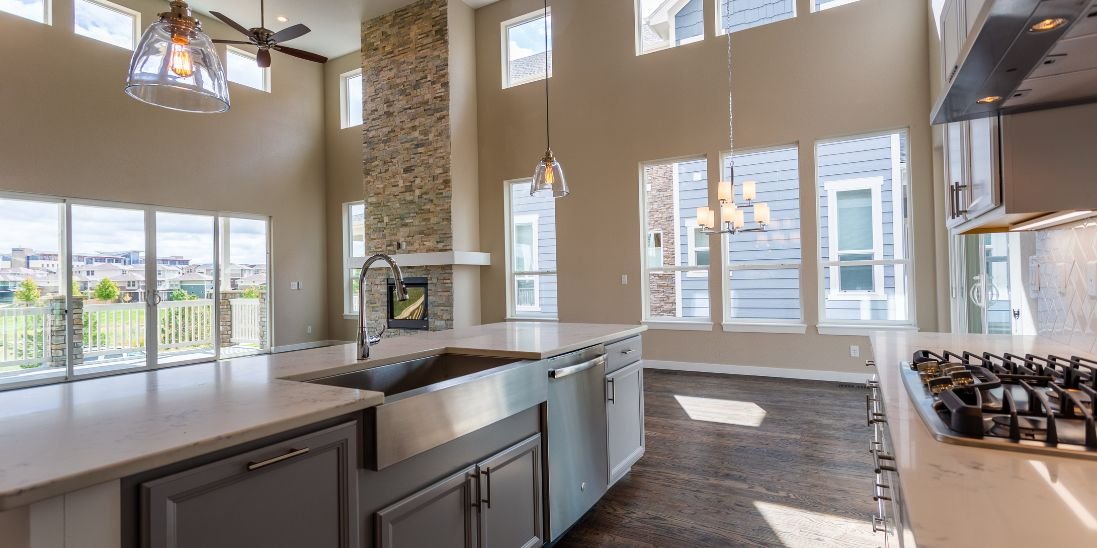
Tips for Settling Into Your New Custom Home
You’ve just moved into your dream custom home, but now what? Our tips will help you settle in and turn your house into a home that truly reflects your style.
We partnered with a home improvement company. for this post. The opinions in the post are honest. All reviews and opinions expressed in this post are based on our personal views. We are excited because we know you will love it.
Congratulations on your new custom home! It’s an exhilarating experience, isn’t it? The smell of fresh paint, the feel of brand-new carpet under your feet, and the sight of shiny appliances all waiting to be used for the first time. While these are all exciting aspects, the process of settling into your new custom home can still feel a bit daunting. That’s why we’ve compiled these tips to help your transition go smoothly.
Making the Move
Before you get overwhelmed with trying to decide where to put all of your prized possessions, remember that moving is a process. Take the time to plan out where your belongings will go in each room. Don’t rush to unpack everything at once; instead, prioritize your unpacking process based on necessity. Start with the essentials like your kitchen items and bathroom necessities, then move on to details like decor items.
Decorating Your New Space
Knowing the dos and don’ts of decorating your custom home can help turn this potentially stressful task into an exciting journey of self-expression. Think about each room’s function and how you want it to feel. This can guide you in choosing the right colors, textures, and styles. It’s your home, so decorate it in a way that makes it a reflection of you.
Getting To Know Your New Custom Home
As you spend more time in your new surroundings, you’ll begin to understand the quirks and unique characteristics of your house. You might find that the afternoon sunlight pours beautifully into the living room, or that the kitchen gets chilly in the morning. Use these observations to make your house feel more like home. This might mean moving your reading nook to take advantage of that afternoon glow, or investing in a cozy kitchen rug.
Settling into your new custom home requires time and patience. But by taking a thoughtful approach to unpacking, decorating, and getting to know your new space, you’ll soon feel right at home. Remember, it’s not a race. Take your time to appreciate the journey of making this house your home.

Organizing Hacks for Homeowners: Streamline Your Space Before Selling
Preparing your home for sale can seem daunting, especially considering how your space's organization and cleanliness could impact its marketability and selling price. With insights from the National Association of Realtors® (NAR) revealing that a well-organized home significantly influences buyer preferences, it's clear that decluttering isn't just about making your space look neat—it's about strategically enhancing your home's appeal. This article delves into effective organizing hacks, drawing from authoritative sources like the NAR, Apartment Therapy, "The Organized Home" by Melissa Maker, and the vast visual inspirations of Pinterest. Let's explore how to transform your home into a buyer's dream, potentially increasing its selling price and making the selling process smoother with a "buy before you sell program" strategy.

Preparing your home for sale can seem daunting, especially considering how your space's organization and cleanliness could impact its marketability and selling price. With insights from the National Association of Realtors® (NAR) revealing that a well-organized home significantly influences buyer preferences, it's clear that decluttering isn't just about making your space look neat—it's about strategically enhancing your home's appeal. This article delves into effective organizing hacks, drawing from authoritative sources like the NAR, Apartment Therapy, "The Organized Home" by Melissa Maker, and the vast visual inspirations of Pinterest. Let's explore how to transform your home into a buyer's dream, potentially increasing its selling price and making the selling process smoother with a "buy before you sell program" strategy.
The Importance of a First Impression
According to the NAR's "2024 Profile of Home Buyers & Sellers," most buyers consider a home's cleanliness and organization crucial in their decision-making process. This sentiment underscores the need for sellers to focus on decluttering and staging their homes to meet buyer expectations. The NAR's guide on producing homes highlights that a well-staged home not only sells faster but can also fetch a higher selling price—sometimes, seeing a percentage increase in offers significantly impacts the final sale price.
Quick Wins for Immediate Impact
Apartment Therapy's "10 Clutter-Clearing Hacks That Take 10 Minutes or Less" offers practical tips for immediate improvements in your home's organization. For example, tackling countertops, drawers, and entryways with quick decluttering sessions can dramatically enhance your space's appearance without overwhelming effort. These quick wins make your home more appealing to potential buyers and contribute to a more spacious and inviting environment.
Strategic Decluttering and Storage Solutions
"The Organized Home" introduces a decluttering flowchart that simplifies the decision-making process on what to keep, discard, or donate. This systematic approach prevents the common pitfall of holding onto items due to emotional attachment and encourages efficient organization. Furthermore, the book provides room-by-room strategies, emphasizing the use of containers and organizational systems to declutter spaces and maintain an aesthetic coherence that appeals to potential buyers.
With its vast array of "Home Organization" boards, Pinterest offers endless visual inspiration for creatively organizing different areas of your home. From DIY storage hacks to structured decluttering challenges, the platform encourages homeowners to adopt innovative and personalized strategies to enhance their space's functionality and appearance.
Leveraging Visual Transformations
Apartment Therapy's "Before & Afters: Dramatic Organizing Transformations" showcases the potential of decluttering efforts through real-life examples. These stories and Pinterest's visual inspiration prove how strategic organizations can transform a space. Implementing these ideas maximizes your home's appeal and serves as a motivational boost during the organizing process.
Organizing your home before selling is more than a mere cleanup; it's a strategic move that can significantly influence your home's marketability and selling price. Drawing on the insights from industry experts and combining them with practical, actionable tips, such as those from Apartment Therapy and "The Organized Home," can make the process less daunting and more effective. Remember, the goal is to present your home in a way that resonates with potential buyers, showcasing a space they can envision as their own. By decluttering, staging, and utilizing innovative storage solutions, you can transform your home into an organized, appealing space that stands out in the market. Whether leveraging the "buy before you sell program" or employing tailored decluttering strategies, the effort you put into organizing your home can make a substantial difference in the selling process.

