

A resource for those seeking information on organizing and transforming spaces.

Mastering the Art of Organizing Your Self Storage Unit
To organize a self storage unit efficiently, start by decluttering and categorizing items. Use clear bins for easy identification, label everything clearly, stack boxes to maximize space, create an aisle for access to all items, and consider shelving units to keep things off the floor and organized.
We partnered with a storage company. for this post. The opinions in the post are honest. All reviews and opinions expressed in this post are based on our personal views. We are excited because we know you will love it.
What are some tips for organizing a self storage unit efficiently?
To organize a self storage unit efficiently, start by decluttering and categorizing items. Use clear bins for easy identification, label everything clearly, stack boxes to maximize space, create an aisle for access to all items, and consider shelving units to keep things off the floor and organized.
Introduction
When you're getting your storage unit ready, keeping things organized is super important. If you arrange your stuff the right way, not only will you make the most out of the space, but finding what you need later on won't be a headache. There are lots of tips to get more from your storage space, such as using clear plastic bins for easy access and choosing good shelves for efficient storage. Knowing how to tidy up your self-storage spot means less time wasted and no fuss digging through messy boxes. So why not get better at organizing now?
Preparing Your Storage Unit for Organization
Before you start organizing your storage unit, take a moment to think about what items you'll be storing. Make a detailed list of everything to help use the available storage space in the best way possible. Instead of using cardboard boxes, which might not last long, go for clear plastic bins to store items. They're tougher and let you see what's inside without opening them up. To make the most out of the space going upwards, consider getting some good shelving units. Getting ready properly is crucial for keeping your storage unit tidy and makes finding things much easier when you need them.
Assessing What You Plan to Store
Before you start putting things away, it's a good idea to think about what you want to keep in your storage unit. Make a list of all the stuff that's taking up too much space at home or those items you just need to put aside for a while. By doing this, you'll figure out exactly what packing materials you might need and how best to arrange everything so it fits nicely. It helps if your list is organized by categories because this makes finding and storing things way easier. Knowing what’s inside each box or bin means less hassle when it comes time to find something specific later on. With an eye on the kinds of things you're planning to store, picking the right containers and spots for them becomes a great way to simplify your storage process.
Creating a Detailed Inventory List
After you've figured out what items you're going to keep in your self storage unit, it's really important to make a thorough list of everything. This should cover the number of each box, what's inside them, and any special directions for things that could break easily. Having a master list and map of your storage unit allows you to easily locate items, even if they are buried in the back of the storage unit. This way, you can avoid blindly digging through boxes and potentially damaging your belongings. For keeping things organized and making sure you can get to them without hassle, think about marking your boxes with a permanent marker.
Essential Supplies for an Organized Storage Unit
When you're getting your storage space all sorted out, it's super important to have the right stuff on hand. Go for clear plastic bins over cardboard boxes because you can see what's inside them way easier. It’s a good idea to get some strong shelving units too, so you can use up every bit of space effectively. With clear bins, spotting what you need is a breeze and those tough shelves are great for holding heavy items without any trouble. Don't forget to keep a permanent marker close by so you can label each bin properly. These tools will help make organizing your storage unit much smoother and keep everything looking neat and tidy. Additionally, it's important to group similar items together at the front of your unit for easy access and to leave an aisle to walk in and out with ease.
The Importance of Using Clear Plastic Bins Over Cardboard Boxes
When it comes to keeping your stuff in a storage unit, clear plastic bins are way better than cardboard boxes. They keep your belongings safe from dampness, mold, and bugs, making sure everything stays just like new. With their see-through sides, you can easily spot what's inside without having to dig through each box. These sturdy containers can be stacked on top of each other too, which is great for using the storage space smartly. Choosing these plastic bins is definitely a smart move if you want to protect your items while they're stored away.
Selecting the Right Shelving Units to Maximize Space
When you're setting up your storage unit, picking the right shelves is key to using the space well. Go for shelves that you can adjust so they fit items of different sizes. It's a good idea to pick ones made from strong metal or tough plastic since they last longer and can support fragile items. Having wheels on your shelving can make moving things around a breeze. Also, getting shelves with several levels helps use up vertical space better. By choosing the best shelving options, you'll be able to pack more into your storage unit and keep everything tidy.
Strategies for an Efficient Layout
When setting up your storage unit, it's really important to make the most out of every inch and keep things easy to get to. Start by putting stuff you use a lot right at the front so you can grab them without any trouble, while things you only need now and then can go towards the back. By making good use of vertical space, like piling boxes on top of each other or getting some solid shelves, you'll free up more room for available space. With painter’s tape, mark different areas so everything stays where it should be. Following these tips will help organize your storage unit better and make finding what you need less of a hassle.
Designing a Layout That Maximizes Accessibility
When you're setting up your self storage unit, make sure everything is easy to get to. Put the items you'll need access to in the front of your storage unit so they're easily accessible. With boxes and bins, put the heavy ones on the bottom and lighter ones above them. By using tall shelving units, you can take advantage of vertical space too. Make sure every box has a label showing what's inside for quick spotting. Organize things by putting similar items together; this makes finding what you need faster and cuts down on hassle when searching through your storage unit.
Utilizing Vertical Space: Tips for Stacking and Shelving
When you're setting up your storage unit, it's really important to use the space going up. To do this right, stack boxes high and make good use of shelves. Begin with the heavy stuff at the bottom and put lighter boxes above them. Think about getting strong shelving units that can hold all your things without a problem. For those smaller bits and pieces, bins are super handy to keep everything tidy. By stacking boxes and utilizing shelves, you'll be able to make the most out of the vertical space in your storage unit efficiently. Don't forget to keep a stool or ladder handy for accessing high items.
Keeping Your Storage Unit Safe and Secure
Knowing how key it is to manage the climate in your storage unit helps keep your stuff in good shape. Choosing a lock that keeps things safe is really important for looking after what you own. It doesn't matter if you're keeping holiday decorations or something pricey, making sure they're secure matters a lot. With these steps, you can stop bugs, dampness, and mold from ruining anything. This way, you'll feel at ease knowing everything's safe in your storage place.
Understanding the Importance of Climate Control
Keeping your stuff in a storage unit safe really depends on managing the temperature inside. If it gets too hot or cold, things like photos, electronics, and wood can get ruined for good. By making sure the temperature stays steady, you stop bad stuff like mold and mildew from growing or wooden items from bending out of shape. Before picking a storage spot, think about what the weather usually likes around there and choose one that keeps the air just right to protect your belongings longer. Putting climate control high on your list when choosing a storage unit makes a big difference in keeping everything in top shape.
Lock Selection: Ensuring Your Items Are Protected
When you're picking out a lock for your storage unit, make sure security is at the top of your list. Go for a strong padlock that comes with something called a shackle guard; it helps keep tampering away. Instead of just any old padlock, think about getting a disc lock because they're tougher against tools like bolt cutters. You'll also want to pick one that can stand up to drilling and being pried open. Keep in mind, spending money on a really good lock is key if you want to protect your belongings well inside your storage unit.
Conclusion
Keeping a tidy storage unit is more beneficial than you might realize. With these tips, your belongings will be secure and easily accessible whenever you need them. An organized storage space saves you time and effort in the long run. So, invest some effort upfront, choose high-quality storage supplies, and enjoy the benefits of a well-maintained self-storage unit. Additionally, considering a facility like Lakeside Storage can be a great option to ensure your items are stored in a reliable and accessible location.

Top 4 Storage Hacks for Keeping Your Clothes in Pristine Condition
We’ve all been there: when your closet feels overstuffed, your dresser is a tangle of mismatched clothing items, and your wardrobe looks like something out of a nightmare. We make do with what we have the best we can, and with all the distractions of day-to-day life, it’s easy to have this problem sneak up on you. All of a sudden, clothes that should have been in pristine condition are stretched thin, torn, or creased in ways that seem impossible to get out; and you have no idea what happened.
We’ve all been there: when your closet feels overstuffed, your dresser is a tangle of mismatched clothing items, and your wardrobe looks like something out of a nightmare. We make do with what we have the best we can, and with all the distractions of day-to-day life, it’s easy to have this problem sneak up on you. All of a sudden, clothes that should have been in pristine condition are stretched thin, torn, or creased in ways that seem impossible to get out; and you have no idea what happened.
Improper storage of clothing shortens their lifespan, causing beloved articles to degrade in ways both surprising and upsetting. In this article, we’ll show you how to store your clothes so they stay in pristine condition; no matter how long you’ve had them for.
1. Maximize Closet Space
First, we know this may be a bit painful, but if your storage areas are overcrowded; well, you’ve gotta go the Marie Kondo route. If it doesn’t spark joy, it’s gotta go, and the sooner the better.
Audit the clothing in your dresser and your closet, assessing the value of what you have both intrinsically and personally. Fast fashion items are often made of cheaper stuff and will degrade faster than more expensive, well-made items. If your closet or dresser is overcrowded, and fast fashion items are shoved in right next to your more expensive, treasured clothing options, they can cause those expensive items to degrade faster by association.
If you have some fast fashion items that you’d like to keep, consider alternative methods for storage that don’t pack them in with your more expensive stuff. Consider donating anything you don’t want to keep or don’t see yourself wearing for a while to a local shelter. This way, you can declutter while also doing some good, knowing your clothing is going to those who need it.
2. Repair Damaged Items
Whether folding your clothes up in a dresser or hanging them in a closet, make sure that any outstanding damage to your clothing is repaired before storage. Tears, holes, and frays will grow worse if left untreated, especially on the hanger, as they will make your clothing degrade faster over time.
Also, especially when prepping clothing for long-term storage, be sure to wash every article before putting them aside. It may be tempting to transition clothes that have been sitting folded in your dresser for a while to a box without any extra steps, but washing them prevents odors from transferring between items, and can help stave off the odor of staleness that is often a consequence of long-term unuse.
Hack 3: Know When To Fold Vs. Hang
As a general rule, more expensive items should be hung up carefully, without packing clothing around them to minimize wrinkling. Keeping your closet organized in such a way keeps your clothing in top condition, avoiding staining from adjacent fabrics, looking neat, and preventing stretching. Less expensive items, or items being prepped for long-term storage, should be folded. Army rolling your clothes does more to maximize storage space than the traditional fold and also does a better job of preventing creases.
Daily essentials like cotton dress shirts, outerwear, blouses, and henleys should be hung up in your closet or wardrobe; seasonal items like sweaters and thick pants should be hung up in a relevant space in your alternative storage area. The same goes for clothes you keep in your dresser, with daily items army-rolled and packed away close by.
Remember, anything you haven’t used in the last year and has no sentimental value can be discarded; you can inexpensively replace low-quality clothing with high-quality options while also keeping up with current fashion trends. Tricks like looking for vintage clothing items, comparison shopping, or deal-hunting will help you replace old fast-fashion articles quickly.
Hack 4: Choose Your Storage Options
Finally, we come to best practices for alternative storage. Store your clothing in bins that are airtight and weather resistant, as these will degrade less over time and prevent pests from making a home in your clothing. Only use cardboard boxes if you’re planning on keeping them inside your main residence, as they’re more likely to degrade quickly from inadequate temperature conditions.
Follow the above tips, and your clothing will remain pristine; no matter where it's stored.

Elements of Home Design That Can Affect Your Mood
Create a positive and calming atmosphere in your home with mindful design choices. Learn how to use colors, lighting, and layout to boost your mood.
Creating a home that feels like a sanctuary is more than achieving the right aesthetic. The way we design our living spaces can impact our mood and overall well-being. From colors and textures to layout and functionality, every aspect of home design plays a role in how we feel when we walk through the door.
Let's look at some of the most influential elements of home design that can affect mood, and how you can use them to create a space that promotes positivity and happiness.
Lighting
Lighting is one of the most influential elements in home design. The right lighting accents can brighten up your room and your mood. A space that's brightly lit with multiple, varied light sources can make a room feel more open and welcoming. Natural light, in particular, is known to boost serotonin levels, which can improve your mood and focus.
Using a combination of natural lighting and artificial lighting can help you achieve a balanced ambiance that suits different times of the day and activities.
Color Scheme
The colors you choose for your home can have a direct impact on your emotions. Warm colors, such as red, orange, and yellow, are energizing and can make a space feel lively. Cool colors, such as blue, green, and purple, are calming and can help create a serene environment. Neutral tones, such as beige, gray, and white, can create a balanced backdrop that allows other design elements to stand out.
For instance, a bedroom painted in soft blues and greens can promote relaxation and better sleep, while a kitchen with pops of yellow can make mornings feel more cheerful. Understanding the psychology of color can help you create spaces that evoke the desired emotions.
Furniture Arrangement
The way you arrange your furniture can affect how you feel in a space. A cluttered and cramped arrangement can make a room feel chaotic and overwhelming, while an open and spacious layout can promote a sense of calm and relaxation. Consider the function of each room when arranging furniture and leave enough space for movement and flow.
Air Quality and Scent
Good air quality and pleasant scents can enhance the ambiance of your home. Plants are a natural way to improve indoor air quality, as they can filter toxins and increase oxygen levels. Essential oils and scented candles can provide a pleasant aroma that can lift your spirits. Lavender and chamomile scents are known for their calming effects, while lemon and orange scents can be invigorating.
Ensuring good ventilation and incorporating natural elements can create a healthier and more inviting home atmosphere.
When you're designing, or redesigning, a space, keep these elements that can affect your mood at the back of your mind. With careful consideration and intentional choices, you can create a home that promotes positivity, relaxation, and happiness.
How Clutter Impacts Structural Assessments
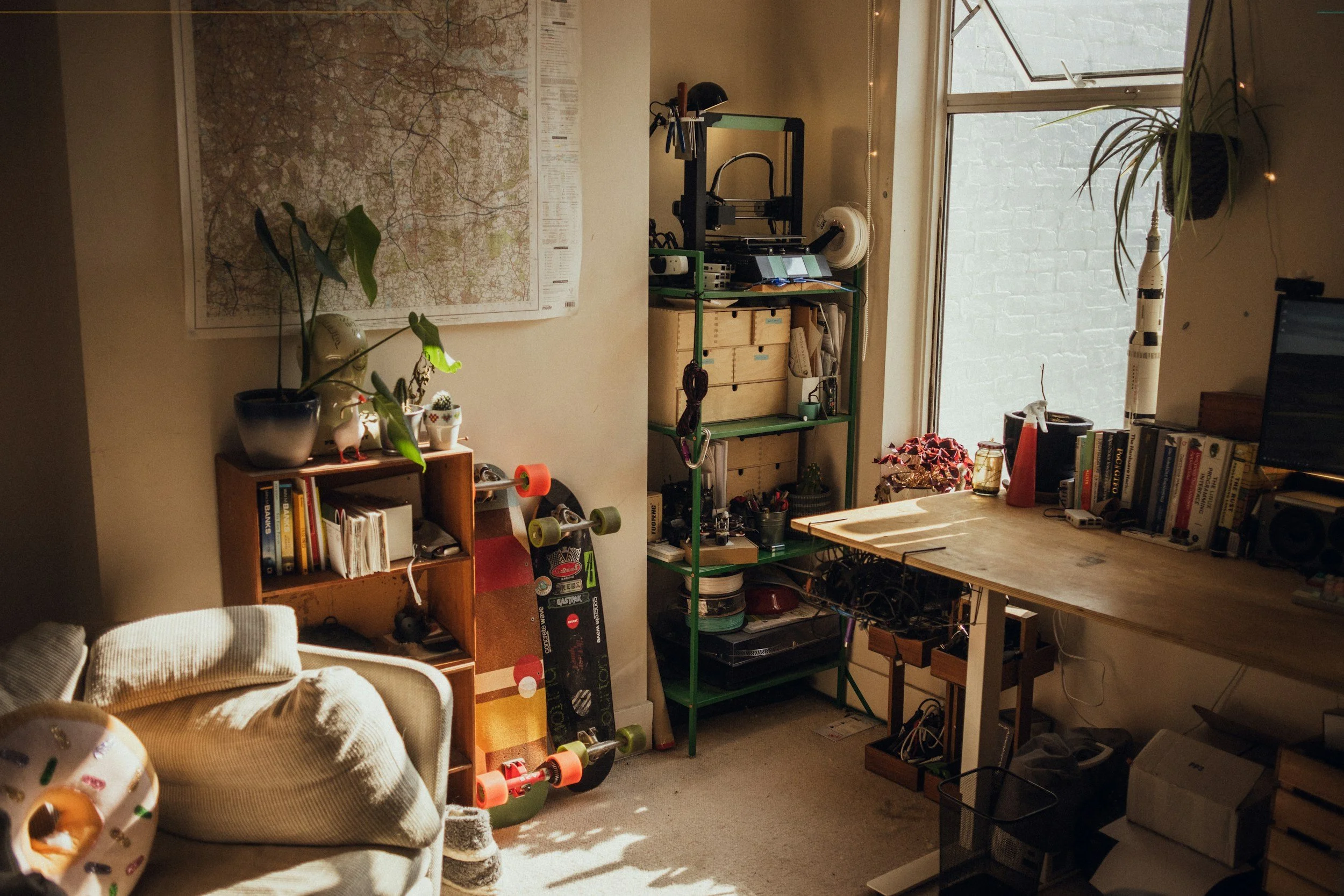
Ever walked into a cluttered room and felt overwhelmed? Now imagine trying to inspect a building's structural integrity in that mess. It's not just annoying – it can be downright dangerous. Let's dive into how all that stuff piling up can seriously complicate structural assessments and repairs.
We partnered with a home improvement company. for this post. The opinions in the post are honest. All reviews and opinions expressed in this post are based on our personal views. We are excited because we know you will love it.
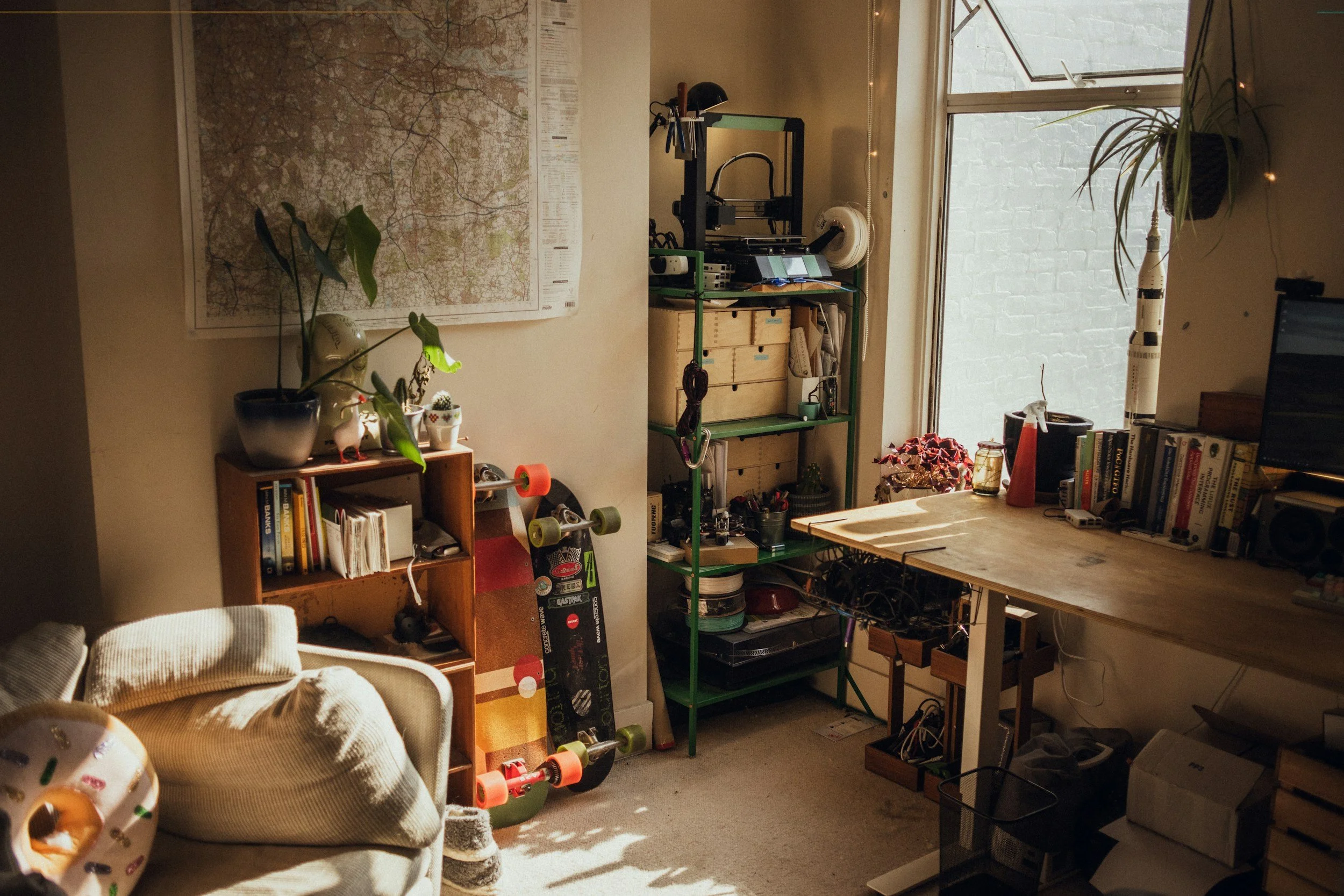
Ever walked into a cluttered room and felt overwhelmed? Now imagine trying to inspect a building's structural integrity in that mess. It's not just annoying – it can be downright dangerous. Let's dive into how all that stuff piling up can seriously complicate structural assessments and repairs.
The Clutter Conundrum in Structural Inspections
We've all been there – trying to find something important in a sea of junk. Now picture an engineer attempting to assess critical building components amidst years of accumulated clutter. It's like trying to solve a puzzle with half the pieces hidden under a mountain of laundry.
Obscured Views and Missed Warning Signs
When clutter builds up, it doesn't just make a space look messy. It can literally hide potential structural issues from view. Those cracks, rust spots, or warped beams? They might be completely obscured by boxes, furniture, or equipment that's been left to gather dust.
A building inspector once shared a story about a close call he had. He was checking out an old warehouse and almost missed a seriously corroded support column because it was hidden behind stacks of old pallets and machinery. If he hadn't decided to move some of that stuff, who knows what could have happened down the line?
The Domino Effect of Disorganization
Here's the thing – when one area is cluttered, it tends to spread. Before you know it, entire sections of a building become difficult to access. This can lead to:
Incomplete inspections
Delayed maintenance
Increased safety risks for workers and occupants
It's a snowball effect that can have serious consequences if left unchecked.
Real-World Consequences: When Clutter Complicates Repairs
Let's look at some real-life examples where clutter threw a wrench in the works:
The Office Building Ordeal
A few years back, there was an office building downtown that needed some urgent steel beam repairs. The catch? Years of accumulated files, old furniture, and who-knows-what-else blocked access to critical areas. The repair team had to spend days just clearing out junk before they could even start assessing the damage. Not only did this delay the repairs, but it also racked up extra costs for the building owners.
The Factory Floor Fiasco
In another case, a manufacturing plant had to halt production due to structural concerns. The problem? Massive machinery and stockpiles of materials made it nearly impossible to properly inspect the support structures. They ended up having to dismantle and move entire production lines just to get a clear look at the building's bones. Talk about a costly and time-consuming headache!
The Residential Nightmare
It's not just commercial spaces that suffer. There was a homeowner who ignored a small leak in their basement for years. By the time they finally cleared out all the stored junk and called in a pro, the water damage had compromised the foundation. What could have been a simple fix turned into a major structural overhaul.
Clearing the Way for Safe and Effective Assessments
So, what can be done to avoid these clutter-induced catastrophes? Here are some practical tips:
Regular Clean-Ups: Don't wait for inspection time. Make decluttering a routine part of building maintenance.
Create Access Plans: Develop clear pathways to critical structural components. Mark these areas and keep them clear at all times.
Document and Organize: Keep detailed records of where important structural elements are located. This can save precious time during inspections.
Educate Occupants: Make sure everyone using the space understands the importance of keeping certain areas clutter-free.
Schedule Periodic Walk-Throughs: Don't wait for problems to arise. Regular checks can catch clutter build-up before it becomes a major issue.
The Hidden Costs of Clutter
It's easy to underestimate the impact of a messy space, but when it comes to structural integrity, the costs can add up quickly:
Increased inspection time (and therefore, higher fees)
Delayed identification of potential problems
More complex and expensive repairs when issues are finally discovered
Potential legal liabilities if structural problems lead to accidents
Declutter for Safety's Sake
Look, it's understandable. Everyone's busy, and sometimes it's easier to just shove things in a corner and forget about them. But when it comes to the buildings we live and work in, that attitude can be downright dangerous.
Next time you're tempted to let clutter pile up, remember the stories shared here. Think about the inspectors trying to do their jobs, the repair teams struggling to access critical areas, and the building owners facing massive bills because small problems grew unchecked.
Let's make a pact, shall we? Whether you're a homeowner, a business manager, or just someone who cares about safety, commit to keeping your spaces clutter-free. Not just for tidiness' sake, but for the structural integrity of the buildings we depend on every day.
A little effort in keeping things organized can go a long way in preventing major headaches (and potential disasters) down the road. So roll up those sleeves, clear out that junk, and give those beams and columns some breathing room. Your future self (and your friendly neighborhood structural engineer) will thank you for it!

