

A resource for those seeking information on organizing and transforming spaces.

The Most Organized Way to Pack Your Home Before a Move
Packing for a move has a way of getting out of control quickly. What starts as a simple plan can turn into stacks of mixed boxes, misplaced items, and unnecessary stress. Staying organized from the beginning makes a noticeable difference, especially when you’re trying to keep your new home functional from day one. Many people choose to work with a full-service provider like Wheaton World Wide to keep everything consistent, but even with support, having a clear system in place is what keeps the process running smoothly.
We partnered with a moving company for this post. The opinions in the post are honest. All reviews and opinions expressed in this post are based on our personal views. We are excited because we know you will love it.

Packing for a move has a way of getting out of control quickly. What starts as a simple plan can turn into stacks of mixed boxes, misplaced items, and unnecessary stress. Staying organized from the beginning makes a noticeable difference, especially when you’re trying to keep your new home functional from day one. Many people choose to work with a full-service provider like Wheaton World Wide to keep everything consistent, but even with support, having a clear system in place is what keeps the process running smoothly.
The goal isn’t just to get everything packed. It’s to pack in a way that makes sense when you start unpacking.
Start with Sorting Before Packing
Packing without sorting is one of the fastest ways to create more work later. Before you bring out boxes or tape, go through your belongings and decide what actually needs to come with you.
Break items into simple categories:
Keep
Donate
Discard
Work through your home in sections rather than trying to handle everything at once. This helps you stay focused and prevents decision fatigue. When you reduce the number of items upfront, the packing process becomes far more manageable.
Use a Consistent Packing System
A clear system keeps everything from becoming scattered. Instead of packing randomly, group items by category and function.
For example:
Keep similar kitchen items together
Pack office supplies in one place
Group cleaning products separately
This approach makes unpacking more efficient and helps you avoid digging through multiple boxes to find what you need. Full-service teams like Wheaton World Wide often follow structured packing methods, which helps maintain that level of organization throughout the move.
Label Boxes with Purpose
Basic labels like “miscellaneous” or “bedroom” don’t provide enough detail. A more thoughtful labeling system saves time and reduces frustration.
Improve your labels by:
Writing both the room and specific contents
Marking boxes that should be opened first
Keeping labels visible on multiple sides
Clear labeling allows you to place boxes exactly where they belong when you arrive. It also makes the unpacking process more efficient since you’ll know what’s inside each box without opening it.
Pack for Protection and Efficiency
Packing isn’t just about filling boxes—it’s about doing it in a way that protects your belongings and keeps things easy to handle.
Keep these basics in mind:
Place heavier items at the bottom
Use padding for fragile items
Avoid overpacking boxes
These steps help prevent damage and make moving day easier. Experienced teams like Wheaton World Wide are trained to handle packing in a way that keeps items secure while staying organized.
Keep Essential Items Separate
Even the most organized packing system won’t help if you can’t access what you need right away. Set aside a group of essentials that stays with you during the move.
Include:
Toiletries
A few changes of clothes
Phone chargers and important documents
Basic kitchen items
Having these items easily accessible makes your first day in your new home much more comfortable.
Think Ahead to Unpacking
Packing decisions should always consider what happens next. If you pack without thinking about unpacking, you’ll likely create extra work for yourself later.
Ask yourself:
Will this box be easy to unpack?
Are the items grouped in a logical way?
Can this go directly into its final spot?
This mindset helps you stay organized beyond moving day.
Use Professional Support to Stay Organized
Packing an entire home takes time, effort, and attention to detail. Even with a solid plan, it can quickly become overwhelming. For many people, combining an organized system with professional help leads to the best results.
Working with a full-service option like Wheaton World Wide allows you to maintain consistency throughout the entire process. Instead of managing every step on your own, you can rely on an experienced team to pack, label, and transport your belongings in a way that supports an organized move from start to finish.

Organized Packing Starts at Home: How Full Service Movers Help You Move Without the Chaos
Packing has a way of getting out of hand fast. What starts as a few boxes in the corner can turn into piles of half-sorted items, misplaced essentials, and a growing sense that you’re running out of time. That’s usually a sign that the process didn’t start with a clear system. Bringing in full service movers can ease the pressure, but the real difference comes from how organized you are before the first box is taped shut.
We partnered with a moving company for this post. The opinions in the post are honest. All reviews and opinions expressed in this post are based on our personal views. We are excited because we know you will love it.

Packing has a way of getting out of hand fast. What starts as a few boxes in the corner can turn into piles of half-sorted items, misplaced essentials, and a growing sense that you’re running out of time. That’s usually a sign that the process didn’t start with a clear system. Bringing in full service movers can ease the pressure, but the real difference comes from how organized you are before the first box is taped shut.
A well-planned move doesn’t rely on last-minute effort. It’s built on simple, consistent steps that keep everything under control from the beginning.
Start with a Clean, Manageable Space
Packing works best when you’re not trying to box up clutter. Before you gather supplies, take a step back and look at what you actually use. Items that don’t serve a purpose in your current routine are unlikely to fit into your next home in a meaningful way.
Go room by room and sort quickly. Keep what you use, set aside what can be donated, and discard what’s no longer worth holding onto. This step doesn’t need to be perfect. The goal is to reduce volume so packing becomes easier and more focused.
Full service movers can handle the packing itself, but even they work more efficiently when they’re not dealing with unnecessary items. A smaller, more organized home leads to a smoother process overall.
Build a Packing System Before You Begin
Packing without a plan usually leads to mixed boxes, missing items, and extra work later. A simple system keeps everything on track.
Start by grouping items by category or by room. Kitchen items stay with kitchen items, office supplies with office supplies. It sounds basic, but it’s one of the most effective ways to stay organized.
Use consistent labeling. Write the room clearly on each box and include a short description of the contents. If you want more control, number your boxes and keep a running list of what’s inside each one. This makes it much easier to find things once you arrive.
Even when working with full service movers, having your own system in place helps you stay involved and aware of where everything is going.
Pack in Phases Instead of All at Once
Trying to pack your entire home in a single weekend rarely works out well. It leads to rushed decisions and disorganized boxes.
Break the process into stages. Start with items you don’t use every day, such as seasonal clothing, decor, and extra linens. Gradually work your way toward daily essentials as your move date gets closer.
This approach keeps your home functional while you pack and prevents burnout. It also gives you time to adjust if something isn’t working.
Full service movers can step in at any stage, whether you want help with everything or just the final stretch. Planning your packing in phases gives you flexibility in how you use their services.
Protect Items Without Overcomplicating It
Packing safely doesn’t require complicated techniques, but it does require attention to detail. Fragile items should be wrapped individually, and heavier items should be packed in smaller boxes to prevent strain.
Use soft items like towels or clothing to add padding where needed. This reduces the need for extra materials and keeps boxes from shifting during transport.
Avoid overfilling boxes. A box that’s too heavy or uneven is more likely to break or be difficult to carry. Keeping things balanced makes the move easier for everyone involved.
Full service movers are trained to handle packing efficiently and securely, especially for delicate or bulky items. Knowing when to let professionals take over can prevent damage and save time.
Keep Essentials Separate and Accessible
One of the most common frustrations after moving is not being able to find what you need right away. That’s where an essentials box makes a difference.
Set aside a few boxes for items you’ll need during the first day or two in your new home. This might include toiletries, basic kitchen supplies, important documents, and a change of clothes.
Keep these boxes clearly marked and easy to access. Whether you’re unpacking on your own or working with full service movers, having essentials within reach makes the transition far more comfortable.
Maintain Organization During Unpacking
Packing is only half the process. Unpacking can quickly undo your hard work if you rush through it without a plan.
Start with the most important areas, such as the bedroom and kitchen. Focus on getting those spaces functional before moving on to less critical items.
Unpack one box at a time and put items away as you go. Leaving things in temporary piles often leads to clutter that lingers longer than expected.
The structure you created during packing should carry over into unpacking. When boxes are labeled clearly and packed thoughtfully, it becomes much easier to settle in without chaos.
A More Controlled Way to Move
Packing doesn’t have to feel overwhelming or disorganized. When you start with a clear plan and take it step by step, the process becomes far more manageable.
Full service movers can take care of the heavy lifting and the detailed work, but the foundation of a smooth move still begins at home. A well-organized approach reduces stress, saves time, and helps you transition into your new space without the usual frustration.
When everything has a place and a purpose, moving stops feeling like a scramble and starts to feel like progress.

Organizing Your Home Office for Maximum Focus (No Cable Chaos!)
A cluttered home office does more than look messy. It quietly chips away at your focus, productivity, and even your mood. Whether you are working remotely full-time or managing side projects, the way your workspace is organized can make or break your efficiency. This guide will show you how to eliminate cable chaos, streamline your setup, and design a workspace that keeps your mind sharp and your workflow uninterrupted.
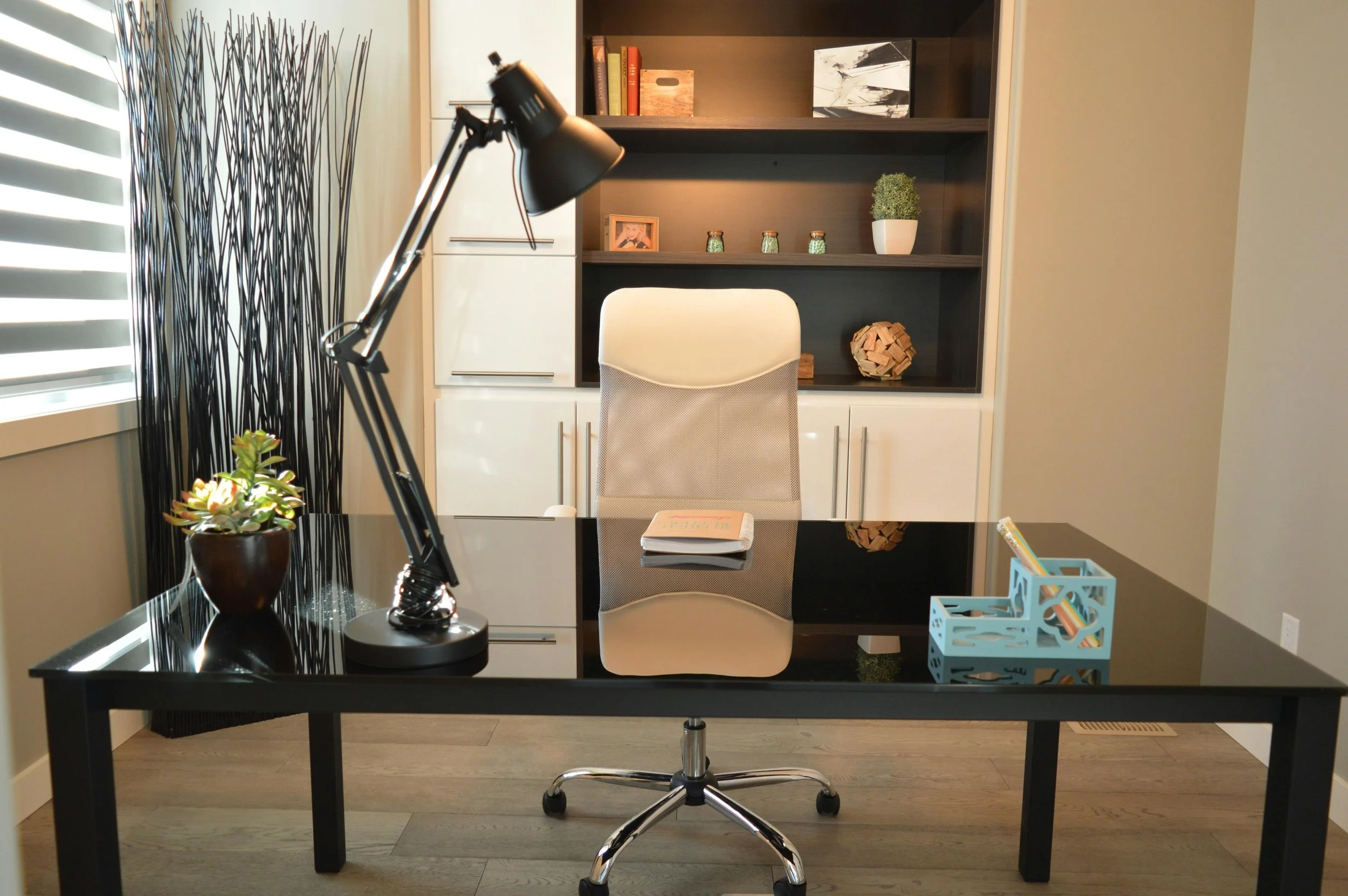
A cluttered home office does more than look messy. It quietly chips away at your focus, productivity, and even your mood. Whether you are working remotely full-time or managing side projects, the way your workspace is organized can make or break your efficiency. This guide will show you how to eliminate cable chaos, streamline your setup, and design a workspace that keeps your mind sharp and your workflow uninterrupted.
Start with a Clear Vision
What kind of space lets your mind settle best. Picture it without moving a single thing yet. Is quiet essential, or just fewer things on display. Maybe everything within reach matters most. Knowing that shapes how you arrange the room. Jumping into changes too soon often leads to clutter dressed up as order. Let purpose guide each decision instead.
A workspace works best when seen as a network of tools, each with its own role. When something lacks a clear job, it earns no spot on the desk. Belonging somewhere means serving a function every day. Without usefulness, removal makes space for what matters.
Declutter Ruthlessly
Stuff piled up kills focus fast. Pull every item off your work surface, then split them - things you need nearby go here, extras move to storage, the rest leave for good.
Truth comes first. Clutter like outdated notes, forgotten electronics, leftover pens - they clutter sightlines. This principle applies even if you are staging your home for productivity or lifestyle appeal, much like preparing properties such as houses for sale St Georges Basin, where clean and minimal spaces attract attention and create a sense of calm.
Master Cable Management
Cable chaos is one of the most common issues in home offices. Tangled wires not only look messy but also make cleaning and adjustments frustrating.
Here are practical solutions:
Use cable clips to secure wires along the edges of your desk
Label cords so you can identify them easily
Invest in a cable management box to hide power strips
Route cables under the desk using adhesive hooks or trays
Wireless devices can also reduce clutter significantly. Switching to a wireless keyboard, mouse, or printer helps minimize the number of visible cables.
Optimize Your Desk Layout

An efficient layout reduces unnecessary movement and keeps everything within reach. Position your monitor at eye level to prevent neck strain, and keep frequently used items within arm’s reach.
Follow the “zone method”:
Primary zone: Keyboard, mouse, and monitor
Secondary zone: Notebooks, phone, and daily tools
Tertiary zone: Storage items and less-used accessories
This structure keeps your workflow smooth and prevents constant repositioning.
Invest in Smart Storage Solutions
Storage is not just about hiding clutter. It is about accessibility and efficiency.
Consider these options:
Drawer organizers for small items
Vertical shelves to save desk space
Filing systems for documents
Storage bins for cables and tech accessories
Using vertical space is especially effective in smaller rooms. Wall-mounted shelves or pegboards can hold supplies without crowding your desk.
Control Visual Distractions
Your environment should support focus, not compete for attention. Avoid overly bright colors, excessive decorations, or busy patterns.
Instead:
Use neutral tones for a calming effect
Add one or two personal items that inspire you
Keep surfaces as clear as possible
A clean visual field helps your brain stay engaged with your work rather than wandering.
Lighting Matters More Than You Think
Poor lighting leads to eye strain and fatigue. Natural light is ideal, so position your desk near a window if possible.
If natural light is limited:
Use a desk lamp with adjustable brightness
Choose warm white light for comfort
Avoid harsh overhead lighting that creates glare
Proper lighting not only improves focus but also enhances your overall work experience.
Create a Daily Reset Routine
Even the most organized office can become messy without maintenance. Spend five minutes at the end of each day resetting your workspace.
This includes:
Returning items to their designated places
Clearing your desk surface
Organizing cables if needed
A daily reset ensures you start each morning with a clean and focused environment.
Final Thoughts
A workspace does not need to look flawless. What matters is how well it helps you think clearly, stay on track. Tangled wires disappear when cords get tucked away neatly. Less mess means fewer distractions pulling attention elsewhere. Pick just one corner first - habits grow stronger that way. Small steps lead to steady improvements over time. A clutter-free workspace does more than look neat. When things have their place, your mind stays sharp, tasks move faster, one step leads to the next without delay.

5 Tips for a Stress-Free Home Sale and Seamless Move to a New State
Selling your home and moving across state lines is one of the major transitions we undergo in life. It signals the end of a chapter and the exciting start of a brand-new adventure. However, the logistics of balancing a property sale with a long-distance relocation can feel overwhelming. You have to manage timelines, paperwork, and packing all at the same time. The secret to a successful transition is a mixture of early preparation and professional support.

Selling your home and moving across state lines is one of the major transitions we undergo in life. It signals the end of a chapter and the exciting start of a brand-new adventure. However, the logistics of balancing a property sale with a long-distance relocation can feel overwhelming. You have to manage timelines, paperwork, and packing all at the same time. The secret to a successful transition is a mixture of early preparation and professional support.
In this article, we’ll share five essential tips to help you navigate your home sale and interstate move with total confidence.
Partner With Local Real Estate Experts for a Faster Sale
The first step to a successful relocation is ensuring your current home sells quickly and for the best possible price. You need a professional who understands the nuances of your specific neighborhood and the current buyer climate. Local real estate agents, like those from Jones Realty SoCal, bring invaluable market data and negotiation skills to the table. They can help you identify which minor repairs will offer the highest return on investment before you list.
These experts handle the heavy lifting of marketing, showing your home, and vetting potential buyers. Having a dedicated advocate allows you to focus your energy on your upcoming move rather than worrying about the fine print of a sales contract. A great agent simplifies the legal hurdles and ensures that your closing date aligns as closely as possible with your relocation schedule.
Declutter Your Living Space to Simplify the Packing Process
Moving to a new state is the perfect opportunity to evaluate your belongings and lighten your load. Carrying items you no longer use across state lines is expensive and physically exhausting. Start by going through every room in your house and Categorizing items into keep, donate, or sell piles. This process reduces the volume of goods you need to pack and lowers your overall moving costs.
A clutter-free home also looks much more appealing to prospective buyers during open houses and private tours. It allows them to envision their own furniture in the space without being distracted by your personal overflow. By thinning out your inventory early, you make the eventual packing phase much faster and more organized. You will arrive at your new home with only the things that truly matter to your future lifestyle.
Hire Long-Distance Movers to Handle the Heavy Lifting
An interstate move involves much more than just driving a truck for a few hours. It requires careful route planning, secure loading techniques, and strict adherence to federal transportation regulations. Professional long-distance movers, such as NetMOVE, specialize in these complex logistics to ensure your furniture arrives safely. They provide the specialized equipment and sturdy packing materials needed to protect your valuables over hundreds of miles.
Hiring a full-service moving company eliminates the physical strain and mental exhaustion of doing everything yourself. They can offer tracking services so you always know exactly where your belongings are during the journey. Entrusting the heavy lifting to experienced professionals gives you the freedom to travel to your new state with peace of mind. You can focus on your family or your new job while the experts manage the physical transition of your household.
Create a Detailed Financial Plan for Your Interstate Transition
Moving to a different state often comes with hidden costs that can surprise you if you are not prepared. Beyond the obvious moving company fees, you must account for travel expenses, utility deposits, and new registration fees. It is wise to create a comprehensive budget that includes a small buffer for unexpected repairs or last-minute supplies. Research the cost of living in your new destination to understand how your daily expenses might change.
You should also keep a close eye on the net proceeds from your home sale to ensure you have liquid cash available for your new down payment. Keeping your financial documents organized in a central folder will make the mortgage process for your new home much smoother. A clear financial roadmap reduces anxiety and prevents the "sticker shock" that often accompanies a large-scale relocation.
Establish a Clear Timeline for Your Utilities and Documentation
The final piece of a seamless move is managing the administrative transition between your old life and your new one. You must coordinate the disconnection of utilities at your current home with the activation of services at your new residence. It is helpful to schedule these changes at least two weeks in advance to avoid spending your first night in the dark. You will also need to update your address with the postal service, your bank, and your insurance providers.
Don't forget to research the requirements for obtaining a new driver’s license and registering your vehicle in your new state. Many states have specific deadlines for new residents to complete these tasks after they arrive. Staying ahead of these administrative details ensures that your first week in your new home is spent relaxing rather than chasing down paperwork. A well-managed schedule turns a chaotic move into a controlled and predictable event.
Conclusion
Relocating to a new state is a bold step toward a bright future. By hiring the right professionals and staying organized, you can eliminate the typical stresses of the real estate market. Remember that preparation is your most powerful tool during this transition. Once the last box is unpacked, you will be ready to enjoy everything your new community has to offer.