

A resource for those seeking information on organizing and transforming spaces.

Tips for Maintaining the More Out‑of‑the‑Way Areas of Your Home
Every home has areas that rarely get attention, such as the spaces that sit behind your large appliances, that are above eye level, require you to climb into unconventional areas, or that are tucked into corners you only notice when something goes wrong. These out‑of‑the‑way places often collect dust, moisture, pests, and debris long before homeowners realize there’s an issue. While routine cleaning keeps visible surfaces looking good, deep cleaning and ongoing maintenance of hidden areas also play a major role in protecting your home.

Every home has areas that rarely get attention, such as the spaces that sit behind your large appliances, that are above eye level, require you to climb into unconventional areas, or that are tucked into corners you only notice when something goes wrong. These out‑of‑the‑way places often collect dust, moisture, pests, and debris long before homeowners realize there’s an issue. While routine cleaning keeps visible surfaces looking good, deep cleaning and ongoing maintenance of hidden areas also play a major role in protecting your home.
Water Heater and Mechanical Area Maintenance
Mechanical areas such as water heater closets, furnace rooms, and utility spaces are often overlooked because they’re not part of everyday living spaces. However, these areas accumulate dust, lint, and moisture quickly, especially in tight or poorly ventilated corners. Regular cleaning around mechanical equipment helps prevent corrosion, improves airflow, and reduces fire hazards.
Deep cleaning this area includes removing debris from the floor, wiping down accessible surfaces, and ensuring the space remains dry. Moisture around a water heater can indicate a slow leak or condensation issue, both of which can lead to mold or structural damage if ignored. Ongoing maintenance involves checking for rust, inspecting connections, and keeping the area free from stored items that restrict ventilation. A clean, well‑maintained mechanical area helps your equipment operate safely and efficiently.
Narrow Gaps, Tracks, and Channels
Some of the most stubborn buildup occurs in narrow spaces that are easy to forget but hard to clean. Window tracks and door rails collect dirt, pollen, and moisture that can affect smooth operation and contribute to mold growth. These areas often require a deep clean using narrow brushes, cotton swabs, or vacuum attachments designed for tight spaces.
Baseboards and trim edges also accumulate dust quickly, especially in corners or behind furniture. Regular dusting helps, but deep cleaning with a damp cloth or gentle cleaner removes the grime that settles over time. Cabinet gaps and between‑appliance spaces are notorious for trapping crumbs, pet hair, and debris. These areas benefit from periodic deep cleaning using crevice tools or flexible dusters. Maintaining these small but important features helps preserve the appearance and function of your home’s interior.
Crawl Space Cleaning and Moisture Control
The crawl space is one of the most out‑of‑the‑way areas in any home, and it often goes years without attention. Because it is dark, enclosed, and difficult to access, it becomes a collection point for debris, pests, and moisture. Deep cleaning involves removing old insulation, organic material, and contaminants that affect air quality and structural health.
Once cleaned, crawl space waterproofing becomes essential for long‑term maintenance. Vapor barriers, drainage systems, and sealing techniques help prevent moisture from entering the space. Moisture in the crawl space can lead to mold, wood rot, and humidity migration into the living areas above. Waterproofing, something that can be done with the help of professionals like Josh Lowe's Dr. Energy Saver, protects the home’s foundation, improves indoor air quality, and reduces energy loss.
Ongoing crawl space maintenance includes monitoring humidity levels, checking for leaks, and ensuring the waterproofing system remains intact. A well‑maintained crawl space supports a healthier, more efficient home.
Attics and Insulation Surfaces
Attics are another area that homeowners rarely see, but that requires periodic deep cleaning and maintenance. Dust, insulation fibers, general debris from what you store, the age of your attic, and pest debris accumulate in attic corners and along insulation surfaces. Over time, this buildup can affect indoor air quality and reduce insulation performance.
Deep cleaning includes removing debris, vacuuming accessible surfaces, and checking for signs of pests or moisture. Maintaining the attic involves inspecting insulation for settling or damage, ensuring ventilation pathways remain open, and monitoring for roof leaks or condensation. Proper care of attic corners and insulation surfaces helps protect the home’s energy efficiency and structural integrity. A clean, well‑maintained attic also reduces the risk of mold growth and improves the overall comfort of your home.
Dryer Vent Cleaning and Maintenance
Dryer vents are one of the most important yet overlooked areas that require a deep cleaning. Lint accumulates not only in the lint trap but also in the vent line. This buildup restricts airflow, reduces dryer efficiency, and significantly increases fire risk.
A thorough dryer vent cleaning involves clearing the entire vent pathway, including elbows, long runs, and the exterior exit point. Regular dryer vent maintenance ensures safe operation and prevents lint from accumulating again. Homeowners should watch for warning signs such as longer drying times, excessive heat, or a burning smell. In many cases, especially when the vent line is long or difficult to access, professional cleaning is necessary to ensure the system is fully cleared.
Deep cleaning and maintaining the out‑of‑the‑way areas of your home is essential for long‑term comfort, safety, and efficiency. These hidden spaces influence everything from air quality to energy use, yet they are often the first to be forgotten. By understanding the importance of deep cleaning hidden areas and committing to regular maintenance, homeowners can prevent costly repairs, extend the life of their home’s systems, and create a healthier living environment. Proactive care ensures that even the most overlooked corners of the home remain clean, functional, and protected.

How to Organize a Home Music Practice Space Without Letting Accessories Take Over
A home music space can quickly fill with small items. Cables, sheet music, picks, and cases tend to spread across every surface. What starts as a simple setup can turn into a crowded area that makes practice harder. A clear system helps keep everything in place while still allowing easy access.

A home music space can quickly fill with small items. Cables, sheet music, picks, and cases tend to spread across every surface. What starts as a simple setup can turn into a crowded area that makes practice harder. A clear system helps keep everything in place while still allowing easy access.
Define a Clear Practice Zone
Start by choosing a dedicated area for music. This can be a corner of a room or a small section of a shared space. Keeping instruments and accessories in one place prevents them from spreading throughout the home.
The practice zone should have enough room for movement and storage. A defined space also makes it easier to maintain order over time.
A chair, stand, and instrument should fit comfortably without feeling cramped. This setup helps create a consistent routine and keeps distractions low.
Limit What Stays Out
Only keep essential items within reach during practice. This may include your instrument, a music stand, and current sheet music. Extra accessories should be stored away when not in use.
Leaving too many items out can make the space feel cluttered. It can also slow down practice, as time is spent searching for what you need. Rotating materials can help. Store older sheet music and bring out only what you are actively using. Keeping the area simple should be the goal.
Use Vertical Storage
Wall space is often underused in home setups. Hooks, shelves, and wall-mounted racks can hold instruments and accessories without taking up floor space. This keeps items visible and easy to access.
Using vertical storage also helps keep the space cleaner. Vacuuming and wiping down furniture become easier when there isn't clutter in the way.
Organize Small Accessories
Small items are often the hardest to manage. Picks, tuners, and cleaning tools can easily get lost. Using small containers or drawer organizers keeps these items grouped together.
Take the time to label containers to save time and reduce frustration. For example, store and label your platinum ligaturein one bin while keeping your reeds and reed cases in another. Knowing where each item belongs will make it easier for you to maintain and continue the system.
Manage Cables and Equipment
Cables can quickly make a room look and feel chaotic if left unmanaged. Using cable ties or clips helps keep them neat and easy to handle. Additionally, storing extra cables in a small container prevents them from tangling or becoming damaged.
Wired equipment, such as amps or speakers, should have a designated place with their cables neatly coiled. Keeping these items close to the practice area not only helps reduce set-up time but also protects them from misuse or damage.
Create a Simple Storage Routine
Organization works best when it becomes part of a routine. After each practice session, take a few minutes to return items to their place. Make a point to have weekly thorough checks for items that are not used daily. This keeps the system working without requiring large cleanups.
Keep the Space Flexible
Music needs can change over time. New instruments or accessories may be added, old ones may be given away or tossed out. Knowing this, avoid filling every storage space up. Leave room for future items to help maintain balance and peace of mind. This approach keeps the area functional and flexible for when needs evolve.
A well-organized music space does more than look neat. It supports focus, saves time, and protects equipment from being lost or damaged. Practice becomes smoother and more enjoyable. By maintaining this system along with some consistent habits, it's possible to keep the space functional without letting it fill up with clutter.
SOURCES
https://www.homesandgardens.com/solved/organize-a-music-room
https://fredberryconstruction.com/blog/music-room-design-guide/

How Your Home Affects Your Decision Fatigue
In the past, we thought of home as just a place to sleep, a neutral backdrop to a busy life. But our homes are actually "doers." They actively influence how much brainpower we have left. Every pile of mail or mismatched lid is a tiny "talker" demanding a decision. It’s like asking for a relaxing evening and being handed a manual for a complex machine instead. By understanding how your space drains your mental battery, you can turn a stressful environment into a sanctuary that works for you.
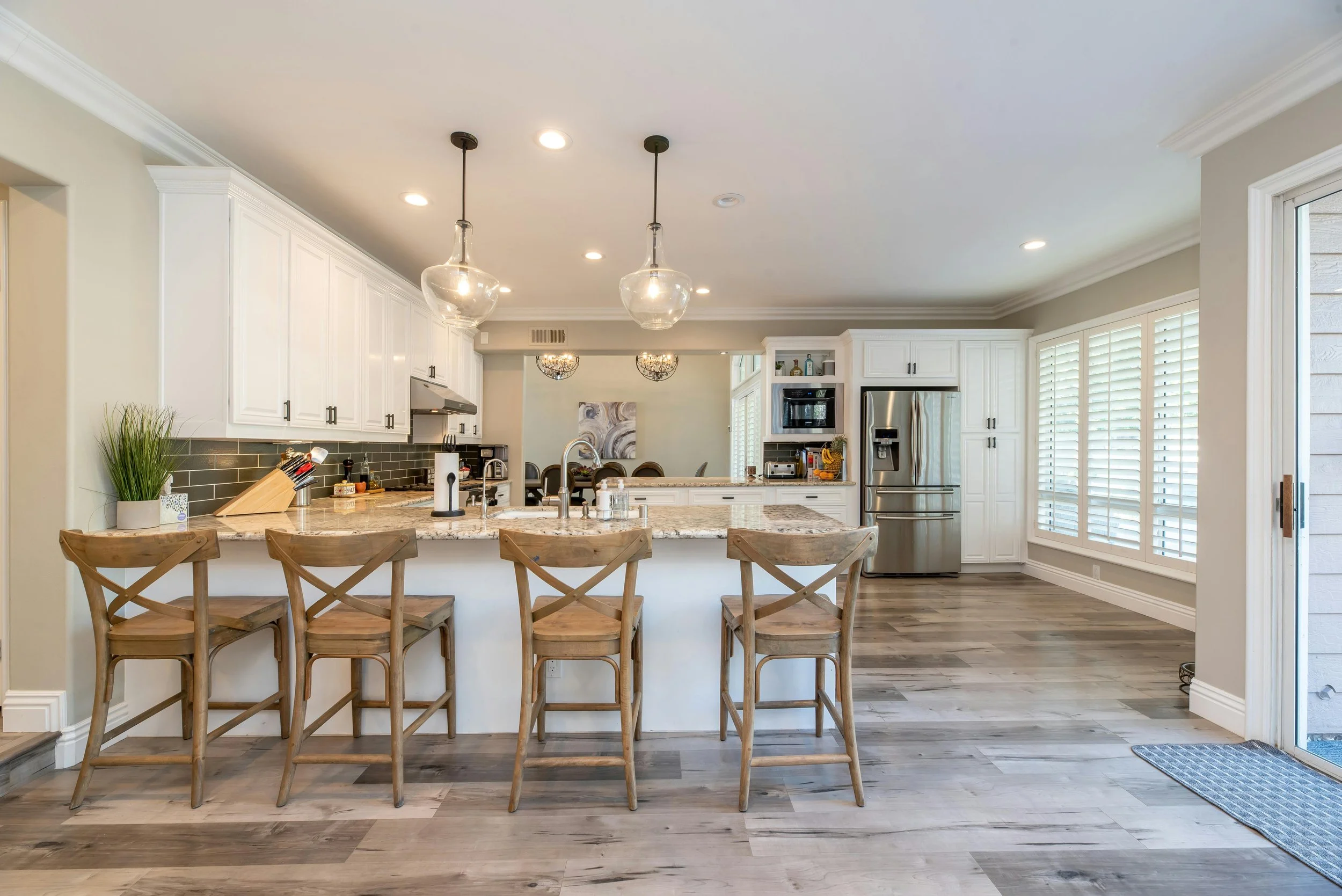
In the past, we thought of home as just a place to sleep, a neutral backdrop to a busy life. But our homes are actually "doers." They actively influence how much brainpower we have left. Every pile of mail or mismatched lid is a tiny "talker" demanding a decision. It’s like asking for a relaxing evening and being handed a manual for a complex machine instead. By understanding how your space drains your mental battery, you can turn a stressful environment into a sanctuary that works for you.
The Silent Drain of Visual Clutter
The biggest mistake we make is looking at a cluttered countertop and seeing a dead end. We think, "I'll get to it later," but our brains are already processing it. Clutter forces constant micro-decisions: Should I move this? Where does it go? This is a win for anxiety and a loss for focus. By clearing the clutter, you stop the stream of questions your brain has to answer.
● The One-Touch Rule: If a task takes less than a minute—like hanging a key—do it now. It removes a future decision.
● Closed Storage: Swap open shelving for cabinets. If you can't see the mess, your brain doesn't have to process it.
● Surface Zero: Keep your kitchen island clear. It provides instant mental peace.
Establishing "Auto-Pilot" Stations
To get the most out of your home, value routines as much as square footage. You can't let your morning start with a scavenger hunt for your shoes while deciding what to eat. Creating a dedicated "launch pad" near the door gives you a system that handles the heavy lifting. When everything has a fixed home, the "where is it?" decision disappears entirely.
● The Command Center: One spot for mail, chargers, and keys removes major daily decisions.
● Uniform Hangers: Identical hangers make it easier to see your clothes without visual distraction.
● Pre-Set Lighting: Use smart bulbs to dim the lights at 9:00 PM. The house should tell you when it’s time to wind down.
Designing for Intentionality
When looking for a new home or renovating, layout is the ultimate "doer." In the competitive world of Point Cook real estate, modern designs focus on reducing friction. Open-plan living is great, but if your office is in the middle of the kitchen, your brain has to decide between "work mode" and "snack mode" every five minutes. A well-designed home creates boundaries that make life easier.
● Zoned Living: Define rooms for specific tasks so your brain knows when work is officially over.
● Built-in Functionality: Look for clever storage solutions that hide the mess.
● Natural Flow: A home that makes sense to walk through removes the subconscious decision of how to navigate.
The "Doer" Kitchen: Reducing Mealtime Stress
The kitchen is often the headquarters of decision fatigue. By turning your kitchen into a "doer," you take the advice and turn it into action. Setting up your workspace so tools are within arm's reach removes the headache of digging through drawers. It turns a stressful chore—cooking—into a finished job that doesn't feel like a mountain to climb.
● The Pantry Audit: Keep healthy snacks at eye level so the "healthy choice" is the easiest one.
● Meal Planning Kits: Store all your baking or pasta gear in one bin so you don't have to hunt.
● Limited Choices: You don't need twenty different mugs. Reducing options leads to a clearer mind.
Sensory Cues and Mental Reset
Your home should complete the task of relaxation for you. Sensory cues like scent, sound, and temperature are the backend systems of your mood. If your home is too loud or bright, your brain is constantly filtering out discomfort. Giving these agents the power to execute a "mood shift" makes life easier. It provides high-tier, reliable comfort, turning a tired house into a high-functioning home.
● Soundscaping: Use white noise or soft music to drown out street sounds.
● Scent Association: Lighting the same candle every evening tells your brain that the "deciding" part of the day is finished.
● Temperature Control: A cool bedroom removes the micro-decisions of trying to get comfortable.
Your home is either a partner helping you manage your day or a silent competitor for your attention. There’s something incredibly rewarding about walking through your front door and feeling your shoulders drop because the house has already handled the "micro-tasks" for you. Don't wait for a "perfect" renovation to start. Grab a box and clear one countertop this weekend. You’ll be surprised at how much more brainpower you have once you start focusing on the potential of a space that truly supports you.

How a Storage Shed Can Solve Your Home Organisation Problems
Struggling with clutter and limited storage space at home? Discover how a storage shed can transform your home organisation — from garage overflow to seasonal storage.

Here is a question worth sitting with for a moment: when did your garage stop being a garage and start being a dumping ground?
If you are honest about it, the answer for most households is — gradually, and then all at once. The camping gear that needed 'somewhere to go' after the last trip. The kids' bikes that outgrew the hallway. The boxes from the last house move that never quite got unpacked. The power tools that live on the laundry floor because there is nowhere else. Before long, a space that was supposed to be functional becomes a source of daily stress.
The good news is that this is one of the most solvable problems in home organisation. A dedicated storage shed gives everything that currently has no home a proper place to live, freeing up your indoor spaces for the purposes they were actually designed for. If you are not sure where to start, a solid decluttering checklist can help you decide what to keep — and what to finally let go. In this guide, we break down exactly how a storage shed solves the most common home organisation problems — and what to look for when choosing the right one for your property. According to self-storage industry research, millions of households rely on dedicated storage structures to manage household overflow effectively.
Why Home Organisation Feels Impossible Without Extra Storage
Most home organisation advice focuses on decluttering, sorting, and finding smarter ways to use the space you already have. And while those strategies are genuinely useful, they all share a fundamental limitation: they assume your home has enough storage capacity for everything you need to keep.
For many households, that assumption simply does not hold. Australian homes are increasingly accommodating more people, more gear, and more lifestyle equipment than they were originally designed for. A family of four with active outdoor interests — cycling, camping, gardening, sport — generates an enormous volume of equipment that needs somewhere to live. Indoor storage solutions can only stretch so far before the home starts feeling cramped and chaotic regardless of how well-organised the interior is.
This is the point where a dedicated outdoor storage shed stops being a luxury and starts being a practical necessity. It is not about having too much stuff — it is about having a home that has reached its natural storage limit and needing an intelligent overflow solution that works.
Limited Indoor Space
The average Australian home allocates a relatively small proportion of its floor area to dedicated storage. Cupboards, wardrobes, and pantries fill quickly — and once they are full, everything else tends to migrate to wherever it will fit: under beds, in hallways, stacked in corners of rooms. A storage shed moves the overflow outside, where it belongs, without sacrificing the liveability of your indoor spaces.
Seasonal Items Taking Over
Seasonal items are among the biggest contributors to household clutter — precisely because they are essential but only needed periodically. Christmas decorations, winter duvets, camping equipment, pool toys, and sports gear for different seasons all need somewhere to live during the months they are not in use. Without a dedicated storage space, they end up cycling through your living areas, creating ongoing disruption.
The Garage Overflow Problem
The garage is typically the first indoor space to fall victim to storage overflow — and once a garage becomes a storage room, vehicles go on the driveway, the driveway becomes cluttered, and the visual chaos extends to the exterior of the home. Reclaiming the garage starts with giving its current contents somewhere better to go.
What Is a Storage Shed and How Does It Help?
A storage shed is a dedicated outbuilding — separate from the main house — designed specifically to house items that need protection from the elements but do not need to be kept inside the home. Unlike a garage, which is primarily designed for vehicles, a storage shed is optimised for organisation: shelving, racking, hooks, and designated zones for different categories of items.
Storage sheds range from small garden boxes suitable for a few tools and pots, through to large workshop-style structures capable of housing a full workshop, extensive sporting equipment, and years' worth of household overflow. The right shed for your property depends on what you need to store, how frequently you need to access it, and how much space you have available in your outdoor area.
Types of Storage Sheds Available
Storage sheds are available in a range of materials and configurations to suit different needs and budgets. Steel sheds are the most popular choice for Australian homeowners due to their durability, weather resistance, and low maintenance requirements. Timber sheds offer a more traditional aesthetic and can be well-suited to gardens with a natural or cottage feel. Plastic or resin sheds are a lightweight, low-cost option suitable for storing lighter items in smaller quantities.
In terms of configuration, storage sheds are available as flat-pack kits for self-assembly, as custom-designed structures built to your specific dimensions and requirements, or as pre-fabricated units that are delivered and installed in a single visit.
Who Needs a Storage Shed?
The honest answer is: most households with an outdoor area would benefit from one. Specifically, a storage shed is particularly valuable for families with young children who accumulate outdoor play equipment rapidly, homeowners with active outdoor lifestyles involving camping, cycling, water sports, or gardening, properties where the garage is already used for vehicles and additional storage is needed, households that work from home and need to separate business inventory or equipment from living spaces, and anyone who has found that no matter how many times they reorganise the house, the clutter keeps coming back.
7 Home Organisation Problems a Storage Shed Solves
Let us get specific. Here are the seven most common household organisation problems that a well-chosen storage shed addresses directly and permanently.
1. Garage Clutter
This is the most universal storage shed motivation — and for good reason. When the garage becomes a storage room, the cascading effects touch every part of the home. Cars sit on the driveway or street, tools become inaccessible, and the garage itself becomes a source of frustration every time it is opened. Moving non-vehicle items to a dedicated storage shed immediately restores the garage to its intended purpose and creates a clean, accessible space for both vehicles and the tools that genuinely belong there.
2. Seasonal Items (Christmas, Camping, Sports Gear)
Seasonal items are perfect candidates for shed storage — they are bulky, used infrequently, and need protection from dust and moisture but not the climate control of an indoor space. Christmas trees and decorations, camping gear, winter bedding, pool inflatables, and seasonal sporting equipment all live comfortably in a properly organised shed, ready to be retrieved when needed and out of the way for the rest of the year.
3. Garden Tools and Equipment
Gardening equipment — from hand tools and pots to mowers, leaf blowers, and irrigation equipment — needs to be accessible but does not belong inside the house. A storage shed positioned near the garden provides the perfect solution: everything is at hand when you need it, protected from the elements when you do not, and completely out of the living areas of the home.
4. Kids' Outdoor Toys
Children's outdoor play equipment has a way of colonising every available outdoor space — and then migrating indoors when it rains. Bikes, scooters, trampolines, sandpit toys, sports equipment, and ride-on vehicles all need somewhere to live. A storage shed with a designated kids' zone keeps outdoor toys contained, accessible, and out of the driveway, lawn, and living areas. As children grow and their equipment changes, the shed simply adapts to new storage needs.
5. Workshop and Hobby Space
For homeowners who enjoy woodworking, mechanical projects, craft, or any hands-on hobby, the kitchen table or garage floor is rarely an adequate workspace. A storage shed provides a dedicated area where tools, materials, and works-in-progress can live permanently — without disrupting the rest of the household. With the right shelving, bench space, and power supply, a shed becomes a genuine workshop that supports creative and practical pursuits without encroaching on living areas.
6. Home Office Overflow
The rise of working from home has created a new category of household storage challenge: business inventory, packaging materials, equipment, and files that simply do not belong in a residential living environment. A storage shed provides a clean, dry, secure space for business overflow that keeps commercial items separate from the home environment — improving both the organisation of the workspace and the liveability of the home itself.
7. Business Inventory Storage
Small business owners who operate from home often face the challenge of storing product inventory, packaging, tools, or equipment without taking over the house. A secure, weatherproof storage shed provides a dedicated business storage solution that is physically separate from the home, accessible during working hours, and expandable as the business grows. It is a practical and cost-effective alternative to renting external storage space for small volume inventory.
What to Look for When Choosing a Storage Shed
Choosing the right storage shed involves more than picking a size and a colour. Getting the decision right the first time saves you from outgrowing or under-utilising your investment within a few years.
Size and Space Requirements
The most common storage shed mistake is buying too small. When planning your shed size, think not just about what you need to store today, but what is likely to accumulate over the next five to ten years. A shed that feels generously sized on day one will feel comfortable for years to come. A shed that is barely adequate from the start will feel cramped and frustrating within months. As a rough guide, add at least 20 percent to your initial size estimate to allow for future growth.
Material — Steel vs Timber
For most Australian homeowners, steel is the practical first choice for a storage shed. It is highly durable, resistant to termites and rot, requires minimal maintenance, and performs well in all weather conditions including high heat, heavy rainfall, and coastal environments. Timber sheds offer a warmer aesthetic that suits certain garden styles, but they require more ongoing maintenance — painting, sealing, and eventual timber replacement — particularly in humid or coastal climates.
Security Features
A storage shed that holds valuable tools, sporting equipment, or business inventory needs to be properly secured. Look for sheds with heavy-gauge steel construction that resists forced entry, robust locking mechanisms on all doors, concealed hinges that cannot be removed from the outside, and if needed, provision for an additional padlock or security hasp. For sheds storing high-value items, a sensor light or security camera covering the shed door adds an important additional layer of protection.
Council Approval Requirements
Before purchasing a storage shed, check your local council's requirements for outbuildings on residential properties. In most Australian jurisdictions, small storage sheds below a certain floor area and height can be installed without formal council approval. Larger structures may require a building permit. Your shed supplier should be able to advise on standard approval requirements for your area — and a reputable full-service shed builder will handle the approval process on your behalf.
Steel Storage Sheds – Why They Are the Best Choice
When it comes to storage sheds for Australian homes, steel is the standout choice — and the reasons become clear when you consider the practical demands of the Australian environment and the long-term cost of ownership.
If you are based in Queensland, reputable providers of storage sheds Brisbane design and build steel sheds specifically for local conditions — accounting for wind ratings, rainfall, UV exposure, and soil types that affect the way a structure performs over time. A properly engineered steel storage shed is not simply a box with a roof. It is a precision structure built to perform reliably in the specific conditions of your site for decades.
Durability
Steel sheds built with Colorbond or Zincalume steel are among the most durable structures available for residential use. They are not affected by termites — a critical consideration in many sAustralian regions — do not rot or warp in humid conditions and maintain their structural integrity under significant wind and load. A quality steel storage shed installed today should still be performing reliably 30 to 40 years from now with only basic maintenance.
Low Maintenance
Unlike timber structures that require regular painting, sealing, and eventual replacement of deteriorated components, a steel shed's maintenance demands are genuinely minimal. An annual inspection to check fixings, gutters, and door mechanisms, combined with an occasional hose-down to remove dirt and debris, is typically all that is required to keep a steel shed in excellent condition year after year.
Weather Resistance
Australian weather is genuinely demanding — from subtropical humidity and monsoonal rainfall in Queensland to extreme heat in the inland, coastal salt air in beachside areas, and high wind events across much of the country. Quality steel sheds are engineered with these conditions in mind, with appropriate wind ratings, sealed cladding joints, and corrosion-resistant coatings that maintain their integrity in the harshest Australian environments.
Value for Money
When you calculate the total cost of ownership over 20 to 30 years — factoring in installation cost, maintenance costs, and eventual replacement — a quality steel storage shed consistently delivers better value than timber or plastic alternatives. The higher upfront cost of a well-engineered steel shed is more than offset by its longer lifespan and lower ongoing maintenance demands.
How to Organise Your Storage Shed Effectively
A storage shed is only as useful as its organisation. A shed filled with randomly stacked items is barely better than no shed at all — it just moves the clutter outside. The goal is a shed where everything has a designated place and can be retrieved within seconds, not minutes.
Shelving and Racking
Heavy-duty shelving is the single most important investment you can make in your shed's organisation. Wall-mounted metal shelving units maximise vertical space, keep items off the floor, and allow you to see everything at a glance. For heavier items like toolboxes, paint tins, and power tool cases, ensure shelves are rated for the load you are placing on them. For lighter items and boxes, adjustable shelving gives you the flexibility to reconfigure as your storage needs change.
Labelling System
A consistent labelling system transforms a storage shed from a place where things go to a place where things can be found. Label every shelf section, every storage bin, and every box — clearly and consistently. For households with multiple family members using the shed, a colour-coded labelling system by category (garden, sport, camping, tools, seasonal) makes it intuitive for everyone to find what they need and return it to the right place.
Seasonal Rotation Tips
Organise your shed with seasonal rotation in mind. Items needed in summer — pool equipment, outdoor entertaining gear, gardening tools — should be at the front and at accessible heights during summer months. Winter items — heaters, heavy blankets, winter sports gear — move to the front in the cooler months. Seasonal swap-outs take less than an hour when the shed is well-organised, and they ensure you are never digging through the wrong season's equipment to find what you need.
FAQs – Storage Sheds for Home Organisation
Do I need council approval for a storage shed?
In most Australian states and territories, small storage sheds below a certain floor area and wall height can be installed without council approval. However, the specific thresholds vary by local council and state. As a general guide, sheds under 10 square metres are often exempt from approval requirements, while larger structures typically require a building permit. Always check with your local council or engage a shed supplier who can advise on local requirements before purchasing.
What size shed do I need?
The right size depends on what you plan to store and how your storage needs are likely to grow. As a starting point, a 3 x 3 metre shed suits a small collection of garden tools and seasonal items. A 3 x 6 metre shed accommodates garden equipment, camping gear, bikes, and moderate household overflow comfortably. A 6 x 6 metre or larger shed is appropriate for workshop use, extensive sporting equipment, or small business storage. When in doubt, go larger — you will not regret having more space.
How much does a storage shed cost?
Storage shed costs vary based on size, material, and whether the shed is a basic flat-pack kit or a custom-engineered structure. Basic steel flat-pack sheds start from approximately $500 to $1,500 for small garden shed sizes. Mid-range custom steel sheds in the 3 x 6 metre range typically cost $3,000 to $8,000 installed. Larger custom structures with additional features such as concrete floors, shelving, and security upgrades can range from $10,000 to $25,000 or more. Always obtain multiple quotes and compare what is included in each.
Steel vs timber — which is better?
For most Australian homeowners, steel is the better practical choice. It is more durable, termite-resistant, lower maintenance, and performs better in the full range of Australian climate conditions. Timber sheds offer a warmer, more traditional aesthetic that some homeowners prefer in certain garden styles — but they require more ongoing care. If appearance is the primary consideration and you are committed to the maintenance involved, timber can be a good choice for smaller, lower-use sheds. For anything intended for serious storage or long-term performance, steel is the recommended option.
Conclusion
Home organisation is not just about what is inside your house — it is about having the right infrastructure around your home to support the way your household actually lives. A storage shed is one of the most practical and high-impact investments a homeowner can make, precisely because it solves multiple organisation problems in one go.
It reclaims your garage. It gives seasonal items a proper home. It creates space for hobbies, projects, and business needs without encroaching on your living areas. And when it is well-organised internally, it works as an extension of your home's storage system rather than just an outdoor dumping ground.
The key is choosing the right shed for your needs — the right size, the right material, and the right level of internal organisation to make it genuinely functional from day one. Invest in that decision thoughtfully, and a storage shed will be one of the most satisfying additions you make to your property.