

A resource for those seeking information on organizing and transforming spaces.

Guest Post - Simple Ways to Achieve a Super Clean, Organized and Clutter-Free Bedroom
Clutter can make anybody anxious and stressed. It throws us off balance and doesn’t let us enjoy our living space the way we’re supposed to. So, keeping your home clutter-free is very important, which especially applies to your bedroom. It’s the space that’s supposed to relax you and lull you to sleep, but if it overwhelms you, you might have trouble falling and staying asleep. Here are some suggestions for keeping your bedroom tidy, organized and free of all that horrible clutter.

Clutter can make anybody anxious and stressed. It throws us off balance and doesn’t let us enjoy our living space the way we’re supposed to. So, keeping your home clutter-free is very important, which especially applies to your bedroom. It’s the space that’s supposed to relax you and lull you to sleep, but if it overwhelms you, you might have trouble falling and staying asleep. Here are some suggestions for keeping your bedroom tidy, organized and free of all that horrible clutter.
Go through your closet and drawers

One good place to start is sorting out your clothes. Once you start going through them, you’re likely to come across a whole bunch of things you haven’t worn in ages, and probably never will again. Plus, some of those things might not even fit you anymore, and having too many clothes to choose from can confuse you, so you often end up wearing the same few pieces over and over again.
So, make the best of the situation and pass the things you don’t wear along to your siblings, friends, or donate them to charity. The same applies to your shoes. If you have too many of them and you’ve only put some of them on once, on a special occasion, it may just be that you don’t really need them in your bedroom. That way you’ll have more free space in your closet and your drawers, which will make the whole room seem tidier.
Organize your clothes

When you’ve removed the clothes that you don’t need anymore from the equation, you should organize the ones that are left. This will allow you to get dressed quicker, which can give you that extra minute you need to compose your thoughts in the morning, before you go to work. All it takes is some matching, so that your short-sleeved shirts are together in one place, the long-sleeved ones in another, your trousers all in one pile, etc.
Choosing an outfit for work will come down to picking the color that reflects your feelings on any given day. Also, the clothes that are out of season can be put in a vacuum bag at the back of your closet, on top of it, or even underneath your bed, and you can put them back in their place when the seasons change again.
Be smart about furniture
There is a lot you can do in terms of keeping your bedroom clutter-free if you simply invest in the right furniture. For instance, you can now find quality beds for sale, with plenty of storage space underneath them. This means that you can find the perfect place for all those extra blankets and pillows you have, or you can even use that space to store your winter jackets throughout spring, summer and fall.
If there isn’t enough space in your closet for all your clothes, you can invest in a few clothes racks and some nice hangers, which you can put in one of the corners of your room. These are quite fashionable right now and can also give your bedroom a bit of an eclectic look. However, be aware that too much furniture can turn your room into a cluttered chaos as well, so only invest in the pieces you need, and make them count.
Keep your nightstand clear

A good nightstand can provide you with enough space to put away your smaller possessions, which would otherwise make your room seem messy. Choosing a nightstand with drawers means that you can put your belongings into those drawers, instead of piling them up on top of the nightstand itself. This is something that commonly happens in bedrooms with not enough furniture. Of course, there can be some things on your nightstand. After all, it’s the perfect spot for a lamp, a small jewelry box or even just a bowl for keeping your rings, earrings and watch safe, and maybe some tissues in case of nighttime sniffles. However, if your nightstand drawers haven’t got enough room for everything you want to put in them, you can install a floating shelf or two above your bed, and even put your bedside lamps up on the wall as well.
With a bit of creativity and good organizing skills, your bedroom can become an oasis of peace and calm. So, unclutter it and enjoy the clean and organized space you’re left with.
About the author: Mike Johnston is a lifestyle blogger and DIY enthusiast from Sydney. He’s a regular writer at Smooth Decorator and Divine Magazine. His articles can also be found on numerous family-friendly, real estate and green living blogs. Mike’s goal is to create and share meaningful content that helps and inspires people.
Guest Post - Home Design Trends: What Does Luxury Look Like in 2019
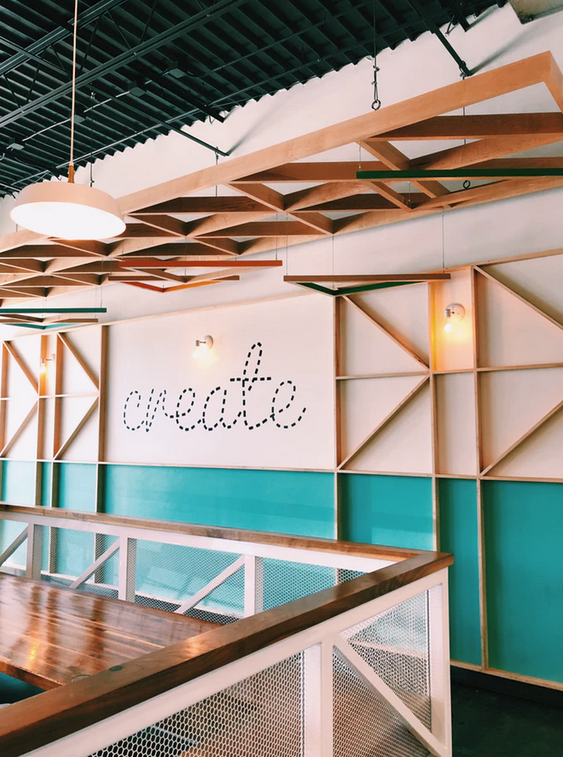
As spring quickly transitions into summer, we are gaining a good sense of how luxury home trends are shaping 2019. Homeowners are incorporating a sophisticated features to their home, and finding complementary decor to satisfy the current trends on the market.

As spring quickly transitions into summer, we are gaining a good sense of how luxury home trends are shaping 2019. Homeowners are incorporating a sophisticated features to their home, and finding complementary decor to satisfy the current trends on the market.
Industrial Chic: Accents and Spaciousness
Industrial chic continues to reign as one of the most popular design trends in luxury decor. Featuring exposed beams, high ceilings, bare brick and concrete walls, wooden floors, and metal accents, industrial chic is all about reoccupying and repurposing America’s dynamic past.
You can add a touch of industrial luxe to outdoor spaces or in your home by incorporating some simple metal fixtures, such as brass sculptures, silver leaf furniture, decorative copper art, and gold-colored or unpolished metal lamps and hanging lights for a sophisticated effect.
One of the top motives behind this aesthetic is spaciousness and openness, so don’t clutter your floors and horizontal surfaces. But you can do more with your walls and even the ceiling, through creative mounting and hanging.
Raw, Unprocessed Textures
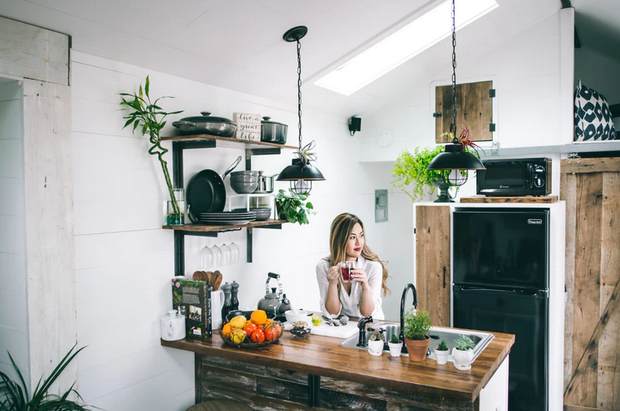
Luxury decor is all about texture, simplicity, and transparency. That’s why natural and raw materials are in vogue right now. Consider including earthy materials such as pottery and wood in your decor, as these also have the benefit of blending well together with the metal accents of the industrial look.
Textures, meanwhile, play and work together to create a certain mood. The craze used to be everything shiny, but recently there’s been a shift toward dull, unpolished, mottled, or distressed decor. Artisan and hand-finished items made from natural textures add a unique, rustic charm to your home furnishings and can boast the luxury of having a human touch in an age when most things are machine-assembled and mass-produced.
Mix Up Your Textures for a Personalized Look
Don’t worry about combining a range of textures and materials in your home decor — mixed textures are in! To keep your decor cohesive and streamlined, consider choosing different accents for separate areas of the house. For example, feature metal in the living room, woven fibers and pottery in the bedroom, and distressed wood in the dining area.
You can even drill down further than this and devote certain walls or lines of sight to one aesthetic, and different walls and sight-lines to a different aesthetic. This creates a crisp and visually stimulating contrast effect that many people are playing around within their homes.
Form-Focused Light Fixtures

Track lighting and recessed lighting have been popular for years, and still are, but more recently there has been a resurgence of interest in visually interesting light fixtures. Pendant lights, hanging lanterns, and the long-forgotten wall sconce are all making a comeback.
This is a good time to experiment with a redecoration of your home’s lighting. There are many new designs on the market. But instead of the showy, pristine styles that dominated last time these trends were en vogue, today’s fixtures offer minimalistic lines, abstract or geometric features, woods and metals, and a weathered or distressed look.
“Old World decadence” is also a trending niche, just like with the more mainstream industrial chic trend. There is definitely a throwback happening to the old mansions and even palaces of bygone eras.
Find Your Own Style
The most important thing about joining a trend is to put your own spin on it and really make it yours. Your individual note makes all the difference.
About the Author: Katie Tejada is a writer, editor, and former HR professional. She enjoys writing about events, travel, decorating trends, and innovations for the home, but also covers developments in HR, business communication, recruiting, and CRM solutions.
Guest Post - 3 Things First-Time Parents Should Know About Moving into Their First Home
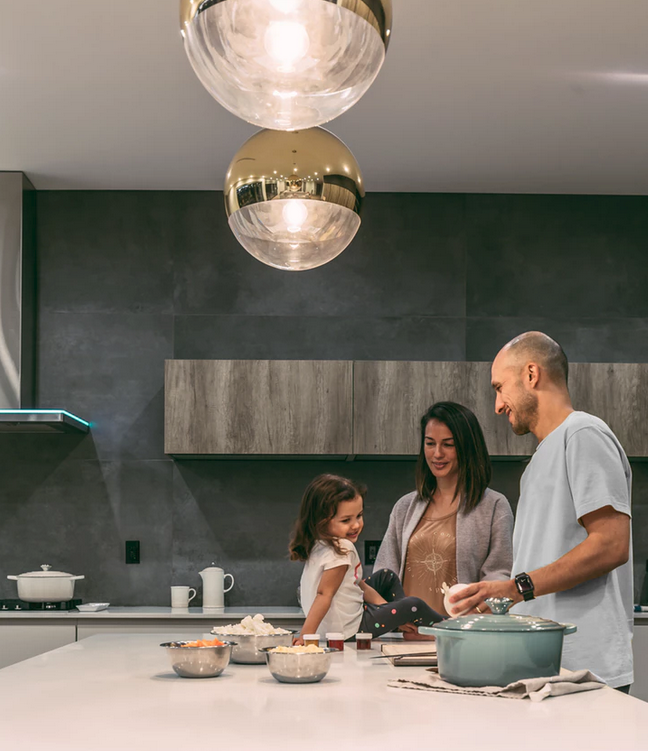
Buying a house is a huge milestone in any person’s life–having a baby, an even bigger. What about doing both of those things at the same time? Whether you’re a first-time parent with a newborn or you’re expecting the arrival of your baby soon, there is a lot to consider when moving into your first home with your new family. Here are three important things you should know.
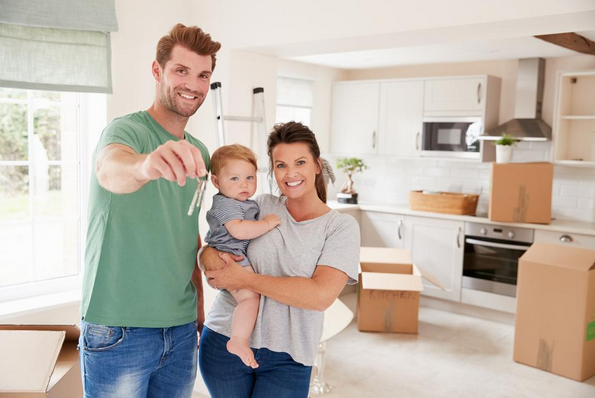
Buying a house is a huge milestone in any person’s life–having a baby, an even bigger. What about doing both of those things at the same time? Whether you’re a first-time parent with a newborn or you’re expecting the arrival of your baby soon, there is a lot to consider when moving into your first home with your new family. Here are three important things you should know.
Choosing the Right Home
As a new parent searching for your family’s first home, there are a few things you need to consider. First, with each house you view, you should ask yourself whether or not the floor plan makes sense for you and your family. For example, you’ll want to be as close to your new baby as possible, so consider single-story homes with a master bedroom that’s close to a bedroom that you could use as a nursery. It helps to look a little into the future as well. Your baby won’t be a baby forever. Eventually, he or she will be old enough to walk around on his or her own. At that point, you’ll need as much visibility as possible, so opt for an open floor plan that will allow you to see your child at all times.
Something else you should contemplate is how well you know the neighborhood and whether or not you feel comfortable with your child growing up there. Visit each prospective neighborhood at night to see how well-lit the streets are and during rush hour to see how busy the roads can get. You should also try to find out if there are other new parents with young children in the area if the neighborhood is filled with older parents whose children have already left home.
Finally, you’ll need to do some research into the schools around the area. These are the schools your baby will eventually attend and grow up in, so it’s important that you’re satisfied with them.
Building Your Home
On the other hand, if you’re building your first home from scratch, then you have complete control and can design it with your family’s needs in mind. More and more people are choosing to build their homes over buying simply because finding a home can be difficult, considering the average amount of time a home stays on the market is a short 30 days. Remember when coming up with the floor plan to look ahead. You might be a first-time now, but someday that might change and you’ll be a parent two or three times over. Design your home so that it can “grow” with you. If you can fit it into your budget, include two or three bedrooms in addition to the master. It may feel like too many at first, especially if it’s just you, your partner and your newborn, but when you have several children running around instead of one, you’ll be grateful for the additional rooms and won’t have to move out and into a bigger space.
As a new parent, one room in particular that you’ll want to pay special attention to is the baby nursery. You may not realize it, but a lot goes into designing a nursery, from the floor plan to the decor. Ceiling fans are essential for your baby’s nursery, as they have been found to reduce the risk of SIDS by 72 percent.
As you design your new home, don’t be afraid to splurge a little on something that you really want. For example, if you enjoy cooking and want to create an outdoor kitchen and dining space for your family and friends, consider investing in a gas barbecue grill. If you do plan on selling your home in the future, this could be viewed as a perk by many buyers and may even increase your home’s value.
Babyproofing
Whether you bought your first home or built it from the ground up, your next step as a new parent is to thoroughly babyproof your home. Go through each room in your new home and take the necessary steps to make sure it’s safe for your baby. For example, if you have a fireplace in your living room, make sure you install a fireplace door. Fireplaces are extremely dangerous for babies and toddlers, and when your baby starts crawling, you’ll want to make sure he or she is protected from its intense heat.

When choosing window treatments, opt for cordless blinds to prevent the risk of your baby getting his or her neck caught in the loop and choking.
Kitchens are a hazardous place for babies, so make sure it’s completely off limits when you’re not around. Place a baby gate at every entrance to the kitchen, keep the bottom cabinets (which often contain toxic cleaning products) and your dishwasher locked and remove the knobs from your stove when you’re not cooking.
In the bathroom, you’ll want to make sure your toiletries and medicine are kept out of reach. You should also consider installing a baby-proof toilet seat with a latch so that your baby can’t stick his or her head in.
Other ways to keep your baby safe inside your new home include: securing the refrigerator so that it can’t be accidentally opened; installing a device that keeps your door open so it doesn’t close on your baby’s fingers; and adding window guards to your windows, especially if they’re low to the ground and within your baby’s reach.
Final Thoughts
Moving into your first home and becoming a first-time parent are major life events that you should be proud of. As you take this next big step, consider whether your new home will work for you and be prepared to turn it into a safe space for your new family to grow.
Author bio: With over 28 years in the ceiling fan, lighting, and fireplace business, Greg possesses a unique blend of hands-on experience, product knowledge, and creativity unlike any Webmaster in this industry. Greg is also a musician who taught himself to play the piano and composes. He is the Director of eCommerce at www.hansenwholesale.com.

Guest Post - Best Moving Tips: Prepare Your Family For Your First Move
Planning your first move with the family requires a lot of planning and coordination. From packing up all of your belongings to hiring professional movers, it can be much easier to get lost in the entire process.
Since preparing for this transition can be more challenging to your family, here are some of the best moving tips to help you handle the relocation as smooth as possible.
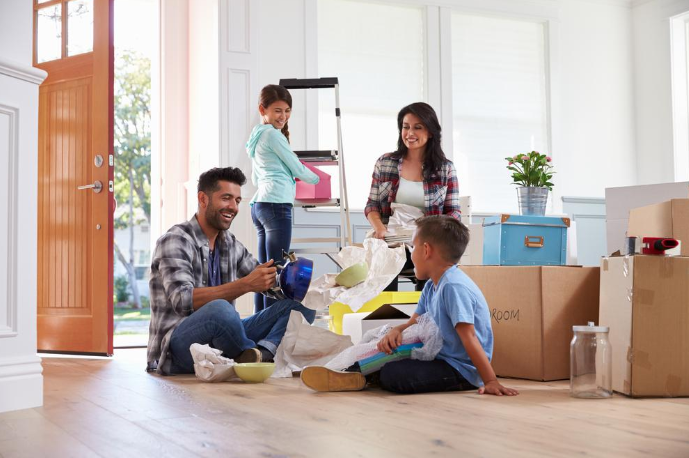
Planning your first move with the family requires a lot of planning and coordination. From packing up all of your belongings to hiring professional movers, it can be much easier to get lost in the entire process.
Since preparing for this transition can be more challenging to your family, here are some of the best moving tips to help you handle the relocation as smooth as possible.
Give the whole family sufficient time to prepare
When it comes to relocating, time is of great essence. Without it, everything about your move can be a lot more chaotic than you’ve never expected. If your family is planning to move to another state for the first time, it’s highly advisable to give yourself plenty of time to prepare and make the necessary arrangements. When making the most of your time, think about your plan, schedule, and any other details that can help make the process seamless.
Show positivity
No doubt that moving can be a sad thing for your family, especially if it’s happening for the first time. With all the sadness and fear that your family members may experience, you should always be there to stay optimistic throughout the transition. By showing positivity, you can help prepare your family for their first move without being sad and lonely. Make your relocation more fun, exciting, and full of optimism by laughing and singing.
Allow your kids to do a moving job

Moving can be more stressful for your children. They may become more anxious with the fact that the entire family is relocating to a different place. To ease the anxiety of your kids, giving them a moving job can be a great idea. For instance, you can let them tackle their own stuff and decide which items to bring and leave behind. Although a packing job for them requires a little supervision, it’s one way of preparing your kids for the upcoming move. By getting them involved, you’ll be able to reduce their fear that comes with moving.
Create a solid packing plan
Dealing with a family move can be a daunting task. With all the stuff that needs to be packed before the big day, everything may turn out as a disaster without a good packing plan. If you want your first family relocation to be as stress-free as possible, begin by getting rid of all unwanted belongings. To do that, you can organize a garage sale or donate some of your things to a local charity. Once everything is decluttered, it’s time to pack by category or by room. Just be sure you pack the not-so-important ones first and to be followed with the essentials. Then, don’t forget to label every box appropriately to avoid missing items in the middle of your move.
Take a break
Sometimes, tension happens during the moving day. There may be lots of frustrations, siblings fight, or patience that goes out of the line. If all of these things aren’t avoided, this is the kind of situation that can make your relocation a disastrous one. In order to prevent this complication and prepare the family members for what lies ahead, take a break for family time. It can be a group stretch or an ice cream cone eating together. No matter how you spend your family time, what’s important is that you can be able to minimize the tension and get everyone to relax.
Get help from a moving company
Whether you’re moving from or within New York City and other cities, hiring a reputable moving company NYC usually makes a lot of sense. If you have experienced movers on your side, you can help prepare your family for the first move. This is by way of giving you and your family members the time to adjust and understand your new major life event. After all, most moving companies can handle every phase of your relocation faster and smoother. Instead of dealing with the move by yourself, you can let the professionals take care of the job for you, thereby providing you the upper hand to assist your loved ones throughout their adjustment period.
Schedule a family visit to your new city

Another way of preparing your family for the move is by planning a visit to your new city. If you have a budget, bring your entire family to the place where you’ll be relocating so they’ll have an idea about their new surroundings. Once you’re there, explore the city and get familiar with the establishments and neighborhood nearby. By getting to know your new city, you can avoid any unpleasant reactions or surprises from your family members upon your arrival.
Final Thoughts
Moving your family doesn’t necessarily have to be scary or traumatic. By keeping these tips in mind, you can prepare your family in advance and help them stay organized and focused throughout the transition. With the assistance of professionals like Movers NYC, your first family move to New York City or other places will be a huge success. Not only will it give them an enjoyable moving experience, but you’ll also have your family prepare for whatever is waiting for you at the end of the line.
Author Bio: Dianne Belencio-Abonita has been writing blogs for quite some time now. She is interested in a lot of things which makes it a joy for her to write about a different niche. But among all the niches, business and marketing are her favorite. When she’s not busy writing, Dianne spends her time with her husband Francis and daughter Francinne. This is where she draws inspiration from to continually provide informative blogs to a different audience.

