

A resource for those seeking information on organizing and transforming spaces.

Tips for Creating a Child-Friendly Home
Safety, entertainment, and room to grow both physically and mentally are all part of creating a child-friendly home. Follow these tips to get you started.

Safety, entertainment, and room to grow both physically and mentally are all part of creating a child-friendly home. Follow these tips to get you started.
Whether you’re expecting or raising a teen, it is sometimes necessary to step back and assess your home. Is it safe and full of things for your child to enjoy according to their age? As you explore tips for creating a child-friendly home, remember to keep your lifestyle and the age of your child in mind. Every family is different, and you need to do what works for you.
Keeping Little Ones Safe
A young child’s home should have plenty of entertaining toys and books to provide stimulation and growth. However, before focusing on entertainment, be sure the home is safe for crawling babies and toddler spills.
Many parents choose to tear out the carpet and install hardwood flooring so they don’t have to deal with stained carpet, which is inevitable with toddlers and sippy cups. Wood floors are beautiful, functional, and stylish, but not all are created equal. Be sure to do your research and choose the best wood for the job.
Add some rugs here and there on wood floors to give your little one a soft place to sit and be sure to have a non-slip pad underneath. You may also want to consider keeping those chubby little baby feet uncovered while they learn to walk to avoid slipping.
Other things, such as electrical outlet covers and cabinet locks, are important for safety. Don’t let all the precautions deter you, though; babies and toddlers are a lot of fun! At this age, a couple of small baskets with age-appropriate toys and board books should be enough to make your little one feel at home.
Making Changes as Your Child Grows
From the preschool years through high school, there will be constant changes in your child. When following tips for creating a child-friendly home, keep these changes in mind. A child’s interests and style will keep you guessing. It’s a good plan to implement ideas into your home that will grow with your child.
Shelves…can you ever have too many? In a living area or the bedroom, shelves can go from holding childhood toys to later being filled with chapter books. You’ll never have to change the shelves—just the items on them.
Additionally, a desk in a child’s room can be used for arts and crafts when they are younger and homework when they are older. A coat of paint can change it up for them as their style progresses over the years.
A finished basement can serve as a family room when you all watch movies together, but at some point, it may be better served as a teenager’s recreation room for hanging with friends. When your child reaches that age, a big part of a child-friendly home is making sure your child’s friends want to be there.
Keeping your home a place your child loves to be will create beautiful memories for you both. It doesn’t take a lot to create a comforting environment at any age.
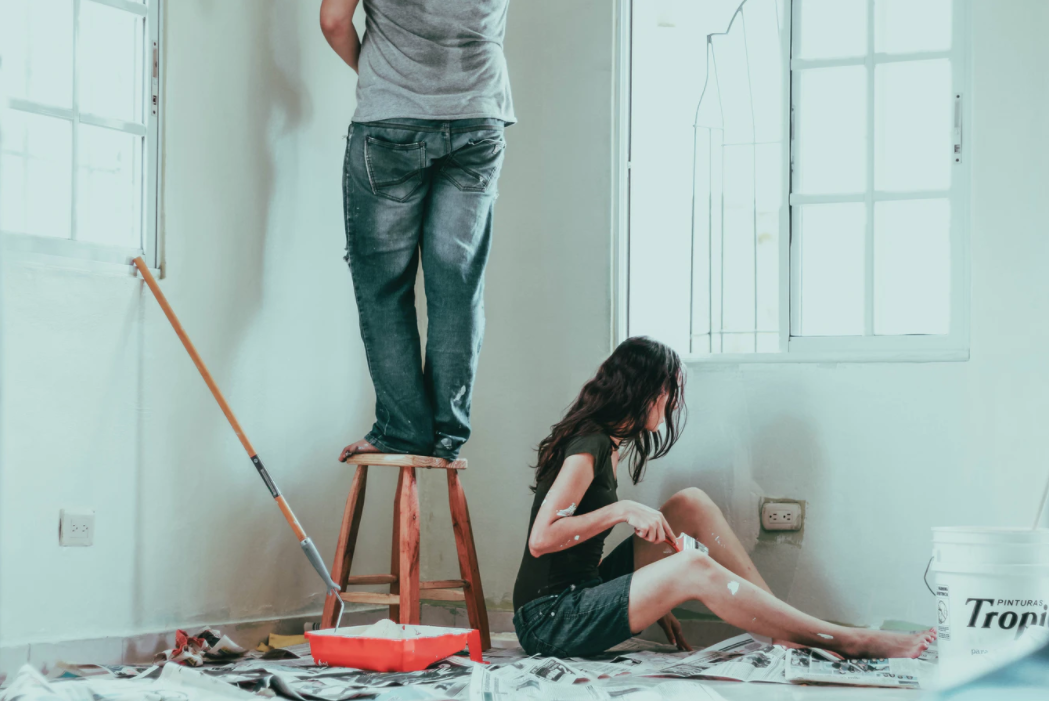
Your Most Valuable Resources When You Begin a Home DIY Project
A DIY project can really help you spruce up your home. However, these types of projects can be a lot of work. The following resources can be quite valuable to you as you begin a home DIY project.

A DIY project can really help you spruce up your home. However, these types of projects can be a lot of work. The following resources can be quite valuable to you as you begin a home DIY project.
The Internet
You can learn all sorts of helpful things about your DIY project online. You can look at pictures of similar projects, and you can also visit online forums to read tips from others who have completed this type of project before. Pay attention to issues that others have had along the way. This will help you avoid the same problems from happening to you.
A Solid Plan
You shouldn't try to complete a home DIY project without a solid plan. Before you start, you need to have a plan as to how to complete the project and a list of the materials that you will need to purchase. By planning out your project, you can ensure that you are fully prepared for what's to come.
Your Local Hardware Store
There's a good chance that you will be spending a lot of time at your local hardware store. Because of this, it will become a valuable resource to you. Get to know the staff, and talk to them about your project. They may be able to offer you some advice, and they might be able to help you if you run into any issues. They can also special order items that you need, or they can let you know about any upcoming sales that they will be having on items that you need to purchase.
Your Knowledgeable Friends and Relatives
You may need help completing your DIY project. You'll probably find that some of your friends and relatives will be a valuable resource. They may be able to give you a hand, or they can give you a different perspective when you are struggling with certain aspects of your project.
A Good Set of Tools
If you want your DIY project to turn out well, you need to have a good set of tools. While you may be thinking about saving money by purchasing inexpensive tools, you run the risk of them breaking and not lasting long. Poorly made tools could even cause injuries. You need to invest in tools that are made to last throughout the various DIY projects that you plan to complete over the years.
If you plan on starting a DIY project, there are some resources that will prove to be valuable to you. The resources mentioned above will help you successfully complete your DIY project, even if you run into some issues along the way.

Guest Post - Tips for Entertaining Guests Outdoors This Winter
Winter is coming. Time to kiss the summer sunshine goodbye and wait for the cooler temperatures to start rolling in.

Winter is coming. Time to kiss the summer sunshine goodbye and wait for the cooler temperatures to start rolling in.
While the winter season can be a little dire – cold days and even colder nights, it's not as bad as a lot of people make it out to be. Just because you've already stashed your garden umbrellas and winterized your patio misting system don't mean you can't have fun outdoors anymore.
The weather may be icy, and the days are chilly, but you won’t have to wait until spring to throw another party in your backyard! These tips will make you fall in love with entertaining at home during the colder months of the year.
Dress for the weather
If you're planning to throw a party on your patio or backyard during the winter season, the least you could do is give your guests a heads up about the venue. Remind them to wear clothes that will keep them warm and comfortable throughout the night – scarves, gloves, ear muffs, the works.
Serve warm drinks
Greeting your guests with a steaming mug of cocoa as soon as they arrive will make them feel instantly warm. Cocoa’s not your only option, though. There’s coffee, tea, and hot lemonade – whatever you think suits the occasion best. Are you entertaining for the winter holidays? Eggnog is a perfect choice!
Heat the place
Heat lamps and patio heaters are your most practical options for keeping outdoor spaces warm in winter. These devices are not only easy to operate; they're budget-friendly as well.
You can either install heat lamps on the roof of your patio or opt for portable patio heaters that you can move around as needed. Environmentally-conscious homeowners will love electric infrared heaters. They’re silent, don’t emit greenhouse gases, and cheap to operate.
Add fire elements
Fire elements make for very intriguing, yet aesthetically appealing additions to your outdoor area. Aside from making your patio warmer and cozier, fire can also alter the mood of the space and enhance the atmosphere.
If you feel like fireplaces are way out of budget and, currently, too big of a commitment, go for chimeneas – portable and affordable. Also, bonfires and fire pits tend to create interesting focal points for expansive outdoor spaces and are an excellent location for sparking cozy conversations with guests.
More lighting fixtures
Days are shorter during winter, which means you’ll need good lighting to enjoy the use of your outdoor living space for evening parties and get-togethers. Improving your outdoor lighting will not only allow you to use your patio, backyard, or garden longer at nighttime; it also helps ensure the safety and security of your visitors.
Candles and lanterns help create a more intimate feel to the place. Professionally-installed landscape lighting, on the other hand, is great for highlighting stairways and walkways while also adding warmth to the area.
Create a cozy atmosphere
Nobody wants to sit on a cold, metal chair on a freezing evening. If your outdoor furniture is made out of metal, plastic, or wood, consider putting cushions on the seats, but only take them out before the guests arrive. Fabric can also feel chilly when left in the cold for long.
If you want to take the coziness-level up a notch, why not throw in a thick blanket? These things are a lifesaver on frigid evenings.
Invest in a covered patio
For those with the budget to spare, you can further winter-proof your outdoor living space by investing in a covered roof for your patios and pergolas. A less expensive alternative would be patio drop shades and retractable outdoor blinds.
Any of these options will not only protect you and your guests from rain, wind, or cold; they will also give you more space to move around and entertain. So, even with the harsher weather conditions that winter may throw your way, the fun continues!
About the Author
Anna Fox is the Content Marketing Strategist of Señor Mist, a Phoenix, Arizona-based company that provides high pressure misting systems/fog effects, comfort heaters, patio drop shades, hvls fans and more. When not writing, she makes use of her spare time reading books and hiking with her dog, Blaze.
Things To Fix Around Your House Before They Get Worse
If you notice areas in your home that need repairs, it’s wise to get on it before they get worse. Learn about some top things to fix in your home here.

If you notice areas in your home that need repairs, it’s wise to get on it before they get worse. Learn about some top things to fix in your home here.
Many things around our homes will require maintenance over time. Even if you keep work hard to keep everything in top condition, you’ll still run into appliances that break and parts of your house that need fixing or replacement. Learn some of the things to fix around your house before they get worse by reading below.
Clean Your Fridge and Coils
Refrigerators are common pieces of home equipment that can get incredibly dirty if you don’t maintain them properly. Many refrigerators have coils behind and underneath them. These areas commonly experience buildups of dirt, dust, and other types of debris. After a while, this buildup can block off the airflow the fridge needs to properly work. Use a refrigerator coil brush to get in and clean off the coils. It’s also wise to clean the inside of your refrigerators periodically.
Clean Your Dryer of Lint
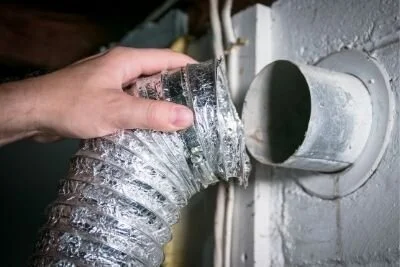
The greatest risk of not ridding your dryer of lint buildup is that it could actually cause a fire. Unfortunately, lint is highly combustible, and it can build up in the vent and obstruct it, overheating the machine. When you clean out your dryer’s lint trap, check the vent. Make sure to unplug the dryer and pull it away from the wall first. Check the connector to see if it’s dented, cut, or kinked. If it is, you should replace it.
Fix Any Masonry That’s Crumbling
Mortar used in brick homes can start to deteriorate and crumble over time. If you start to notice deep cracks in the mortar, fix them before they continue to get worse. You can make repairs to the mortar by mixing up some Portland cement and using it to fill in the cracks. If you need more invasive repairs, you may have to use tuckpointing, which involves using an angle grinder and a plugging chisel to take out the old mortar. You’ll have to pack the new mortar into the joints once you’ve removed the old material.
Fix or Replace Your Windows
This is one of the major things to fix around your house before they get worse. There are many ways you can tell if your windows are having issues. If your rooms are really drafty, there might be leaks in your windows. They could be starting to rot, and it’s even possible they were fitted into the wall incorrectly. Some other signs your windows weren’t installed properly are squeaky noises or the window not shutting correctly. It’s best to get this looked at immediately; constantly running the heating because your home is constantly cold can increase your energy bill. Consider having your windows checked for gaps, and see if they need to be refitted.